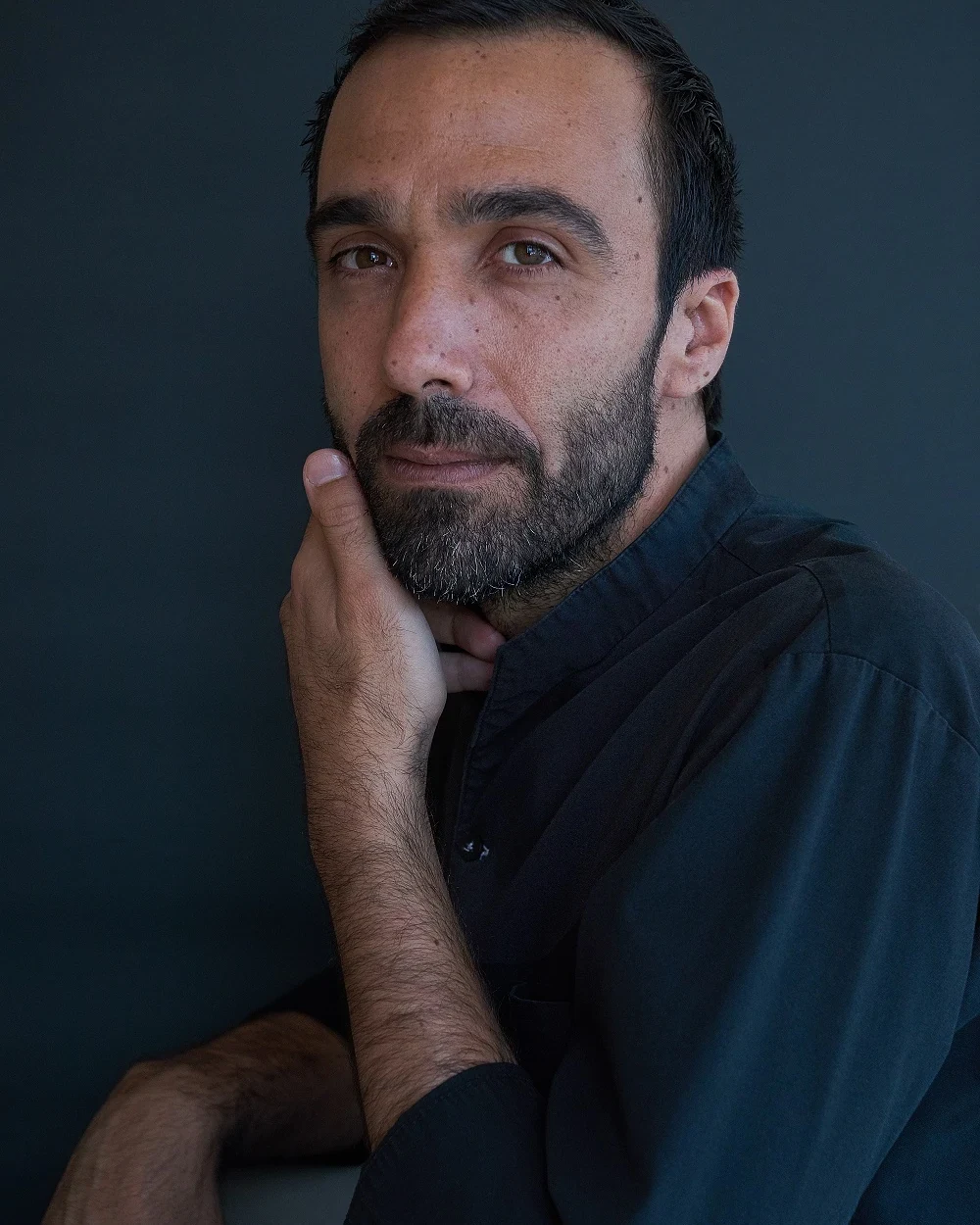
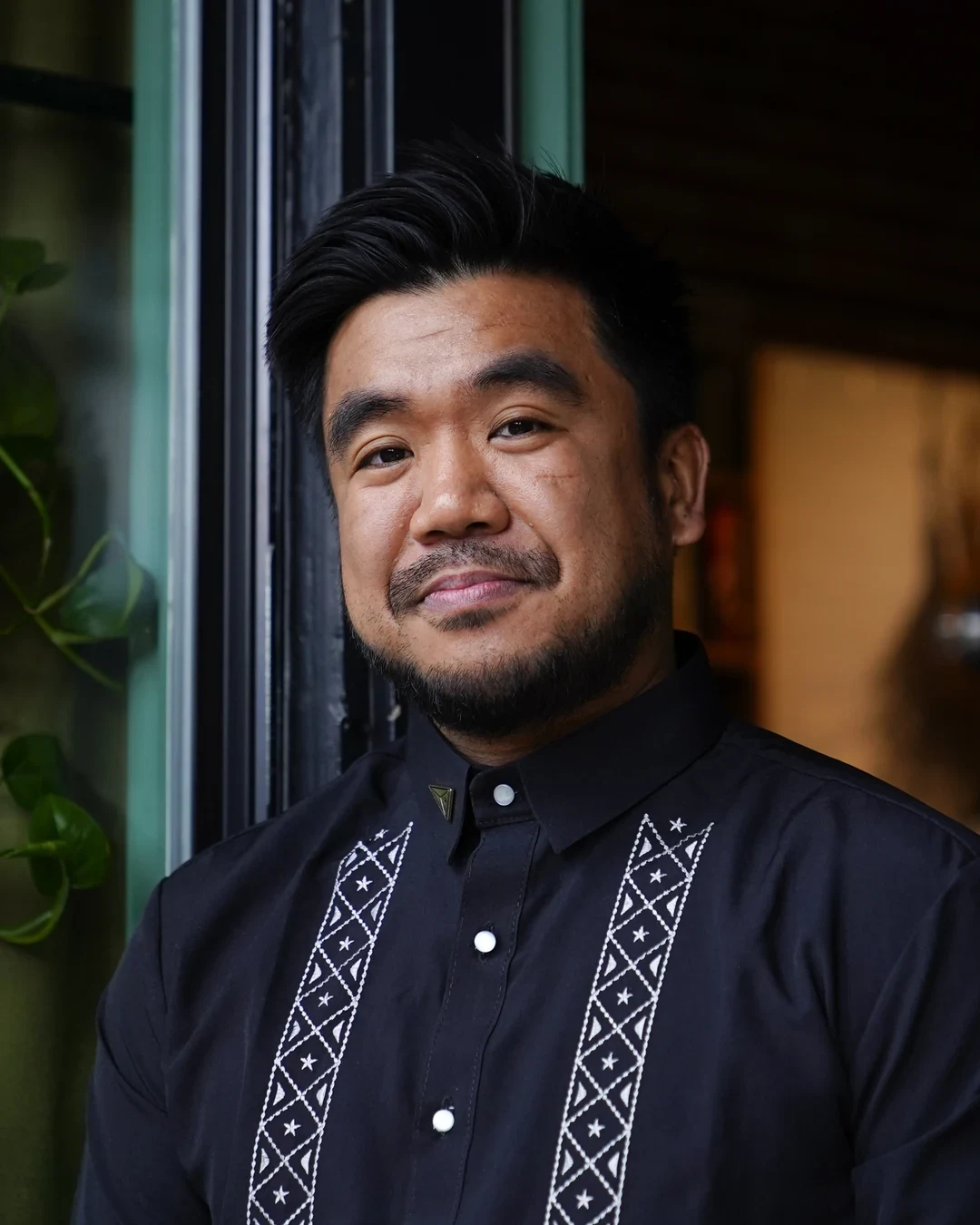
Portrait of Lionel Beccat
i. Biography
At ESqUISSE in Tokyo, citrus, spices and herbs function as working materials, not garnish. In Lionel Beccat’s cooking, they set brightness, warmth, green lift and aromatic timing inside the structure of the dish. The base remains French tradition and technique, while the ingredients, techniques and sensibilities of Japan determine much of the pressure, restraint and seasonal reading. The cooking is progressive and gentle, simple, flavorful and poetic, with attention to the earth and to the discipline of shaping only after listening.
The Sunday letter
Read Made By's new profiles every Sunday.
Meet the chefs, winemakers and sommeliers behind the places we cover. See a sample below before you subscribe.
See a sample of the Sunday emailOne email a week. Unsubscribe from any issue.
The Climb
Today, Lionel Beccat is chef of ESqUISSE. That position is defined less by display than by control: craft, restraint and imagination held in the same frame. The work at ESqUISSE reads as refinement through small decisions — how an ingredient is approached, when intensity is withheld, where an aromatic note is placed, and how a finished plate can remain calm while carrying the thinking beneath it.
Today
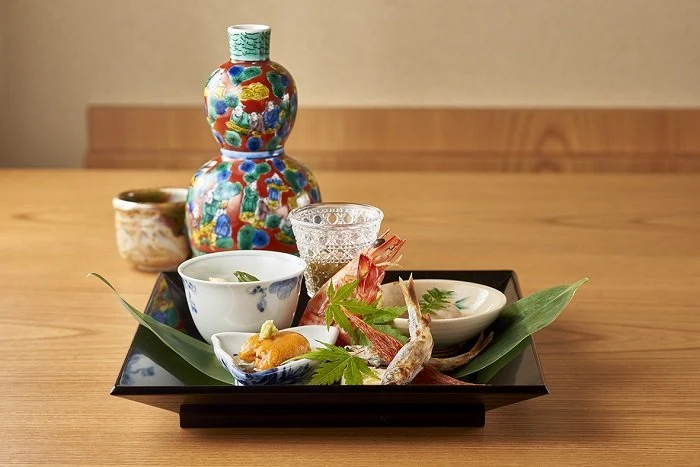
Beccat is Executive Chef at ESqUISSE in Tokyo. There, his specialty is Japanese-inspired French cuisine, built on modern French technique blended with Japanese ingredients and sensibilities. The cooking works by translation rather than collision. French structure provides poise; Japanese materials and sensibility bring lightness, seasonality and quiet movement. Beccat has said, "To cook is to translate the breath of life into form." In practice, that means judging pressure, cut, aromatic accent and negative space around an ingredient rather than adding complexity for its own sake. Citrus sharpens without taking over. Spices warm without weight. Herbs open the plate aromatically. The apparent simplicity comes from subtraction. Its gentleness is precise: flavor is allowed to stay vivid without being forced, and beauty is drawn from what the ingredient already holds. One dish associated with his kitchen is Hokkaido Crab with Mustard Mayonnaise and Fennel Oil, highlighted for combining difficult-to-match flavors. The dish shows modern French technique in conversation with Japanese ingredients and sensibilities. Crab provides sweetness and delicacy; Mustard Mayonnaise gives structure and depth; Fennel Oil adds aromatic lift. The method is not fusion as effect, but balance reached through attention.
Career - Chef — ESqUISSE, Tokyo
Signature
The phrase holds two uses in Beccat’s work: the identity of ESqUISSE and a body of cooking built around clarity, purity and the gradual revealing of ingredients. The signature is not excess but restraint — measured citrus, spices and herbs; modern French technique set against Japanese sensibility; and dishes that require the diner to slow down and register detail.
In Their Words “As time goes by, I find myself drawn more and more toward purity and simplicity, toward a cuisine that does not seek to invent, but to reveal.” “To cook is to translate the breath of life into form.”
Recognition
In 2021, Beccat published *ESqUISSE no Ryori*, a culinary book containing detailed recipes for 35 of ESqUISSE’s signature dishes. The book also presents his inspiration, creative energy, philosophy and thoughts about cuisine, making it a document of his approach. The value of the book is practical as much as personal. Recipes and ideas are set down as a record of how the food is built. It carries the same principle found on the plate — purity, simplicity, revelation — into written form, following ingredients from thought to finished dish. The point is not technique as display, but technique used until an ingredient becomes fully legible.
FAQ What is Lionel Beccat's current role? Lionel Beccat is Executive Chef. What is Lionel Beccat known for? Japanese-inspired French cuisine. What recognition has Lionel Beccat received? National Order of Agricultural Merit: Grade de Chevalier Dans L’ordre Du Merite Agricole (2011).
Favorite Places
Recommended by Lionel
Favorite
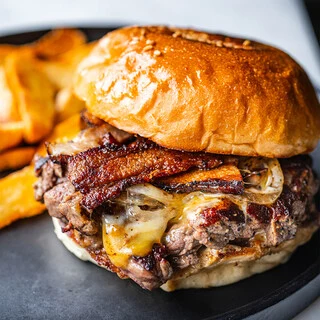
Burger Mania Shirokane ten
Restaurant · Tokyo · Japan
View place →
Favorite
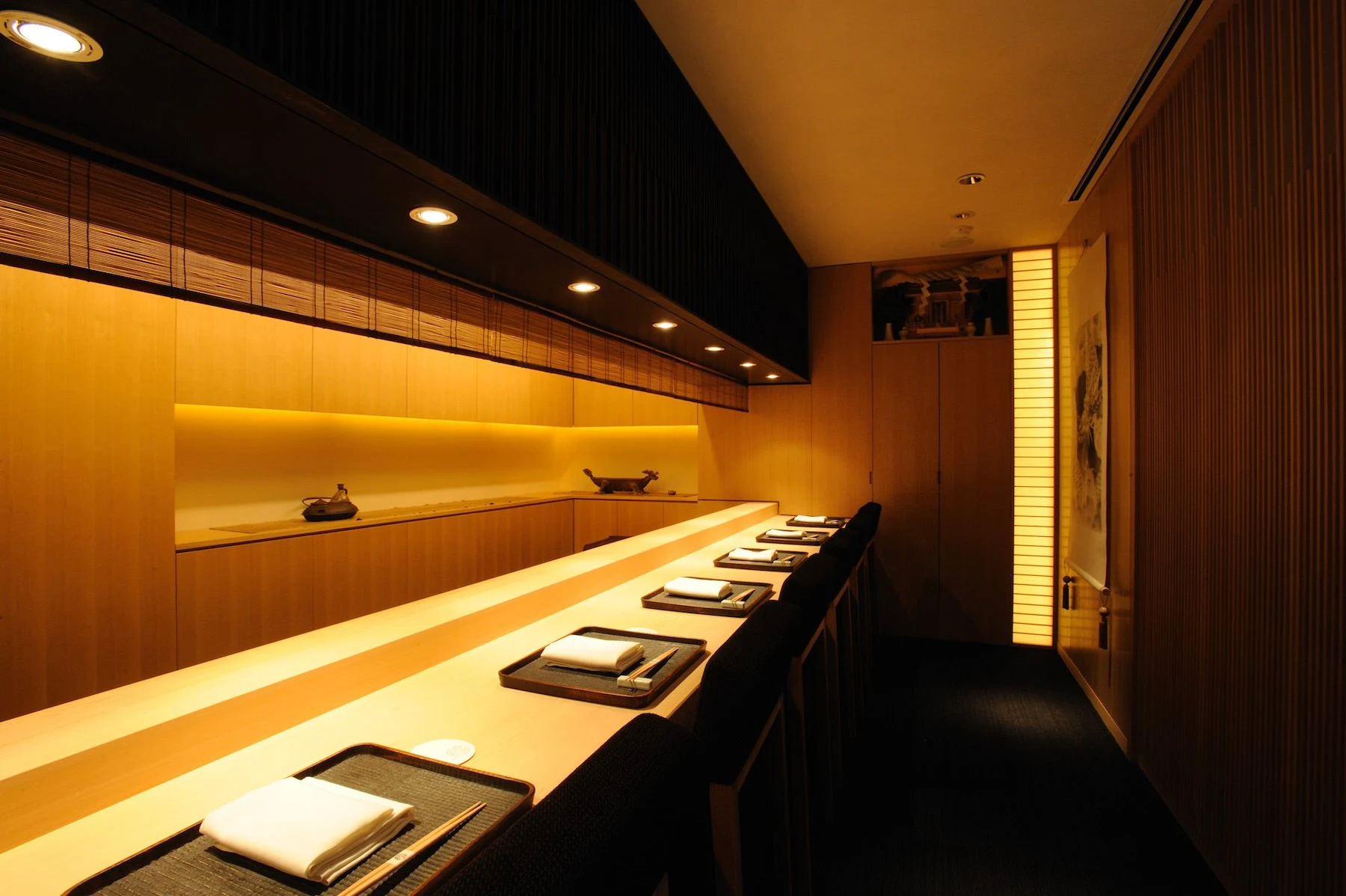
Kagurazaka Ishikawa
Restaurant · Tokyo · Japan
View place →
Favorite
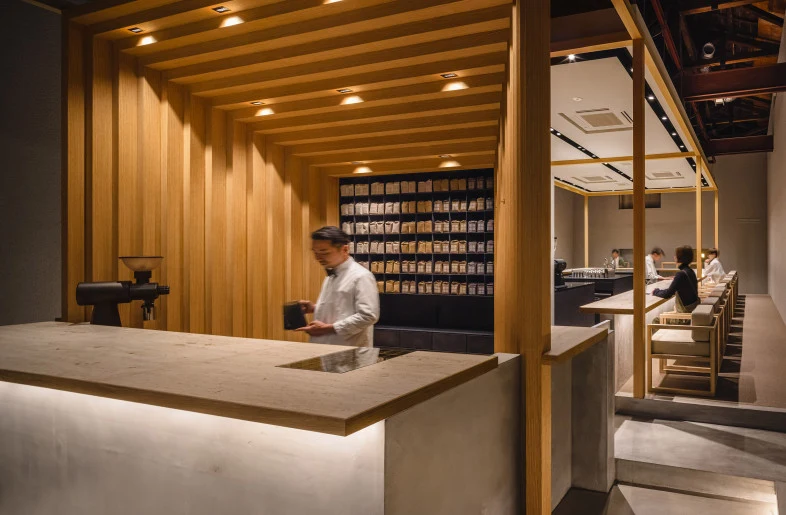
Koffee Mameya Kakeru
Café · Tokyo · Japan
View place →
Favorite
Neki
Restaurant · Tokyo · Japan
View place →
Favorite
Ozaki
Restaurant · Tokyo · Japan
View place →
Favorite
Sukiyabashi Jiro
Restaurant · Tokyo · Japan
View place →
Favorite
Sushi Tokyo Yoshida
Restaurant · Tokyo · Japan
View place →
Recommends
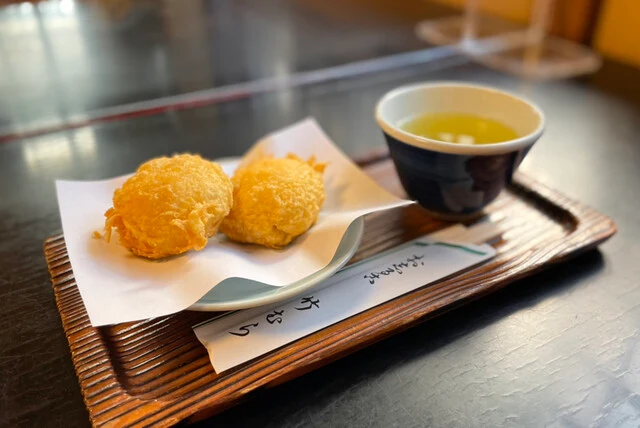
Takemura
Restaurant · Tokyo · Japan
View place →
Recommends
The Bellwood
Bar · Tokyo · Japan
View place →
Recommends
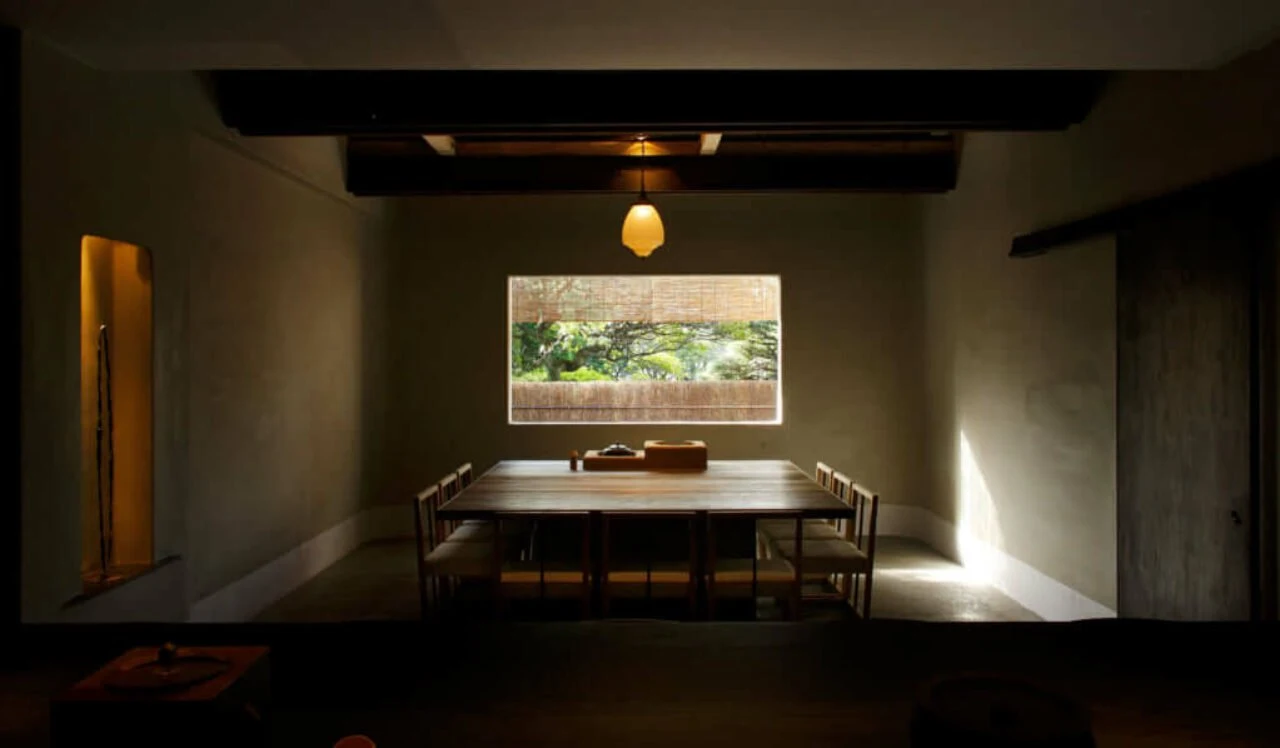
Yakumo Saryo
Restaurant · Tokyo · Japan
View place →

Explore
In the same rooms


The Sunday letter
Get the next Made By profile in your inbox.
We send one email every Sunday morning with the people we profiled that week.
See a sample of the Sunday emailOne email a week. Unsubscribe from any issue.