From the people index
Recommended by
One trusted voice points here.

- Opinionated About Dining Top Restaurants in Japan Recommended · 2026
- Opinionated About Dining Top Restaurants in Japan Ranked #420 · 2025
- Opinionated About Dining Top Restaurants in Japan Ranked #378 · 2024
Where Azabu-Juban Sits in Tokyo's Sushi Hierarchy
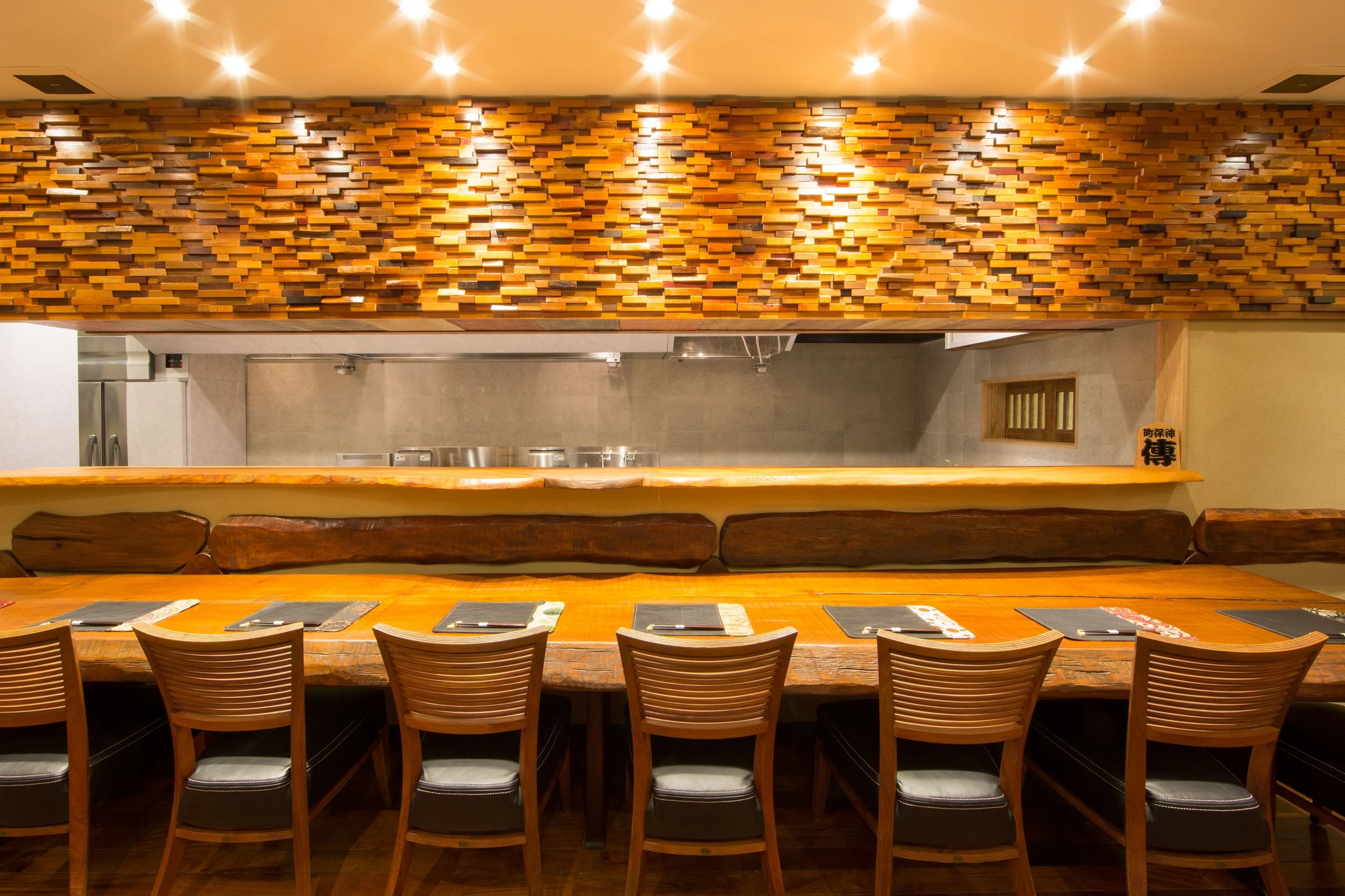
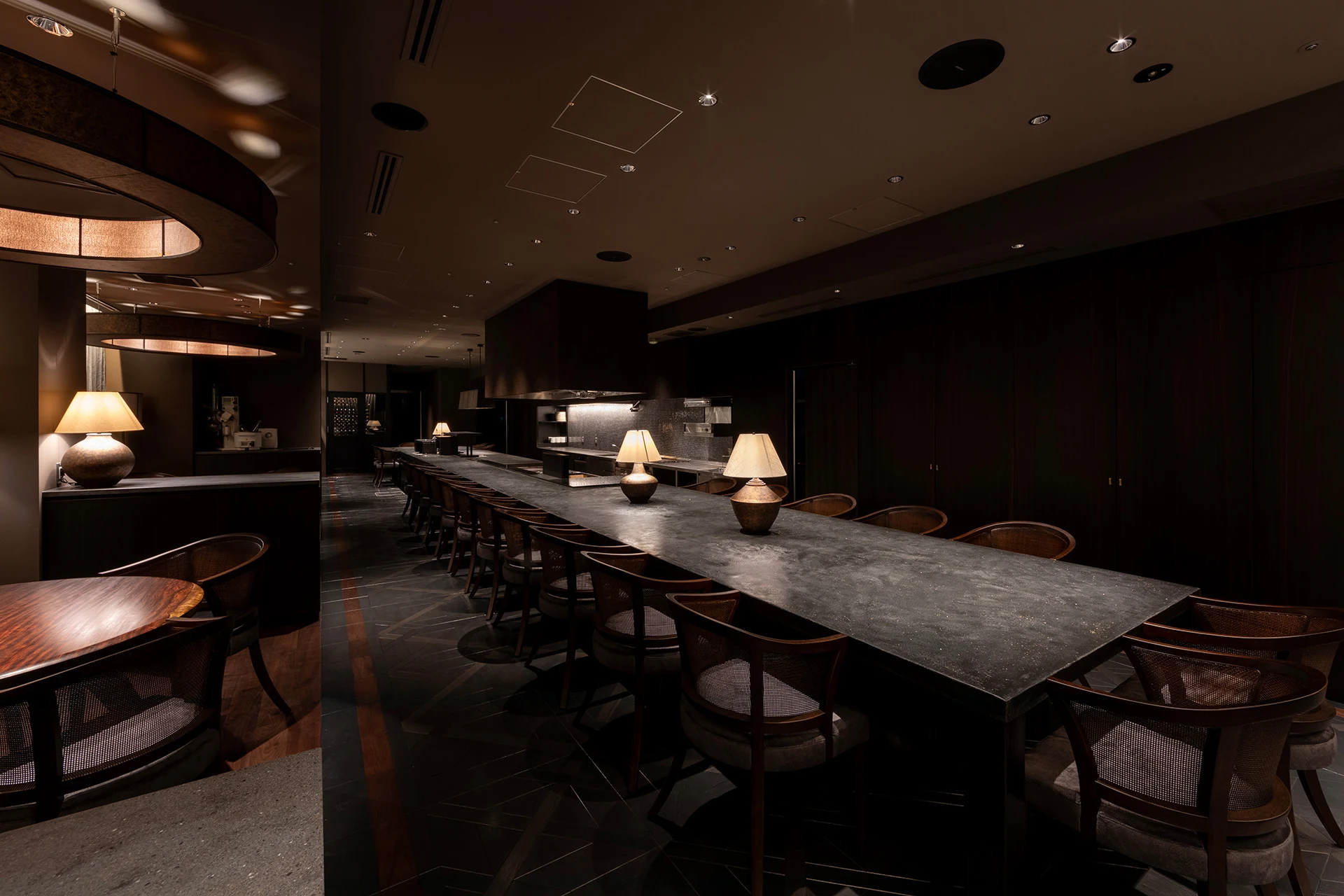
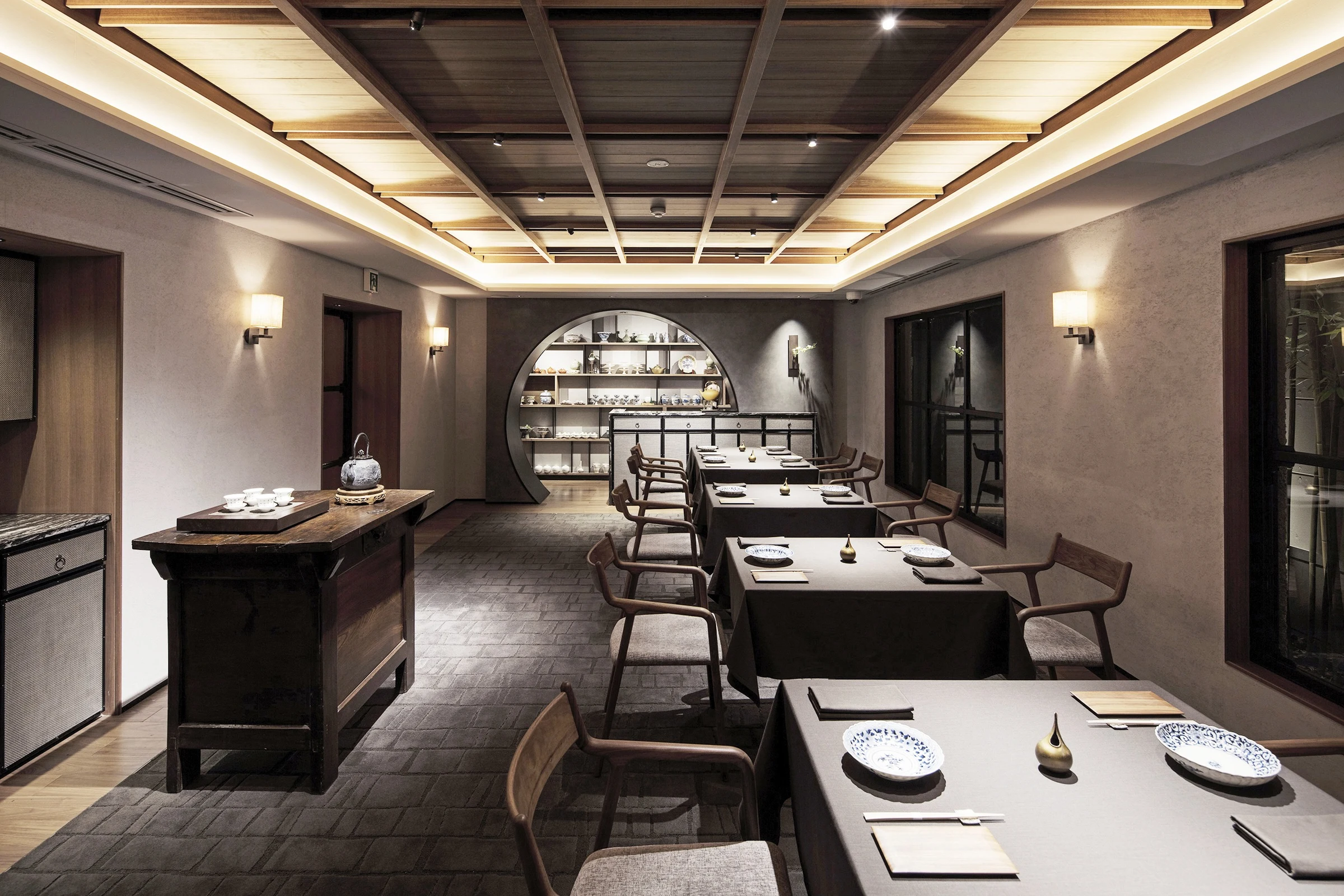
Tokyo's sushi scene has sorted itself into distinct tiers over the past decade. At the leading tier sit the three-Michelin-star counters of Ginza and Roppongi, where price-per-head routinely exceeds ¥50,000 and reservations function more like allocation systems than bookings. A step below, in quieter residential neighbourhoods, a different category operates: smaller counters with serious pedigree, consistent critical recognition, and a format that still prioritises the fish over the spectacle. Azabu-Juban belongs to this second tier by geography and sensibility, and Ozaki is among the more closely watched addresses in that bracket.
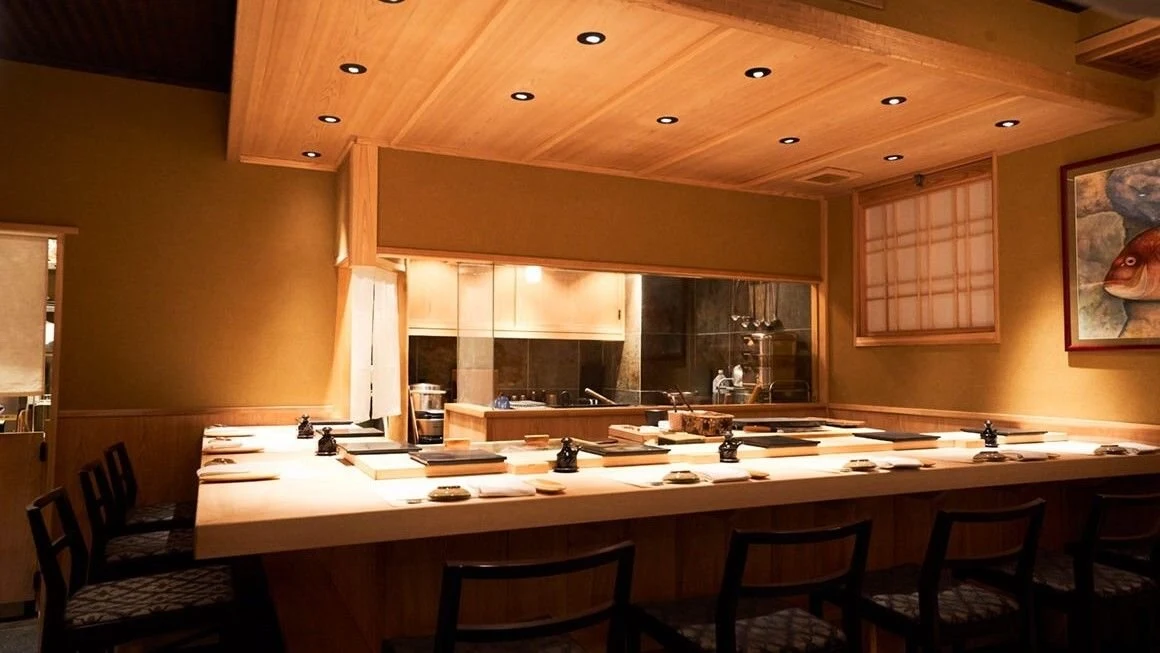
The neighbourhood itself matters here. Azabu-Juban sits between the diplomatic corridors of Minato City and the commercial density of Roppongi, and it has long supported a dining culture built around regulars rather than tourists. The restaurant clientele tends to be local, repeat visitors, and in-the-know travellers who have already done the Ginza circuit and are looking for something less performative. Ozaki operates in that space, inside a ground-floor unit of Aqua Court on Chome 3-4-5, an unremarkable residential building that signals, in the way Tokyo sushi counters often do, that the meal is the point.
Evening Service: The Only Format on Offer
The editorial angle that applies most directly to Ozaki is one that defines much of Tokyo's mid-tier sushi category: this is a dinner-only operation. The counter opens at 5:30 pm and runs through 11 pm, Monday through Saturday, with Sundays closed. There is no lunch service to compare against, no daytime format offering a shorter course at a reduced price point. That single-service structure carries implications for both the dining experience and the reservation dynamic.
Counters that run lunch and dinner typically use the midday sitting as an entry point, a way to widen access or move a second set of product. The absence of lunch at Ozaki means the kitchen's full attention, preparation, sourcing decisions, temperature management, is directed at one service. In practical terms, this also means the counter does not run the kind of value-led lunch omakase that has become common at comparable addresses in Shinjuku and Meguro, where an abbreviated course at a lower price functions as a tasting introduction. If you are visiting Ozaki, you are committing to an evening sitting, and the experience is priced and paced accordingly.
For visitors considering how Ozaki compares to nearby dinner-format counters, the reference points are instructive. Harutaka in Ginza runs a multi-course omakase at ¥¥¥¥ pricing and carries Michelin recognition. Sukiyabashi Jiro Roppongiten in Roppongi operates at a similar price tier with significant international name recognition. Sushi Kanesaka represents the Ginza establishment at its most formal. Ozaki positions against these counters not by price competition but by neighbourhood character and format discipline, offering a slightly more residential, less trafficked setting for the same fundamental ritual.
Recognition and What It Signals
Ozaki has appeared on the Opinionated About Dining Leading Restaurants in Japan list in consecutive years, ranked #378 in 2024 and #420 in 2025. A counter that holds sustained OAD placement without moving into the top tier of the list tends to occupy a specific position in the critical conversation: well-regarded, consistent, and without the reservation pressure of the highest-ranked addresses.
That consistency across two years carries more weight than a single appearance. It suggests the kitchen is not executing on novelty or a single headline dish but is maintaining a standard that experienced diners return to assess. At a 4.4 rating across 77 Google reviews, the public-facing feedback aligns with the critical signal: this is a counter that satisfies without polarising.
For context across Japan's wider dining scene, Ozaki sits alongside destinations that have earned similar levels of sustained recognition. Gion Sasaki in Kyoto and HAJIME in Osaka represent the equivalent positioning in their respective cities, consistently recognised, serious in format, and operating outside the very top tier of their local hierarchies.
Sushi in Tokyo Beyond the Counter: Building a Stay Around It
A visit to Ozaki makes most sense as part of a broader Tokyo food itinerary rather than as a standalone destination. Azabu-Juban has enough density of good eating that an evening counter booking here can anchor a wider day. Edomae Sushi Hanabusa and Hiroo Ishizaka operate in adjacent Minato City neighbourhoods and represent different registers of the same broad tradition. The proximity of these addresses means a focused sushi-focused visit to this part of Tokyo is practically feasible across multiple evenings.
For visitors building a longer Japan itinerary, the geographic spread of recognised counters across the country is worth noting. Goh in Fukuoka, akordu in Nara, and 1000 in Yokohama each occupy distinct regional positions, as does 6 in Okinawa. Outside Japan, the omakase format has taken root in Southeast Asia, with Sushi Shikon in Hong Kong and Shoukouwa in Singapore representing the format's most decorated outposts in the region.
Know Before You Go
- Address: Aqua Court 1F, 3 Chome-4-5 Azabu-Juban, Minato City, Tokyo 〒106-0045
- Hours: Monday to Saturday, 5:30 pm to 11:00 pm. Closed Sunday.
- Format: Dinner-only omakase counter. No lunch service.
- Chef: Ichiro Ozaki
- Recognition: Opinionated About Dining Leading Restaurants in Japan, #378 (2024), #420 (2025)
- Google Rating: 4.4 from 76 reviews
- Nearest area: Azabu-Juban, Minato City, accessible from Azabu-Juban Station (Namboku and Oedo lines)
Questions
Frequently asked
Who works at Ozaki?
Made By profiles Ichiro Ozaki (Chef) at Ozaki.
How expensive is Ozaki?
Ozaki is listed at a price level of $$$$.
Where is Ozaki and what does it serve?
Ozaki is in Minato, Tokyo, serving Sushi Kaiseki.
The field
How it compares
| Place | Cuisine | Notes | Awards |
|---|---|---|---|
| Ozaki | Sushi Kaiseki | Minato, $$$$ | · |
| Den | Modern Japanese Kaiseki | Tokyo | Michelin 2 Stars, World's 50 Best |
| Florilège | Modern French-Japanese Plant-Based Fine Dining | Tokyo | Michelin 2 Stars, World's 50 Best |
| Narisawa | Modern Japanese Satoyama Fine Dining | Tokyo | Michelin 2 Stars, World's 50 Best |
| Quintessence | Modern French Fine Dining | Tokyo | Michelin 3 Stars |
| Sazenka | Modern Chinese Fine Dining | Tokyo | Michelin 3 Stars, World's 50 Best |
| Sézanne | Modern French Fine Dining | Tokyo | Michelin 3 Stars, World's 50 Best |
In residence

Similar places
Modern Japanese Kaiseki
Den
Tokyo, Japan
★★ · 50 Best
Modern French-Japanese Plant-Based Fine Dining
Florilège
Tokyo, Japan
★★ · 50 Best
Modern Japanese Satoyama Fine Dining
Narisawa
Tokyo, Japan
★★ · 50 Best
Modern French Fine Dining
Quintessence
Tokyo, Japan
★★★
Modern Chinese Fine Dining
Sazenka
Tokyo, Japan
★★★ · 50 Best
Modern French Fine Dining
Sézanne
Tokyo, Japan
★★★ · 50 Best