Sushi Zo Hong Kong
- 01CuisineTraditional Japanese Omakase
- 02CityHong Kong, Hong Kong
- Opinionated About Dining Top Restaurants in Asia Recommended · 2026
- Opinionated About Dining Top Restaurants in Asia Ranked #435 · 2025
- Opinionated About Dining Top Restaurants in North America Ranked #108 · 2025
- Opinionated About Dining Top Restaurants in Asia Ranked #391 · 2024
- Opinionated About Dining Top Restaurants in Asia Recommended · 2023
Tai Kwun and the Grammar of the Omakase Counter in Central
Central Hong Kong's dining map has split, over the past decade, into two distinct registers: the tower-lobby fine-dining room aimed at corporate expense accounts, and the smaller, format-driven counter that rewards those willing to look past the lobby. The shift mirrors how omakase culture has moved toward tighter, more purposeful spaces. Sushi Zo Hong Kong sits inside that second register, occupying a lower-ground floor within Tai Kwun, the restored Central Police Station compound on Hollywood Road that has become one of the city's more coherent cultural-dining destinations since its reopening.
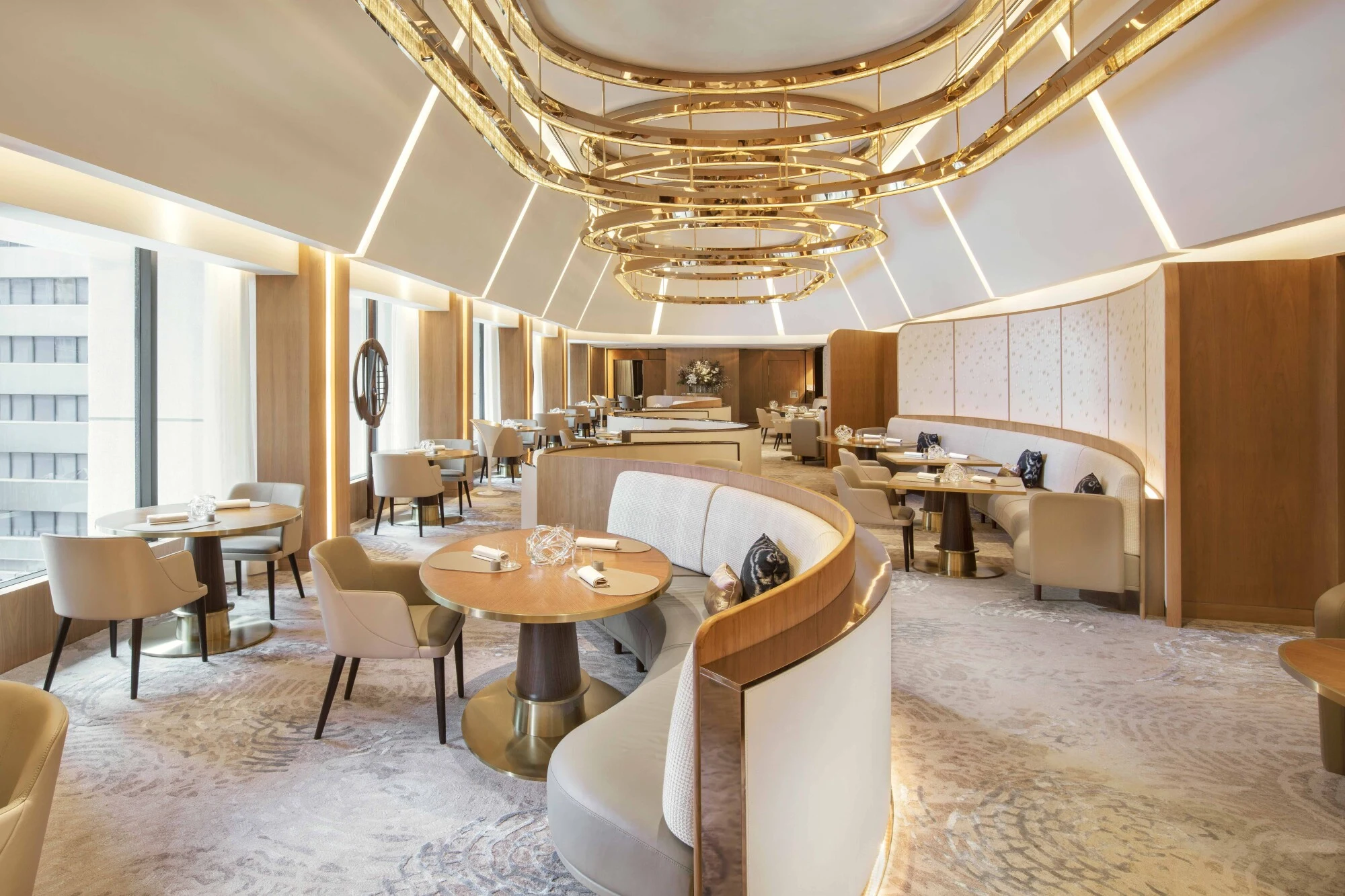
Tai Kwun's layered colonial stonework and open courtyards create an arrival sequence that is neither mall nor street-level. Sushi Zo's placement at LG1/F of the Shama Soho block places it below the main courtyard traffic, which means the room operates at a remove from Tai Kwun's more casual foot traffic. That physical fact matters for an omakase format, where counter concentration and acoustics are as important to the experience as the fish.
A California Origin in an Asian City: What That Positioning Means
Omakase formats in Hong Kong now span a wide competitive range, from Edomae purists trained in Tokyo's most lineage-conscious kitchens to hybrid counters that move between Japanese technique and local sourcing instinct. Sushi Zo's origin lies in Los Angeles, where the parent operation built a following on a clean, produce-forward interpretation of Edomae form, prioritising fish quality and rice temperature over theatrical knife work or elaborate amuse sequences. That West Coast lineage places the Hong Kong outpost in a specific peer conversation, distinct from the Tokyo-trained counters like Sushi Shikon and Sushi Saito that anchor the city's Michelin-recognised tier, and equally distinct from newer arrivals such as Sushi Wadatsumi and Sushi Fujimoto that draw on different regional Japanese traditions.
Los Angeles developed its own omakase vocabulary in the 2000s and 2010s, partly because Japanese-American chefs and their students were less bound by the strict house-style orthodoxies of Tokyo counters. The result was a form of omakase that felt confident about sourcing from non-Japanese waters and adjusting seasoning for a broader palate without reading as a compromise. That approach travels well to Hong Kong, a city whose dining culture has always been comfortable with lateral interpretations of tradition.
Where Sushi Zo Sits in Hong Kong's Sushi Conversation
Opinionated About Dining, the critic-weighted survey that functions as a useful counterpoint to institutional guides, has listed Sushi Zo Hong Kong on its Asia rankings for three consecutive years: Recommended in 2023, #391 in 2024, and #435 in 2025. The same organisation also places it at #108 on its 2025 North America list, a legacy signal from the parent operation's standing rather than a geographic claim, but one that provides useful context about the brand's wider critical footprint.
Within Hong Kong specifically, that OAD recognition places Sushi Zo in a credible mid-field position: not at the absolute apex occupied by three-Michelin-star counters, but well above the tourist-facing sushi operations that fill the city's hotel plinths. The relevant comparable set in the OAD framework is the cluster of counter-format Japanese restaurants across Hong Kong and Singapore where sourcing credentials and technical consistency matter more than ceremony. Shoukouwa in Singapore and Hamamoto in Singapore operate in broadly analogous positions for that city's market. Comparable Tokyo reference points include Harutaka and Edomae Sushi Hanabusa, both of which occupy the technically serious but non-trophy tier of the Tokyo counter scene.
For those tracking the full arc of the Zo brand's critical trajectory, the parent counter's influence can also be read against marquee names like Sushi Kanesaka in Tokyo, not as a direct comparison, but as a marker of the lineage-versus-innovation axis that defines how serious omakase diners categorise counters. Sukiyabashi Jiro Roppongiten represents the extreme of Tokyo's lineage-first orthodoxy; Sushi Zo sits at the other end of that axis, where the question is less about received tradition and more about what the format can do when it travels.
Among the Hong Kong sushi counters, Sushi Gin occupies a nearby but distinct position, and the city's market overall has enough depth that diners can meaningfully compare across four or five serious omakase formats without the comparisons becoming redundant. Sushi Harasho in Osaka serves as a reference point for how Kansai-influenced counter formats differ from both Tokyo and West Coast interpretations, which adds a useful triangulation for anyone building a comparative sushi itinerary across the region.
Planning Your Visit
Address: LG1/F Block 01, Tai Kwun, Shama Soho, 10 Hollywood Rd, Central, Hong Kong. Google rating: 4.6 from 72 reviews. Reservations are essential.
Questions
Frequently asked
How expensive is Sushi Zo Hong Kong?
Sushi Zo Hong Kong is listed at a price level of $$$$.
Where is Sushi Zo Hong Kong and what does it serve?
Sushi Zo Hong Kong is in Central, Hong Kong, serving Traditional Japanese Omakase.
The field
How it compares
| Place | Cuisine | Notes | Awards |
|---|---|---|---|
| Sushi Zo Hong Kong | Traditional Japanese Omakase | Central, $$$$ | · |
| 8 1/2 Otto e Mezzo Bombana (Hong Kong) | 3 Michelin-Star Italian Fine Dining | Hong Kong | Michelin 3 Stars, World's 50 Best |
| Amber | Contemporary French Fine Dining | Hong Kong | Michelin 3 Stars, World's 50 Best |
| Caprice | Contemporary French Fine Dining | Hong Kong | Michelin 3 Stars, World's 50 Best |
| The Chairman | Traditional Cantonese | Hong Kong | Michelin 1 Star, World's 50 Best |
| Vea | Modern Chinese-French Fusion | Hong Kong | Michelin 1 Star, World's 50 Best |
| WING Restaurant | Modern Chinese Fine Dining | Hong Kong | World's 50 Best |
Similar places
3 Michelin-Star Italian Fine Dining
8 1/2 Otto e Mezzo Bombana (Hong Kong)
Hong Kong, Hong Kong
★★★ · 50 Best
Contemporary French Fine Dining
Amber
Hong Kong, Hong Kong
★★★ · 50 Best
Contemporary French Fine Dining
Caprice
Hong Kong, Hong Kong
★★★ · 50 Best
Traditional Cantonese
The Chairman
Hong Kong, Hong Kong
★ · 50 Best
Modern Chinese-French Fusion
Vea
Hong Kong, Hong Kong
★ · 50 Best
Modern Chinese Fine Dining
WING Restaurant
Hong Kong, Hong Kong
50 Best