Still wines from a family cellar
- Pearl 2 Star Prestige · 2025
Since 1998 at the cellar
Since 1998, Szentesi József, winemaker at Szentesi Pince in Érd, has kept his work tied to the Budaörs cellar rather than to a moving résumé. That duration is the first useful fact here. It places the maker at one address long enough for the cellar, the vineyard grounds, and the seasonal habits of a small family operation to become part of the method.
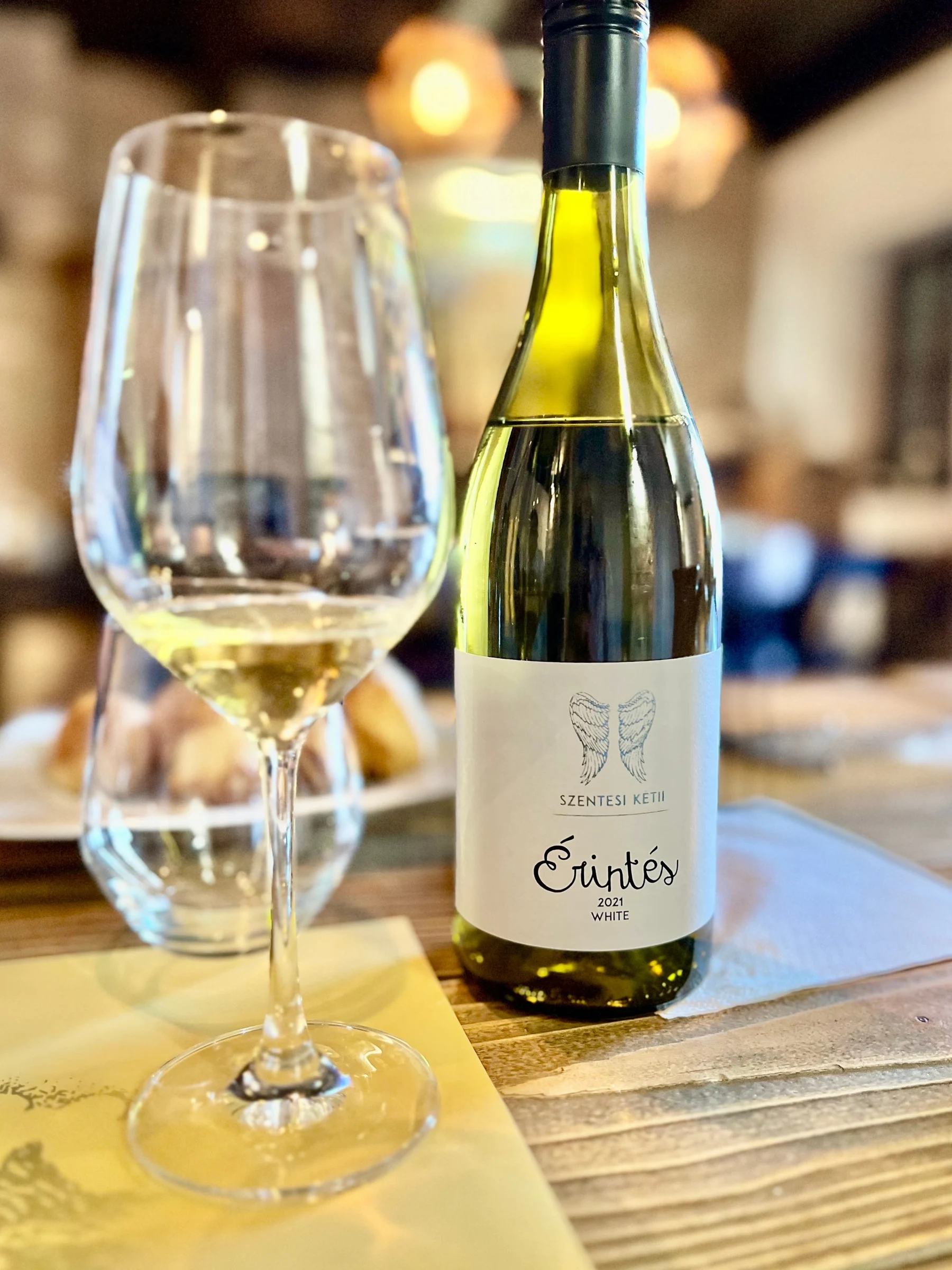
Szentesi works in a house framed by Budaörs and the suburban Budapest region, with a traditional cellar and a heritage-focused atmosphere rather than a polished stage. The winery identifies itself through still red and still white wines, and through a line of named bottles that keeps the maker’s hand visible: Érintés, Kétii Érintés, Tihanyi Kék, Laska, and Vörös Dinka. In 2013, Borászok Borásza gave formal recognition to that continuity. The award sits best as a date in the record, not as a decoration. The more telling discipline is the long stay at the same station, where repetition sharpens judgment without needing to announce itself.
A small family cellar with named wines
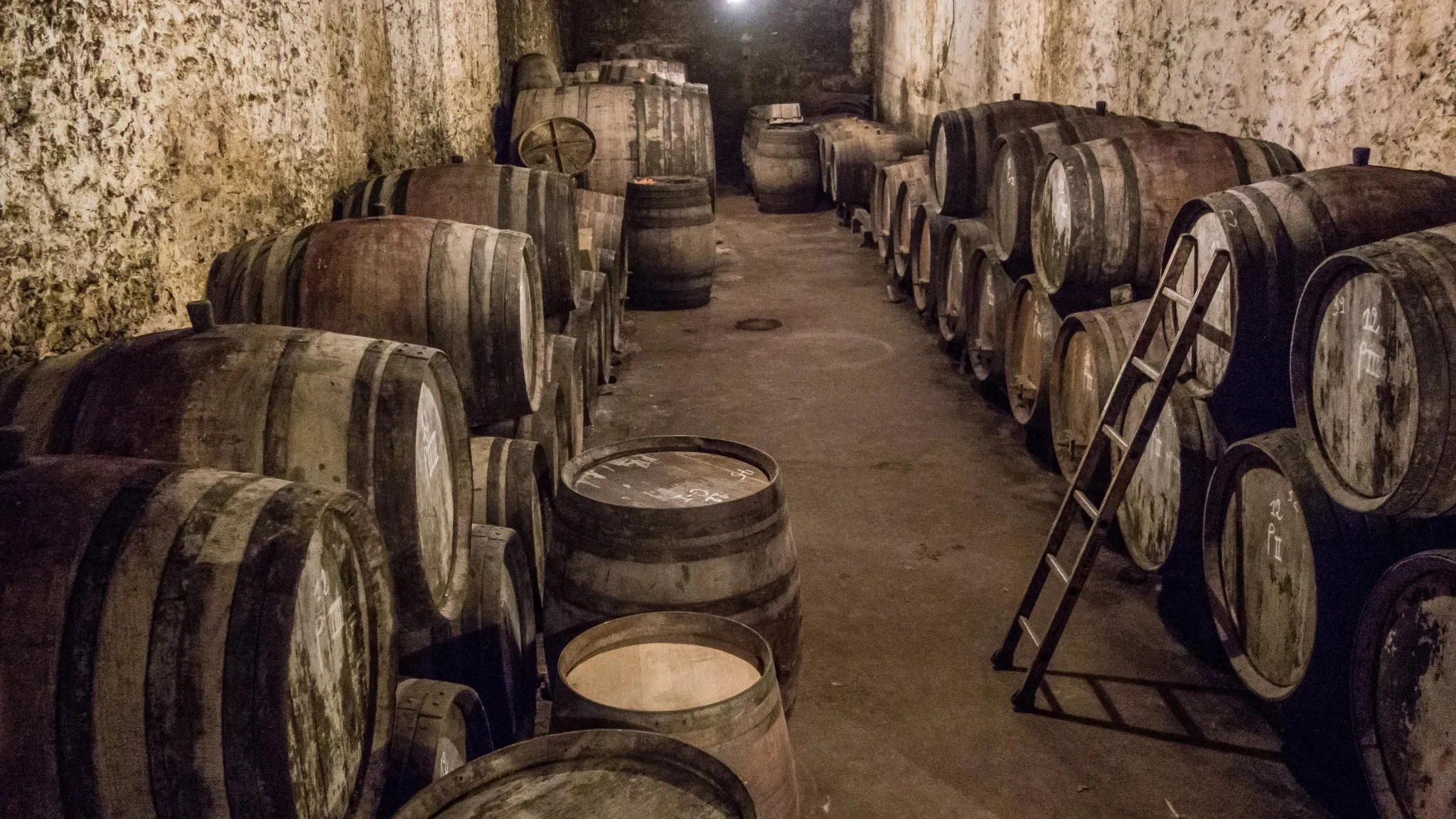
The house presents its scale plainly: a small family operation, working from a cellar and vineyard setting attached to Budaörs. Szentesi Pince does not publish the kind of technical protocol that would let a reader trace fermentation vessels, élevage, or vineyard parcels in detail. What can be named is the shape of the program. It is an estate tasting house for still wines, with the cellar as the working center and the bottle names carrying the identity of the bench.
Érintés and Kétii Érintés read as paired gestures in the line, while Tihanyi Kék, Laska, and Vörös Dinka point toward a practice interested in Hungarian names and inherited vocabulary. The wines are not described here through scores or comparative claims. They are better held as a compact working set, attached to one winemaker and one place. That restraint matters. In a small cellar, the program is not only a list of labels; it is the discipline of returning to the same decisions until the house voice becomes legible.
The room stays close to the work
The tasting room is intimate and conversational, the sort of room where the cellar does not disappear behind hospitality. The setting is rustic in the literal sense: vineyard grounds nearby, traditional cellar fabric, a warm house shaped by family history and local continuity. Nothing in that description asks for spectacle. It asks for attention to pace.
Szentesi’s own sentence about wine places the glass under a walnut tree in summer and by a fireplace in winter, with friends in both seasons. The line matters because it keeps the craft in use. Wine leaves the bench for a table, a shaded tree, a room with heat in it. At Szentesi Pince, the close view is still the most durable one: a small cellar in Budaörs, a winemaker in post since 1998, and a bottle of Vörös Dinka.
Questions
Frequently asked
Who is behind Szentesi Pince?
Szentesi József is the winemaker behind Szentesi Pince, and he has worked from the Budaörs cellar since 1998.
What kind of wines does the winery make?
Szentesi Pince identifies itself through still red and still white wines, with named bottles including Érintés, Kétii Érintés, Tihanyi Kék, Laska, and Vörös Dinka.
Has Szentesi Pince received any recognition?
The winery received formal recognition from Borászok Borásza in 2013.
What is the visit like there?
The setting is described as a small family cellar with a traditional, rustic feel and an intimate tasting room. Reservations are recommended, the dress code is casual, and street parking is available.
The field
How it compares
| Place | Notes | Awards |
|---|---|---|
| Szentesi Pince | Budaörs, $$ | · |
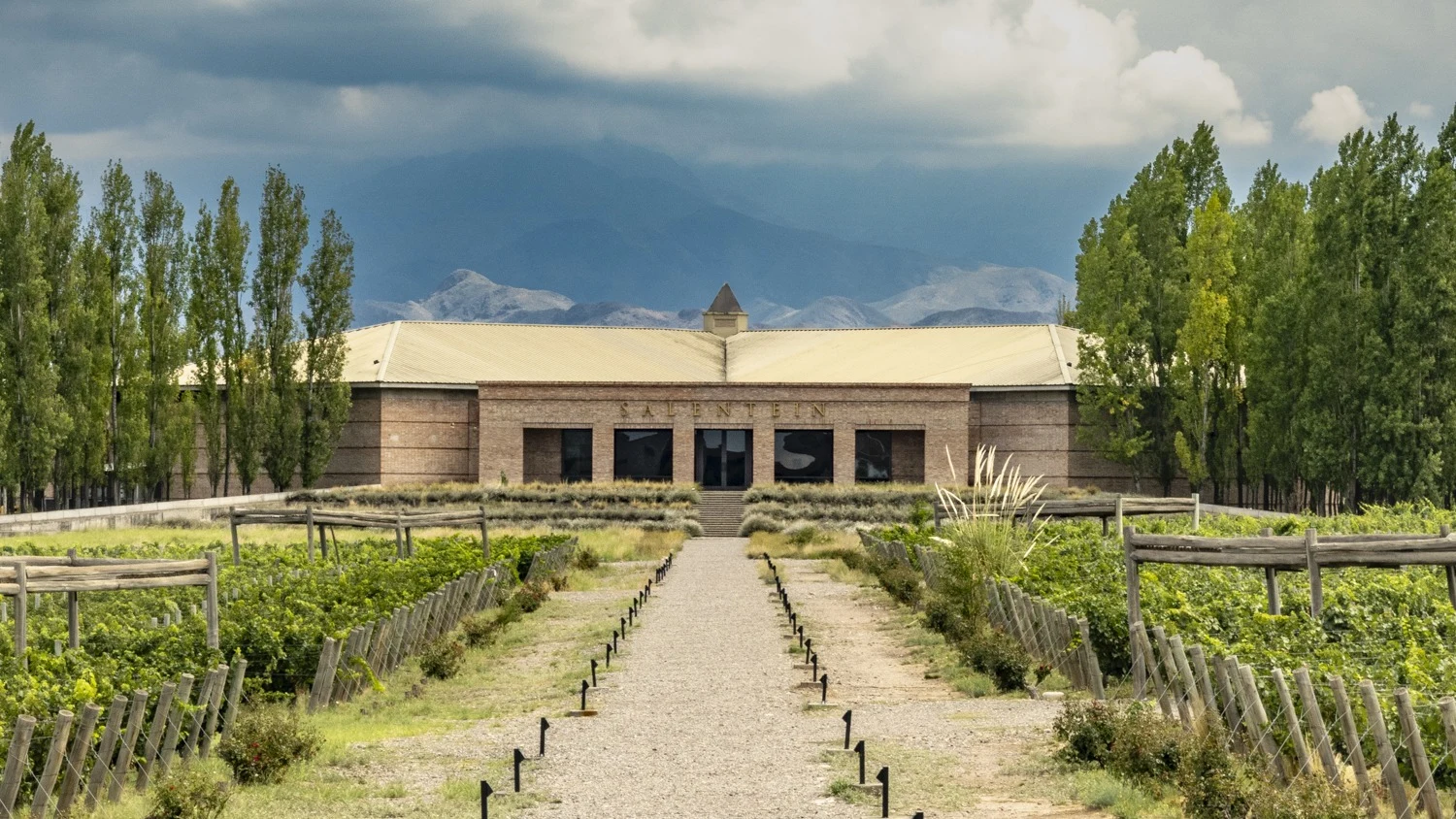
| Bodegas Salentein | Tunuyán | World's 50 Best |
| Château Cheval Blanc | Saint-Émilion | · |
| Chateau Petrus | Pomerol | · |
| Château Rayas | Châteauneuf-du-Pape | · |
| Domaine Hubert Lamy | Saint-Aubin | · |
| Krug | Reims | · |