Sushidokoro Tada
- 01CuisineEdomae Omakase Sushi
- 02CityOsaka, Japan
Warm rice at an eight-seat counter
- Tabelog Bronze #441: 3.9pts · 2026
- Tabelog Bronze · 2025
- Tabelog 100 #14: 3.9pts · 2025
- Opinionated About Dining Top Restaurants in Japan Recommended · 2023
Rice held warm for the first piece
The rice reaches the counter warm, set against chilled seafood. Chef Tada works inside that narrow interval at Sushidokoro Tada in Kitashinchi, Osaka, where seasoning, pressure, and timing decide whether the piece lands cleanly. He trained first at long-established houses in Kitashinchi, then spent several years refining the craft at sushi establishments in Tokyo before returning to his hometown. The line is direct: one craft, one counter discipline, repeated until the hands know what the mind has already chosen.
The restaurant opened on 7 May 2001, on the fourth floor of the Eiraku Linden Building at 1-5-26 Sonezaki Shinchi in Kita-ku, with an omakase format that keeps chef and guest close to the same sequence of decisions. Eight counter seats set the scale, and the founding vision is stated plainly: heartfelt, personalised sushi that balances Edomae preparation, careful pressing, glazing and temperature contrast, against the nuance of Kansai seasoning, particularly in the rice’s subtle acidity and texture. Tranquility, sincerity and direct interaction across the counter are the terms the room sets for itself.
Edomae pressure with Kansai acidity
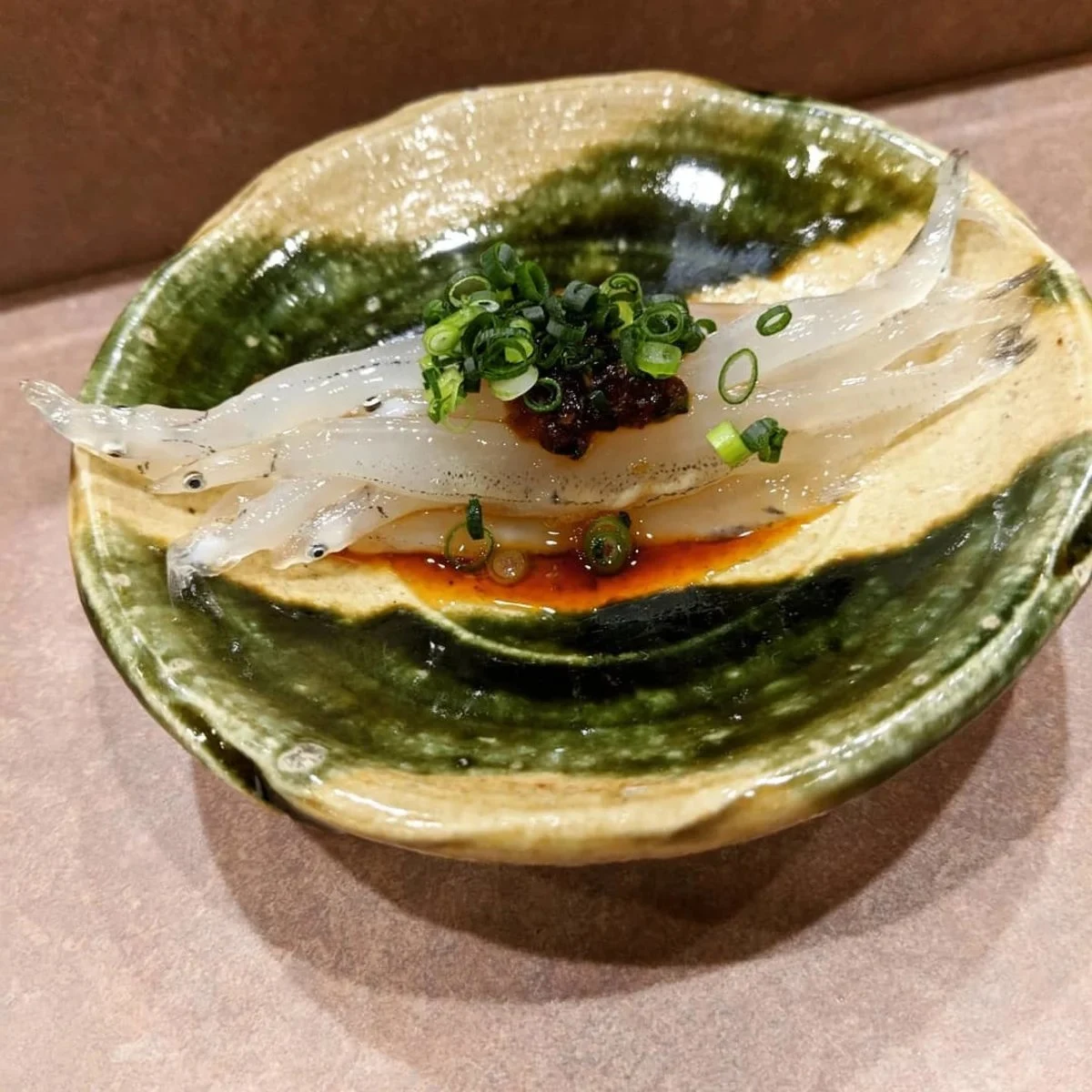
The meal moves by progression, not by choice from a card. Sashimi and small preparations open the pass, then nigiri begins to tighten the focus: fish pressed to the rice, soy brushed with restraint, temperature set so chilled seafood and warm shari meet without one flattening the other. The kitchen draws seasonal ingredients from across Japan, with sawara, red clam, sardines, and regional crabs appearing in accounts of the restaurant’s market work. The course often closes around rice again, including bowls that place sea urchin and salmon roe over seasoned grains.
There are named details here that matter because they are practical. Chutoro is pressed for density before it is glazed. Salmon has been noted with a tender, springing texture against slightly sour rice. Crab changes its character by season and region, from Shibayama to Koubako to seko. The sequence has been shown running beyond 20 courses, with onimozuku, bonito sashimi, eel kushiyaki, grilled hairtail, octopus, blackthroat seaperch, grouper, pickled tuna, horse mackerel, squid, boiled clam, conger eel, omelet, and strawberry all appearing in one filmed sitting. The point is not abundance. It is pacing, each piece placed where the next taste can answer it.
An eight-seat room in Kitashinchi
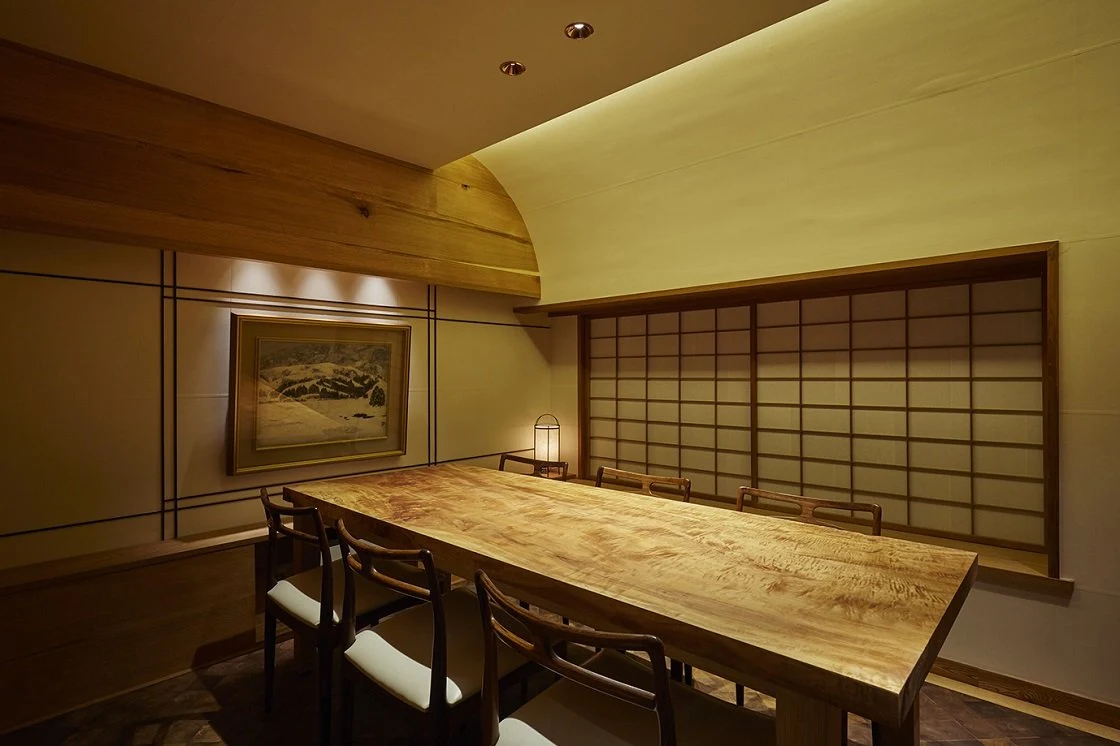
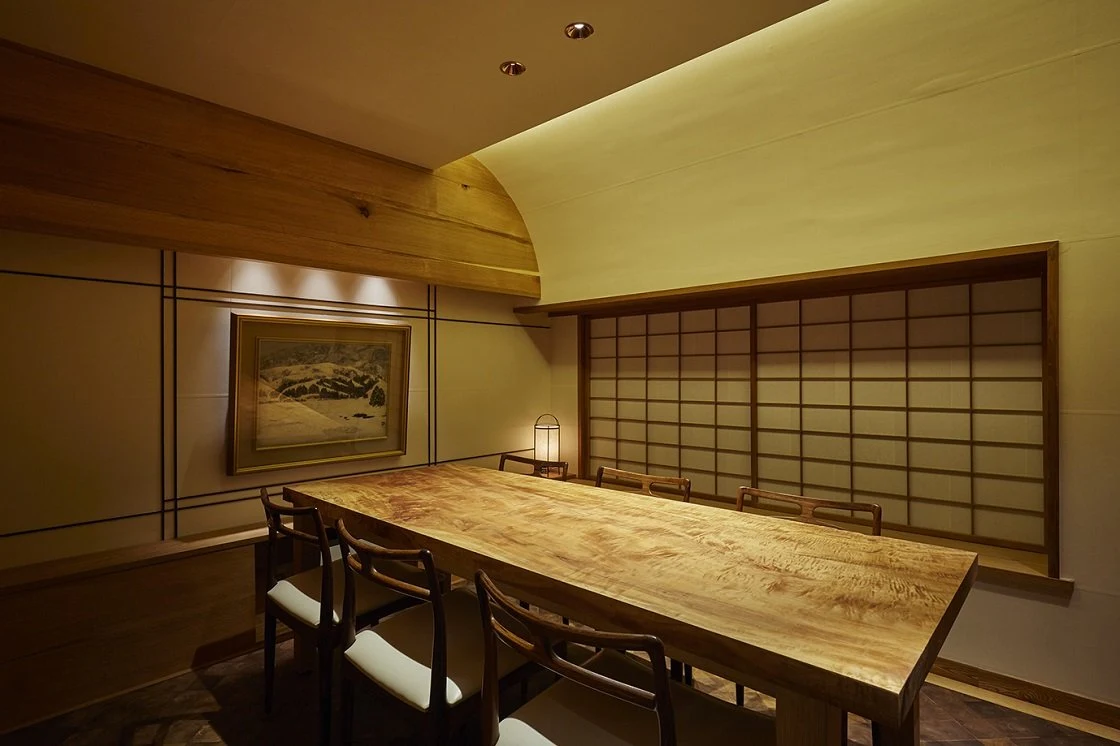
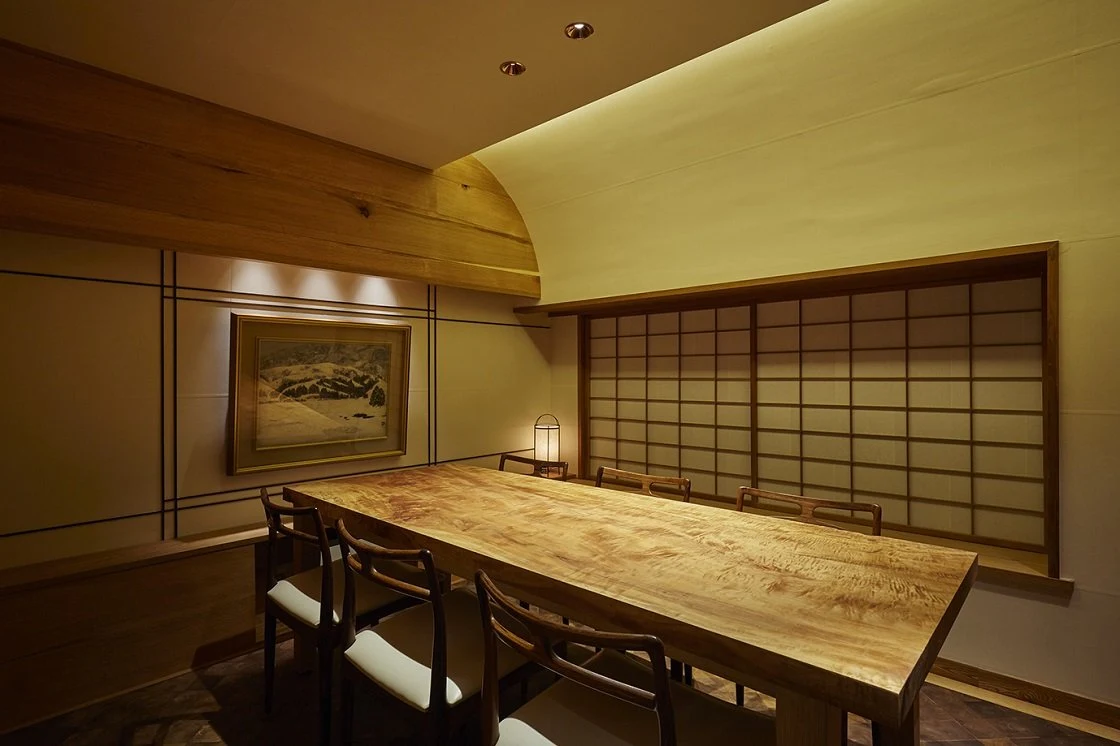
The room keeps the craft close. Sushidokoro Tada is an 8-seat counter, quiet by design, with the atmosphere turned toward the bench rather than the room around it. Kitashinchi can be loud with after-work dining and late-night movement, yet this fourth-floor counter narrows attention to the board, the rice tub, the brush, the plate, and the exchange across the pass. The format leaves little distance between a cut and its consequence.
That intimacy shapes the service as much as the food. The chef can pace a sequence to the guest without losing the line from opener to nigiri to final bowl. Conversation stays close to the work: what arrived from the market, how the rice is tasting, why a fish wants pressure or almost none. Sake sits naturally beside that rhythm, chosen to support the salt, fat, vinegar, and temperature already moving across the counter. The room does not need a wide stage. Eight seats are enough for chutoro, seko crab, and the warm rice at Sushidokoro Tada.
Questions
Frequently asked
What kind of sushi place is Sushidokoro Tada?
Sushidokoro Tada is an eight-seat Edomae omakase sushi restaurant in Kitashinchi, Osaka, built around chef-led progression rather than a menu of choices.
Who is behind the counter at Sushidokoro Tada?
Chef Tada runs the counter. He trained first at long-established houses in Kitashinchi, then spent several years refining his craft at sushi establishments in Tokyo before returning to his hometown.
What is the style of the meal here?
The meal moves through omakase courses that begin with sashimi and small preparations before moving into nigiri, with warm rice, restrained seasoning, and temperature contrast playing a central role.
What should a guest know before booking?
Sushidokoro Tada takes appointments only, and the dress code is smart casual.
Where is Sushidokoro Tada located?
The restaurant is on the fourth floor of the Eiraku Linden Building at 1-5-26 Sonezaki Shinchi, Kita Ward, Osaka.
The field
How it compares
| Place | Cuisine | Notes | Awards |
|---|---|---|---|
| Sushidokoro Tada | Edomae Omakase Sushi | Kita, $$$$ | · |
| HAJIME | Avant-Garde Japanese Fine Dining | Osaka | Michelin 3 Stars, World's 50 Best |
| Honkogetsu | Traditional Kaiseki | Osaka | · |
| La Cime | Modern French with Japanese Ingredients | Osaka | Michelin 2 Stars, World's 50 Best |
| Numata | Michelin-Starred Tempura Omakase | Osaka | Michelin 2 Stars |
| Sushi Sanshin | Edomae Omakase Sushi | Osaka | Michelin 1 Star |
| Taian | Traditional Japanese Kaiseki Omakase | Osaka | Michelin 3 Stars |
Similar places
Avant-Garde Japanese Fine Dining
HAJIME
Osaka, Japan
★★★ · 50 Best
Traditional Kaiseki
Honkogetsu
Osaka, Japan
Modern French with Japanese Ingredients
La Cime
Osaka, Japan
★★ · 50 Best
Michelin-Starred Tempura Omakase
Numata
Osaka, Japan
★★
Edomae Omakase Sushi
Sushi Sanshin
Osaka, Japan
★
Traditional Japanese Kaiseki Omakase
Taian
Osaka, Japan
★★★