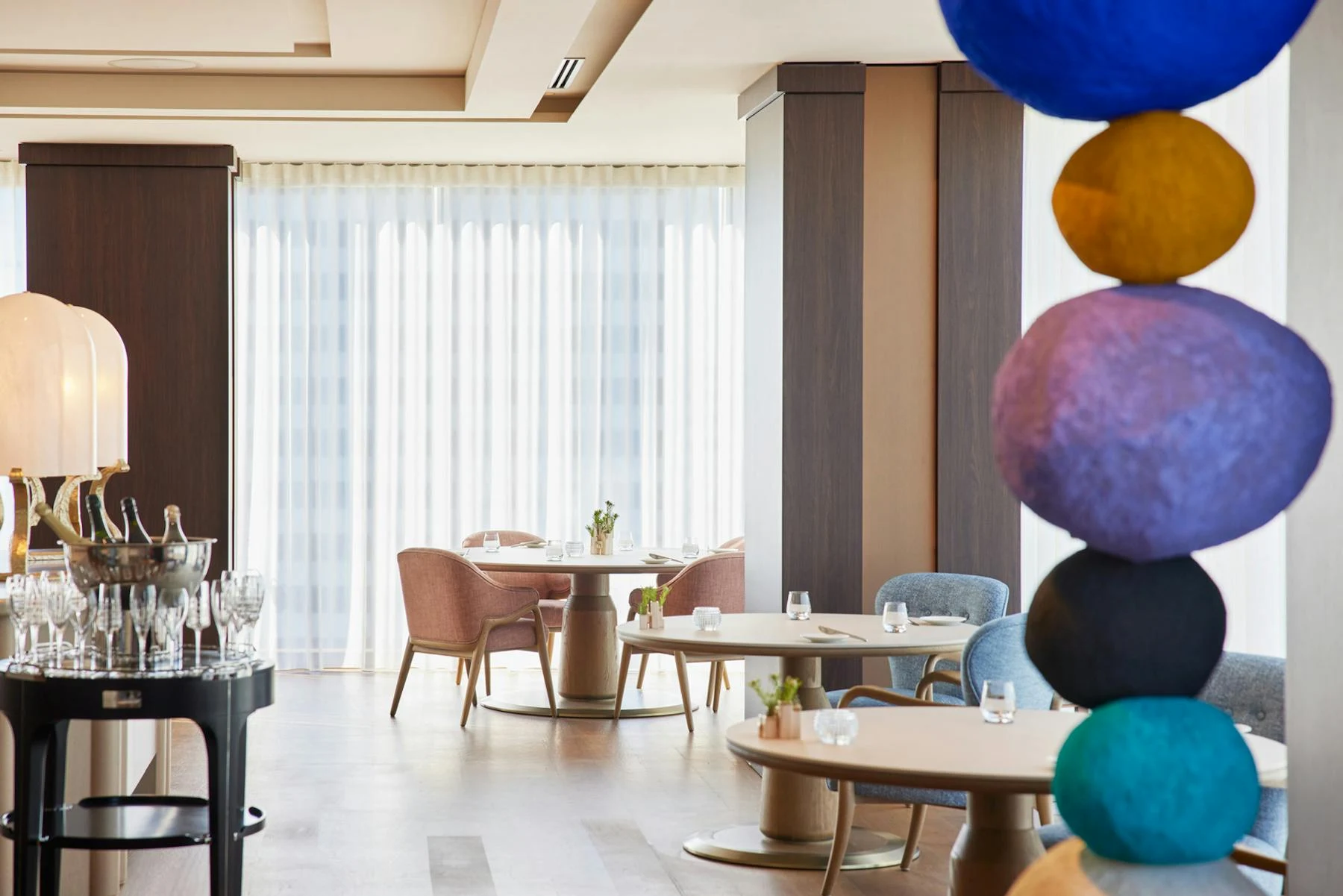
Tapas Molecular Bar
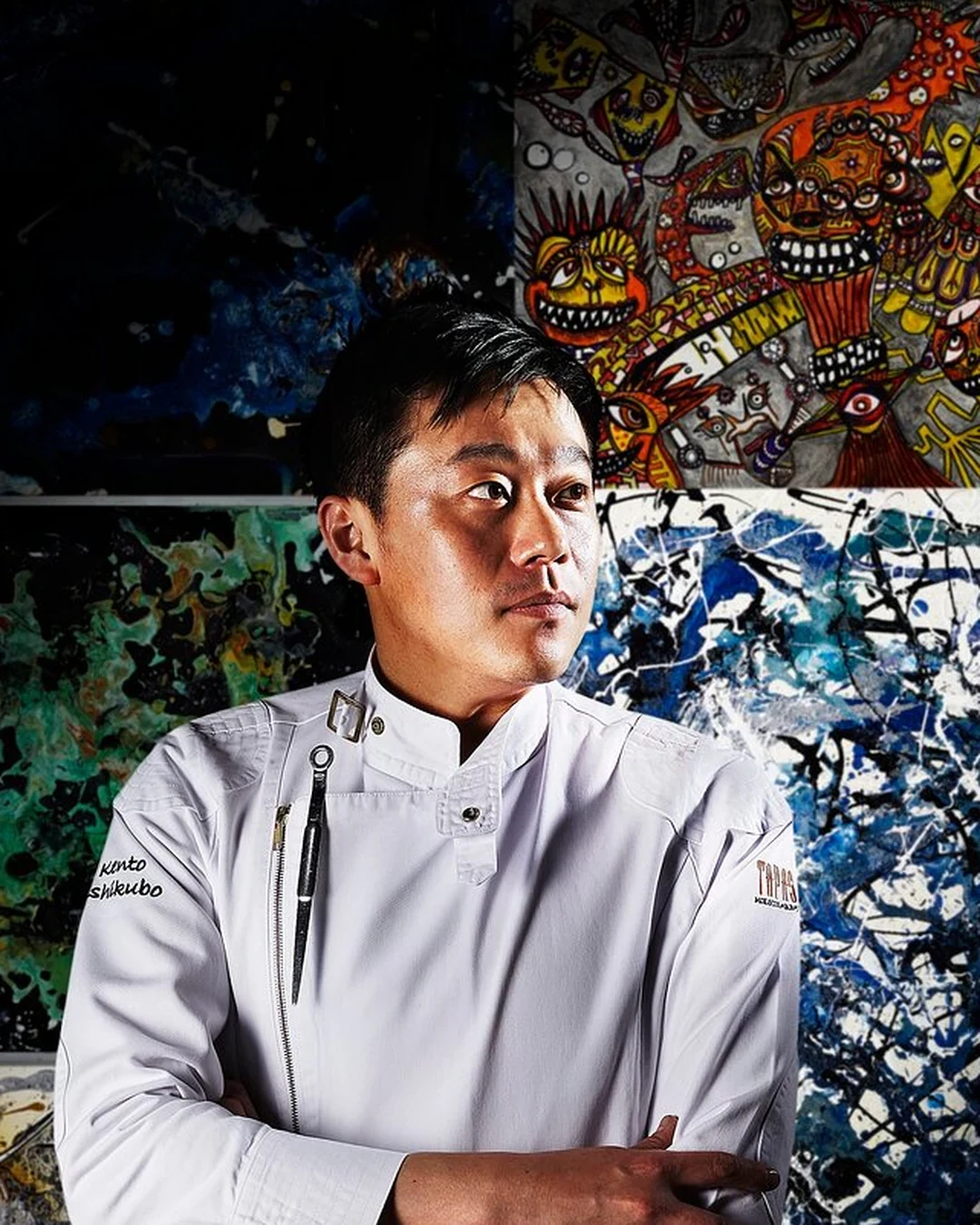
In Residence
Kento Ushikubo
Chef
- 01CuisineMolecular Fusion Tasting
- 02CityTokyo, Japan
- Opinionated About Dining Top Restaurants in Japan Recommended · 2026
- Tabelog 100 #79: 3.6pts · 2025
- Opinionated About Dining Top Restaurants in Japan Ranked #400 · 2025
- Opinionated About Dining Top Restaurants in Japan Ranked #387 · 2024
- Opinionated About Dining Top Restaurants in Japan Recommended · 2023
If There Is One Counter in Tokyo That Rewards Full Attention, This Is It
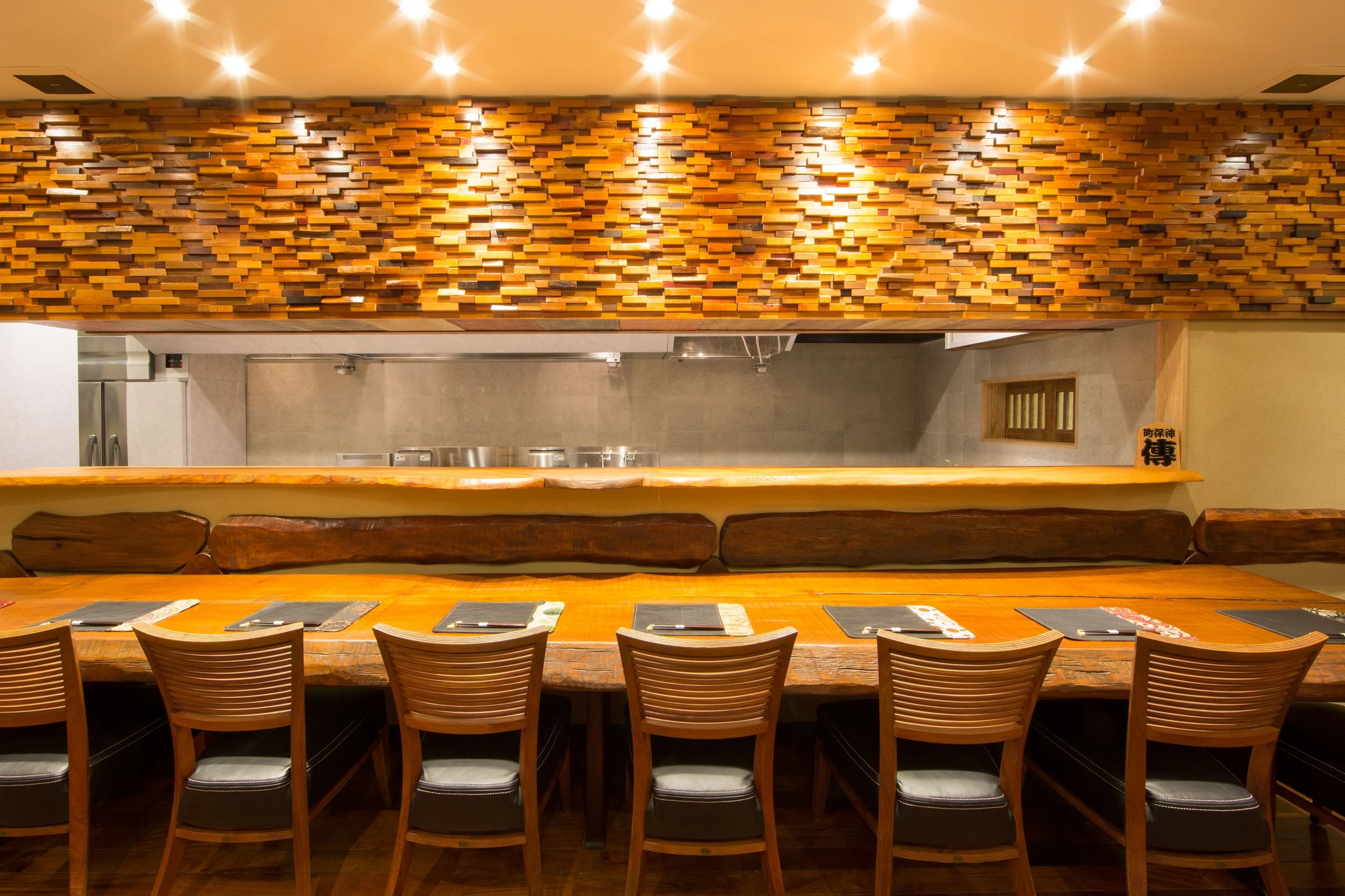
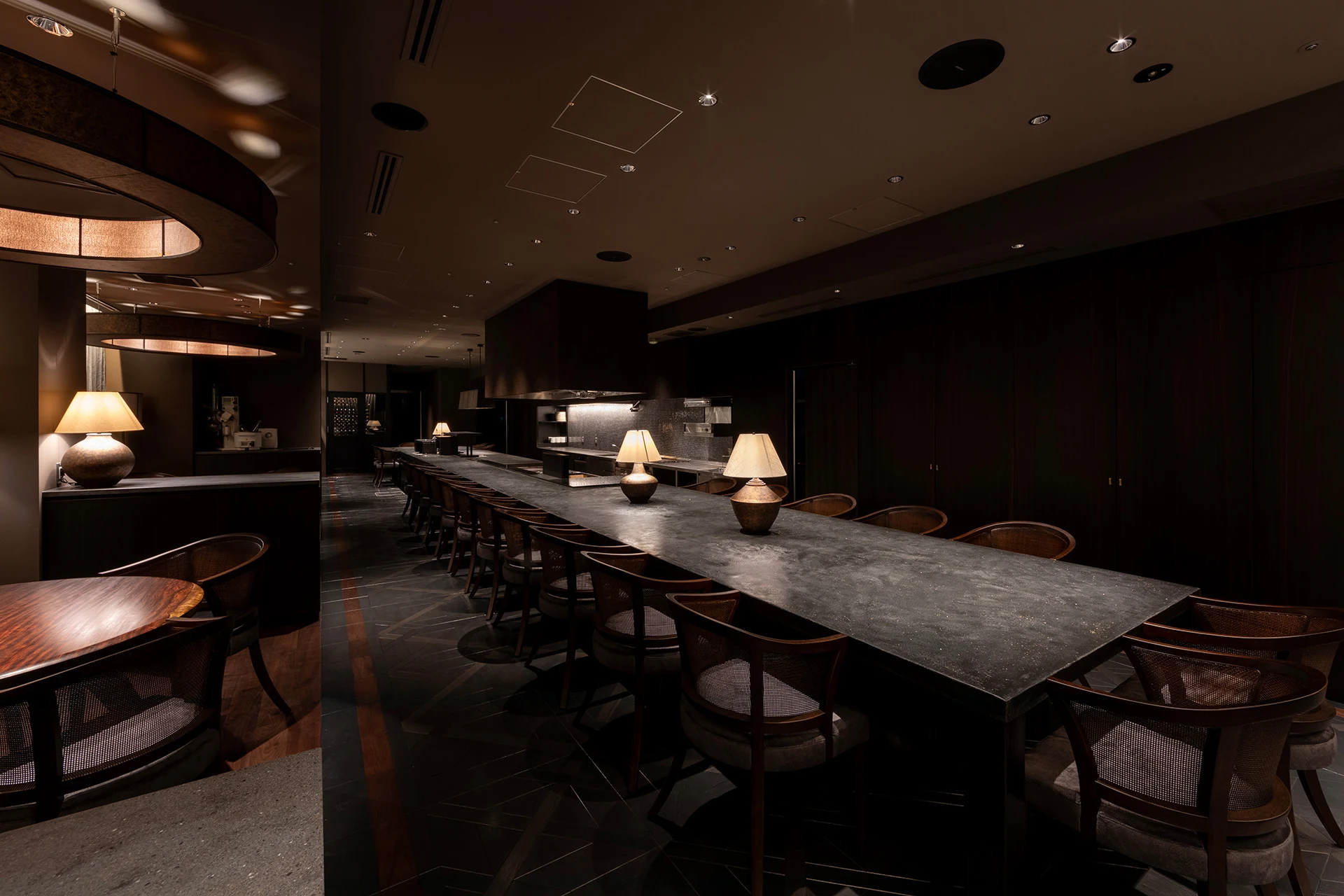
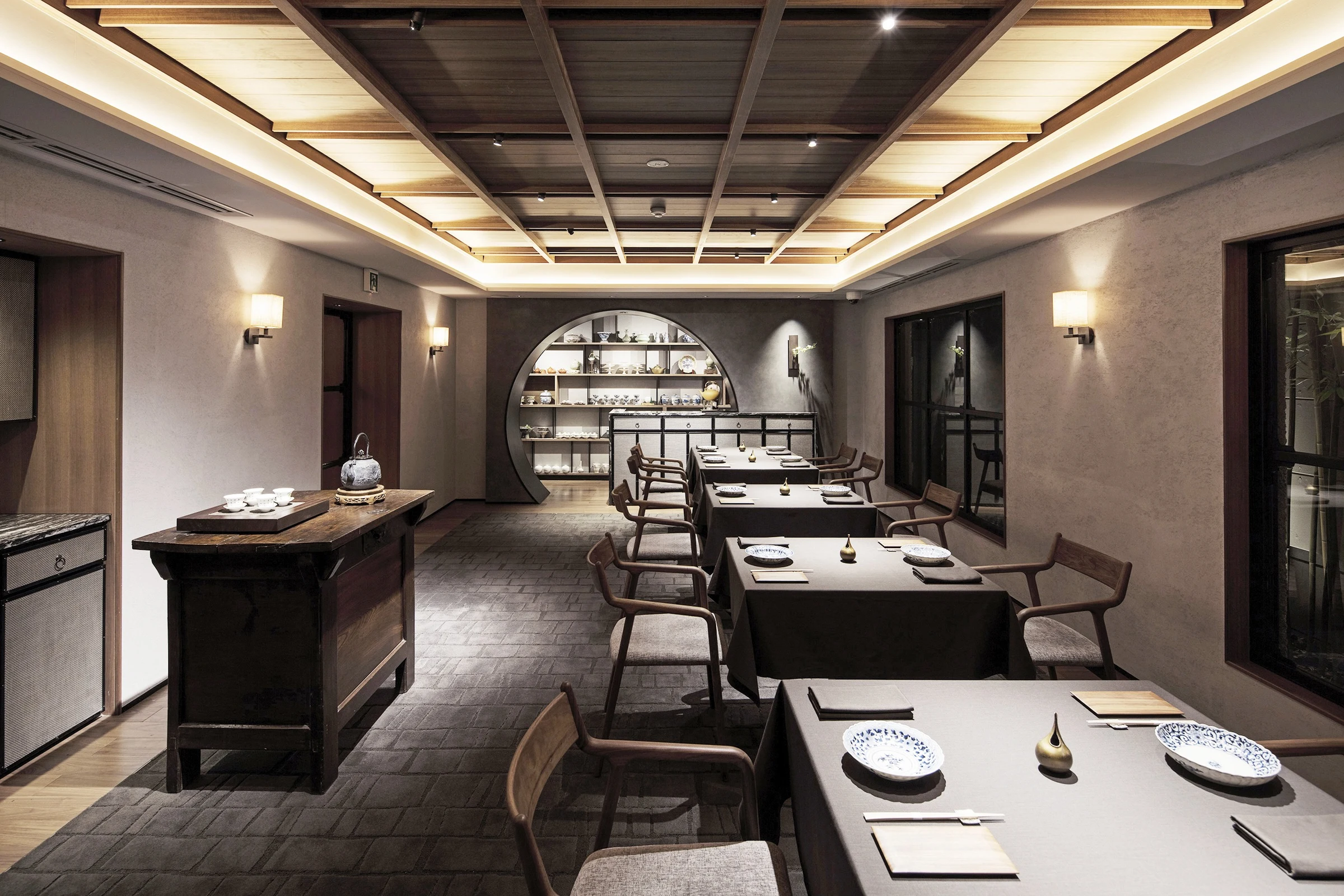
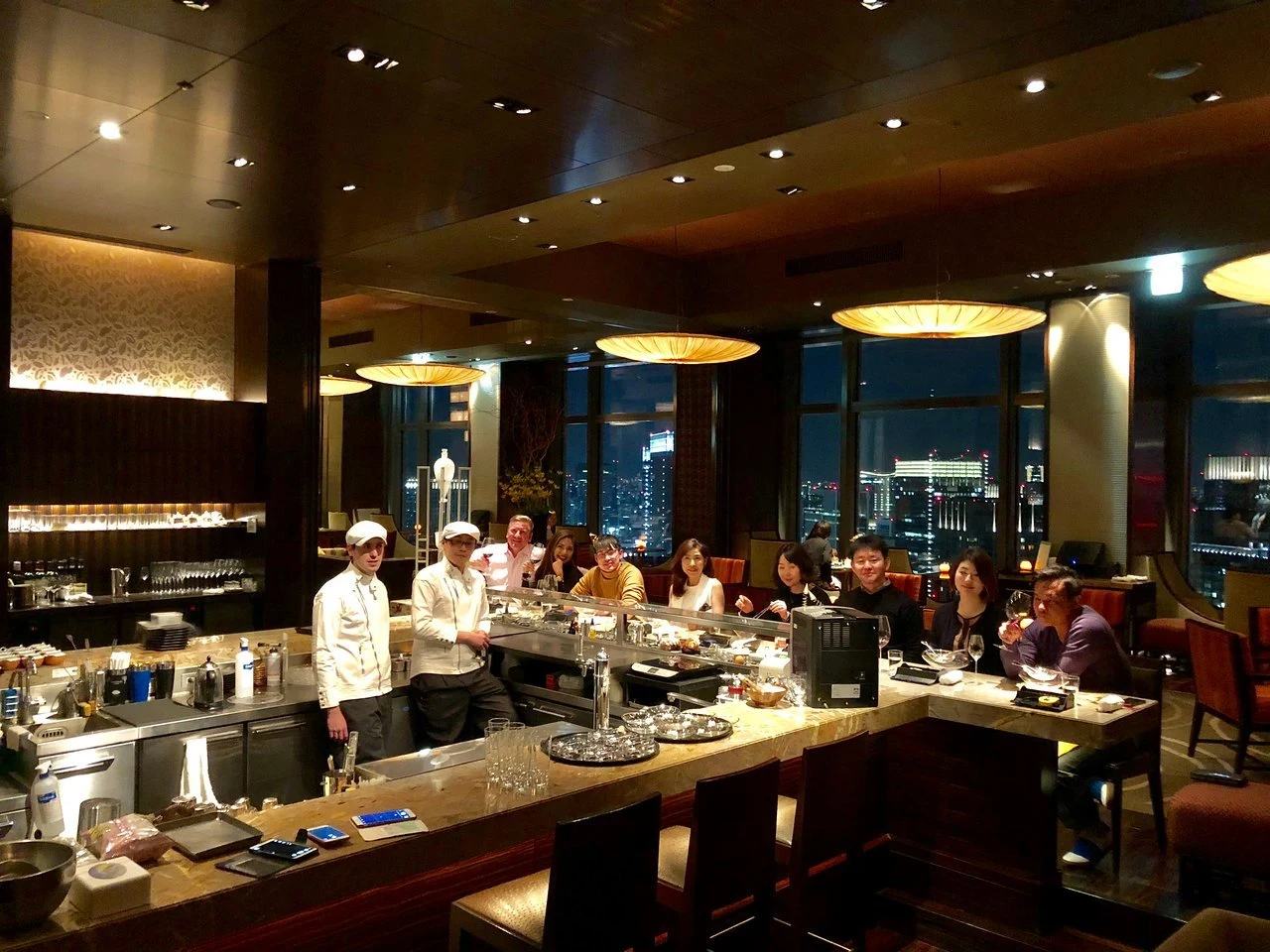
Tokyo's dining circuit rewards specialisation above almost everything else. The city has built its reputation on venues that commit absolutely to a format, the sushi counter that ages fish to the hour, the kaiseki kitchen that changes its menu with each week of the agricultural calendar, and then executes that format with a consistency that accumulates into institutional status. Tapas Molecular Bar is a Tokyo restaurant in Nihonbashi, Chuo City, serving Molecular Fusion Tasting at about $195 per person. It belongs to a smaller and more particular category: the precision-driven inventive counter, where the techniques themselves are as much the subject as the ingredients. In a city where the Michelin guide and the full Tokyo restaurant scene offer every possible format at every price tier, the molecular counter is rare enough to function almost as its own genre.
What the Recognition Record Actually Signals
Critical recognition in Japan's fine dining tier tends to follow a slow, incremental logic. Opinionated About Dining, which aggregates recommendations from a community of highly engaged diners rather than anonymous inspectors, ranked Tapas Molecular Bar at #387 in Japan for 2024, then moved it to #400 in 2025, a modest positional shift that tells a more interesting story when read alongside the underlying trajectory. The venue earned a straight Recommended entry in 2023, moved to a ranked position in 2024, and held in the top 400 in 2025 out of a field that covers the full breadth of Japan's serious dining inventory. That field includes three-Michelin-starred kaiseki houses, decade-old sushi institutions, and internationally decorated French kitchens. Holding a ranked position in that company, let alone maintaining it across two consecutive years, indicates a consistent delivery that sustains repeat engagement from the kind of diner whose opinion moves the OAD rankings.
To place that in context: RyuGin, one of Tokyo's most decorated kaiseki addresses, and Harutaka, a reference-point omakase counter in Ginza, both operate in the top tier of the same ranking system. The inventive counter format at Tapas Molecular Bar competes for the same informed diner's attention as those more categorically dominant formats. The fact that it does so from a different neighbourhood, Nihonbashi rather than Ginza or Minami-Aoyama, reflects something about the venue's positioning: it draws on destination appeal rather than proximity to Tokyo's most densely competitive restaurant corridors.
The Format and Why It Matters
The molecular or inventive counter format sits at an intersection that is genuinely difficult to execute well. It requires the technical scaffolding of a laboratory kitchen, precise temperature control, manipulation of texture and state, a command of contemporary food science, alongside the hospitality rhythm of an intimate counter service. At venues that get the balance wrong, technique becomes spectacle for its own sake, and the food retreats behind the performance. The counters that sustain critical attention over multiple years, as Tapas Molecular Bar has done, tend to be those where the technique serves the flavour logic rather than replacing it.
This is the same tension that defines the inventive tier across multiple cities. L'Effervescence and Sézanne approach it from a French-trained sensibility, where invention operates within a flavour architecture inherited from classical technique. Crony applies a different register. The molecular format at Tapas Molecular Bar approaches invention from a position that is neither classically French nor traditionally Japanese, which is precisely what makes it a distinct data point in any honest mapping of what Tokyo's inventive tier actually contains.
Chef Kento Ushikubo leads the kitchen. The relevant detail here is not biographical but positional: operating under the molecular format at a venue that has drawn sustained OAD recognition requires a consistency of technical and creative output that is difficult to maintain. The Google review score of 4.6 across 336 responses adds a second data layer.
Nihonbashi as Context
The venue's address, 2 Chome-1-1 Nihonbashimuromachi, places it in one of Tokyo's older commercial and cultural zones, a neighbourhood that predates the modern city's restaurant geography by several centuries. Nihonbashi carries associations with Edo-period merchant culture and early Meiji commerce; it is not where the city's newest openings typically land, and it is not a neighbourhood that casual visitors tend to prioritise for dining. That relative remove from the trendier corridors of Minami-Aoyama or Nishi-Azabu means that the venue draws a more purposeful dining audience, those who have looked it up, booked in advance, and arrived specifically for this format. That self-selecting audience dynamic tends to benefit both the experience at the table and the quality of feedback that accumulates in places like OAD.
For those building a broader Japan itinerary, the inventive tier extends well beyond Tokyo. HAJIME in Osaka and Gion Sasaki in Kyoto represent different approaches to the intersection of precision and tradition in Japanese fine dining. akordu in Nara, Goh in Fukuoka, 1000 in Yokohama, and 6 in Okinawa each add regional inflections to a national dining picture that resists easy summary. For comparative international reference, Le Bernardin in New York City and Atomix in New York City occupy the inventive-precision tier in a different metropolitan context, and the comparison clarifies what makes Tokyo's version of this format distinctive in its restraint and its relationship to ingredient primacy.
Planning the Visit
The kitchen operates Wednesday through Sunday, from 6 pm with last seating at 10:30 pm. Monday and Tuesday are dark. For those pairing the meal with broader Tokyo exploration, the Tokyo hotels guide, bars guide, and experiences guide map the surrounding options, and the Tokyo wineries guide covers the natural wine and sake venues that have grown alongside the serious dining tier in recent years. Reservations are essential.
Questions
Frequently asked
Who works at Tapas Molecular Bar?
Made By profiles Kento Ushikubo (Chef) at Tapas Molecular Bar.
How expensive is Tapas Molecular Bar?
Tapas Molecular Bar is listed at a price level of $$$$.
Where is Tapas Molecular Bar and what does it serve?
Tapas Molecular Bar is in Chūō, Tokyo, serving Molecular Fusion Tasting.
The field
How it compares
| Place | Cuisine | Notes | Awards |
|---|---|---|---|
| Tapas Molecular Bar | Molecular Fusion Tasting | Chūō, $$$$ | · |
| Den | Modern Japanese Kaiseki | Tokyo | Michelin 2 Stars, World's 50 Best |
| Florilège | Modern French-Japanese Plant-Based Fine Dining | Tokyo | Michelin 2 Stars, World's 50 Best |
| Narisawa | Modern Japanese Satoyama Fine Dining | Tokyo | Michelin 2 Stars, World's 50 Best |
| Quintessence | Modern French Fine Dining | Tokyo | Michelin 3 Stars |
| Sazenka | Modern Chinese Fine Dining | Tokyo | Michelin 3 Stars, World's 50 Best |
| Sézanne | Modern French Fine Dining | Tokyo | Michelin 3 Stars, World's 50 Best |
In residence
Similar places
Modern Japanese Kaiseki
Den
Tokyo, Japan
★★ · 50 Best
Modern French-Japanese Plant-Based Fine Dining
Florilège
Tokyo, Japan
★★ · 50 Best
Modern Japanese Satoyama Fine Dining
Narisawa
Tokyo, Japan
★★ · 50 Best
Modern French Fine Dining
Quintessence
Tokyo, Japan
★★★
Modern Chinese Fine Dining
Sazenka
Tokyo, Japan
★★★ · 50 Best
Modern French Fine Dining
Sézanne
Tokyo, Japan
★★★ · 50 Best