Made ByRestaurant
The Lodge at Glendorn
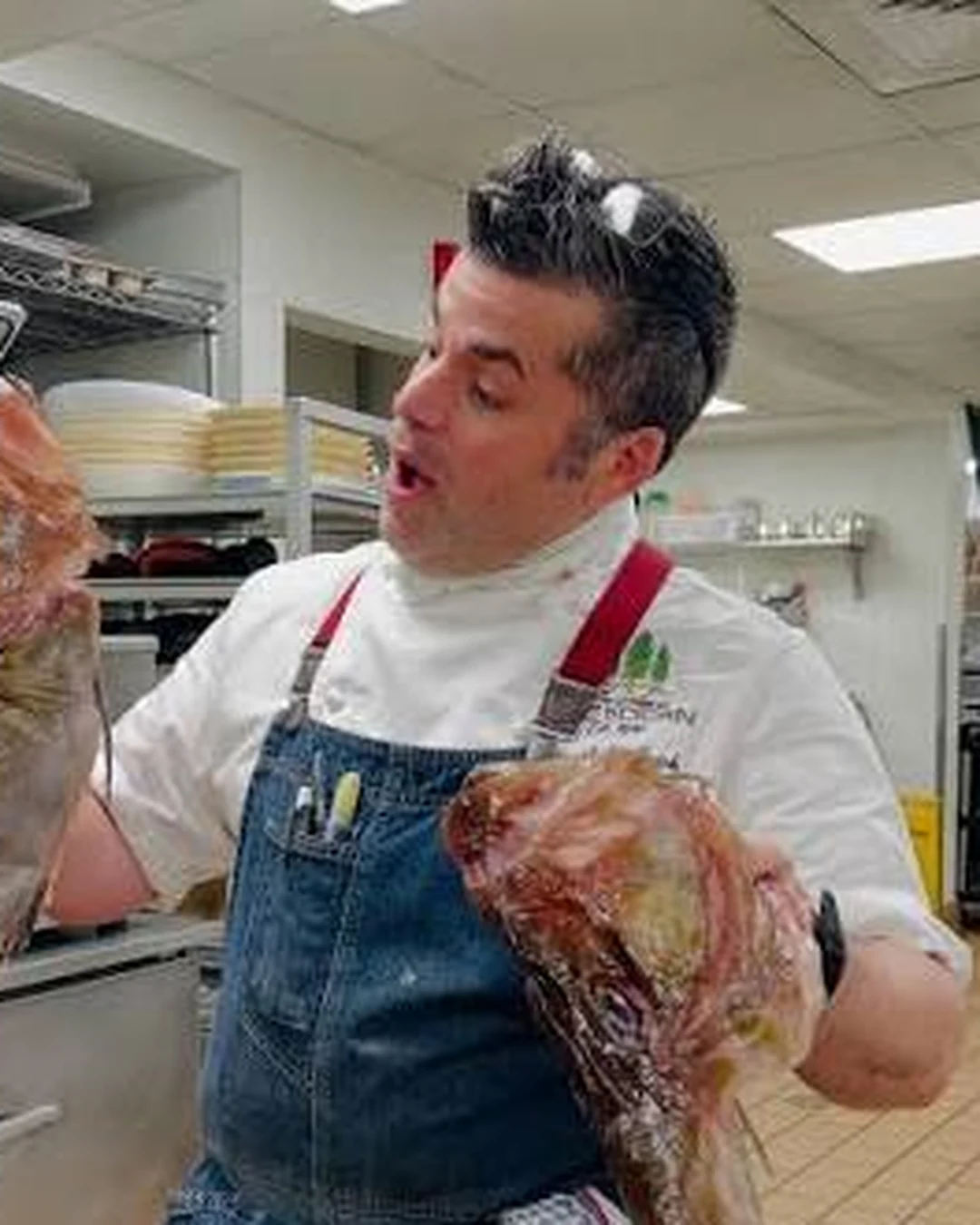
Chef in Residence
David S. Haick
Chef
- 01CuisineRustic Fine Dining
- 02CityBradford, United States
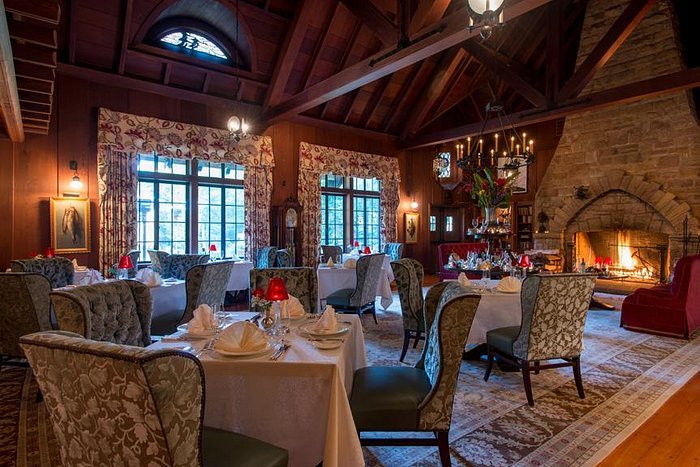
Set on a 1,500-acre private estate bordering Allegheny National Forest, The Lodge at Glendorn operates in a tier of American country hospitality where the land itself sets the culinary agenda. Chef David S. Haick leads a kitchen rooted in regional sourcing, and the property earns a 4.8/5 member rating across 82 reviews. Fly-fishing, ice-fishing, and deep forest access frame a stay that runs well beyond the dining room.
At a glance
- Cuisine
- Rustic Fine Dining
- Price
- $$$$
- Neighborhood
- Bradford
- Rating
- 4.8 (91)
<h2>Forest, Land, and the Case for Cooking Where You Are</h2><p>The approach to Glendorn tells you something before you reach the door. A 1,500-acre private estate along the edge of Allegheny National Forest in northwestern Pennsylvania is not a neutral backdrop for a meal: it is a direct argument about what American country cooking should be. The dense second-growth forest, the cold-water streams that thread through the property, and the relative remove from any urban supply chain force a certain culinary honesty. What grows, swims, and forages here either finds its way to the table or it doesn't. That pressure, applied consistently, produces a kitchen that reads as a product of its place rather than a projection of trends arriving from elsewhere.</p><p>This is a category of property that has become harder to find in the continental United States. The large resort model, dominant since the mid-twentieth century, tends to flatten regional character in favor of consistent, scalable comfort. Glendorn sits in a different tradition: the private wilderness lodge, where the ratio of land to guests is weighted heavily toward land, and where the surrounding ecosystem functions as both amenity and source material. <a href="https://www.enprimeurclub.com/restaurants/blue-hill-at-stone-barns-tarrytown-restaurant">Blue Hill at Stone Barns in Tarrytown</a> made that argument loudly within the fine-dining establishment; Glendorn makes a quieter version of it in the Pennsylvania highlands, where the audience is smaller and the forest considerably larger.</p><h2>The Farm-to-Table Argument at Altitude</h2><p>American farm-to-table cooking has cycled through several phases since its California origins in the 1970s. The early idealism gave way to a period of branding, where the phrase appeared on menus regardless of whether sourcing relationships existed. The more credible version of the movement now shows up in places where geography enforces commitment: coastal Maine, the Finger Lakes, the Ozark hills, and the Allegheny corridor that runs through northwestern Pennsylvania. At properties like Glendorn, the distance from urban distribution centers is not a liability but a filter. Suppliers who can reach a 1,500-acre estate outside Bradford, Pennsylvania, tend to be small, local, and working within their own seasonal constraints.</p><p>Chef David S. Haick operates within that context. The cuisine classification is American Country, which in practice means a cooking style calibrated to what the surrounding region can produce across the seasons rather than one that imports its culinary identity wholesale from a coastal canon. In this, Glendorn occupies a peer position closer to <a href="https://www.enprimeurclub.com/restaurants/single-thread">Single Thread Farm in Healdsburg</a> or <a href="https://www.enprimeurclub.com/restaurants/the-inn-at-little-washington-washington-restaurant">The Inn at Little Washington</a> than to technically driven urban tasting-menu formats like <a href="https://www.enprimeurclub.com/restaurants/alinea">Alinea in Chicago</a> or <a href="https://www.enprimeurclub.com/restaurants/atomix">Atomix in New York City</a>. The reference points are the land and the season, not the laboratory.</p><p>The Allegheny National Forest itself spans more than 500,000 acres of public land, and Glendorn's private estate sits at its southern edge. That geography introduces a foraging and fishing dimension that few farm-to-table operations in the eastern United States can replicate at scale. Fly-fishing on private water is a documented feature of the property, and cold-water streams in this part of Pennsylvania carry native brook trout alongside stocked populations. Ice-fishing extends the activity calendar into winter months when the kitchen's sourcing palette shifts accordingly. The relationship between what guests pull from the water and what arrives at the table is the kind of direct-line sourcing that the farm-to-table movement has always aspired to but rarely achieves cleanly.</p><h2>Where This Sits in the American Lodge Category</h2><p>The private wilderness lodge occupies a specific niche in American hospitality. It is not a dude ranch, not a spa retreat, and not an adventure outfitter with beds. It is a property where the ratio of land to infrastructure tips decisively toward land, where the physical environment is the primary draw, and where cuisine, service, and amenities exist in service of that environment rather than as a substitute for it. Within the American Northeast and Mid-Atlantic, very few properties operate at this scale on private land adjacent to a national forest. The competitive set is thin and geographically dispersed.</p><p>For guests accustomed to benchmark dining at places like <a href="https://www.enprimeurclub.com/restaurants/the-french-laundry">The French Laundry in Napa</a>, <a href="https://www.enprimeurclub.com/restaurants/le-bernardin">Le Bernardin in New York City</a>, or <a href="https://www.enprimeurclub.com/restaurants/lazy-bear">Lazy Bear in San Francisco</a>, the register at Glendorn is deliberately different. This is not a destination for technical showmanship or elaborate multicourse theater. It is a destination where the dining experience is embedded in a broader stay that includes fishing, hiking, and extended exposure to a working forest landscape. The food is the expression of that stay, not its centerpiece.</p><p>The property's 4.8/5 Google rating across 91 reviews is a strong signal in this category. Wilderness lodge guests are not a forgiving audience for mismatches between premise and delivery, and a rating at that level across a meaningful review base suggests the property is executing its core proposition with consistency.</p><h2>Getting to Bradford</h2><p>Access to Glendorn requires a deliberate commitment, which is partly the point. By car from Buffalo, the route runs south on I-90 toward Erie before picking up Route 219 south through Salamanca and into Bradford, a journey of roughly 100 kilometers from Buffalo Niagara International Airport. The lodge sits approximately 15 kilometers from Bradford's regional airport, which handles smaller aircraft and charter connections. Erie, Pennsylvania, offers a larger airport option at approximately 160 kilometers from the property. The GPS coordinates for the estate are 41.9164, -78.7280. None of these access points are convenient in the conventional resort sense, and that inconvenience is a reasonable proxy for the kind of guest the property is designed for: one who has decided that the destination is worth the journey rather than one who requires proximity to metropolitan infrastructure.</p><p> For context on how lodge-integrated dining fits within the wider American fine-dining picture, <a href="https://www.enprimeurclub.com/restaurants/addison">Addison in San Diego</a>, <a href="https://www.enprimeurclub.com/restaurants/providence">Providence in Los Angeles</a>, and Emeril's in New Orleans represent a very different tradition: urban, technique-forward, and designed for guests who arrive specifically for the meal. Glendorn inverts that model. Here, the meal is inseparable from the 1,500 acres around it, and that is precisely what makes it worth the drive.</p>
Know before you go
- Dress code
- smart_casual
- Reservations
- essential
- Parking
- on_site_lot
- Outdoor seating
- Yes
- Groups
- Welcomed
Frequently asked
Is The Lodge at Glendorn child-friendly?
The 1,500-acre estate setting, with activities including fly-fishing and access to Allegheny National Forest, gives families with older children a clear range of outdoor programming. The private, self-contained nature of the property means there is no competing crowd, which works in families' favour. Contact the lodge directly to confirm age-specific policies and activity suitability before booking.
What is the atmosphere like at The Lodge at Glendorn?
Glendorn operates as a private estate rather than a conventional hotel, which sets the register immediately: 1,500 acres of forested land bordering Allegheny National Forest means the property absorbs guests without feeling trafficked. The cabin-in-the-woods format and American country cuisine under Chef David S. Haick keep the tone grounded and place-specific rather than resort-generic. Members have rated the experience 4.8 out of 5.
Does The Lodge at Glendorn have a Michelin star or similar recognition?
The Lodge at Glendorn has received recognition including: HIGHLIGHTS: • ALLEGHENY NATIONAL FOREST • 1500-ACRE ESTATE • CABIN IN THE WOODS • FLY- AND ICE-FISHING DIRECTIONS & ACCESS: Directions By car From Buffalo, take I-90 towards Erie. After Seneca West exit, take 219 S to Salamanca, then follow….
What's the must-try dish at The Lodge at Glendorn?
Chef David S. Haick leads the American country kitchen, and the cooking is rooted in the regional larder of northwestern Pennsylvania. Specific menu items rotate with season and availability, so the most reliable approach is to ask the kitchen on arrival what is sourced locally that week. The farm-to-table positioning on a working estate means the answer will almost always reflect what is immediately at hand.
What's The Lodge at Glendorn's location?
The Lodge at Glendorn is located at 1000 Glendorn Dr, Bradford, PA 16701, Bradford.
Who's behind the kitchen at The Lodge at Glendorn?
The chef associated with The Lodge at Glendorn is David S. Haick.
Address
1000 Glendorn Dr, Bradford, PA 16701
Bradford
How it compares
- Cuisine
- Rustic Fine Dining
- Price
- $$$$
- Awards
- 1 recognition
- Notes
- Bradford
- Cuisine
- Contemporary American
- Price
- $$$$
- Awards
- —
- Notes
- East Allegheny
- Cuisine
- Modern American cigar lounge with shareable plates
- Price
- $$$
- Awards
- —
- Notes
- Strip District
- Cuisine
- Modern American with Global Flavors
- Price
- $$$
- Awards
- —
- Notes
- Central Business District
- Cuisine
- Contemporary American Gastropub
- Price
- $$$
- Awards
- —
- Notes
- Mount Lebanon
- Cuisine
- Asian-Inspired Steakhouse
- Price
- $$$$
- Awards
- —
- Notes
- Washington Square West
In residence
Similar places
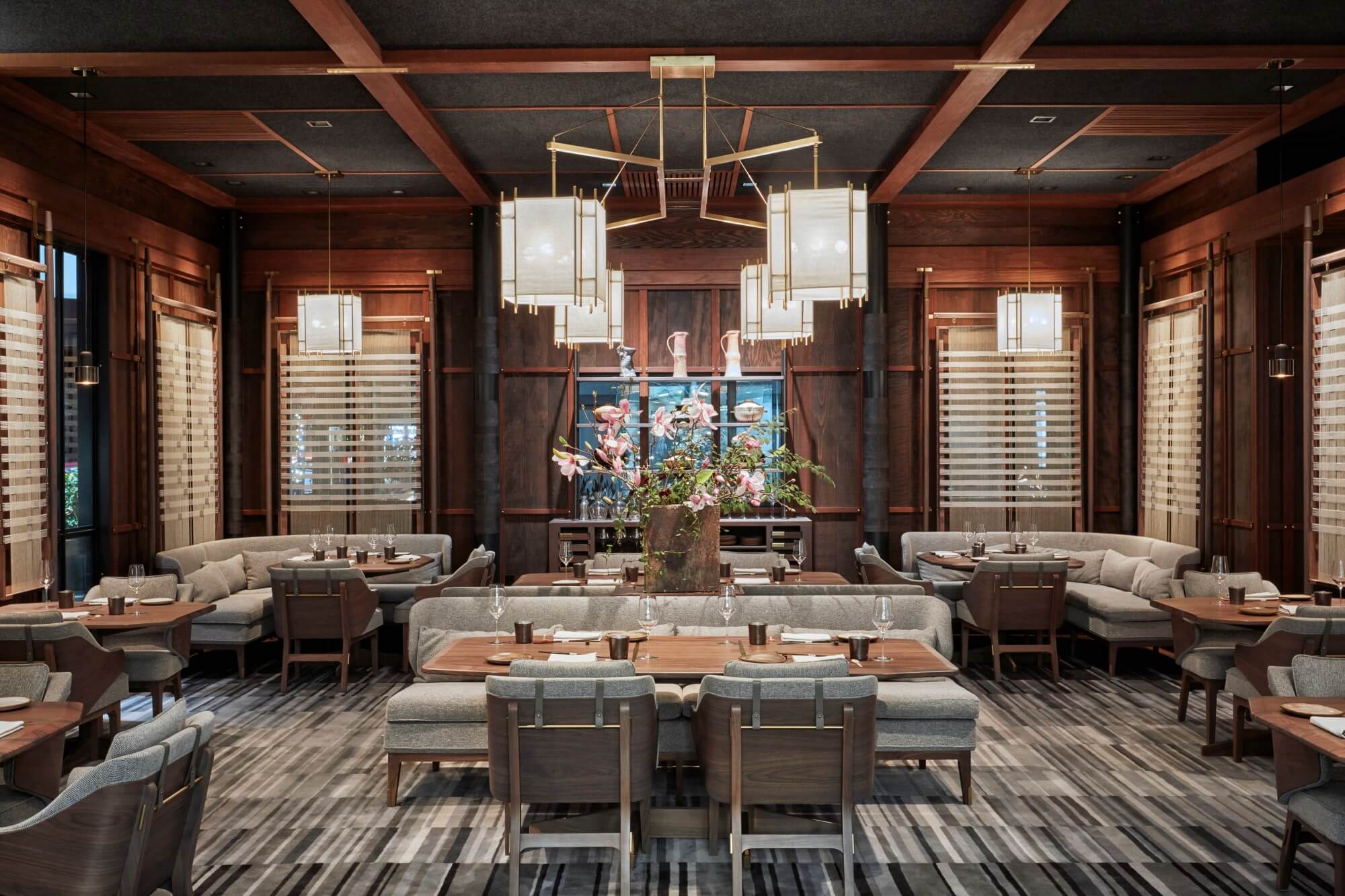
Japanese-influenced Californian Kaiseki
Single Thread Farm
Healdsburg, United States
★★★ · 50 Best
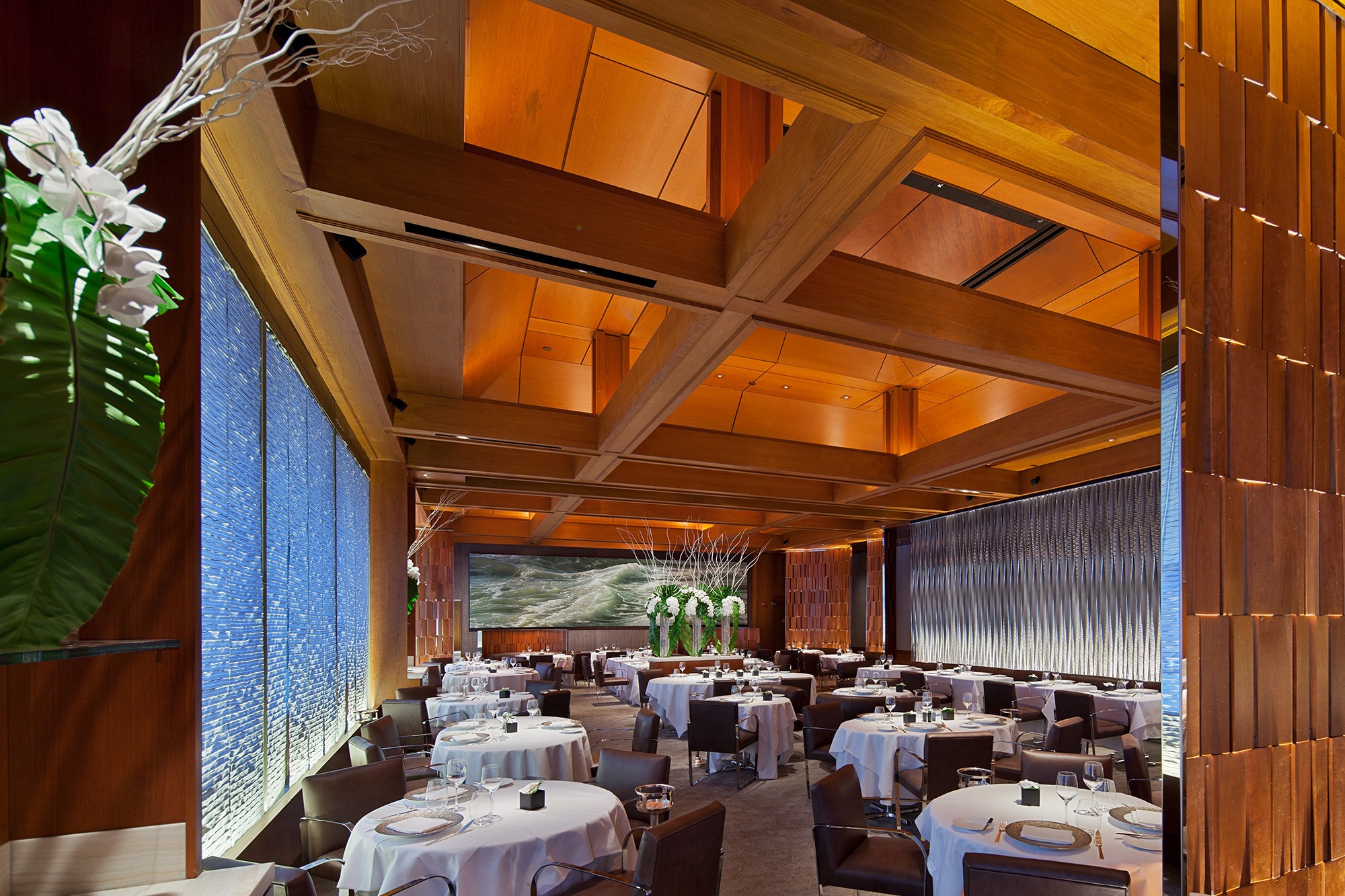
French Seafood Fine Dining
Le Bernardin
New York City, United States
★★★ · 50 Best
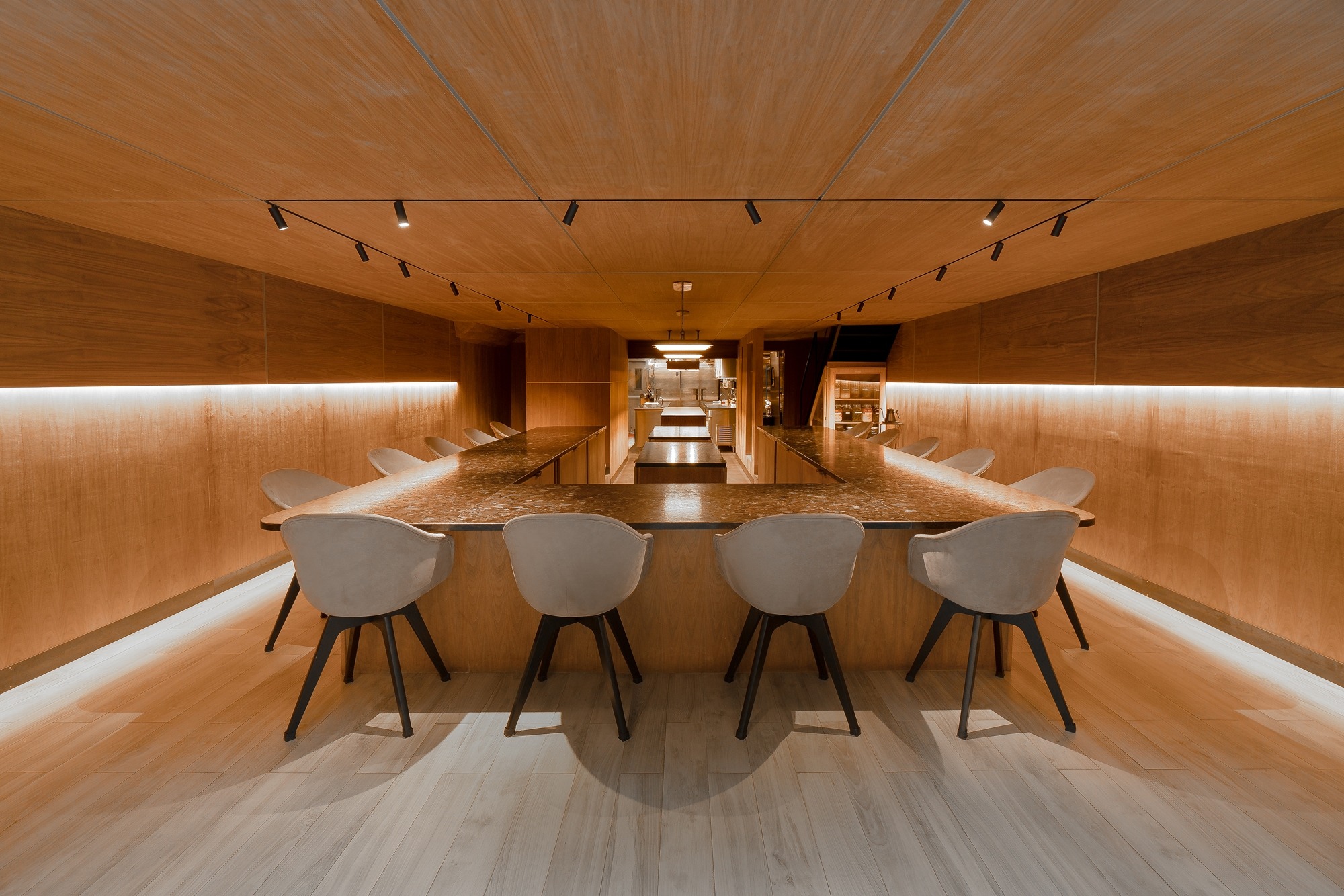
Modern Korean Tasting Menu
Atomix
New York City, United States
★★ · 50 Best
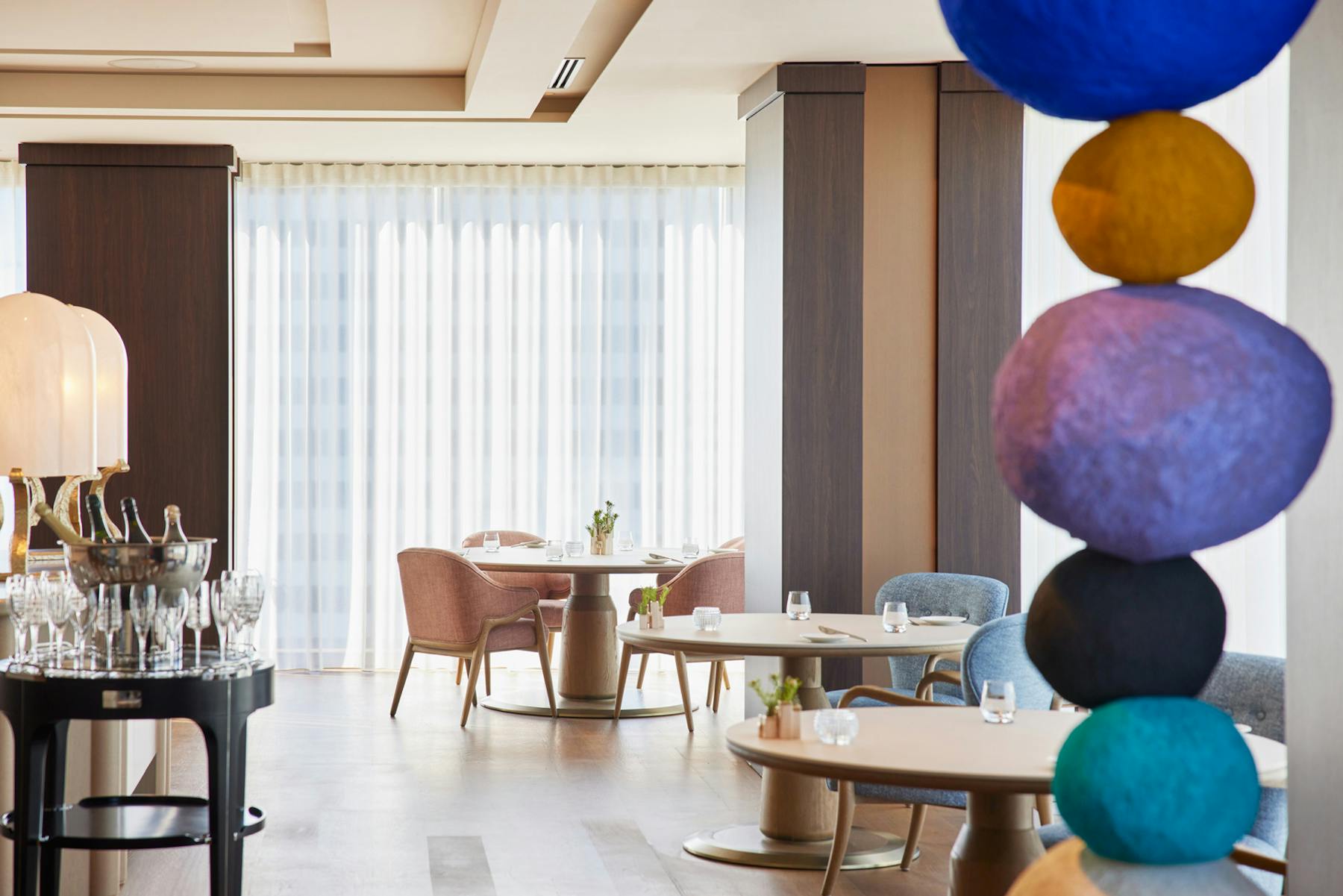
French
Sézanne
Tokyo, Japan
★★★ · 50 Best
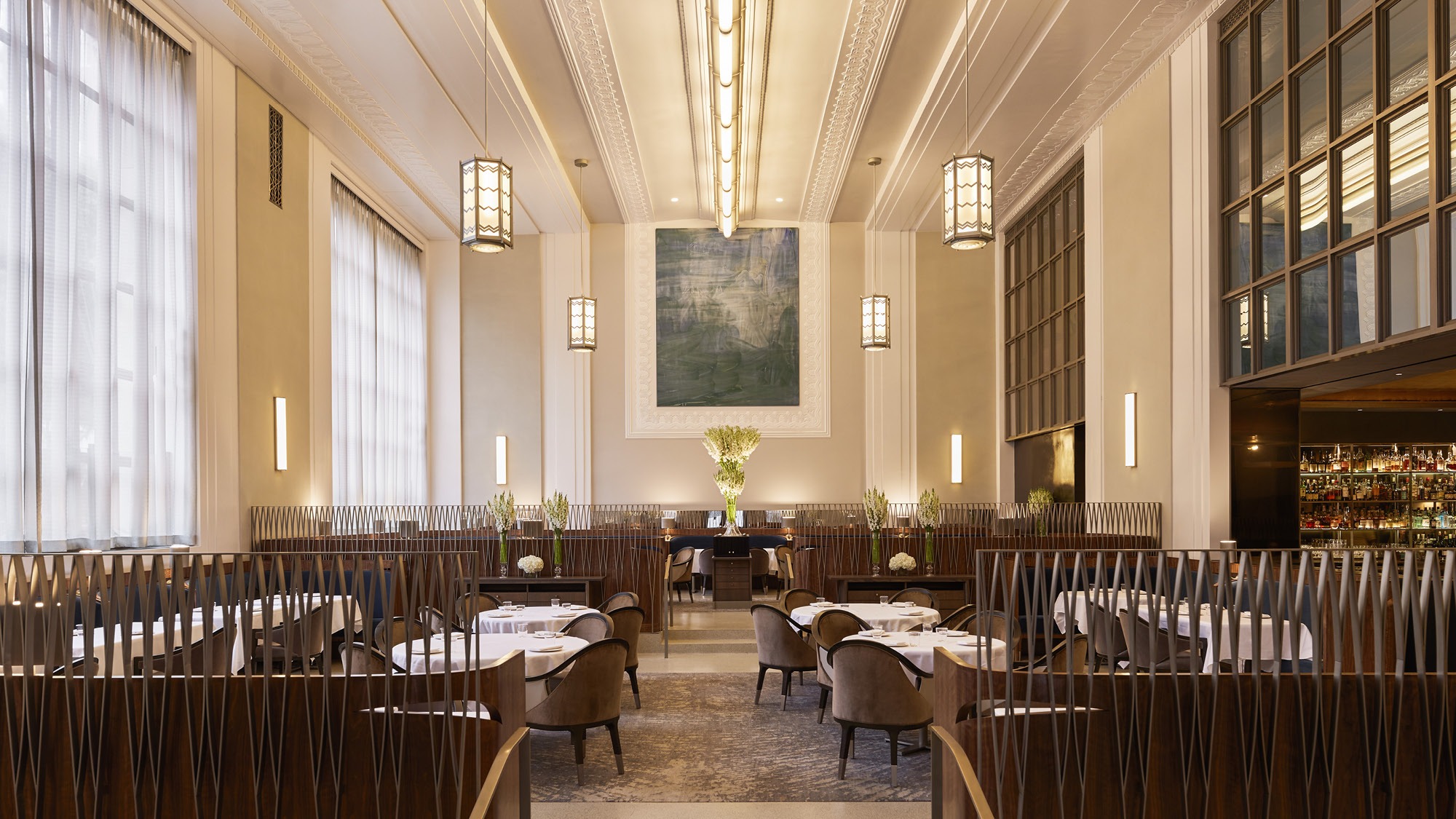
Contemporary Plant-Based Fine Dining
Eleven Madison Park
New York City, United States
★★★ · 50 Best
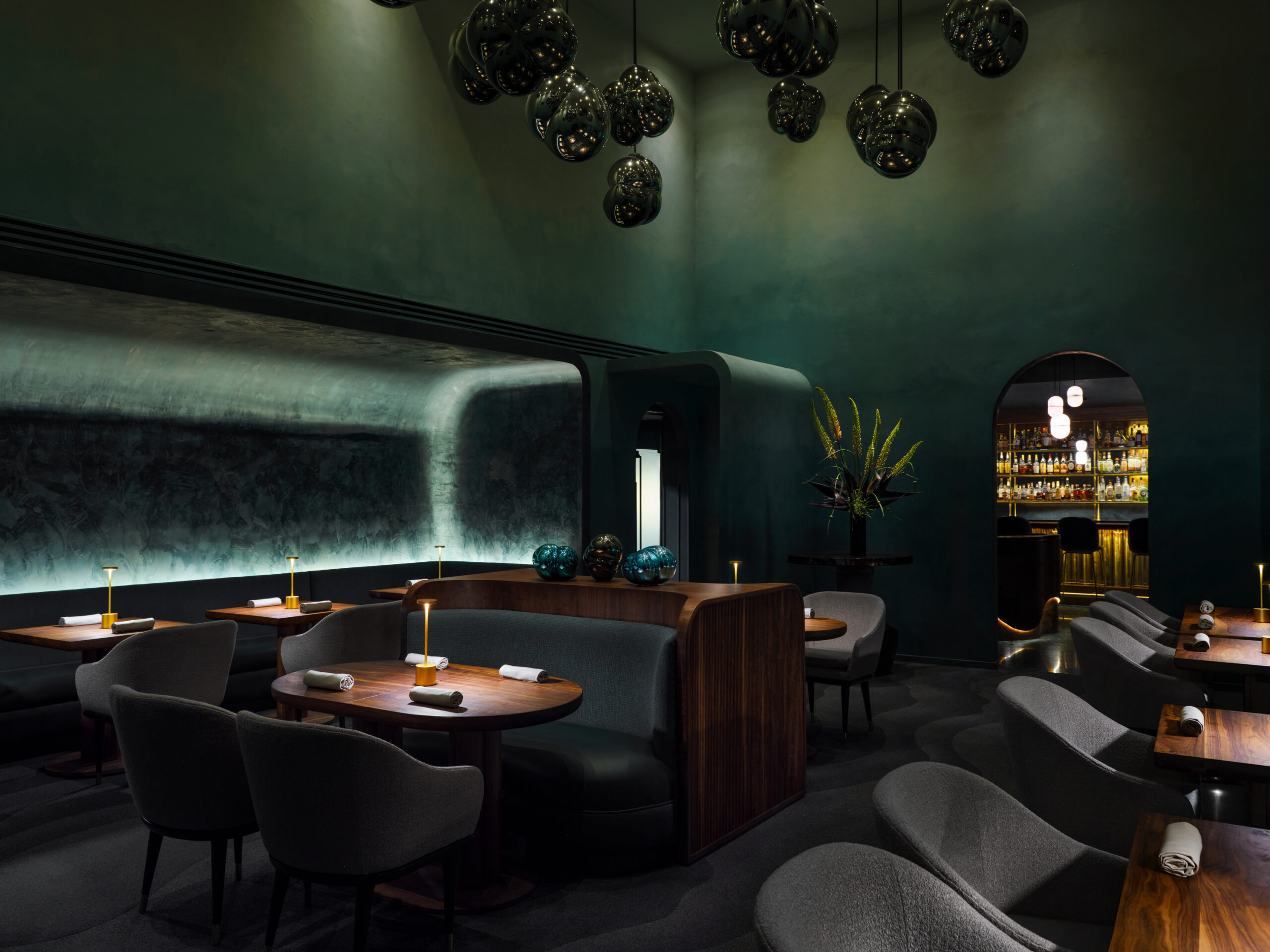
Modern Seafood Fine Dining
Providence
Los Angeles, United States
★★★ · 50 Best