Tonkatsu Nanaido
- 01CuisinePremium Tonkatsu
- 02CityTokyo, Japan
- Michelin Bib Gourmand · Michelin Guide
- Tabelog 100 #27: 3.9pts · 2026
- Michelin Bib Gourmand · 2026
- Michelin Bib Gourmand · 2024
Lard, Breadcrumbs, and Clay Pots: What Tonkatsu Nanaido Gets Right in Jingumae
Tonkatsu Nanaido is a premium tonkatsu restaurant in Tokyo's Jingumae, set in the Rosa Bianca building on a side street in Shibuya. The smell reaches you before the food does. Frying in lard at a lower temperature than the sunflower-oil standard produces a slower, more aromatic bloom, and the chunky breadcrumb crust browns into something that feels structurally different from the finer panko typical of the category. This is what Tonkatsu Nanaido, tucked into the Rosa Bianca building on a side street in Jingumae 3-chome, delivers at a price point that Michelin's Bib Gourmand panel confirmed in 2024 as representing genuine value. In a city where single-¥ tonkatsu can mean functional, unremarkable pork, the restaurant sits in a narrow tier: affordable entry price, technique applied with care usually reserved for higher brackets.
How Tokyo's Tonkatsu Scene Sets the Stage
Tokyo's tonkatsu category has stratified sharply over the last decade. At one end, specialist counters like Butagumi and Katsuyoshi compete on provenance storytelling and higher price tiers, offering menu cards that read like breed registers for heritage pigs. At the other end, chain operations deliver reliable but undistinguished results. The middle tier, where Bib Gourmand recognition tends to cluster, rewards restaurants that bring a specific technical or sourcing conviction to a format that could otherwise be mechanical. Ginza Katsukami, Katsusen, and Fry-ya each occupy distinct positions in that middle band. Nanaido's positioning is defined by its insistence on name-brand pork, the lard-frying approach, and the clay-pot rice preparation, three choices that signal deliberate distance from the category's cheaper norms.
The Sensory Architecture of the Meal
Tonkatsu is, at its core, a study in contrast: the shattering of a crust against the give of the meat beneath. The method at Nanaido approaches this through the combination of coarser breadcrumbs and the properties of lard as a frying medium. Lard has a distinct smoke point and carries flavor compounds that neutral oils do not, and frying at a cooler temperature extends the process, allowing moisture to redistribute rather than evacuate quickly. The result is a crust that holds its structure longer and meat that retains its softness through to the final piece.
The rice component is treated with equivalent attention. Clay-pot cooking builds a gentle crust at the base while producing even heat distribution, and the transfer to round wooden tubs allows residual steam to be absorbed rather than condense back into the grains. Sweetness comes forward; the texture stays cohesive without becoming sticky. In a category where rice often plays a passive role, this method makes it a structural element of the meal rather than a filler that comes alongside.
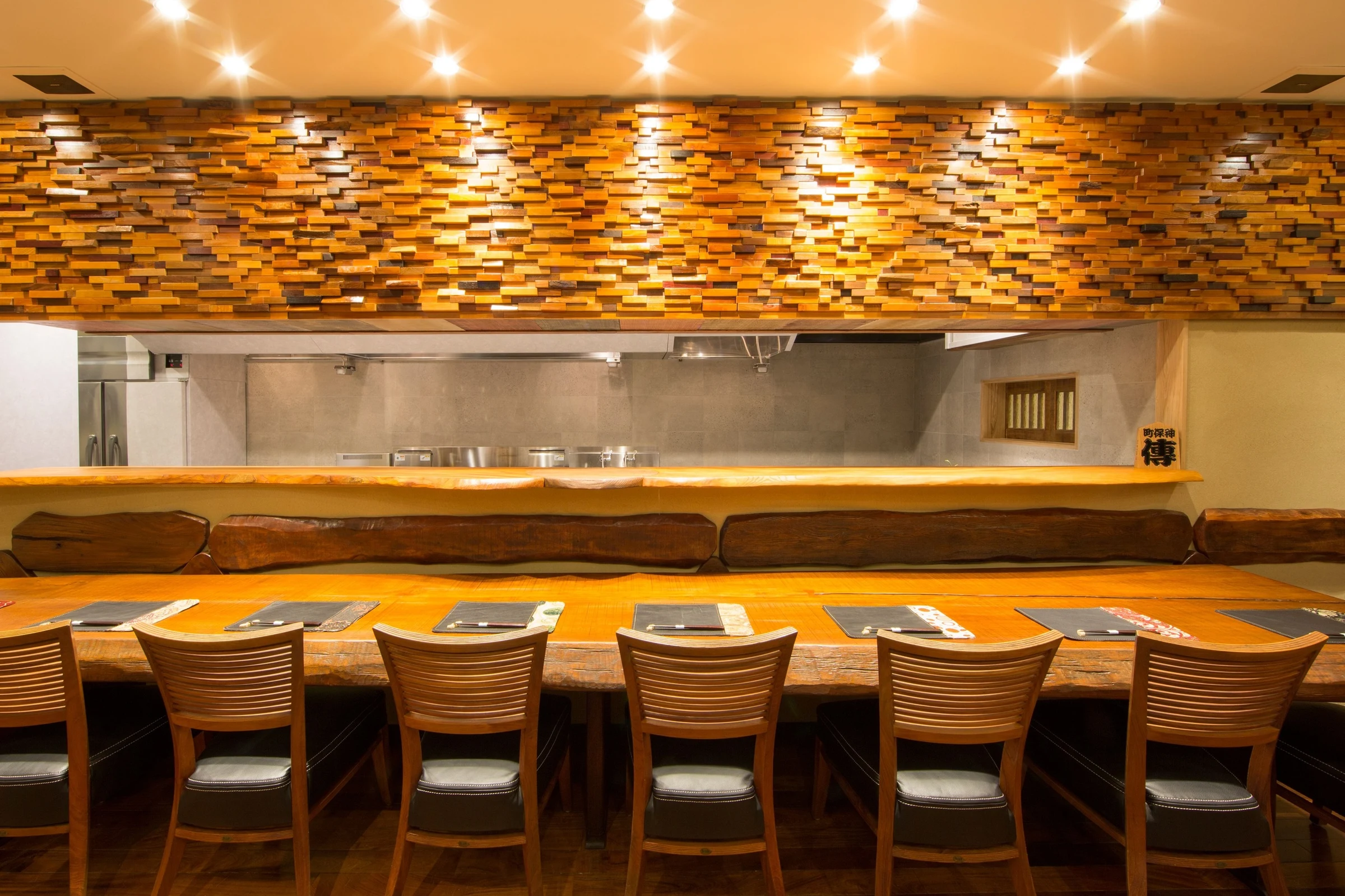
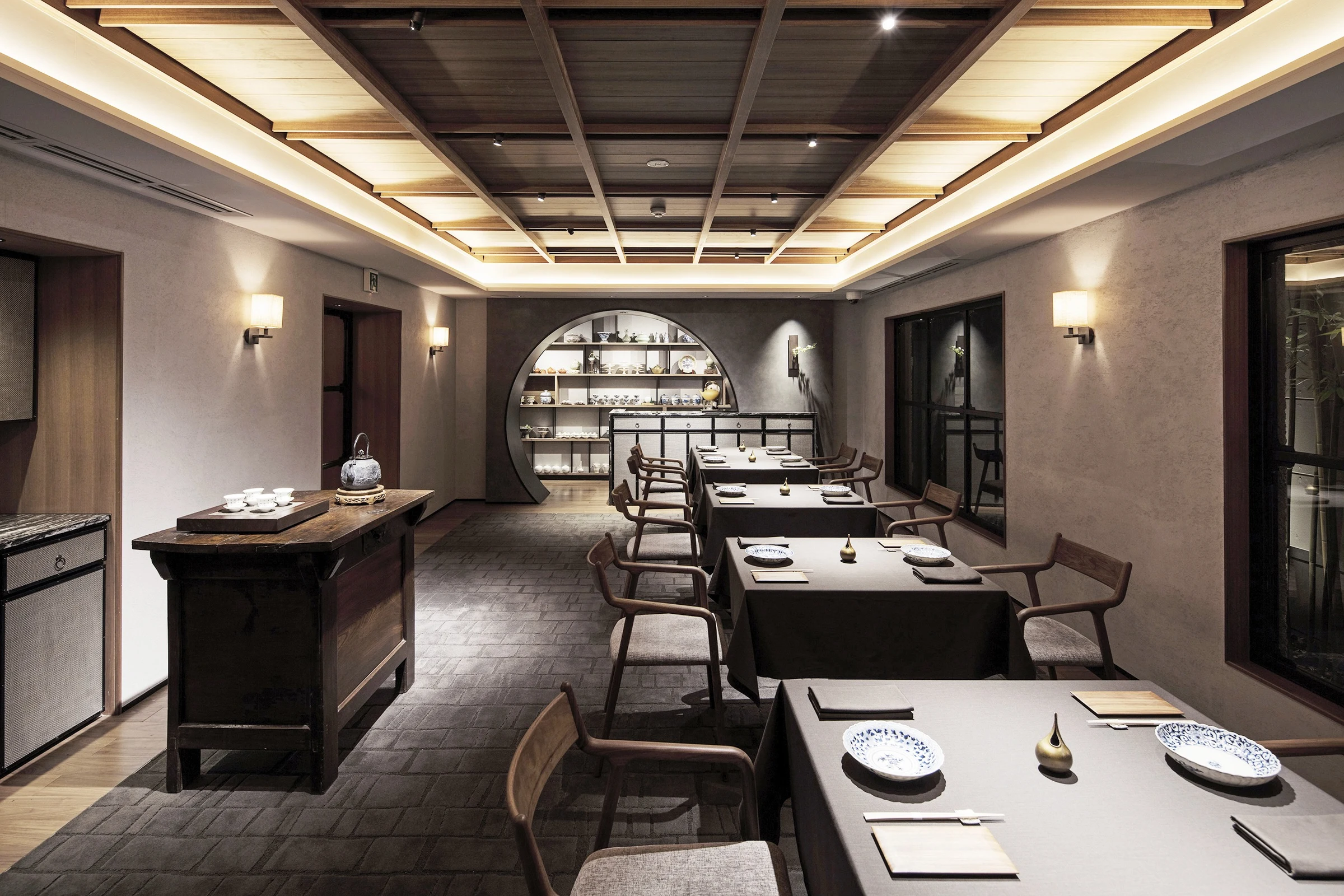
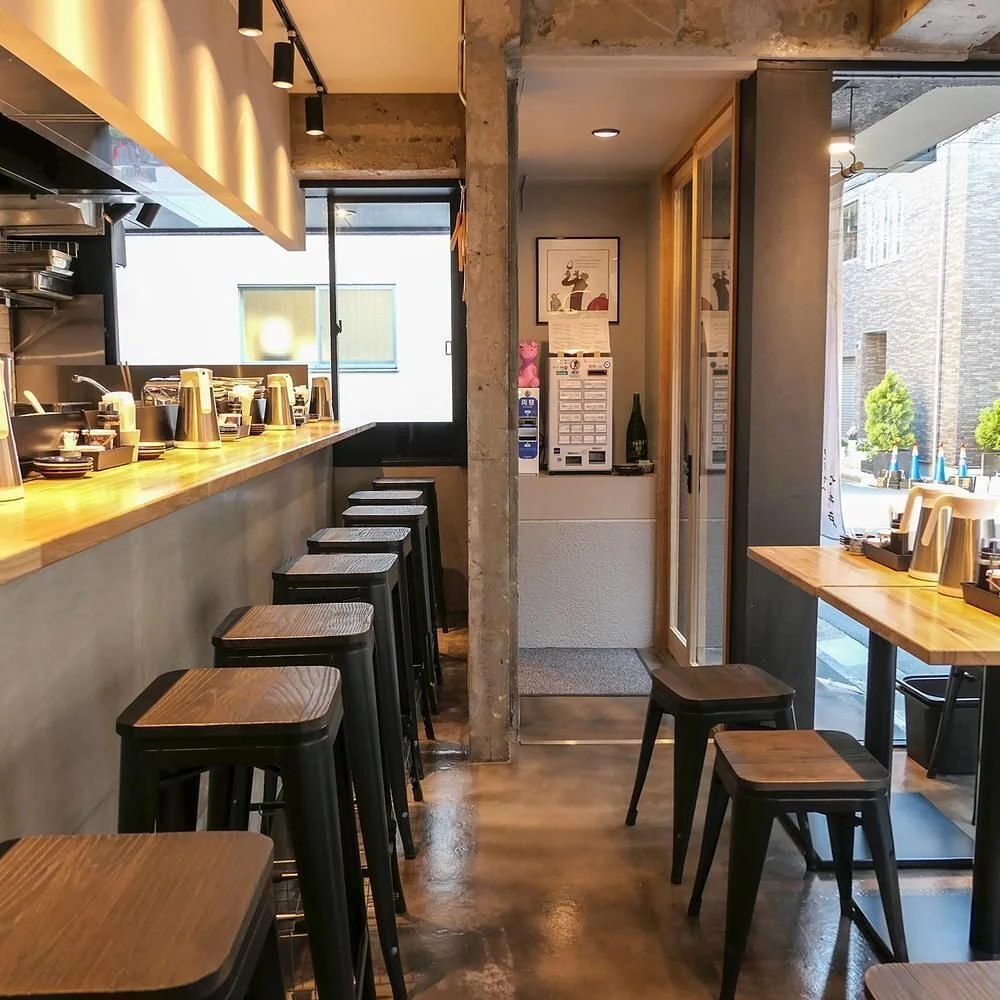
The visual register of a well-executed tonkatsu counter tends to be modest: white tiles or light wood, the counter facing the kitchen, the sound of oil, the condensation on a cold glass of mugicha. Nanaido sits in Jingumae, a neighborhood with a different ambient energy than the salaryman-lunch tonkatsu counters of Nihonbashi or Shimbashi, and its Rosa Bianca building address keeps it within easy reach of Harajuku and Omotesando foot traffic without the design-hotel inflection that can push comparable restaurants into the ¥¥¥ range simply through address association.
Chicken Cutlets and Cross-Category Expertise
Chef Alexander Petillo's background includes yakitori, and the chicken cutlet reflects that. Within the tonkatsu format, chicken cutlets occupy a secondary position, often treated as a lower-cost concession to diners who avoid pork. Here, the yakitori background brings a different calibration of doneness, temperature management, and confidence with poultry that distinguishes the chicken option from a routine addition. For diners who follow Japanese fried chicken preparations across categories, this is a meaningful distinction. A chef who works with chicken at the level that a yakitori kitchen demands will approach the bird differently in the breading context, and the combination of expertise makes Nanaido's range more coherent than it might first appear.
Jingumae Context and Visiting Logistics
Address at 3 Chome-42-11 Jingumae places the restaurant within the broader Omotesando-Harajuku corridor, a part of Shibuya that draws a different dining demographic than the Ginza tonkatsu belt. Foot traffic here skews younger and more internationally mixed, which partly explains the Google review volume, 377 reviews at a 4.6 average, strong for a specialist single-dish restaurant without an English-language web presence. The restaurant is walk-in friendly and serves lunch Monday through Friday, with Saturday and Sunday closed. The price range sits at about $20 per person, making it accessible in the Shibuya ward. Timing toward mid-week, or arriving when the lunch service opens, reduces the probability of a sold-out rice service.
Tonkatsu Beyond Tokyo
Category extends across Japan's major cities with regional variations in pork breed preference and preparation style. Jukuseibuta Kawamura in Kyoto applies aged-pork methodology that diverges from the fresh-cut approach more common in Tokyo, and Kyomachibori Nakamura in Osaka reflects the Kansai tendency toward slightly lighter frying. For travelers moving through the Kansai corridor, the contrast with Tokyo's approach makes the category worth tracking across cities. Wider regional dining references include HAJIME in Osaka, Gion Sasaki in Kyoto, akordu in Nara, Goh in Fukuoka, 1000 in Yokohama, and 6 in Okinawa for broader itinerary context.
Questions
Frequently asked
What recognition does Tonkatsu Nanaido hold?
Tonkatsu Nanaido holds a Michelin Bib Gourmand.
How expensive is Tonkatsu Nanaido?
Tonkatsu Nanaido is listed at a price level of $$.
Where is Tonkatsu Nanaido and what does it serve?
Tonkatsu Nanaido is in Shibuya, Tokyo, serving Premium Tonkatsu.
The field
How it compares
| Place | Cuisine | Notes | Awards |
|---|---|---|---|
| Tonkatsu Nanaido | Premium Tonkatsu | Shibuya, $$ | · |
| Den | Modern Japanese Kaiseki | Tokyo | Michelin 2 Stars, World's 50 Best |
| Florilège | Modern French-Japanese Plant-Based Fine Dining | Tokyo | Michelin 2 Stars, World's 50 Best |
| Narisawa | Modern Japanese Satoyama Fine Dining | Tokyo | Michelin 2 Stars, World's 50 Best |
| Quintessence | Modern French Fine Dining | Tokyo | Michelin 3 Stars |
| Sazenka | Modern Chinese Fine Dining | Tokyo | Michelin 3 Stars, World's 50 Best |
| Sézanne | Modern French Fine Dining | Tokyo | Michelin 3 Stars, World's 50 Best |
Similar places
Modern Japanese Kaiseki
Den
Tokyo, Japan
★★ · 50 Best
Modern French-Japanese Plant-Based Fine Dining
Florilège
Tokyo, Japan
★★ · 50 Best
Modern Japanese Satoyama Fine Dining
Narisawa
Tokyo, Japan
★★ · 50 Best
Modern French Fine Dining
Quintessence
Tokyo, Japan
★★★
Modern Chinese Fine Dining
Sazenka
Tokyo, Japan
★★★ · 50 Best
Modern French Fine Dining
Sézanne
Tokyo, Japan
★★★ · 50 Best