True Wild Distilling
- 01CityCalgary, Canada
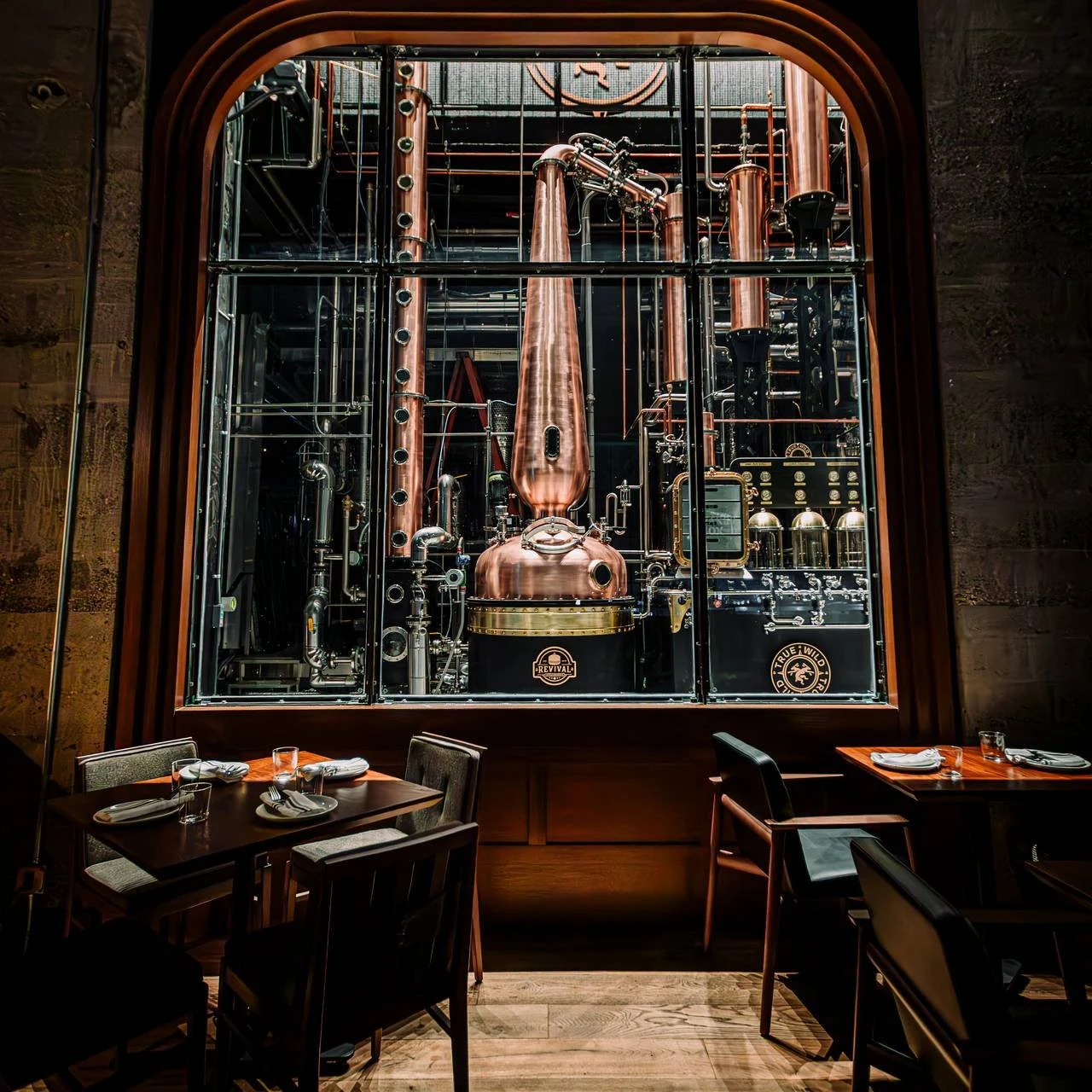
The industrial corridor running along 11th Street SE in Calgary's southeast quadrant doesn't announce itself as a destination. Warehouses, auto shops, and the functional architecture of a working city define the streetscape. It is precisely this kind of neighbourhood where Canada's more serious small-batch producers tend to set up: low overhead, proximity to supply chains, and none of the pressure to perform hospitality theatre before the product is ready. True Wild Distilling at 3115 11th Street SE belongs to that pattern.
Where Calgary's Craft Spirits Scene Is Heading
Alberta's craft distilling sector has grown considerably over the past decade, moving from a handful of vodka producers chasing easy volume to a more differentiated set of operations interested in provenance, process, and regional identity. The more compelling operations in this newer cohort share a common thread: they treat Alberta's geography as a source of flavour rather than a backdrop. Wild botanicals from the foothills, prairie grains, glacial water sources, and the short but intense growing season of the northern plains all feed into a regional identity that distinguishes Alberta spirits from those produced under more generic craft branding elsewhere.
True Wild Distilling positions itself within this forager-led tier of the Alberta craft spirits market. The name itself signals intent: wild ingredients, gathered from the broader landscape, as a foundation for the distillery's identity. This approach prioritises traceability and ecological relationship over speed to market. At the Canadian level, the conversation around terroir-driven spirits has been slower to develop than in wine, but operations like this one are part of what is changing that.
The Sustainability Argument in Small-Batch Distilling
The foraging and wild-sourcing model carries genuine environmental stakes. When a distillery commits to wild botanicals, it is making a claim about the health of the ecosystems those plants come from. Overharvesting is a documented risk in commercial foraging, and the more credible operations in this space build harvest ethics into their sourcing frameworks from the outset, including rotation of collection areas, volume limits tied to population recovery, and relationships with land stewards rather than open-market commodity purchasing.
For the broader craft spirits category, this matters beyond the marketing story. Producers that depend on specific wild species have an economic incentive to advocate for the habitats those species require, which creates a feedback loop between commercial operation and conservation that larger commodity distillers rarely encounter. The same logic has driven farm-to-table commitments in food across Canada's more thoughtful restaurant programs. Venues like Tanière³ in Quebec City and Eigensinn Farm in Singhampton have built identities around foraged and local sourcing, and the principles translating into spirits production follow a similar discipline.
In Calgary's dining and drinking scene, this ethos appears across multiple categories. Restaurants like Alloy and Annabelle's Kitchen Downtown have built purchasing relationships around local and seasonal sourcing, and the city's better bars have followed by seeking out Alberta-made spirits as a point of differentiation. A distillery grounded in wild botanicals fits coherently into that ecosystem.
The Industrial SE as a Production Neighbourhood
Calgary's southeast industrial zone is not yet a leisure destination in the way that some North American craft production districts have become, where distilleries, breweries, and roasters cluster into walkable weekend itineraries. The 11th Street SE corridor remains primarily functional, which means visiting True Wild Distilling requires deliberate planning rather than accidental discovery. That is not a criticism; it is a description of where production tends to happen before a neighbourhood tips into the tourism economy.
For context, the craft production belt in Calgary's inner southeast sits roughly equidistant from the Beltline and the Inglewood neighbourhood, both of which offer more developed food and drink options before or after a distillery visit. Alforno Eau Claire and Aloha Modern Kitchen represent the kind of sit-down options that pair well with a day moving through Calgary's more experiential eating and drinking circuit.
True Wild in the Canadian Craft Spirits Conversation
Nationally, the most discussed Canadian producers in the sustainability-led spirits category tend to cluster in British Columbia and Quebec, where regulatory environments and consumer markets developed earlier. Alberta's scene has been building more quietly. True Wild Distilling belongs in the same conversation as the country's more editorially recognised craft producers.
The broader Canadian context is worth holding in mind. Operations like Restaurant Pearl Morissette in Lincoln have demonstrated that rigorous provenance thinking at the production level generates genuine critical attention over time. In food, Narval in Rimouski and The Pine in Creemore have built reputations on exactly the kind of specificity and regional rootedness that True Wild's positioning suggests. Its product and repeat custom will determine how far that identity carries.
For readers tracking Alberta's craft spirits sector, True Wild Distilling is worth following. It occupies a space in Calgary's production landscape where the editorial story and the commercial one are still being written simultaneously, which is generally where the more interesting producers are found.
For broader context on Calgary's food and drink scene, see our full Calgary restaurants guide. Elsewhere in Canada, the sustainability-forward dining conversation extends to venues like AnnaLena in Vancouver, Jérôme Ferrer - Europea in Montreal, Alo in Toronto, A Certain Flair Catering at Lougheed House, Aux Anciens Canadiens in Quebec, Barra Fion in Burlington, and internationally at Le Bernardin in New York City and Atomix in New York City.
Know Before You Go
- Address: 3115 11 St SE, Calgary, AB T2G 0P4
- Neighbourhood: Southeast industrial corridor, Calgary
- Getting There: Car or rideshare recommended; limited public transit to this part of 11th Street SE
- Nearby: Inglewood and the Beltline are within a short drive for dining before or after
- Contact: Hours: Mon: Closed; Tue: 5–10 PM; Wed: 5–10 PM; Thu: 11:30 AM–10 PM; Fri: 11:30 AM–11 PM; Sat: 11:30 AM–11 PM; Sun: 3–9 PM
Questions
Frequently asked
How expensive is True Wild Distilling?
True Wild Distilling is listed at a price level of $$$.
The field
How it compares
| Place | Notes |
|---|---|
| True Wild Distilling | Highfield, $$$ |
| Basilopoulos Distillery | Kefalonia |
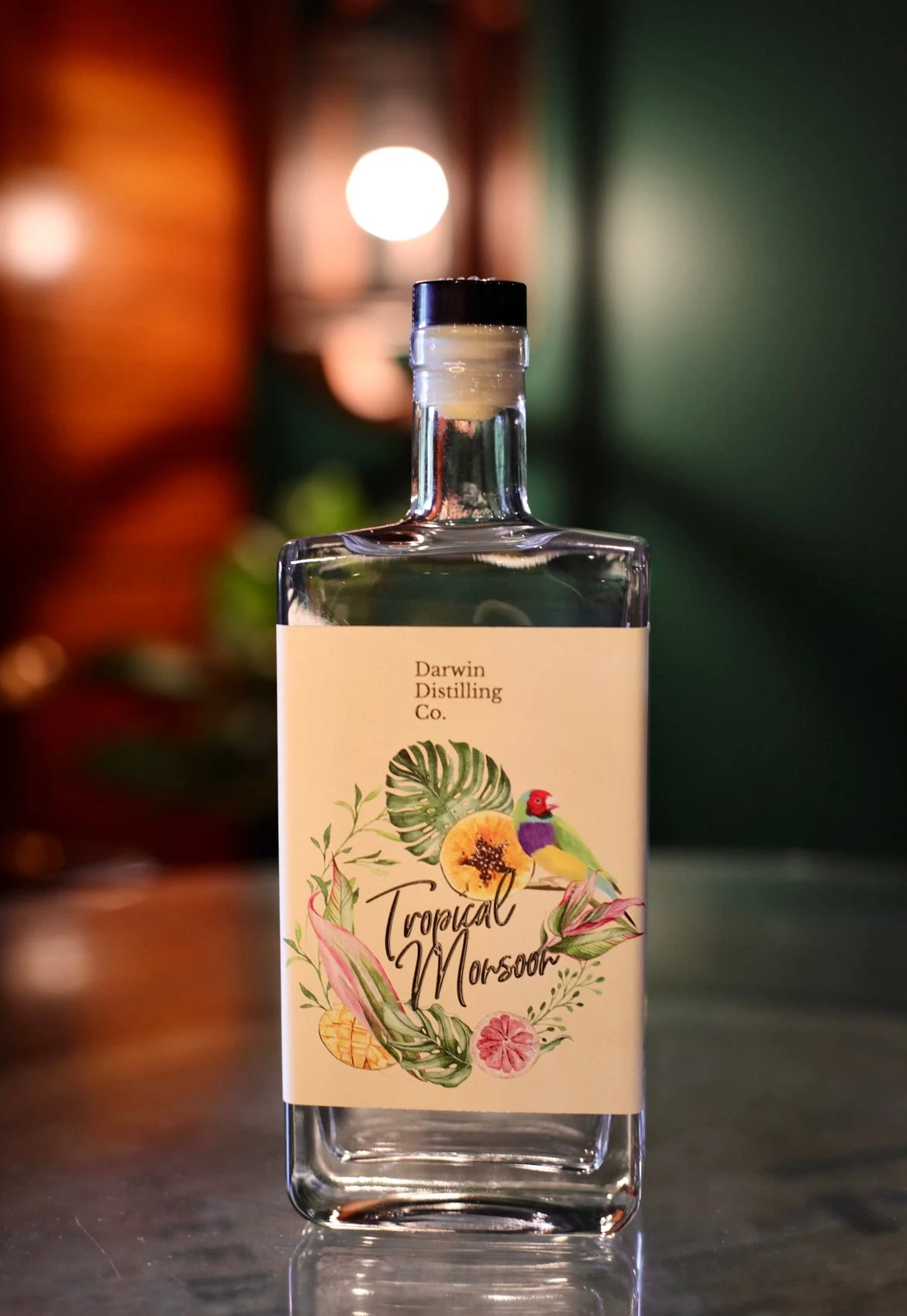
| Darwin Distilling Co | Darwin |
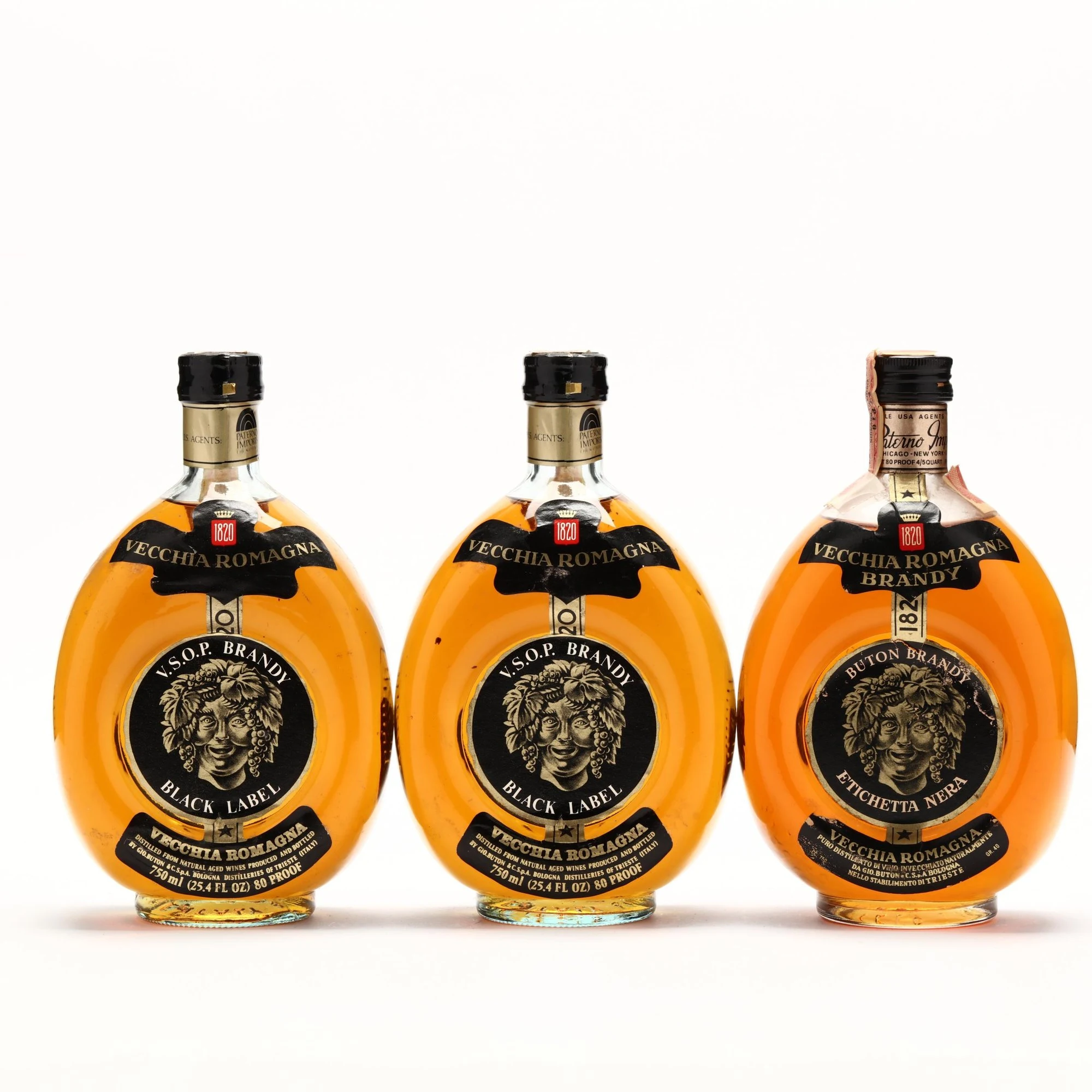
| Distillerie Buton (Vecchia Romagna) | Bologna |
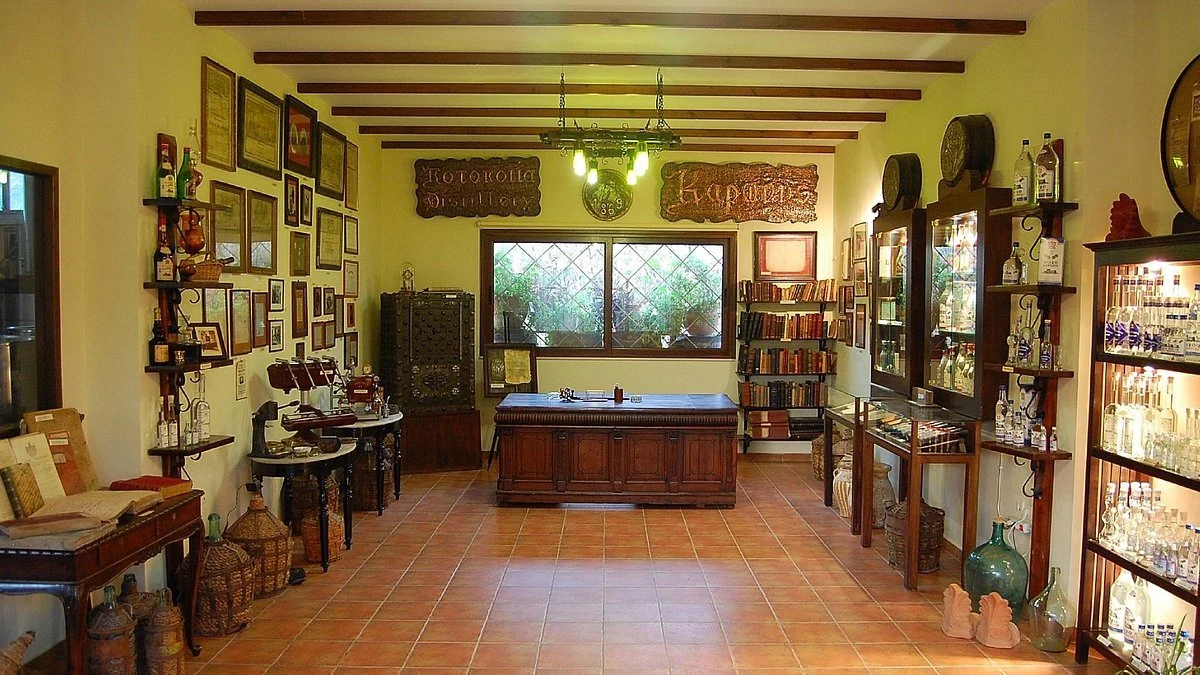
| Karonis Distillery | Nafplio |
| Poli Distillerie | Schiavon (Vicenza) |
| Rosebank Distillery | Falkirk |