Made ByWinery
Tsantali Winery
- 01CityAgios Pavlos, Greece
- Pearl 2 Star Prestige · 2025
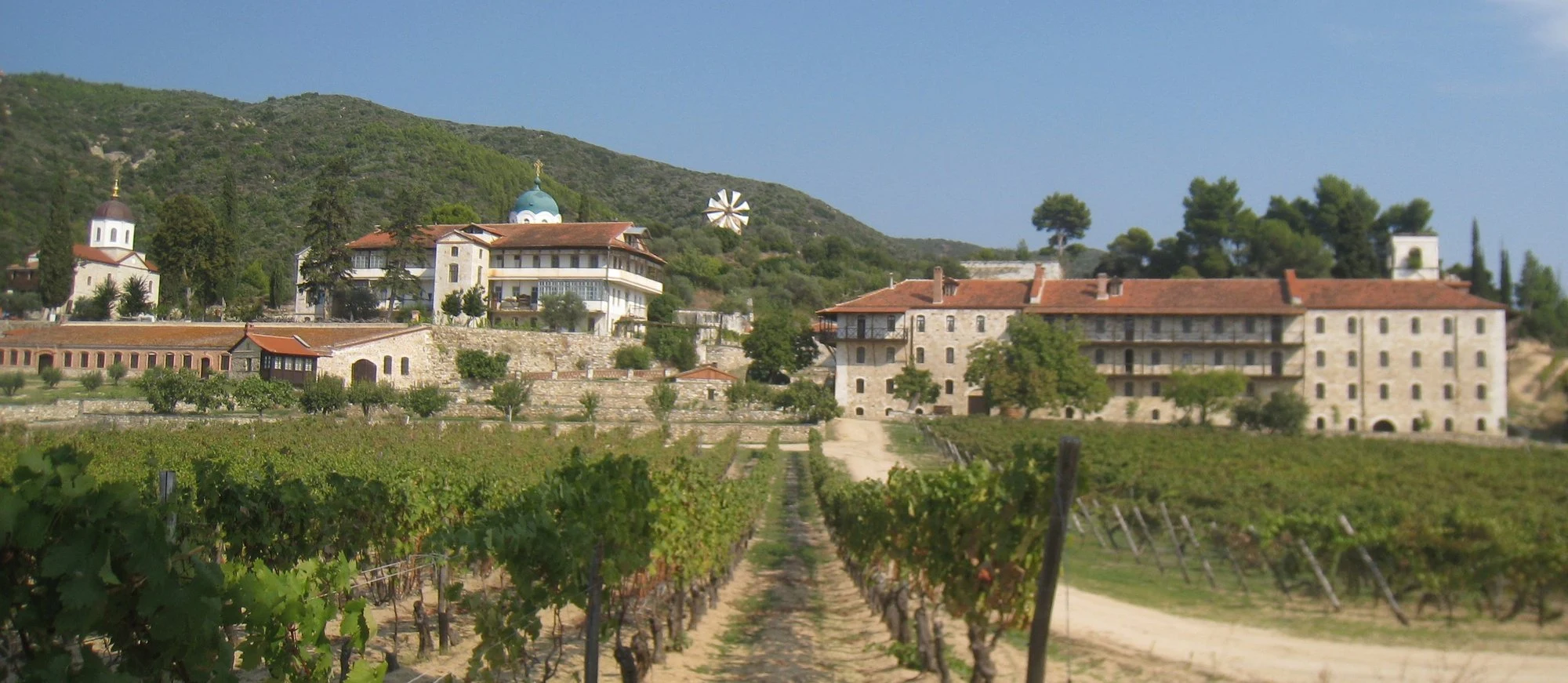
Tsantali Winery is one of Greece’s longstanding wine producers, rooted in practice since the family first planted vines in 1890 and expanded through the 20th century. Located in Agios Pavlos, Nea Kalikratia, Halkidiki, Greece, the estate works with steep slopes, varied elevation bands and a mix of indigenous and international varietals. A Rapsani wine tasting here reads like a lesson in co-fermentation and elevation: the PDO blend of Xinomavro, Krassato and Stavroto delivers spice, iron-tinged structure and age-worthy tannins shaped by altitude and rockier soils. The vineyard language is practical and place-based; visitors hear about slope, bush vines and the 200 to 600m elevation gradient that defines Reserve and Grande Reserve expression. The Tsantali family remains central to the estate story. The house played a role in replanting and reinstating Rapsani’s vineyards after historic phylloxera damage. Rather than champion a single celebrity vintner, Tsantali Winery credits the production team and cellar staff for blending traditional techniques with modern vinification, co-fermentation in Rapsani, selective elevation-based sourcing, organic parcels and French-oak maturation for specific bottlings. While large-scale distribution has made many Tsantali wines widely available, the estate maintains allocated Reserve tiers and a BIO line that signal its commitment to sustainable viticulture. The winery’s reputation rests on regional stewardship, old-vine character (some bush vines approach 50 years), and a portfolio that ranges from everyday Assyrtiko and Vin Santo to age-worthy Rapsani Grande Reserves. The product journey at Tsantali Winery emphasizes place and layered production. Rapsani PDO wines are co-fermented blends where Xinomavro provides acidity and tannin, Krassato brings fruit and structure, and Stavroto contributes aromatic lift; the estate purchases roughly 95% of Rapsani appellation fruit, allowing tight quality control. Tiering is elevation-driven: low-slope bottlings are fresher and earlier-drinking, mid-slope Reserve wines show density and oak integration, and Grande Reserve fruit from 400 to 600m produces the most structured, long-lived examples. Notable releases include Rapsani Reserve and Rapsani Grande Reserve, with older-vine plots reserved for limited bottlings, and a Rapsani BIO that underscores organic farming practices. From Mount Athos the Metoxi blend (documented at 60% Cabernet Sauvignon and 40% Limnio, with new French oak aging) offers dark fruit, spice and polished tannins, a clear example of international varieties interpreted through Greek terroir. White expressions such as Assyrtiko deliver bright acidity and volcanic minerality, while dessert styles like Vin Santo capture concentrated sweetness from late-harvest or raisined fruit. Tsantali also produces traditional Greek distillates like ouzo and tsipouro, reflecting the company’s broader role in regional spirits production. Visitor experiences are shaped by the estate’s multi-regional footprint more than a single architectural statement. Specific tasting-room floorplans and chef collaborations for the Agios Pavlos site were not documented in the provided sources, so most visits center on guided tastings led by the cellar team, vineyard context walks where available, and education about Rapsani’s co-fermentation rules and elevation-driven classification. The production team can explain vineyard practices, organic parcels and the story behind each tier, from entry-level bottlings to allocated Reserve releases. Collectors should expect focused education, an emphasis on terroir translation and opportunities to sample oak-aged examples side-by-side with fresher, lower-elevation bottlings. Spring and autumn suit visits well, when vineyard activity and cellar work are active. Advance booking is recommended for estate visits, especially if you seek a Reserve vertical, vineyard walk or a conversation with the production team; many higher-tier wines and older-vine bottlings are allocated and may require prior arrangement. Allow time for inquiries through official channels or through local luxury tour operators. For travelers and collectors drawn to history, terroir and structured, age-worthy bottles, Tsantali Winery offers a clear narrative: a family estate that revived Rapsani, manages diverse northern Greek sites and produces wines that pair Mediterranean minerality with oak-aged polish. Plan ahead, request Reserve tastings, and let the production team guide you through Rapsani’s co-fermented tradition and the estate’s varied terroirs.
The field
How it compares
| Place | Awards | Notes |
|---|---|---|
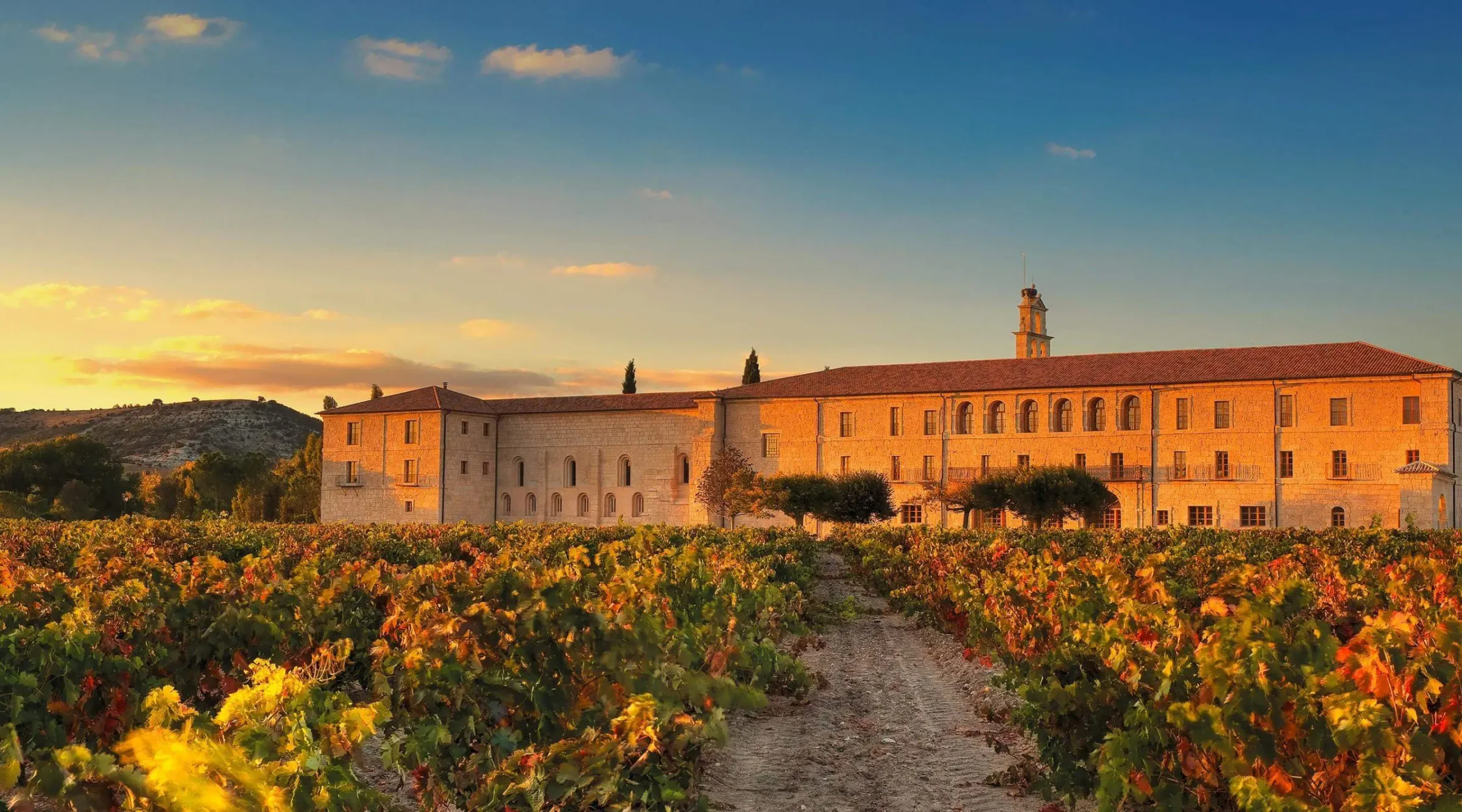
| Abadía Retuerta | World's 50 Best | Sardón de Duero |
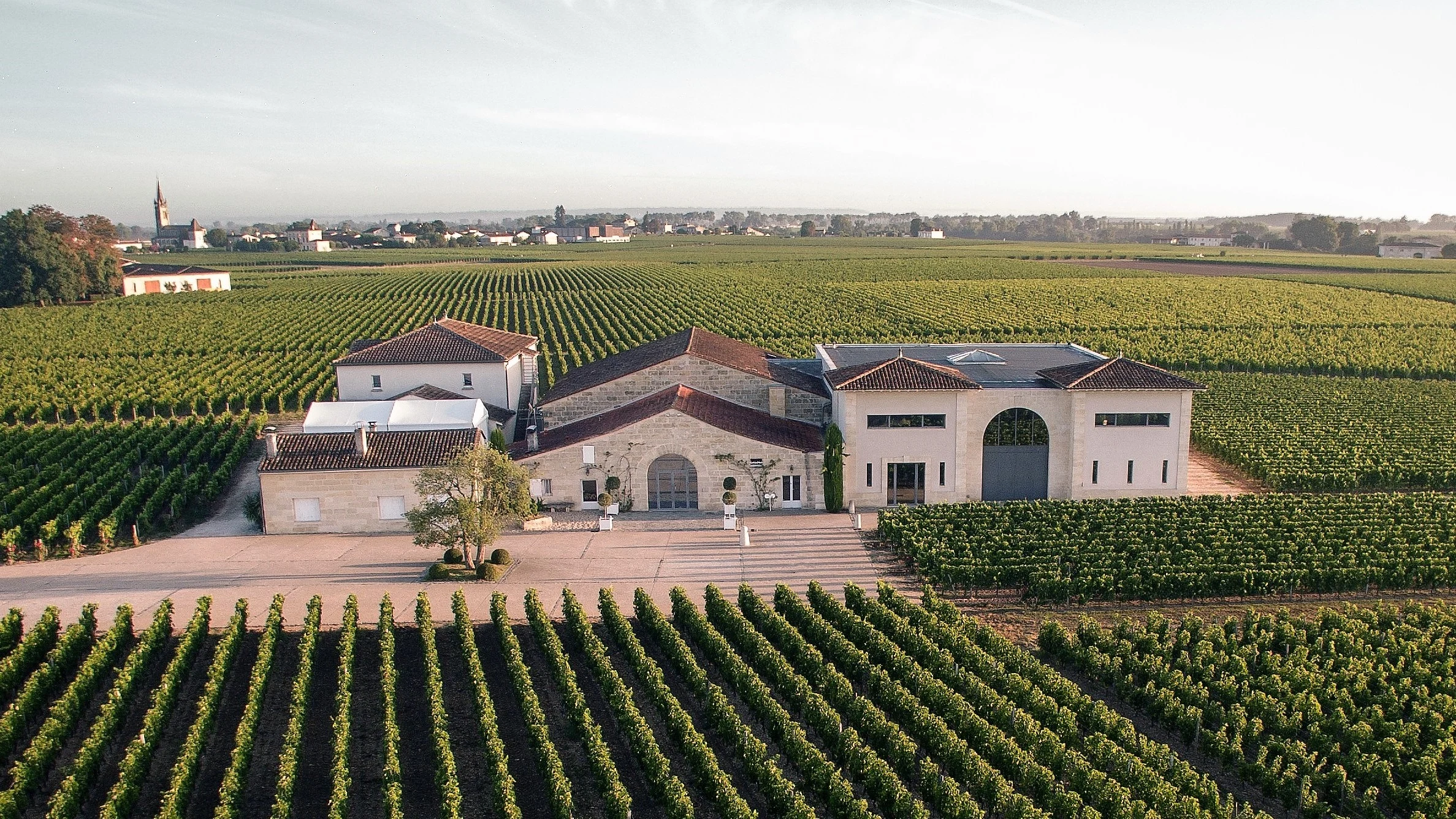
| Château La Conseillante | · | Pomerol |
| Chateau Mouton Rothschild | World's 50 Best | Pauillac |
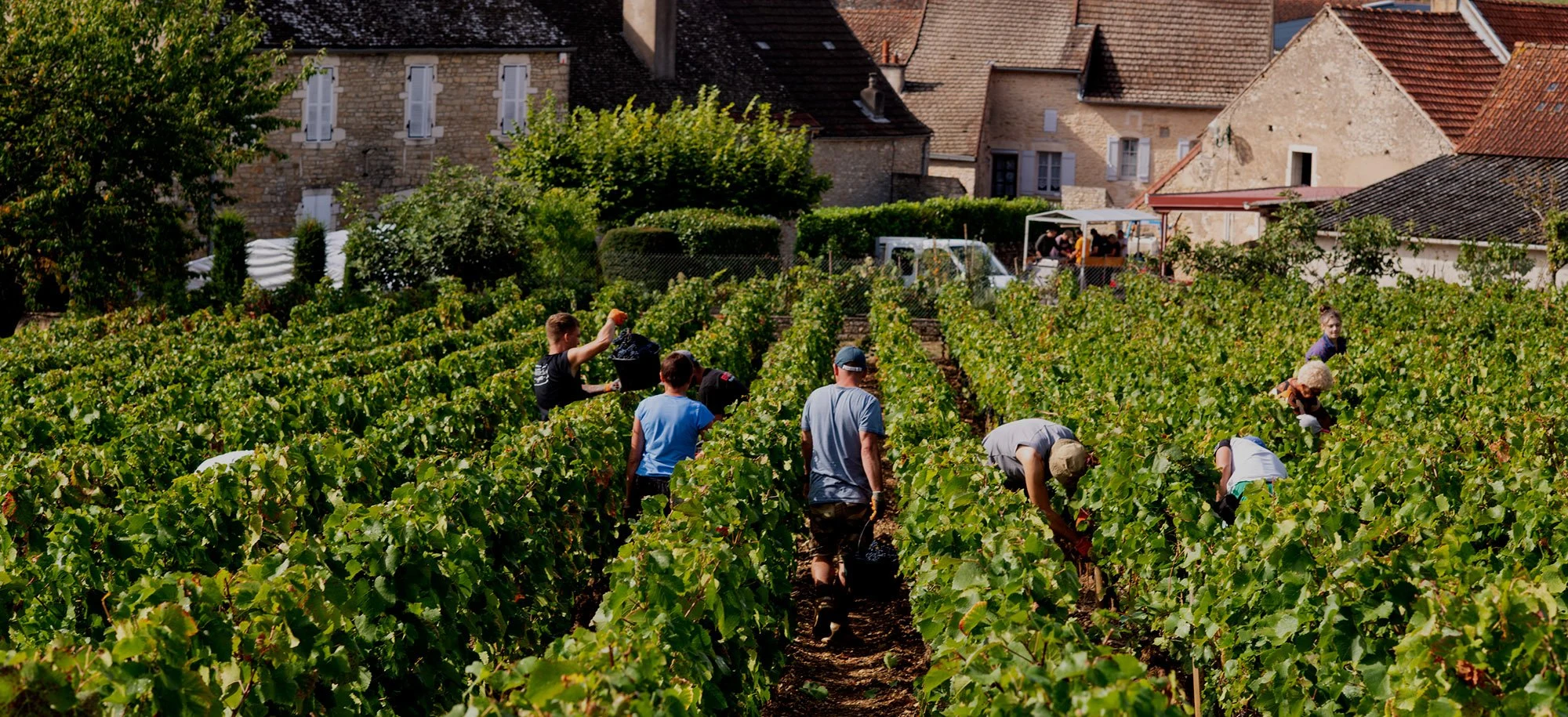
| Domaine Hubert Lamy | · | Saint-Aubin |
| Taittinger | World's 50 Best | Reims |
| The Macallan | · | Aberlour |