Made ByWinery
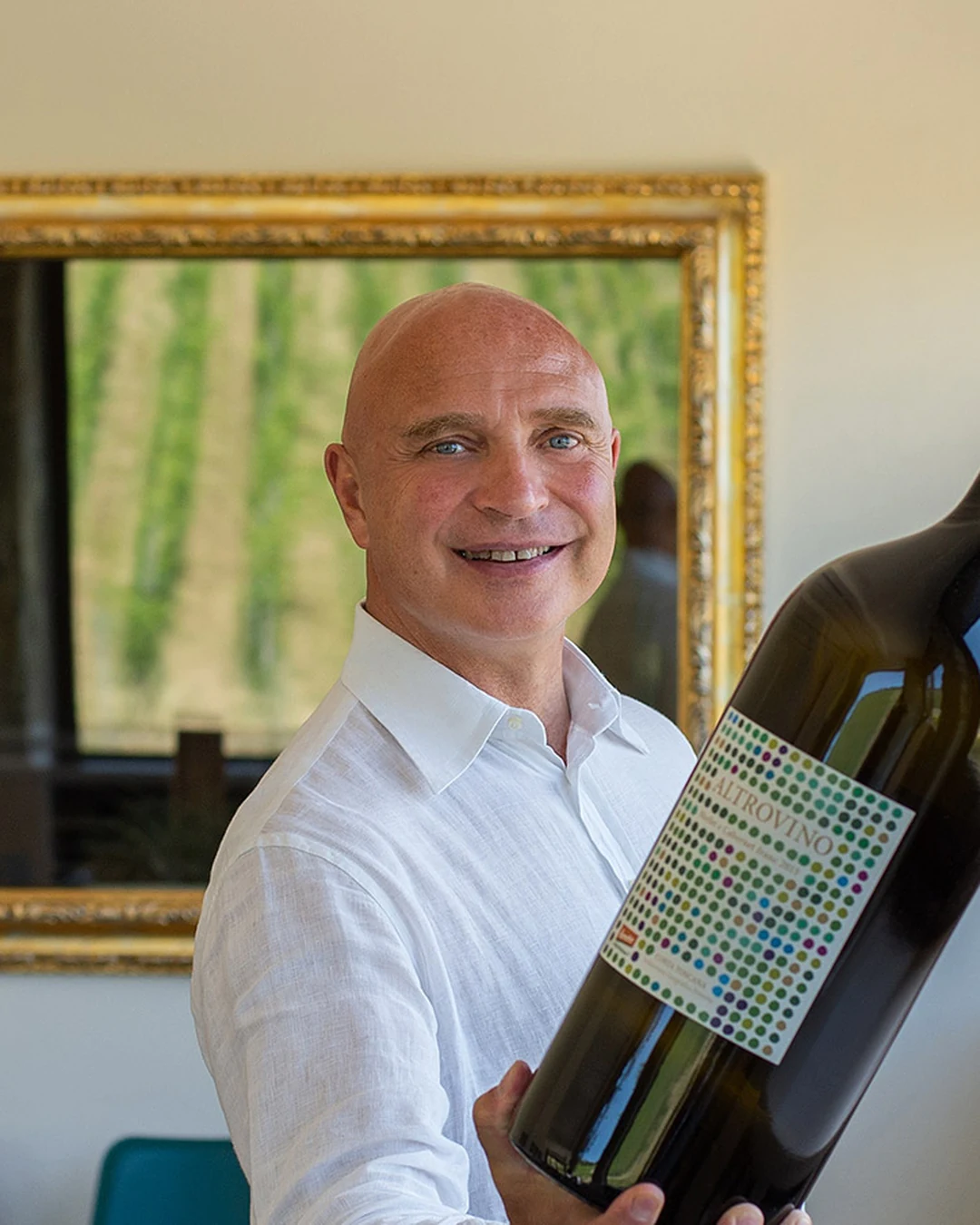
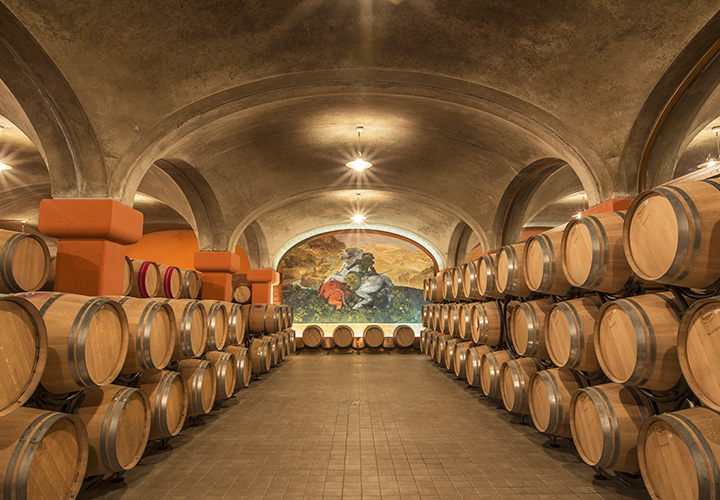
Tua Rita occupies a specific position in the Suvereto story: a winery that helped put the Tuscan coastal hills on the international fine wine map when its first vintage appeared in 1992. Under winemaker Stefano Frascolla, the estate earned a Pearl 4 Star Prestige rating in 2025, placing it among a select tier of Italian producers where terroir expression and Bordeaux-influenced viticulture converge on this mineral-rich stretch of the Maremma.
At a glance
- Price
- $$$$
- Neighborhood
- Suvereto
<h2>The Suvereto Context: Maremma's Inland Ambition</h2><p>Drive inland from the Tyrrhenian coast into the Val di Cornia and the terrain shifts quickly. The maritime influence stays present, you feel it in the afternoon winds that cut across the hillside vineyards, but the soils turn rocky and iron-rich, a geological signature that defines what Suvereto produces at its finest. This is not Chianti. The ampelographic vocabulary here leans Bordeaux: Cabernet Sauvignon, Merlot, and to a lesser extent Cabernet Franc, planted in ground that shares more with Saint-Émilion's mineral subsoil than with the galestro and alberese of Tuscany's central hills. That distinction matters when reading what Tua Rita represents in the Italian fine wine conversation.</p><p>Suvereto's DOC status came in 2001, formalising a quality tier that a handful of producers had already been building since the early 1990s. Tua Rita, with its first vintage in 1992, sits at the founding edge of that movement. The estate's trajectory tracks closely with the wider recognition that coastal Tuscan viticulture has received over the past three decades, as international buyers and Italian critics began looking beyond the established appellations of Barolo, Brunello, and Chianti Classico to find what the western coastline could do. Properties like <a href="https://www.enprimeurclub.com/wineries/castello-di-volpaia-radda-in-chianti-winery">Castello di Volpaia in Radda in Chianti</a> and <a href="https://www.enprimeurclub.com/wineries/aldo-conterno-monforte-dalba-winery">Aldo Conterno in Monforte d'Alba</a> represent the established appellation anchors of that broader Italian fine wine geography; Tua Rita represents the coastal insurgent.</p><h2>Terroir at Notri: What the Land Is Actually Doing</h2><p>The address, Località Notri, places the winery in a specific micro-zone of the Suvereto hills. This is not an incidental detail. The Notri area sits at modest elevation above the valley floor, where the combination of well-draining rocky soils, strong diurnal temperature variation during the growing season, and consistent coastal airflow creates conditions that produce grapes with concentration alongside freshness. In warm vintages, that temperature swing between night and day preserves aromatic precision that purely continental sites of similar latitude often sacrifice to heat accumulation.</p><p>For Merlot in particular, the mineral content of these soils acts as a moderating force. Merlot planted in heavy, fertile ground tends toward the soft and extracted; Merlot grown in iron and mineral-rich hillside terrain of the kind found across the Val di Cornia produces a structurally tighter, more age-worthy wine with a distinctly different aromatic register. This is the condition that allowed Tua Rita and a small group of peers to make a credible argument for Suvereto as a serious address for Bordeaux varieties at a time when that argument still needed making. The parallels extend across Italian viticulture: producers like <a href="https://www.enprimeurclub.com/wineries/lungarotti-torgiano-winery">Lungarotti in Torgiano</a> and <a href="https://www.enprimeurclub.com/wineries/planeta-menfi-winery">Planeta in Menfi</a> have made analogous cases for their own regions, that the right terroir, worked with intent, can compete at the top tier regardless of appellation pedigree.</p><h2>Stefano Frascolla and the Winemaking Position</h2><p>Winemaker Luca D’Attoma operates in a tradition that has always been practical about international grape varieties while remaining attentive to what coastal Tuscany specifically asks of them. The estate's 2025 Pearl 4 Star Prestige award positions Tua Rita within a cohort of Italian producers that earn recognition on the basis of consistent quality across vintages rather than single-release performance. That kind of sustained recognition matters in a region where the temptation to over-extract for point scores has historically been a recurring pressure.</p><p>The choice to work primarily with Bordeaux varieties rather than Sangiovese places Tua Rita in a different creative and commercial conversation than producers such as <a href="https://www.enprimeurclub.com/wineries/lenoteca-banfi">L'Enoteca Banfi in Montalcino</a> or <a href="https://www.enprimeurclub.com/wineries/poggio-antico">Poggio Antico in Monte San Vito</a>, whose identity is inseparable from Brunello. At Tua Rita, the editorial question has always been whether the Suvereto terroir can give Merlot and Cabernet a distinctly Italian character rather than simply replicating what those grapes do elsewhere. Three decades of production suggest the answer is affirmative, at least in the right vintages with the right soil management.</p><h2>Where Tua Rita Sits in the Broader Italian Wine Map</h2><p>Italy's premium wine geography has expanded considerably since 1992. Producers in previously overlooked zones have built international followings by combining rigorous viticulture with credible export strategies, and the coastal Tuscan strip is now firmly on the radar of fine wine buyers who might once have looked only at Piedmont and Tuscany's classic interior zones. In that context, Tua Rita occupies a specific niche: large enough in reputation to appear in serious cellar programmes internationally, specific enough in its terroir address to retain a distinct identity within the crowded Tuscan category.</p><p> Northern Italian producers like <a href="https://www.enprimeurclub.com/wineries/ca-del-bosco-erbusco-winery">Ca' del Bosco in Erbusco</a> operate with a similarly dual focus on international variety credibility and local terroir specificity. The distillery producers that have earned analogous prestige recognition, including <a href="https://www.enprimeurclub.com/wineries/nonino-distillery-pavia-di-udine-winery">Nonino Distillery in Pavia di Udine</a>, <a href="https://www.enprimeurclub.com/wineries/distilleria-marzadro-nogaredo-winery">Distilleria Marzadro in Nogaredo</a>, <a href="https://www.enprimeurclub.com/wineries/distilleria-romano-levi-neive-winery">Distilleria Romano Levi in Neive</a>, and <a href="https://www.enprimeurclub.com/wineries/poli-distillerie-schiavon-vicenza-winery">Poli Distillerie in Schiavon</a>, reflect the same underlying principle: Italian craft producers of multiple categories now operate within a shared prestige tier where the Pearl 4 Star recognition carries real comparative weight. Even non-Italian benchmarks enter the frame; <a href="https://www.enprimeurclub.com/wineries/accendo-cellars">Accendo Cellars in St. Helena</a> and <a href="https://www.enprimeurclub.com/wineries/aberlour-aberlour-winery">Aberlour in Aberlour</a> occupy equivalently specific positions in their own geographies, and the <a href="https://www.enprimeurclub.com/wineries/campari-milan-winery">Campari group's Milan operations</a> demonstrate how premium Italian beverage identity travels across categories. What links these producers is not category but the specificity of place.</p><h2>Planning a Visit to Suvereto</h2><p>Suvereto sits in the province of Livorno, roughly midway between Piombino to the south and Cecina to the north, accessible by road from the Via Aurelia coastal highway. The town itself is a well-preserved medieval hill settlement, and the winery at Località Notri lies on the outskirts of the commune. The Val di Cornia area is leading visited in late spring through early autumn, with harvest season in September and October offering the most active period in the vineyards. Given that Tua Rita does not publish booking or contact information through standard digital channels, visitors should plan direct contact through the estate or through accredited wine agents who handle their allocation in relevant markets. Tasting visits to properties at this recognition level are typically arranged in advance rather than offered as walk-in experiences, and the same applies here.</p><p>The broader Suvereto food and wine circuit rewards a two-day stay: the town has a concentration of producers within a compact area, and the local cuisine, largely based on Maremma traditions of wild boar, legumes, and coastal seafood, offers natural accompaniments to the structured red wines the zone produces.</p>
Know before you go
- Dress code
- smart_casual
- Reservations
- appointment_only
- Parking
- on_site_lot
Frequently asked
What's the general vibe of Tua Rita Winery?
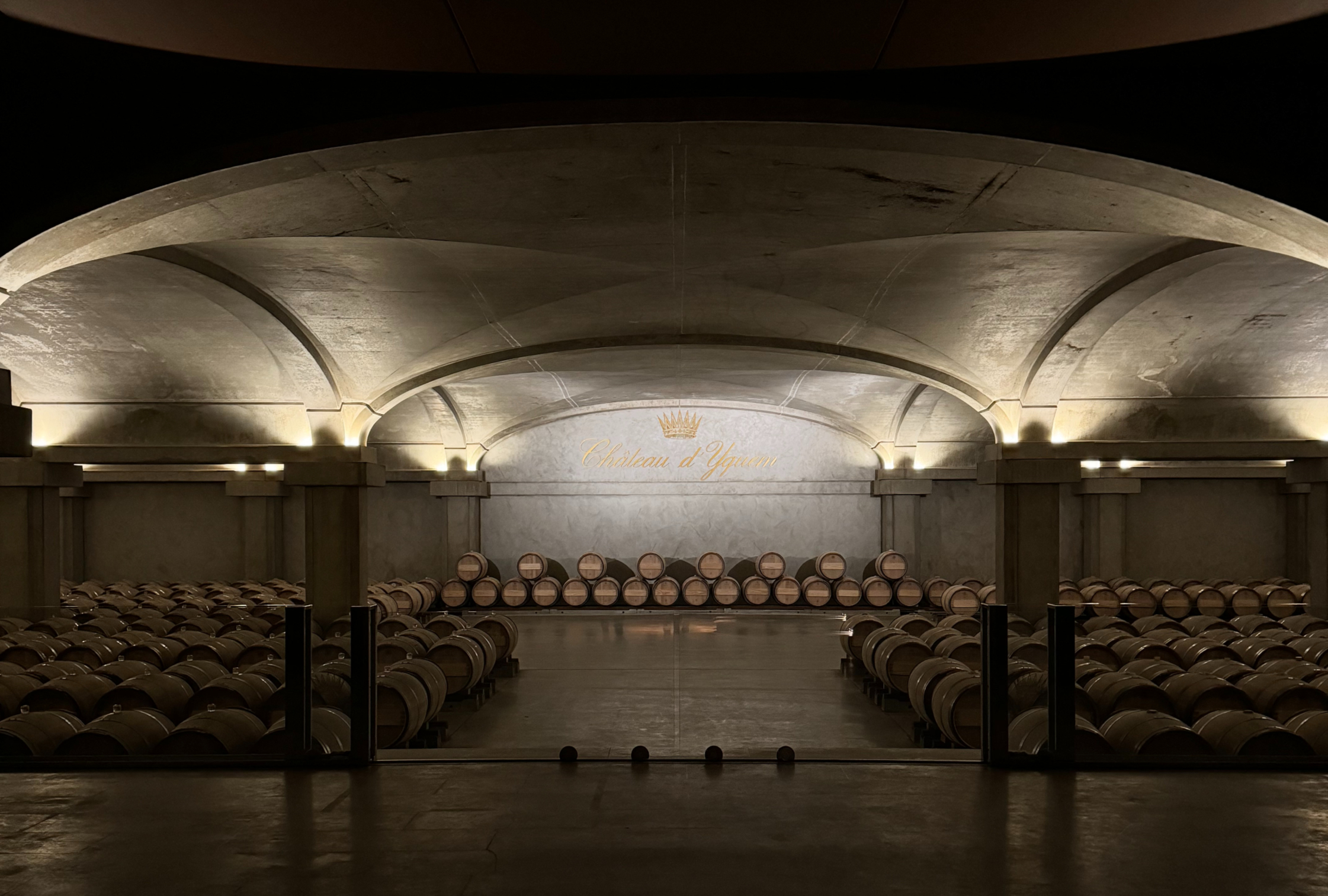
Tua Rita operates as a working estate in the Notri hills outside Suvereto — agricultural in character, not designed for spectacle. The address, Località Notri 81, puts it in a specific micro-zone of the Val di Cornia, and the winery's identity is rooted in that precise geography rather than in visitor infrastructure. Its Pearl 4 Star Prestige recognition in 2025 reflects reputation built through the wine itself.
What's Tua Rita Winery's location?
Tua Rita Winery is located at Località Notri, 81, 57028 Suvereto LI, Suvereto.
Does Tua Rita Winery have any notable recognition?
Tua Rita Winery has received recognition including: Pearl 4 Star Prestige (2025).
What wine is Tua Rita Winery famous for?
Tua Rita built its international standing largely on Merlot grown at the Notri estate, with Redigaffi — a 100% Merlot produced since 1994 — drawing serious attention from Italian wine critics and collectors. Winemaker Stefano Frascolla has continued in a tradition that treats international varieties as legitimate vehicles for Suvereto terroir expression rather than stylistic concessions.
What's the main draw of Tua Rita Winery?
The draw is access to one of Val di Cornia's most closely watched estates at its source. Tua Rita's Pearl 4 Star Prestige award (2025) positions it within a comparable set of serious Italian producers, and Suvereto itself — inland from the Tyrrhenian coast in the province of Livorno — remains less trafficked than Bolgheri to the north, which means the wines travel more than the visitors do.
Address
Località Notri, 81, 57028 Suvereto LI
Suvereto · Tuscany
How it compares
- Cuisine
- Merlot, Cabernet Sauvignon
- Price
- $$$$
- Awards
- 1 recognition
- Notes
- Suvereto
- Cuisine
- Merlot
- Price
- $$$$
- Awards
- 1 recognition
- Notes
- Castagneto Carducci
- Cuisine
- Sangiovese
- Price
- $$$$
- Awards
- 1 recognition
- Notes
- Montalcino
- Cuisine
- Sangiovese
- Price
- $$$$
- Awards
- 1 recognition
- Notes
- Castelnuovo dell’Abate
- Cuisine
- Cabernet Franc, Merlot
- Price
- $$$$
- Awards
- 1 recognition
- Notes
- Bolgheri
- Cuisine
- Sangiovese, Merlot
- Price
- $$$
- Awards
- 1 recognition
- Notes
- Chianti Rufina