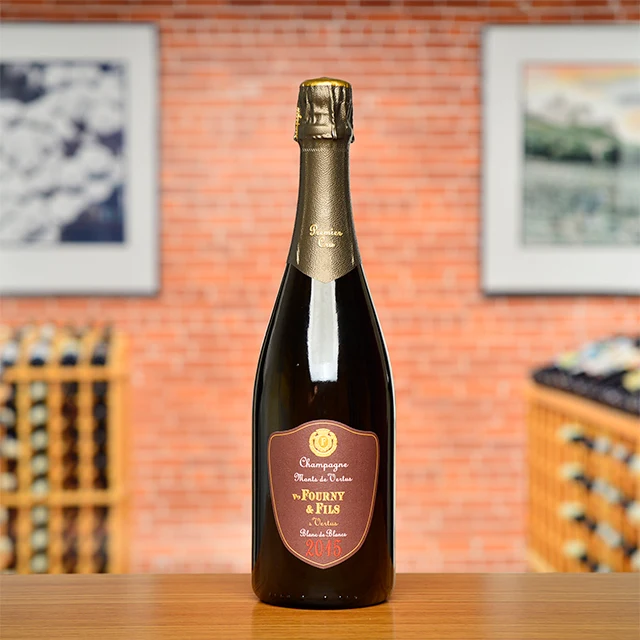
First pressing from Premier Cru fruit
- Pearl 3 Star Prestige · 2025
First pressing as a house rule
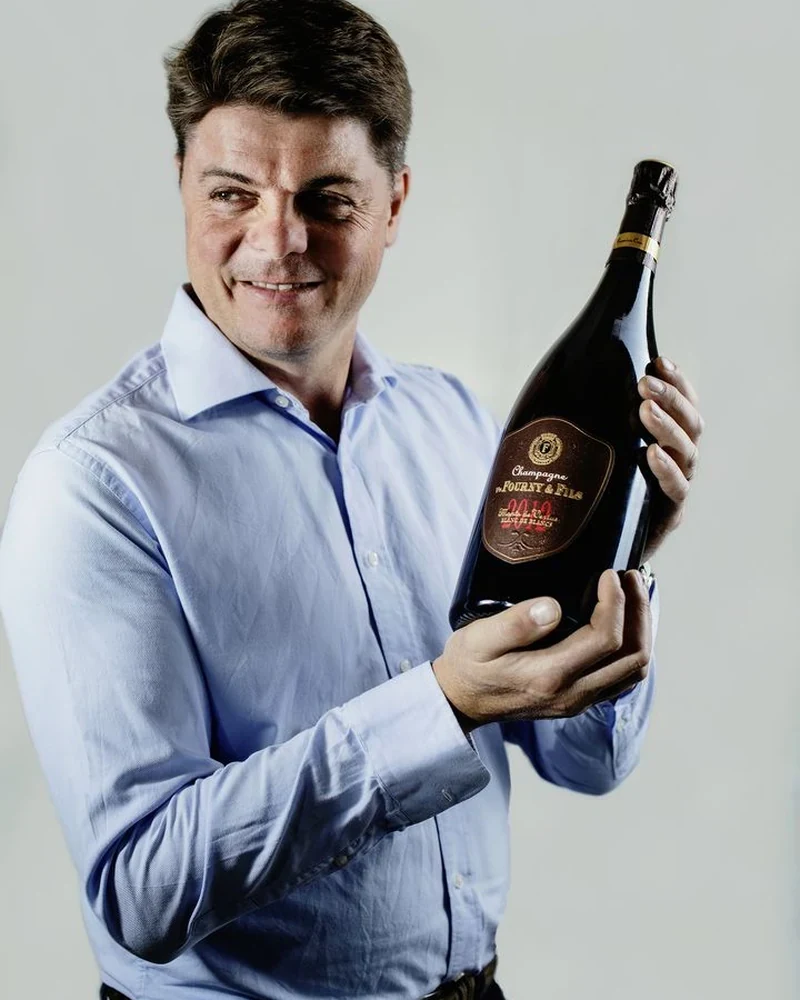
Charles-Henry Fourny keeps the first pressing separate in the cellar as winemaker at Veuve Fourny & Fils in Blancs-Coteaux. Since 1993, he has co-run the family Champagne house and made the wine, dividing the work between vineyard decisions and cellar discipline. The estate itself reaches back to 1856, a fifth generation family operation in Vertus, now part of Blancs-Coteaux, where continuity is less a sentiment than a daily constraint. Fourny states the rule plainly: “We only make Champagne from Premier and Grand Cru plots, and we only use grape juice from the first pressing.” That sentence gives the place its frame. The hand does not have to announce itself loudly when the limits are that tight: Premier Cru and Grand Cru fruit, Chardonnay and Pinot Noir, first-press juice, and a house style built for mineral line and dry freshness. Clos Faubourg Notre-Dame, held as a monopoly since 1930, gives the domaine its fixed point of reference, a walled Premier Cru parcel treated as more than a label on the range.
A clos before a cellar
The program begins with site selection rather than ornament. Veuve Fourny & Fils works in Champagne AOC, with sparkling wine as the house’s discipline and Chardonnay at the center of its Blanc de Blancs identity. The estate describes itself in spare language: “One family, one clos, one Premier Cru.” The phrase is useful because it is bounded. It names ownership, enclosure and classification, not mood. Clos Faubourg Notre-Dame carries the estate’s most concentrated statement of place; its wall matters because it gives the vineyard a physical edge, and that edge becomes part of the cellar logic. The house also holds HVE certification, a concrete marker of its sustainable vineyard approach. Inside that frame, the method depends on restraint: fruit from selected Premier Cru and Grand Cru plots, first pressing only, and a cellar practice that aims to keep the raw material legible. Charles-Henry’s Grande Réserve Brut Premier Cru NV sits in that line, a wine shaped to show the same mineral, clean, dry and fresh register he names for the house.
The low temperature of the cellar
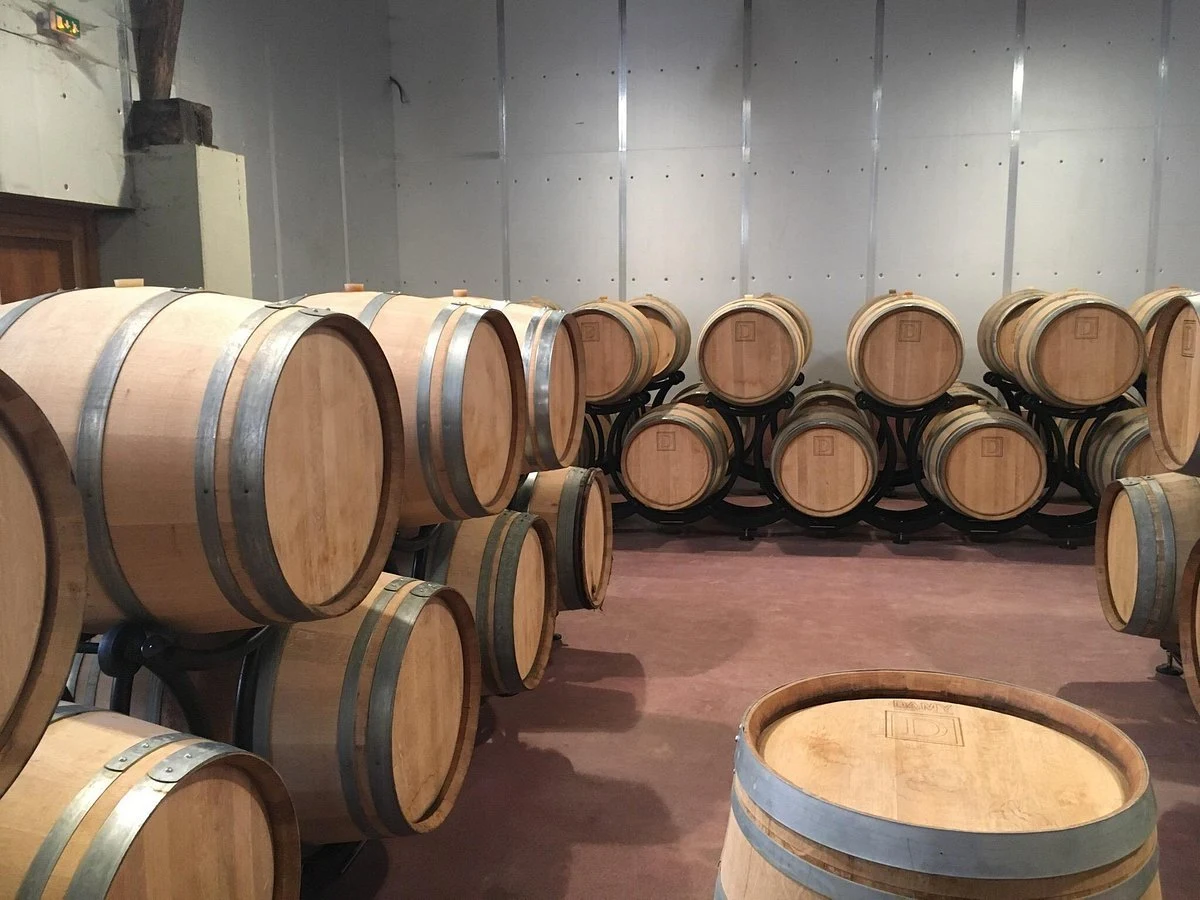
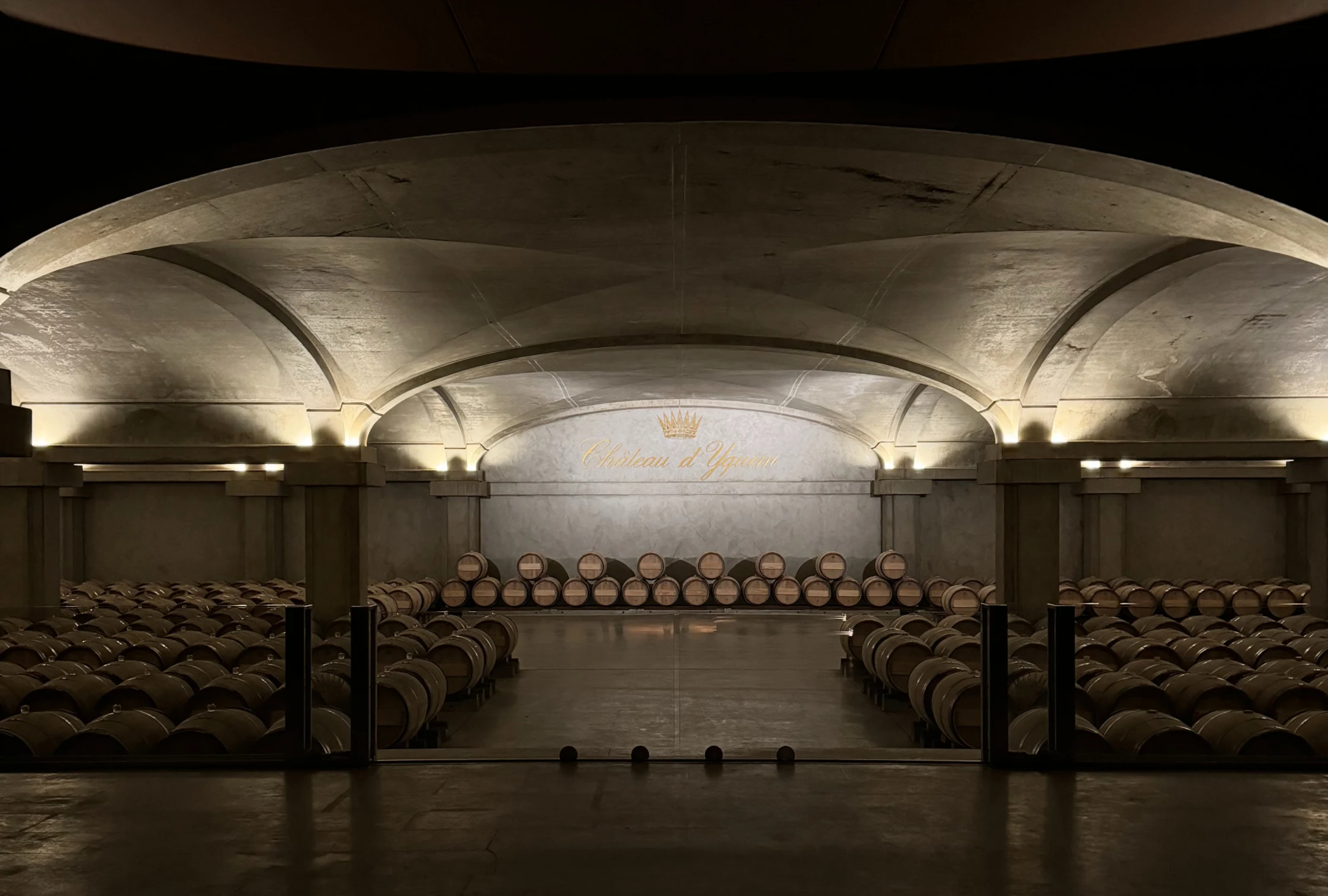
The cellars are 19th-century and kept at a low constant temperature, the kind of room where Champagne work asks for patience before flourish. The tasting happens in the cave, close to the method rather than separated from it, with the conversation naturally pulled toward the clos, the press and the long family line. This is not a large theatrical setting; the estate is a small artisanal producer, and the scale keeps attention on the bench-side details of the cellar. Bottles rest under stone and time, while the walled vineyard remains the mental map for the house. The room’s quiet suits the wines: conversational, classic, and tied to Vertus without needing to overstate the point. What matters here is the repeatable discipline, the same boundaries held from vineyard to cuvée. The first pressing is Clos Faubourg Notre-Dame.
Questions
Frequently asked
Who makes the Champagne at Veuve Fourny & Fils?
Charles-Henry Fourny makes the wine and has co-run the family house since 1993.
What is the house style at Veuve Fourny & Fils?
The house works with Premier Cru and Grand Cru fruit, uses only the first pressing, and aims for a mineral, dry and fresh style.
What is Clos Faubourg Notre-Dame?
Clos Faubourg Notre-Dame is the estate’s walled Premier Cru parcel, held as a monopoly since 1930 and treated as a fixed point of reference for the domaine.
Is Veuve Fourny & Fils open for walk-ins?
Visits are by appointment only.
The field
How it compares
| Place | Notes | Awards |
|---|---|---|
| Veuve Fourny & Fils | Blancs-Coteaux, $$$ | · |
| Champagne Doyard-Mahé | Blancs-Coteaux | · |
| Château d'Yquem | Sauternes | World's 50 Best |
| Château Pape Clement | Pessac | World's 50 Best |
| Domaine du Comte Liger-Belair | Vosne-Romanée | · |
| Domaine Jacques-Frédéric Mugnier | Premeaux-Prissey | · |
| Laherte Frères | Blancs-Coteaux | · |