Vignobles de L'Etat, Institut agricole de l'Etat de Fribourg
- 01CityHauterive Fribourg, Switzerland
Biodynamic Vully from ten hectares
- Falstaff Winery - Listed · 2026
- Falstaff Winery - 3 Stars · 2026
Mineral lift from a small appellation
The cellar work turns on minerality and length. Christian Vessaz, winemaker at Cru de l'Hôpital in Motier Vully, has led the estate since 2002, reading Vully through texture, aromatic precision and the modest scale of its slopes above Lake Murten. His station is both technical and civic: the estate belongs to the Bourgeoisie de Morat, the citizens' corporation of Murten, and its origin reaches to 1464, when its wines served the Bürgerspital of Morat. That history gives the cellar a different pressure from a private domaine. The predecessor here is not one family name, but a public obligation carried over centuries.
Vessaz is also an oenologist, and his language stays close to what the glass can prove. He has described Vully as 150 hectares of vines, about 1% of the Swiss surface, a compact geography where small changes show quickly. Before this post, he worked as cellar master at Mont Vully vineyard in Mont-Vully in 2002, within the same regional vocabulary of lake, slope and mineral soil. At Cru de l'Hôpital, that continuity matters. The work is not a break from the place, but a refinement of it.
Ten hectares under biodynamic discipline
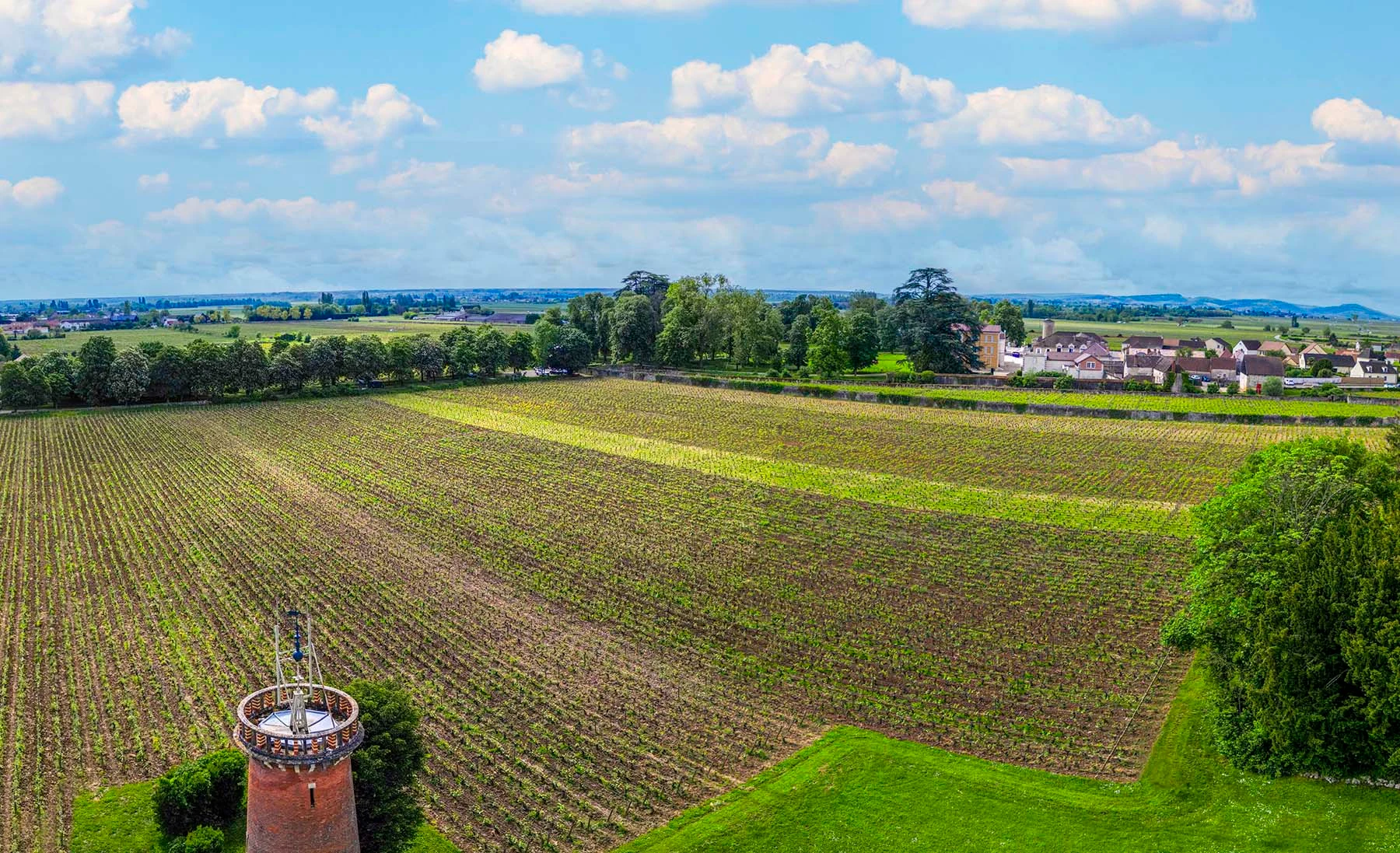
The vineyard is farmed biodynamically across 10 hectares and has held Demeter certification since 2013. Chasselas takes 35% of the vineyard, Pinot Noir 30%, with Traminer, Pinot Gris, Chardonnay, Gamaret and Freiburger in the remaining rows. The fruit is estate-grown, and the farming asks the vines to answer shallow, mineral-rich slopes facing Lake Murten, where limestone, clay and gravel meet a lake-tempered microclimate.
In the cellar, Vessaz treats Chardonnay as a question of proportion. One part ferments in stainless steel for fruit and freshness; another is raised in barriques with bâtonnage, then blended before bottling. The method gives the wine two registers without making oak the point. Chasselas and Traminer stay closer to freshness and aromatic definition, while Pinot Noir carries the red program with restraint. Around 90,000 bottles leave the estate in a year, a medium scale for a place whose appellation remains small enough for one winemaker's hand to register.
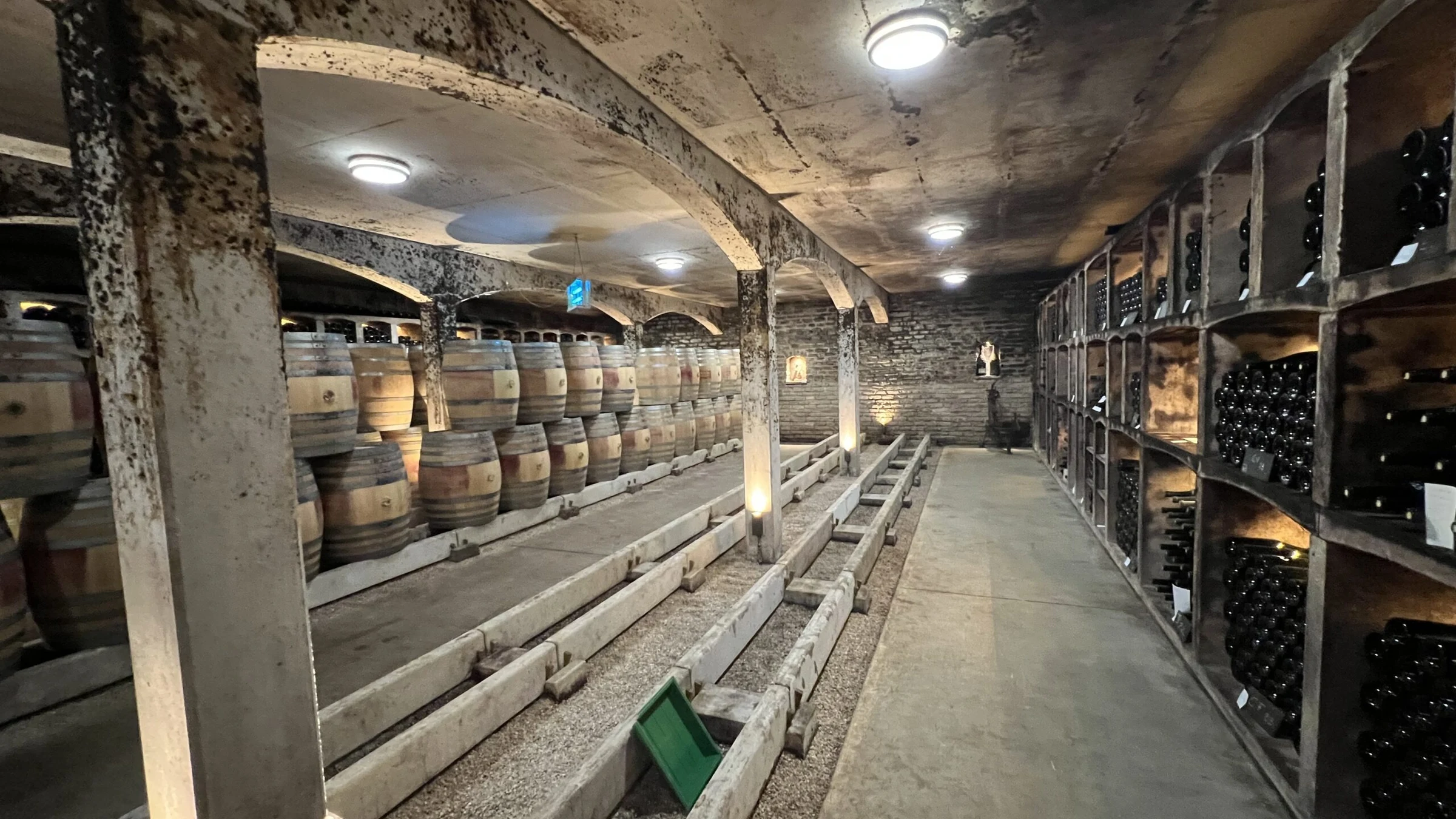
The cellar below Lake Murten light
The room around the work is quiet, with the gravity of an old Swiss estate rather than the polish of a tasting set. The vineyards hold the place in view: Mont Vully behind, Lake Murten below, Murten across the water. In that setting, the tasting room, cellar and vineyard visit are not separate performances. They are three angles on the same bench of work.
The varieties carry the local accent. Chasselas gives the white program its line; Traminer brings the aromatic register for which the region is known; Pinot Noir keeps the reds fine-boned. Vessaz's own measure for the place is not force, but vibration, precision and length on the palate. Cru de l'Hôpital is about the slope and the glass, with Lake Murten and Chasselas speaking plainly.
Questions
Frequently asked
Who makes the wine at Cru de l'Hôpital?
Christian Vessaz has led the estate since 2002. He is the winemaker and also works as an oenologist.
What kind of farming does the estate use?
The vineyard is farmed biodynamically across 10 hectares and has held Demeter certification since 2013.
What wines and grapes are associated with the estate?
Chasselas is the main variety, with Pinot Noir also prominent. The remaining plantings include Traminer, Pinot Gris, Chardonnay, Gamaret and Freiburger.
What is the history behind the place?
The estate belongs to the Bourgeoisie de Morat, the citizens' corporation of Murten, and its origins reach back to 1464, when its wines served the Bürgerspital of Morat.
Is it worth booking ahead?
Reservations are recommended, and there is on-site parking.
The field
How it compares
| Place | Notes |
|---|---|
| Vignobles de L'Etat, Institut agricole de l'Etat de Fribourg | Hauterive, $$ |
| Château Pontet-Canet | Pauillac |
| Domaine Arnaud Ente | Meursault |
| Domaine Georges Mugneret-Gibourg | Vosne-Romanée |
| Domaines Barons de Rothschild (Lafite) | Bordeaux |
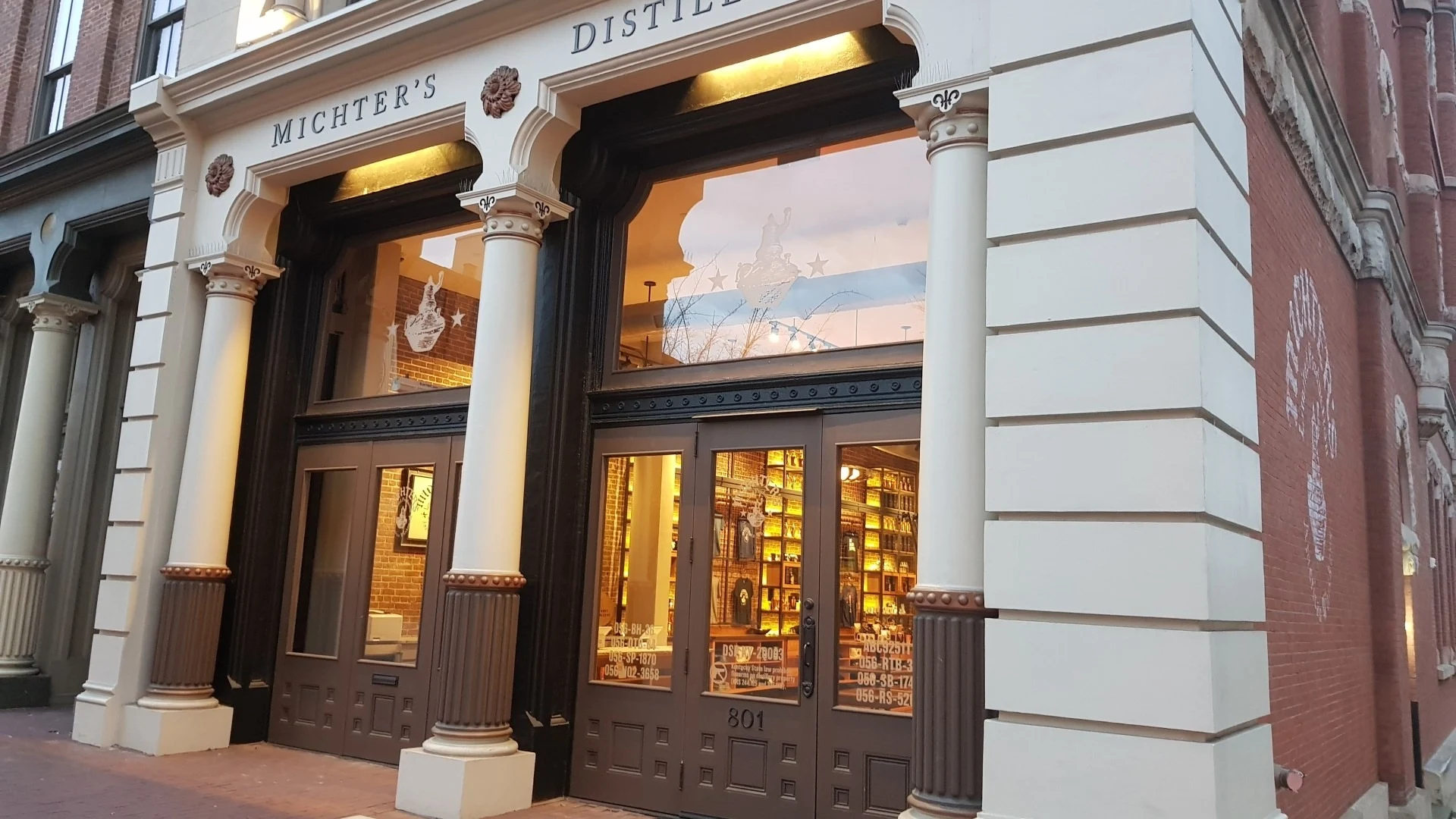
| Michter's | Louisville |
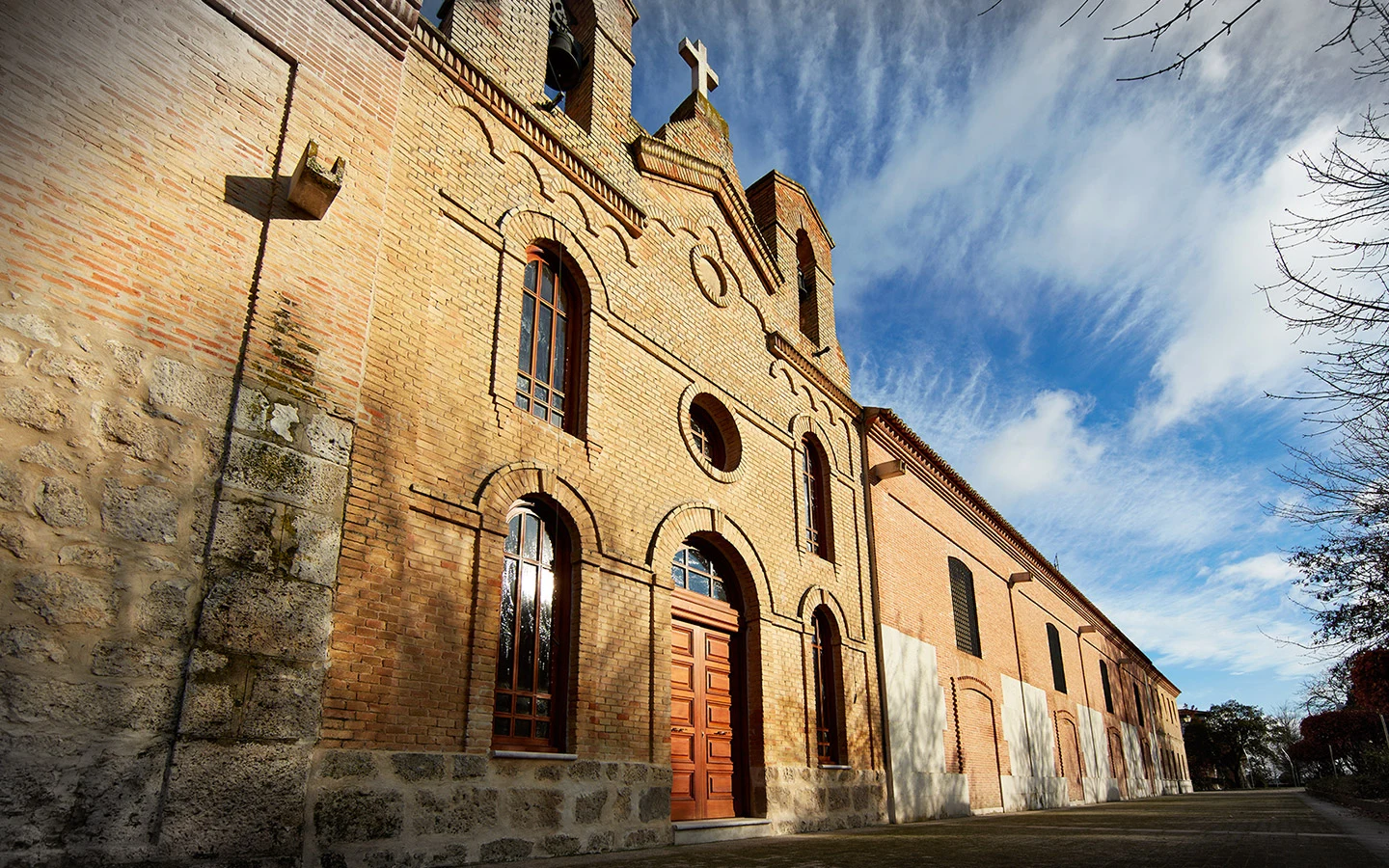
| Vega Sicilia | Valbuena de Duero |