- Michelin Bib Gourmand · Michelin Guide
- Michelin Bib Gourmand · 2026
- Michelin Bib Gourmand · 2025
- Michelin Bib Gourmand · 2024
Japanese Cooking at Counter Level, in a Town That Wasn't Expecting It
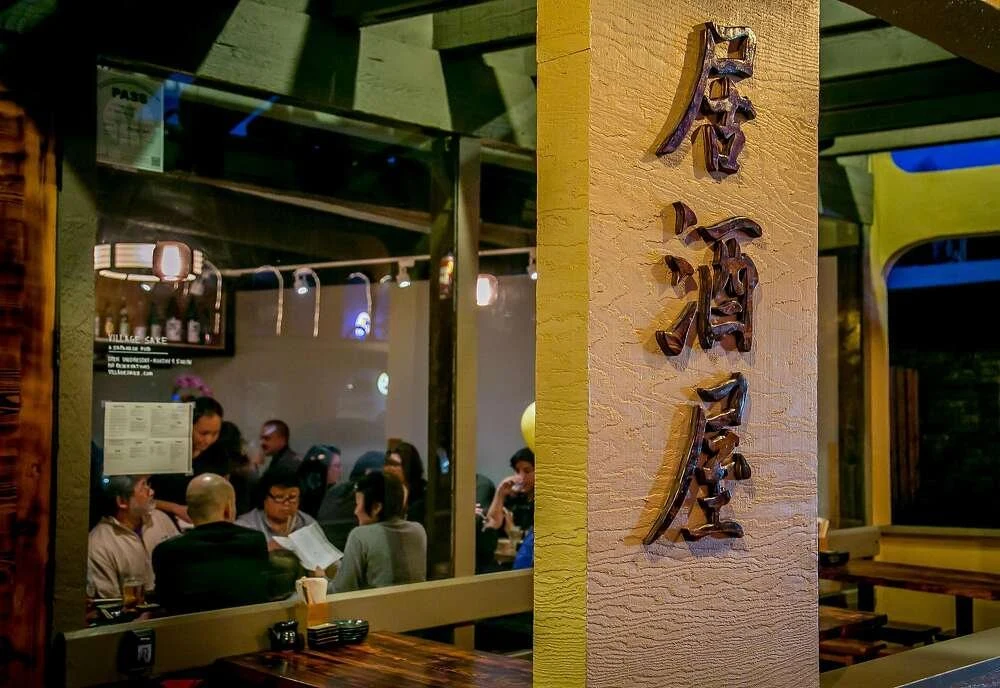
Fairfax sits in Marin County about twenty miles north of San Francisco, a small, unhurried town better known for its farmers market and cycling trails than for restaurant destinations. That context matters, because Village Sake holds consecutive Michelin Bib Gourmand recognition for 2024 and 2025. In California's broader Japanese dining scene, the Bib Gourmand designation signals something specific: cooking that meets Michelin's quality threshold without the pricing structure of a full-star house. The distinction puts Village Sake in a comparable set that includes neighbourhood Japanese rooms punching well above their price tier, rather than the omakase counters of downtown Los Angeles or the kaiseki formalists who occupy the best of the state's Japanese dining bracket.
That bracket, for reference, includes counters like Hayato and rooms like n/naka in Los Angeles, where the price point and format signal a different category of commitment from both kitchen and guest. Village Sake operates differently, a double-dollar-sign price range and a Google rating of 4.7 across 220 reviews suggest a room that has built genuine local loyalty without positioning itself as a special-occasion-only destination.
The Counter as Stage: Live Preparation and the Teppanyaki Tradition
Japanese cooking has always understood the performance dimension of food preparation. Teppanyaki, in its classical form, made theatre explicit, the flat iron griddle positioned so the guest watches every stage of cooking unfold in real time, heat management and timing fully visible. That tradition of counter-side transparency runs deeper than the showmanship it's sometimes reduced to in Western adaptations. At its core, the live-preparation format changes the guest's relationship to the food: timing is no longer abstract, the sequence of courses has a logic you can observe, and the cook's decisions become part of the experience rather than hidden in a back kitchen.
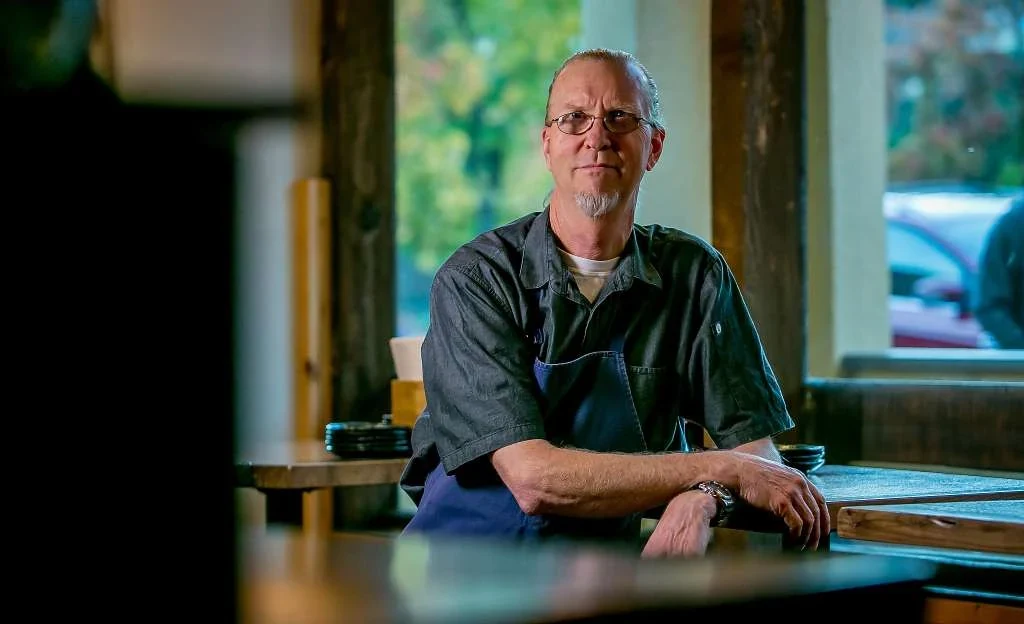
The broader shift in American Japanese dining over the past decade has moved toward this transparency at multiple price levels. The omakase format, once confined to high-end sushi counters, has migrated into more casual registers. Chef-facing counter seating has become a design default rather than a premium option. Village Sake, under chef Scott Whitman, sits within this movement, a Japanese kitchen in a small-town California setting where the counter format and live preparation carry the weight of the experience rather than elaborate room design or multi-hour tasting sequences.
This approach has a useful parallel in how Tokyo's mid-tier Japanese rooms operate. Spots like Myojaku and Azabu Kadowaki demonstrate that serious Japanese cooking doesn't require maximalist ceremony, proximity to the preparation, and confidence in the technique, does the communicating. The teppanyaki principle, broadly understood, is about making skill visible. Village Sake's recognition by Michelin in two consecutive years suggests the kitchen has something worth watching.
Where Village Sake Sits in the California Japanese Conversation
California's Japanese dining scene has stratified significantly. At the leading, counter omakase and kaiseki tasting menus at restaurants like Hayato operate in a formal, high-spend register. Below that, a growing tier of technically serious but more approachable Japanese rooms has expanded, partly driven by chef diaspora from higher-end kitchens, partly by a guest appetite for Japanese flavour profiles without the booking lead times and per-head commitments that the upper tier demands.
The Bib Gourmand category exists precisely to recognise this middle tier. Across California and nationally, at rooms ranging from Lazy Bear in San Francisco to individual Bib-recognised spots in Chicago neighbourhoods, the designation has come to function as a quality signal for value-conscious diners who track Michelin seriously. Village Sake holding that designation in consecutive years indicates the consistency that Michelin inspectors weight heavily; a single-year recognition can reflect a strong moment, but two consecutive cycles suggest a kitchen operating at a stable level.
For context on how other Japanese-influenced rooms in the Los Angeles area are positioned, the Bar Sawa and Hinoki and the Bird both work with Japanese flavour logic at different price registers, and the 715 represents a different point on the LA Japanese dining spectrum. Village Sake, geographically north and priced below most of these, occupies a distinct position rather than competing directly.
Fairfax as a Dining Destination
The address itself carries editorial weight. Fairfax is not a dining destination in the way that Los Feliz or Silver Lake functions within Los Angeles, or the way that Healdsburg has positioned itself around restaurants like Single Thread Farm. It is a residential town with a specific Northern California character, politically progressive, outdoor-oriented, demographically mixed between longtime locals and Bay Area professionals who moved north for space. A Japanese kitchen earning national recognition in that context builds its reputation almost entirely on the food itself, without the tailwind of a high-profile neighbourhood or a city dining circuit that drives traffic.
That geography shapes the type of guest who seeks Village Sake out. The 220 Google reviews reflect a community that has tested the room repeatedly rather than a tourist-driven profile of one-time visitors. A 4.7 rating at that review volume, in a town this size, implies consistent delivery over time rather than the initial-buzz effect that inflates scores at newly-opened urban rooms.
Know Before You Go
| Address | 19 Bolinas Rd, Fairfax, CA 94930 |
|---|---|
| Cuisine | Japanese |
| Chef | Scott Whitman |
| Price range | $$ (Michelin Bib Gourmand) |
| Awards | Michelin Bib Gourmand 2024 and 2025 |
| Guest rating | 4.7 / 5 (216 Google reviews) |
| Booking | Contact the venue directly; hours not listed, confirm before visiting |
| Getting there | Fairfax is approximately 20 miles north of San Francisco via US-101; street and lot parking available in central Fairfax |
The Sunday letter
Get new places like Village Sake every Sunday.
One email a week with the restaurants, bars and hotels we have just written up, and the people who run them.
One email a week. Unsubscribe from any issue.
Questions
Frequently asked
What recognition does Village Sake hold?
Village Sake holds a Michelin Bib Gourmand.
Who works at Village Sake?
Made By profiles Scott Whitman (Chef) at Village Sake.
How expensive is Village Sake?
Village Sake is listed at a price level of $$$.
Where is Village Sake and what does it serve?
Village Sake is in Westlake, Fairfax, serving Neighborhood Izakaya.
The field
How it compares
| Place | Cuisine | Notes | Awards |
|---|---|---|---|
| Village Sake | Neighborhood Izakaya | Westlake, $$$ | · |
| Addison | Modern California Fusion Fine Dining | San Diego | Michelin 3 Stars, World's 50 Best |
| Frantzén | Modern Nordic Fusion with Japanese Influences | Stockholm | Michelin 3 Stars, World's 50 Best |
| HAJIME | Avant-Garde Japanese Fine Dining | Osaka | Michelin 3 Stars, World's 50 Best |
| MAZ | Innovative Peruvian-Japanese Fusion | Tokyo | Michelin 2 Stars, World's 50 Best |
| Saison | Modern Fire-Forward Fine Dining | San Francisco | Michelin 2 Stars, World's 50 Best |
| Steirereck im Stadtpark | Modern Austrian Fine Dining | Vienna | Michelin 3 Stars, World's 50 Best |
In residence
Similar places
Modern California Fusion Fine Dining
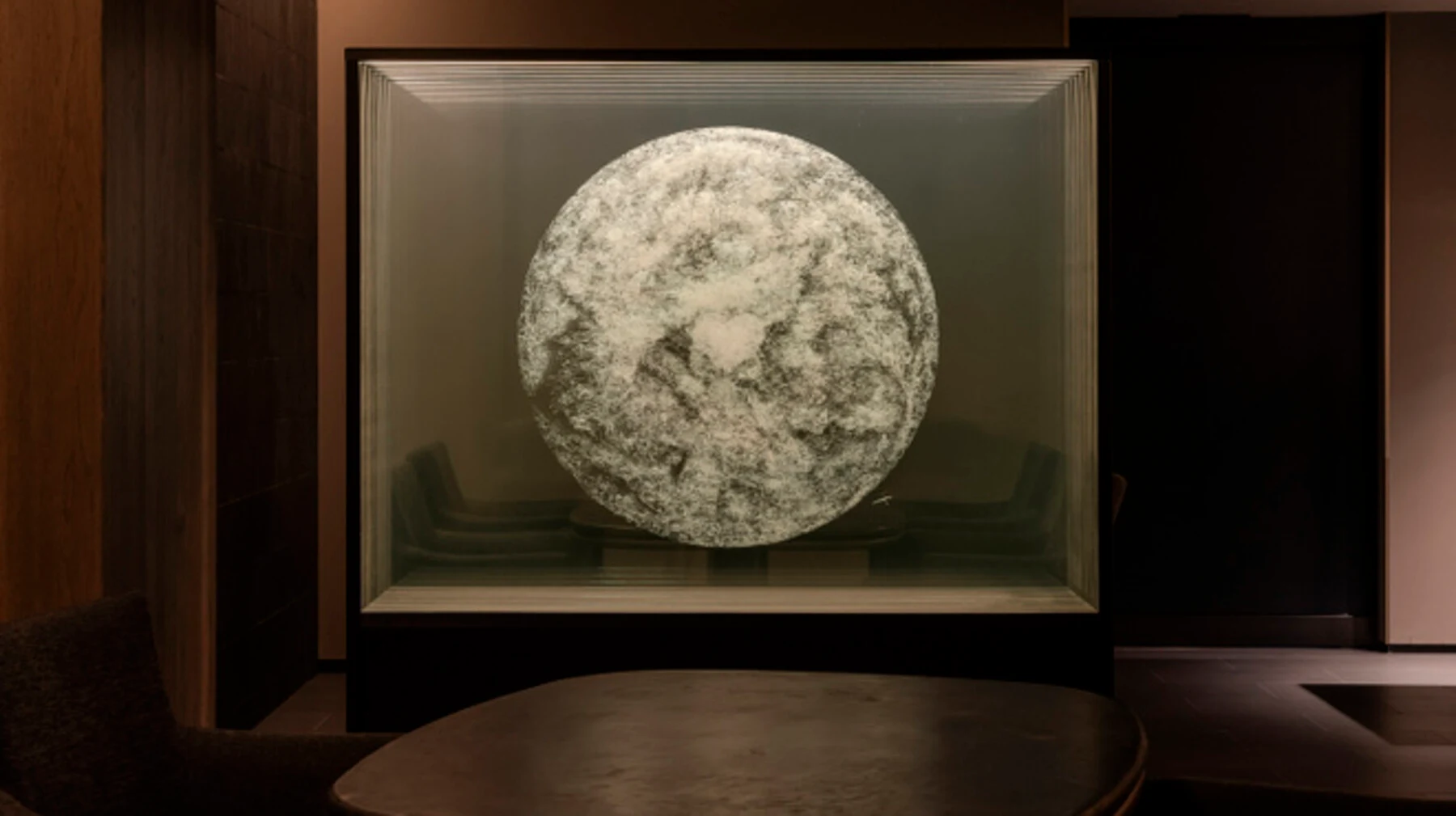
Addison
San Diego, United States
★★★ · 50 Best
Modern Nordic Fusion with Japanese Influences
Frantzén
Stockholm, Sweden
★★★ · 50 Best
Avant-Garde Japanese Fine Dining
HAJIME
Osaka, Japan
★★★ · 50 Best
Innovative Peruvian-Japanese Fusion
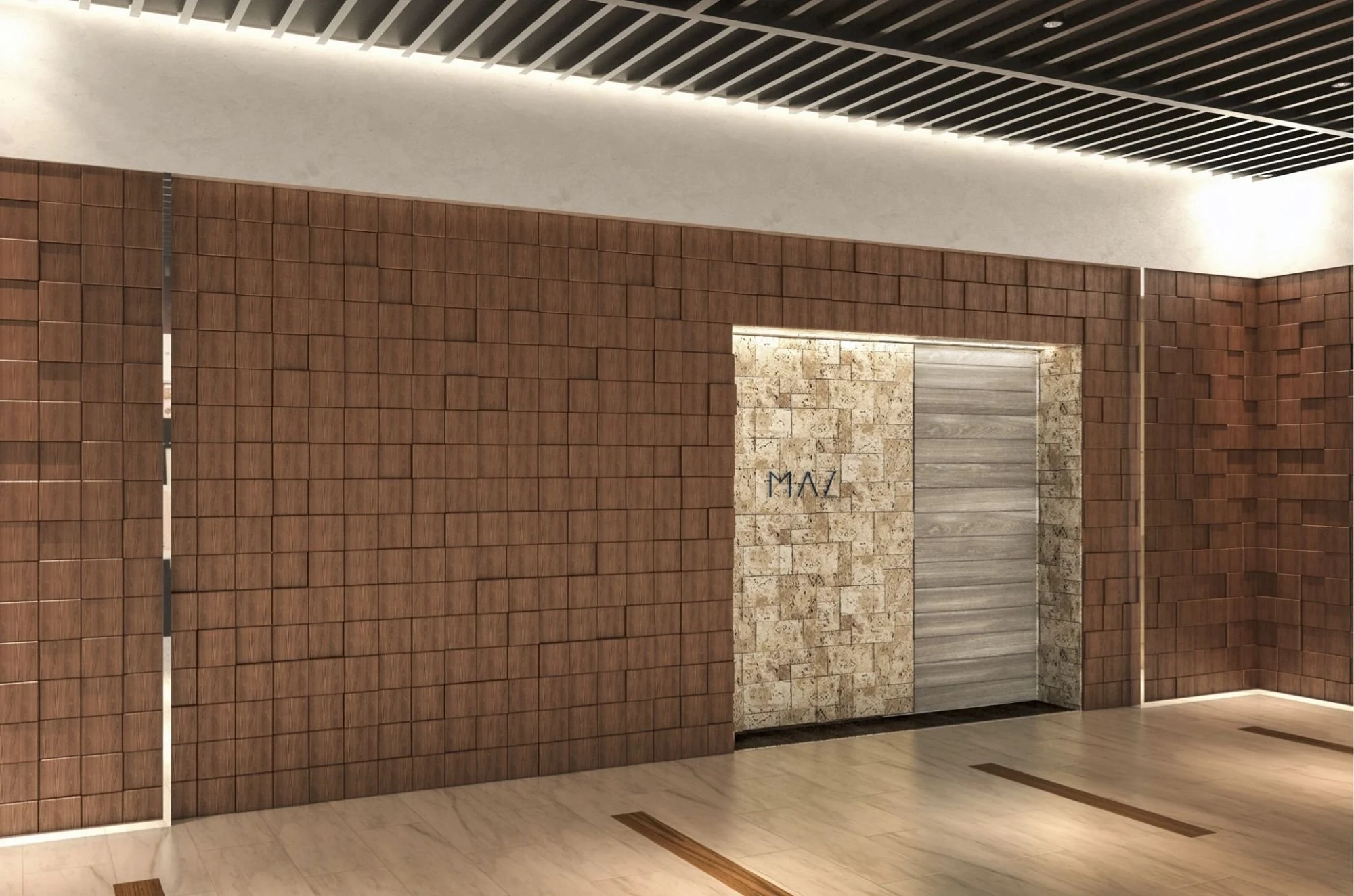
MAZ
Tokyo, Japan
★★ · 50 Best
Modern Fire-Forward Fine Dining
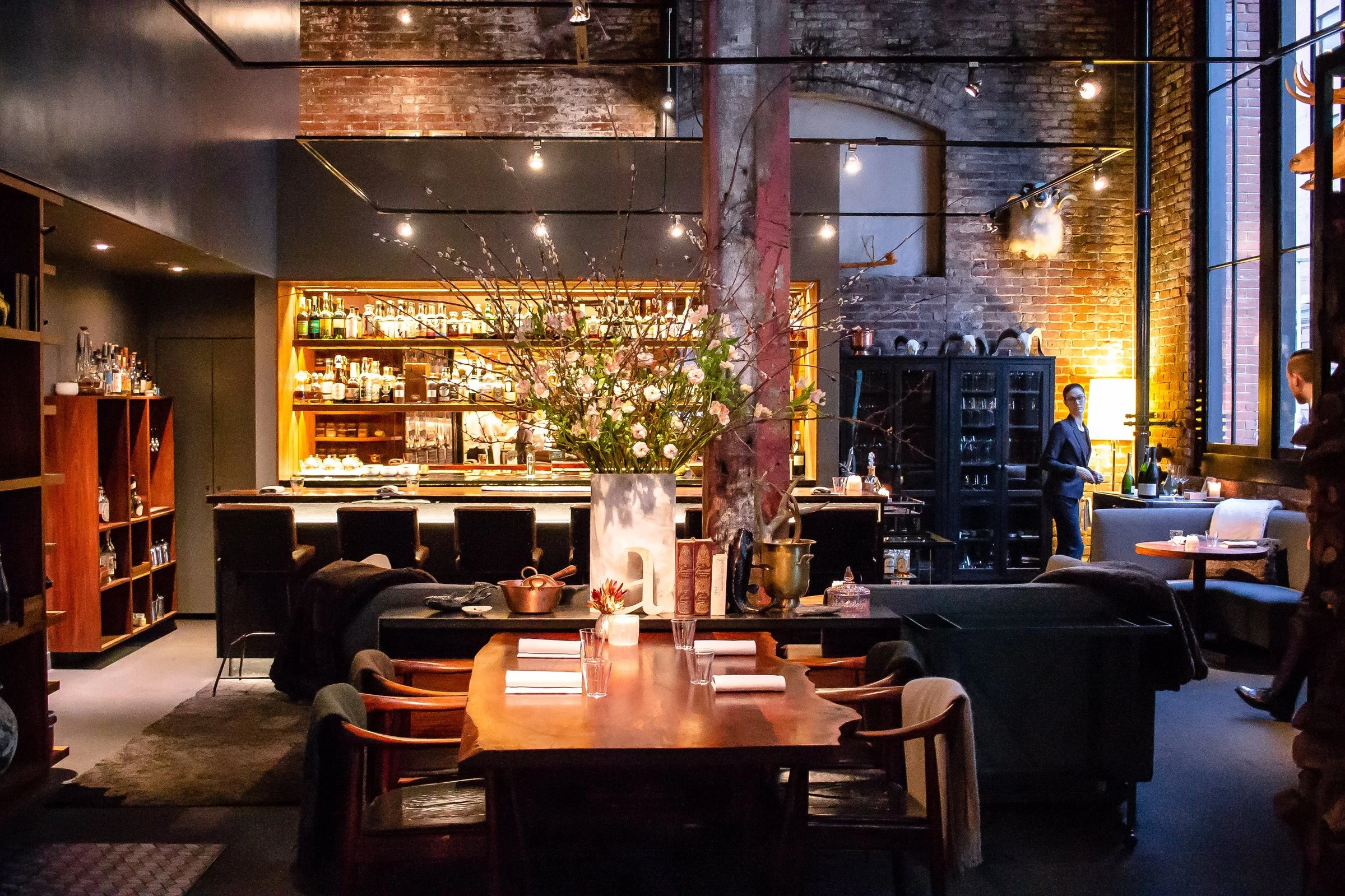
Saison
San Francisco, United States
★★ · 50 Best
Modern Austrian Fine Dining
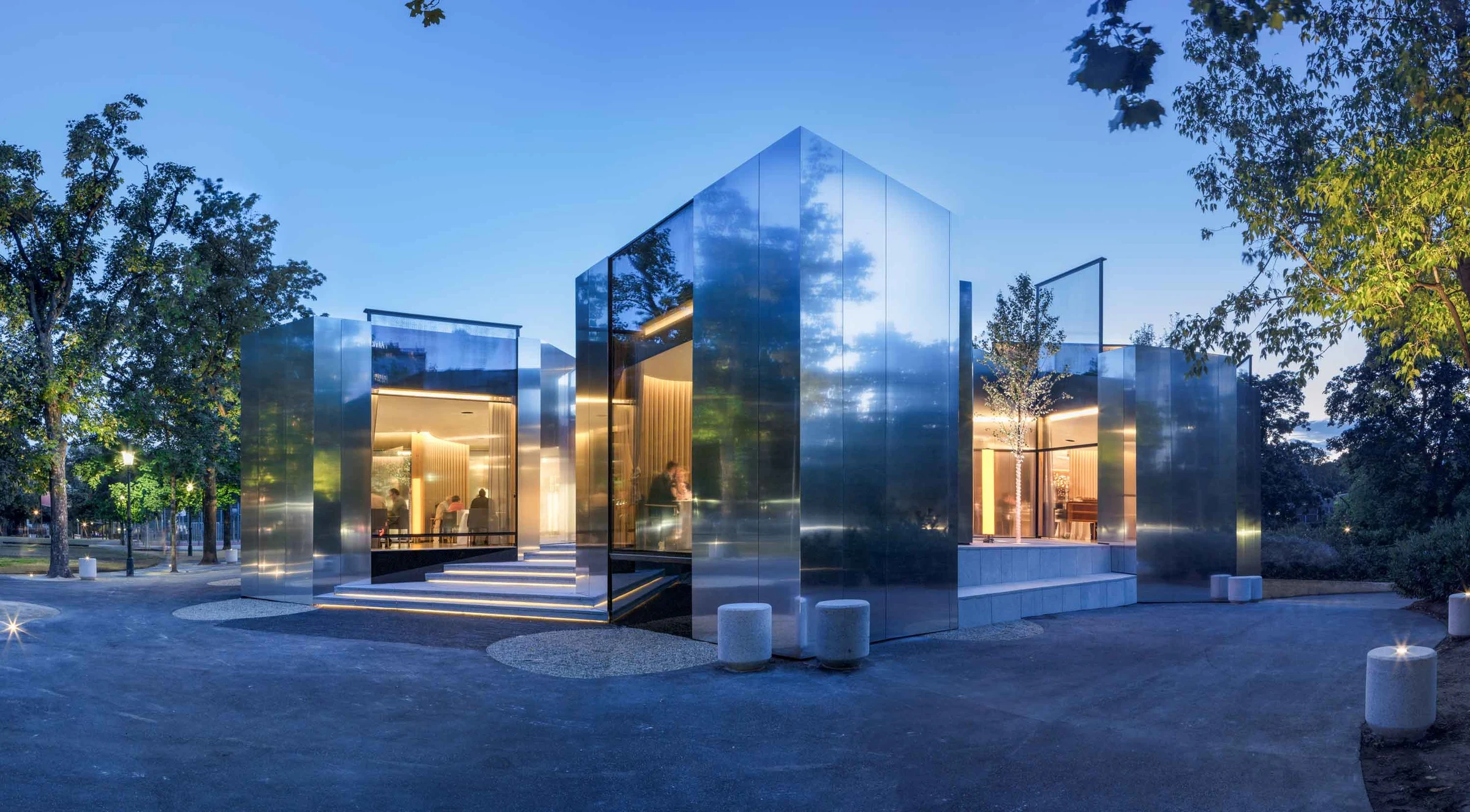
Steirereck im Stadtpark
Vienna, Austria
★★★ · 50 Best
The Sunday letter
Get the next Made By story in your inbox.
We send one email every Sunday morning with the places and people we covered that week.
One email a week. Unsubscribe from any issue.