Wagamama
- 01CuisineModern Pan-Asian with Japanese Inspiration
- 02CityNew York City, United States
Open kitchens, bowls, and bao
Format, pace, and the open kitchen
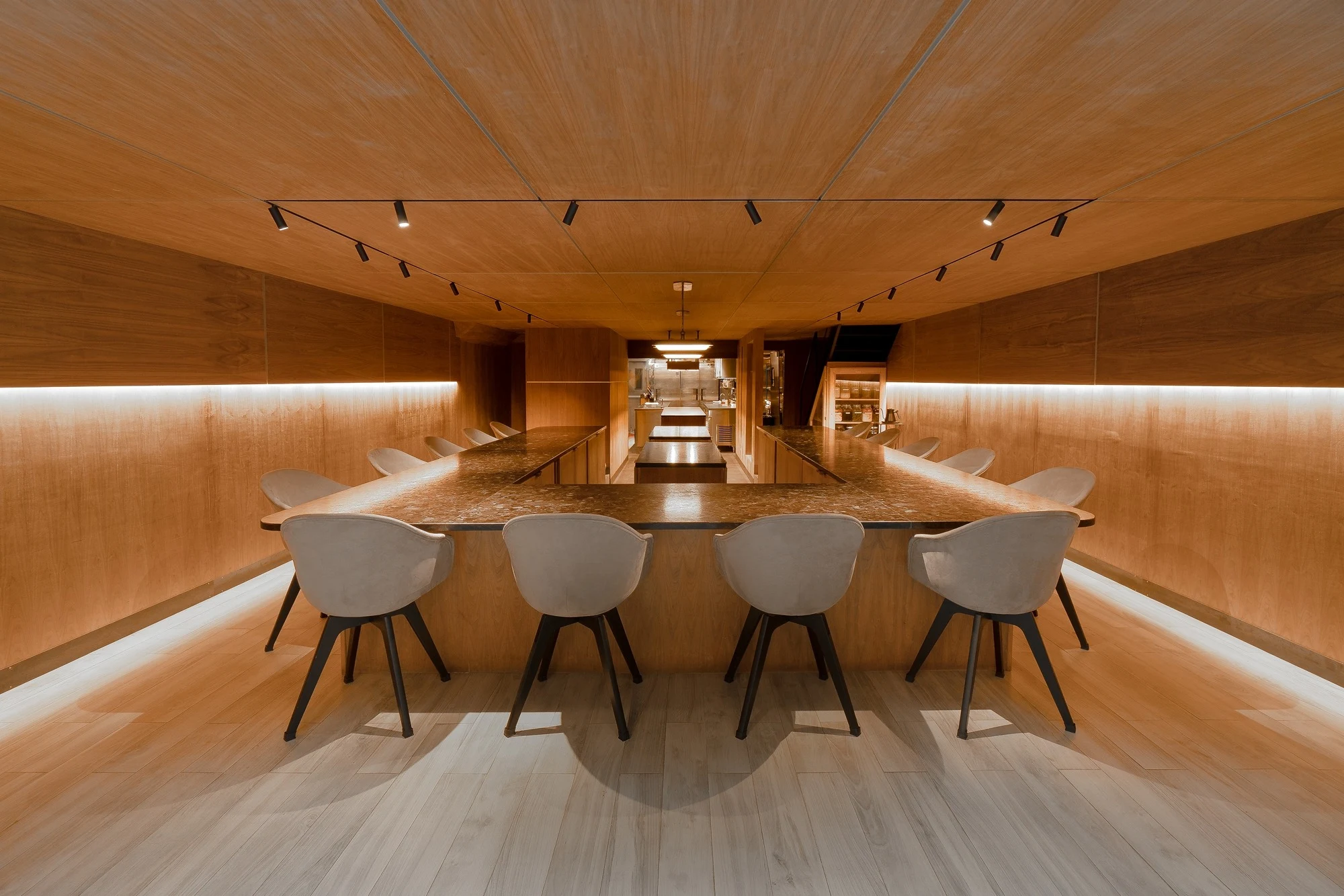
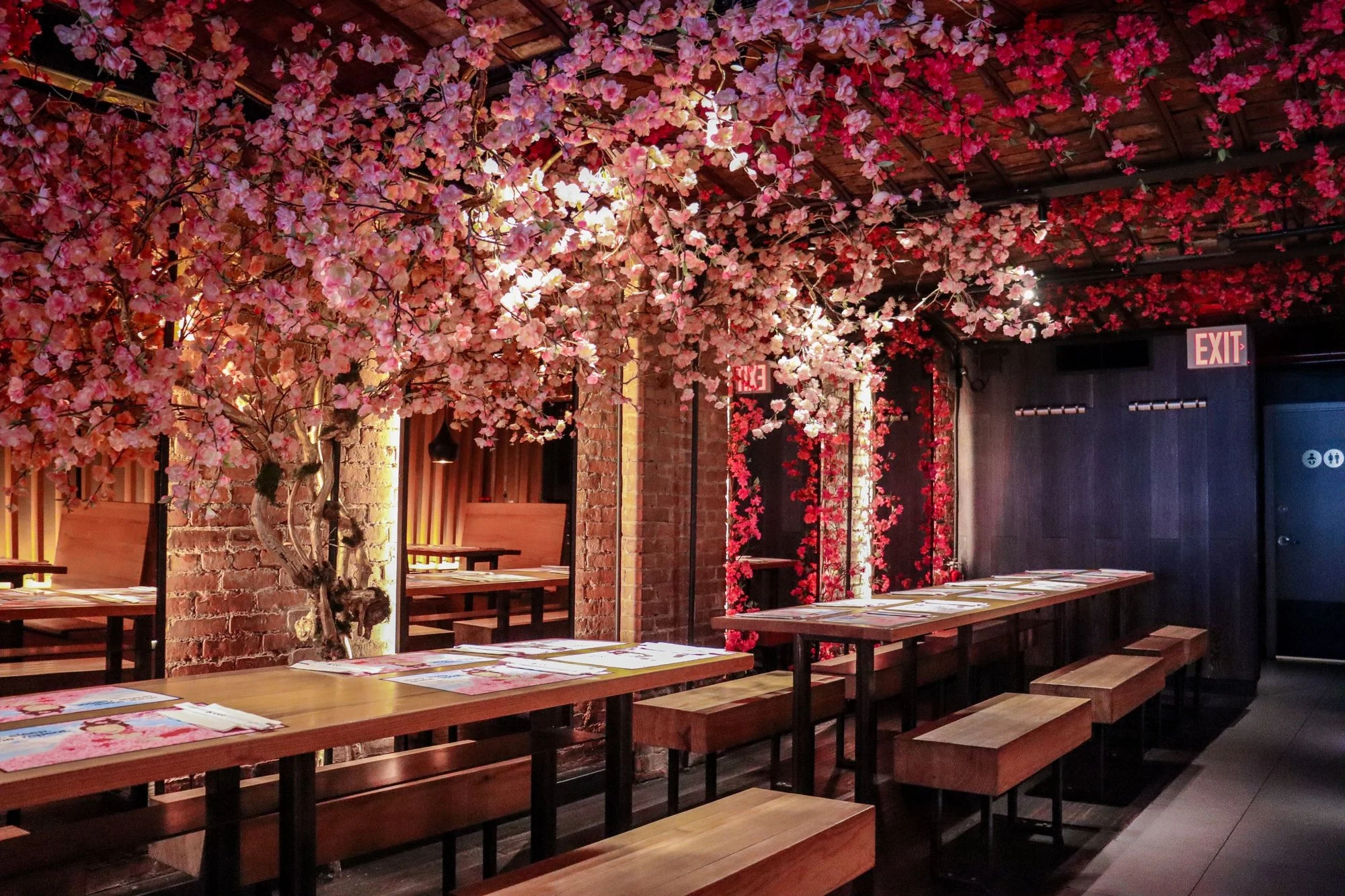
Communal seating, open kitchens, and a quick dining rhythm set the terms at Wagamama in Midtown, New York City. The room is built as a complete proposition rather than a menu placed inside a space: format, pace, seating, and menu engineering working together. The guest reads the kitchen, the room keeps moving, and the food arrives in forms built for sharing, repetition, and speed without losing the bench-side clarity of the dish.
No chef is named in the record around this address, which suits the way the house presents itself. The identity sits in the system rather than in a single hand: modern pan-Asian cooking with Japanese inspiration, shaped for a large, lively room where the pass must serve both the solitary bowl and the table that orders across the menu. That is a harder operational brief than a small dining room, because consistency has to survive volume.
Bowls, bao, and the shared table
The Midtown kitchen works in a modern pan-Asian register with Japanese inspiration, and the menu is built around recognizable stations of appetite: noodles, bao, fried sides, cauliflower, pad Thai, and ramen. Tokyo fries, Korean chicken bao, yaki udon noodles, bang bang cauliflower, and chicken pad Thai are the named signatures, each doing a different job at the table. One brings heat and salt early. One sits in the hand. One asks for chopsticks and a clean pull through the noodles.
The craft here is less about rarity than calibration. A large restaurant needs dishes that can hold their identity through volume, a lively room, and a broad order. The yaki udon needs spring and gloss. The bao needs softness without collapse. Bang bang cauliflower has to keep texture under sauce. The ramen program gives the kitchen its warm center, while craft cocktails widen the evening without turning the restaurant into a bar. Family-style ordering and à la carte choices let the table move between a bowl for one person and plates passed across the middle.
The counter reads the kitchen
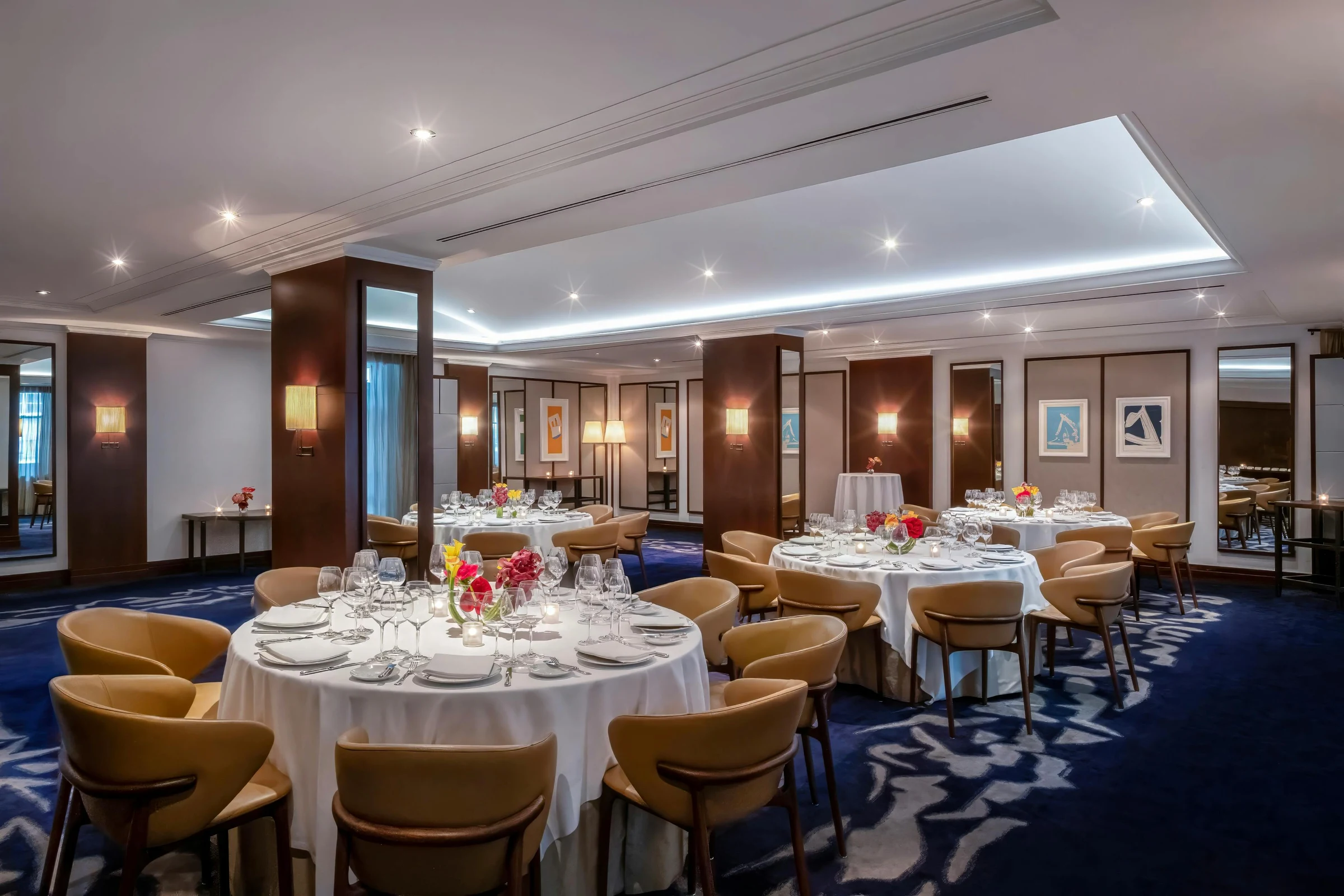
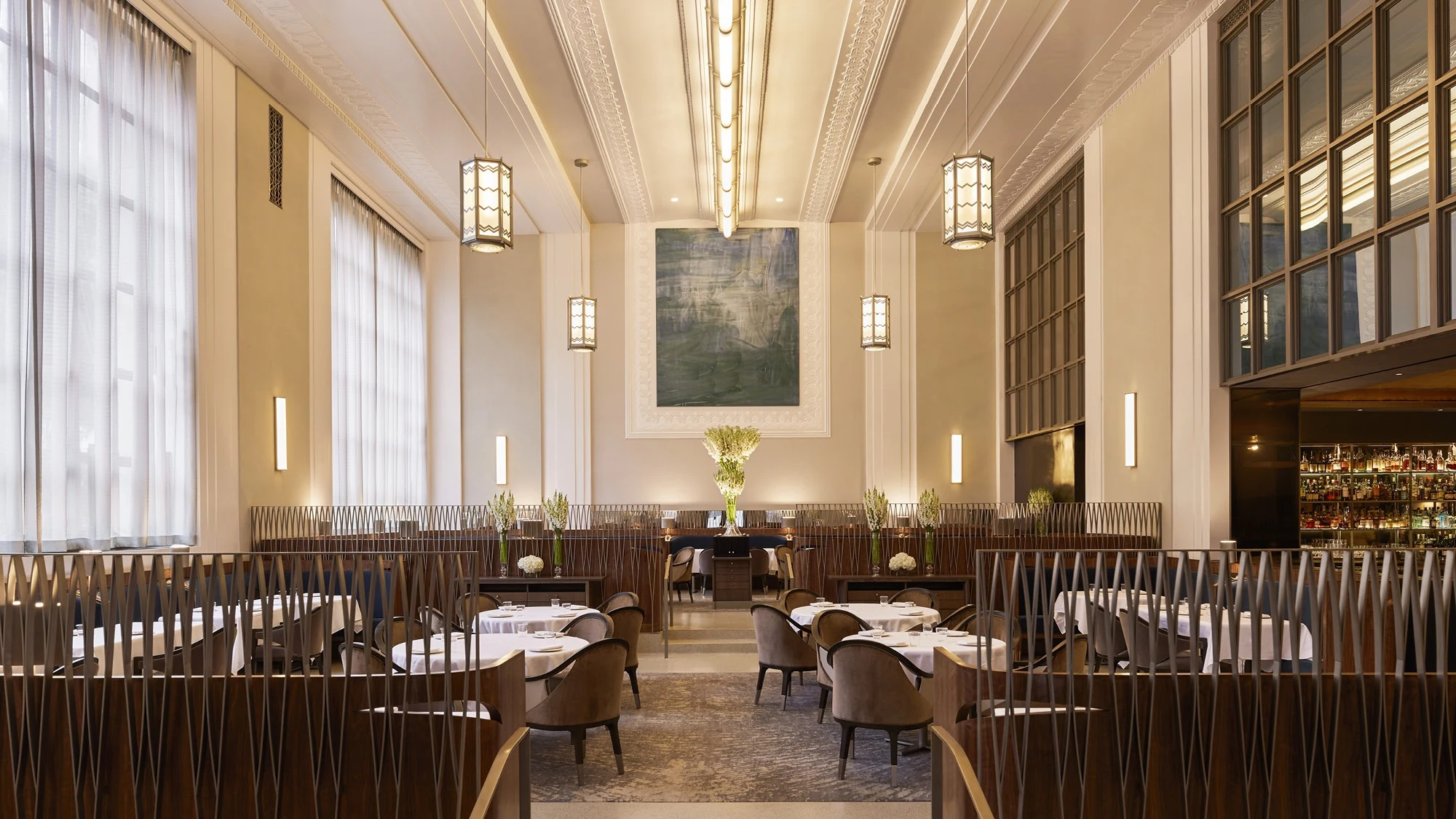
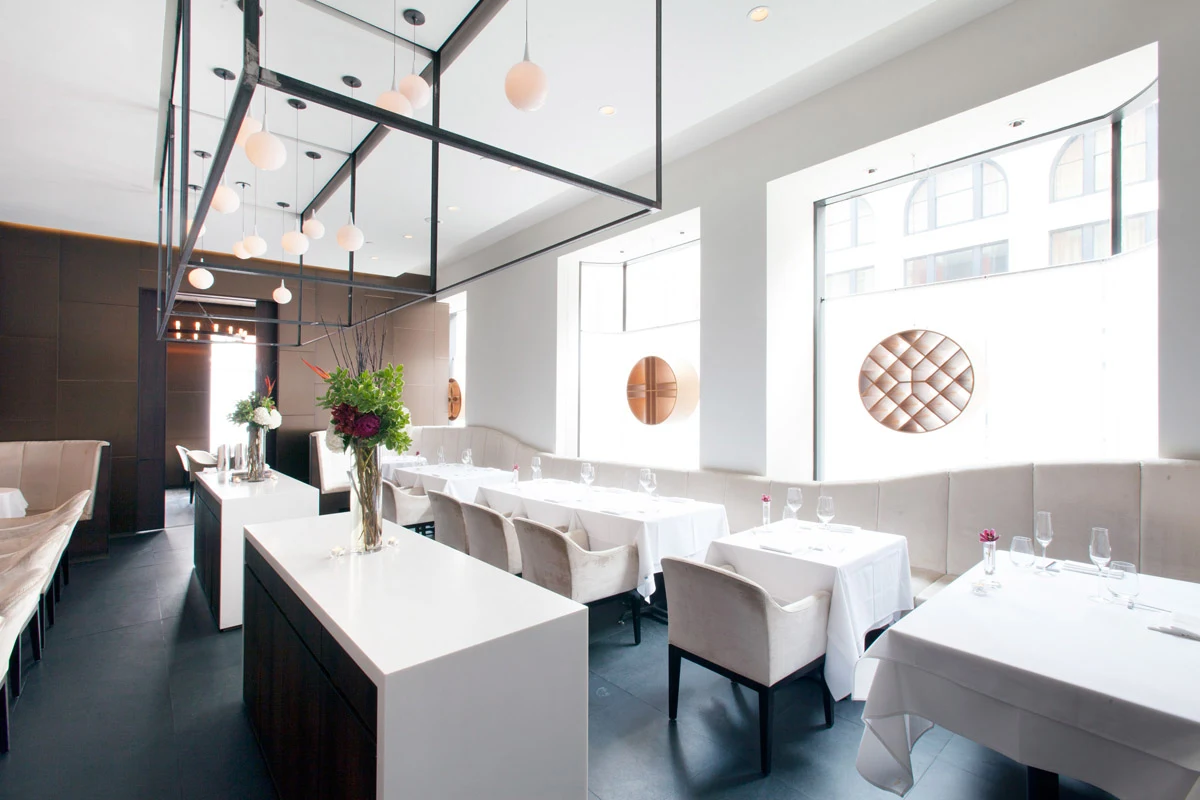
The room is designed for energy rather than hush. Open kitchens put the work in view, so the counter and the pass become part of the setting, not a backstage mechanism. In Midtown, that matters. The restaurant has to absorb a social dining crowd, a quick meal, and a table that stays with cocktails, all inside the same service rhythm. Elegant, club-like décor gives the room polish, but the sound remains lively and the movement stays visible.
That visibility is central to the method. The guest does not need a lecture on the program to understand it. Bowls leave the pass, bao cross the room, noodles land while they still carry heat, and the table fills by degrees. The place works when the kitchen, counter, and room keep the same tempo, and it stops working the moment one of the three falls behind.
Casual dining as a discipline
Wagamama is a brand now, and the craft question that follows is specific: how much of the original grammar can survive scale. In Midtown, the clearest trace is still the open kitchen, where Tokyo fries, Korean chicken bao, and yaki udon noodles move from the pass into a room built to be seen.
Questions
Frequently asked
What kind of restaurant is Wagamama in Midtown?
Wagamama is a restaurant in Midtown serving modern pan-Asian food with Japanese inspiration.
What is the dining format like?
The room is built around communal seating, open kitchens, and a quick dining rhythm. The kitchen is visible from the room, and the pace is set for bowls, bao, and shared plates moving through service efficiently.
What are the signature dishes?
The named signature dishes are Tokyo fries, Korean chicken bao, yaki udon noodles, bang bang cauliflower, and chicken pad Thai.
How should a visit be planned?
Reservations are recommended, and bookings are made through OpenTable. The restaurant is casual, sits at 210 Fifth Avenue at W 26th St, and offers street parking.
The field
How it compares
| Place | Cuisine | Notes | Awards |
|---|---|---|---|
| Wagamama | Modern Pan-Asian with Japanese Inspiration | Midtown South-Flatiron-Union Square, $$ | · |
| Atomix | Modern Korean Tasting Menu | New York City | Michelin 2 Stars, World's 50 Best |
| Daniel | Modern French Fine Dining | New York City | Michelin 1 Star, World's 50 Best |
| Eleven Madison Park | Contemporary Plant-Based Fine Dining | New York City | Michelin 3 Stars, World's 50 Best |
| Jungsik New York | Modern Korean Fine Dining | New York City | Michelin 3 Stars, World's 50 Best |
| Kabawa | Modern Caribbean Prix Fixe | New York City | World's 50 Best |
| Le Bernardin | French Seafood Fine Dining | New York City | Michelin 3 Stars, World's 50 Best |
Similar places
Modern Korean Tasting Menu
Atomix
New York City, United States
★★ · 50 Best
Modern French Fine Dining
Daniel
New York City, United States
★ · 50 Best
Contemporary Plant-Based Fine Dining
Eleven Madison Park
New York City, United States
★★★ · 50 Best
Modern Korean Fine Dining
Jungsik New York
New York City, United States
★★★ · 50 Best
Modern Caribbean Prix Fixe
Kabawa
New York City, United States
50 Best
French Seafood Fine Dining
Le Bernardin
New York City, United States
★★★ · 50 Best