Weingut Abril
- 01CityVogtsburg Bischoffingen, Germany
- Falstaff Winery - 3 Stars · 2026
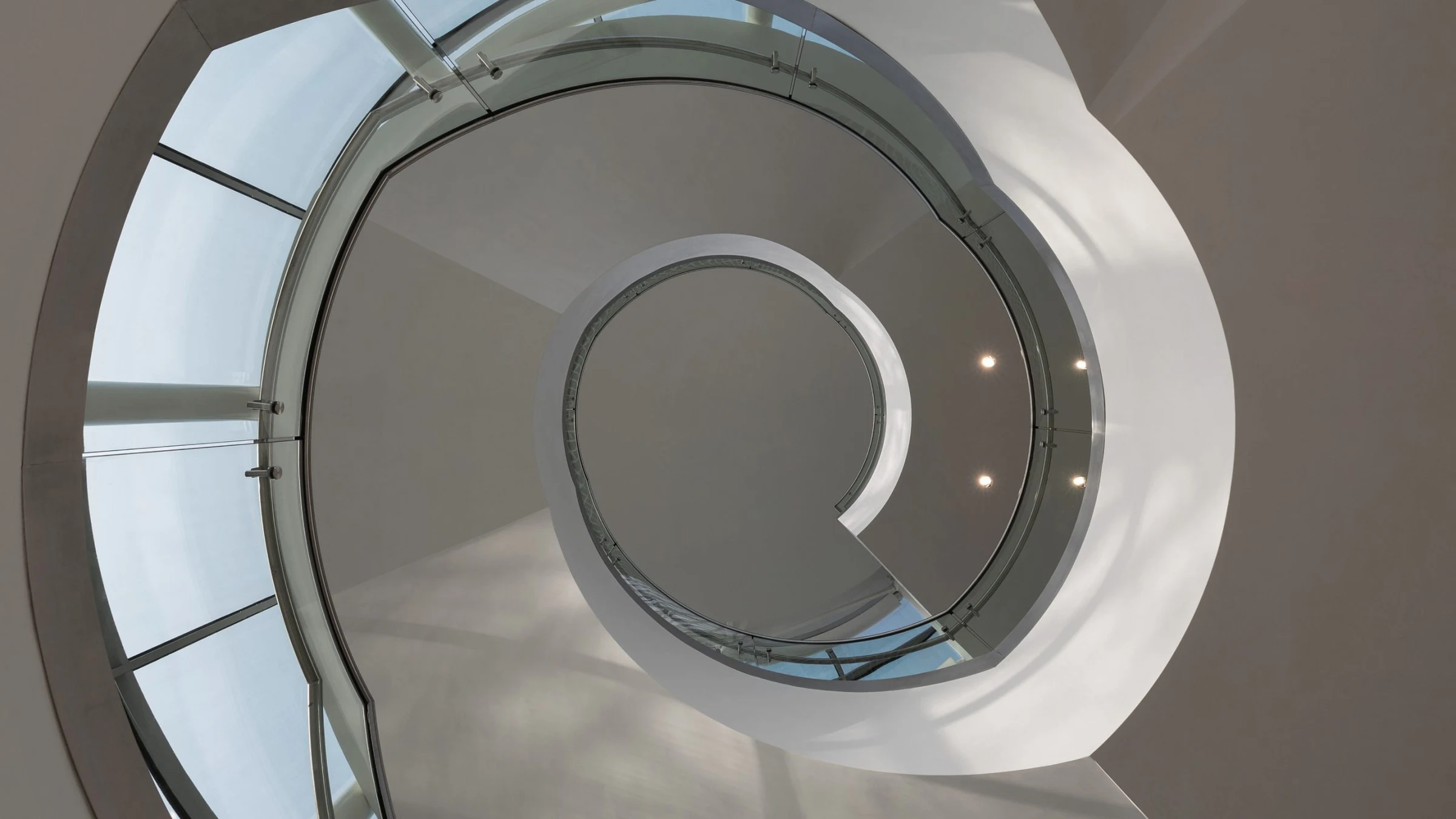
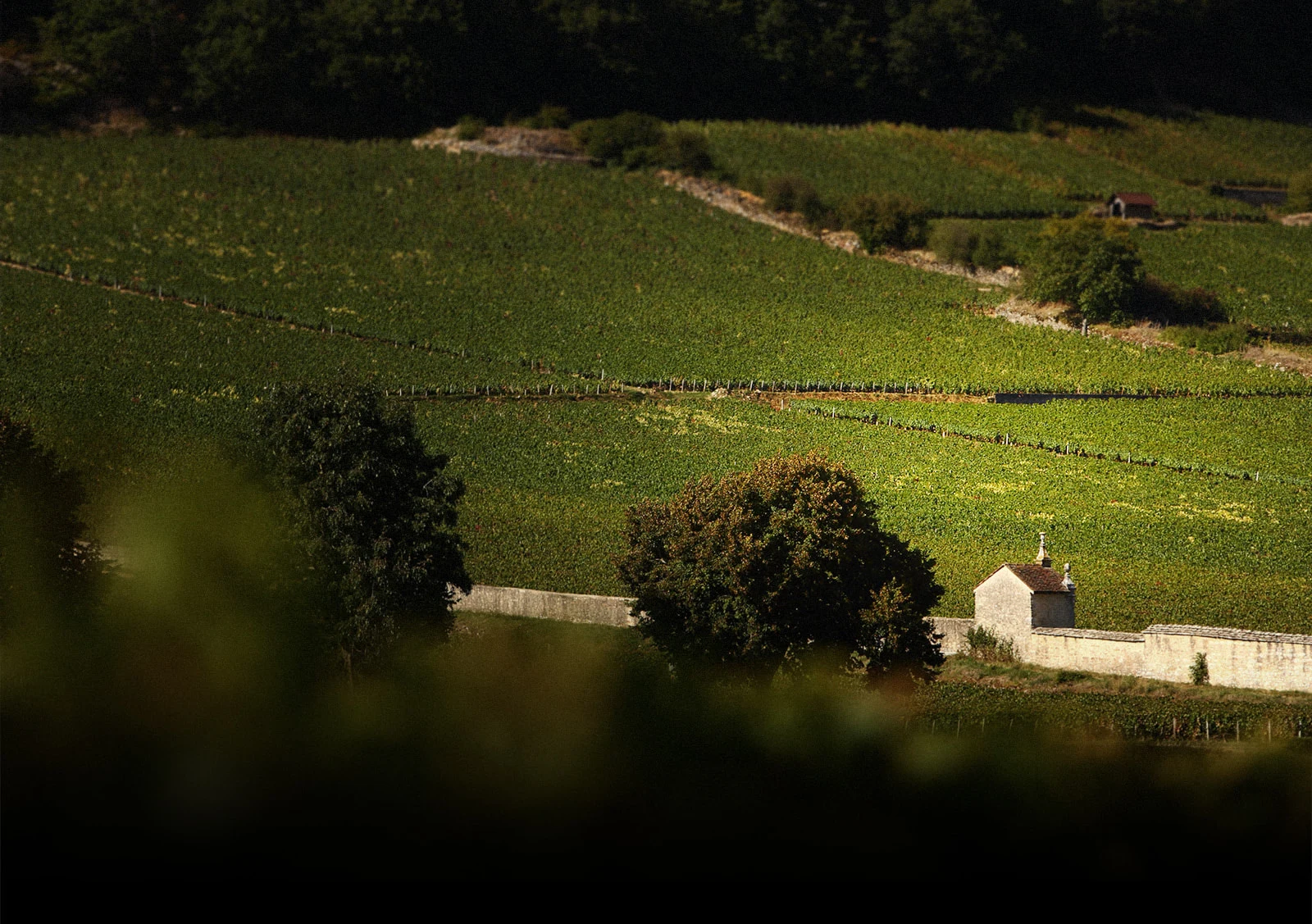
Approach the vineyards around Vogtsburg-Bischoffingen and the usual Baden wine-country script changes. Instead of half-timbered nostalgia, Weingut Abril presents a long, angular block of concrete and Corten steel, with broad glass pulling the Kaiserstuhl hills into the tasting room. The point is not theatrical architecture for its own sake. In this corner of Baden, where warmth gives growers room to work with Pinot varieties, Chardonnay, Merlot and Cabernet Franc, the building makes a clear argument: old wine country does not have to look old.
The estate traces its winegrowing tradition to 1740, but its current identity is shaped by a more recent question facing German regions with deep agricultural memory: how to make heritage feel current without sanding off place. Abril answers through organic farming, a largely CO2-neutral energy approach for the complex, and a vinothek designed for visitors who want context as much as bottles. For a broader read on the area, keep Our full Vogtsburg Bischoffingen wineries guide close; the region rewards a planned circuit rather than a single stop.
Kaiserstuhl ripeness, framed through Fruit, Stone and Time
Baden is Germany’s warm-climate counterweight to the cooler Riesling narratives that dominate foreign conversations about German wine. Around the Kaiserstuhl, the conversation shifts toward ripeness, texture and red-wine capability, while still leaving space for white varieties with mineral tension. Abril’s portfolio reflects that range: Pinot Noir, Chardonnay, Pinot Gris, Silvaner, Pinot Blanc and Merlot sit alongside broader categories that include rosé, Sekt and dessert wine.
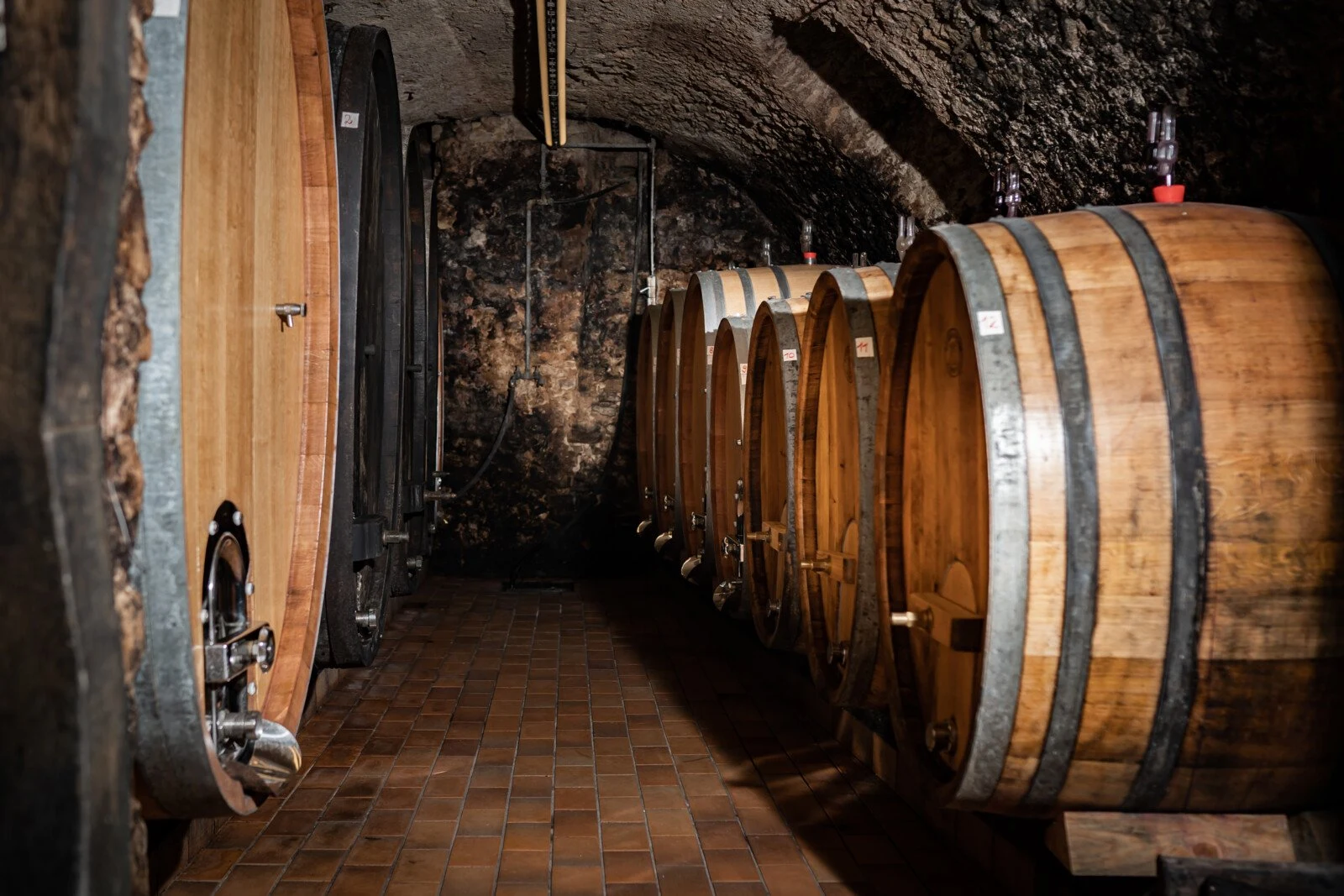
The clearest way to understand the wines is the estate’s three-part structure: Fruit, Stone and Time. Fruit is the entry point, with wines matured in steel, designed around immediacy and clean primary expression. Stone moves into cask-raised wines, a more textural register that suits Baden’s mix of body and freshness. Time marks the barrique-matured selections, where oak and longer aging carry the argument into a more structured tier. It is a useful system because it explains the cellar without requiring the visitor to decode every cuvée name before tasting.
That structure also says something about contemporary German wine hospitality. Rather than leaning only on grape variety or village tradition, the estate translates maturation into language guests can understand. The result is educational without becoming academic. Organic production is not treated as a side label here; it is part of how the wines are positioned, especially in a region where sustainable viticulture has become a serious marker of intent rather than a decorative claim.
A modern vinothek built for looking outward
The visitor experience is anchored by the room as much as by the glass. Large panoramic windows, a lounge, terrace access and vineyard views make the tasting feel connected to the slope rather than sealed inside a retail counter. The atmosphere is conversational and social, with enough architectural severity to keep it from tipping into country-house sentiment. This is a medium-scale winery experience, not a tiny appointment-only cellar and not a mass-tour stop.
Eva-Maria Köpfer is named as winemaker, and her role matters less as biography than as a signal of the estate’s combined vineyard, wine and hospitality focus. The estate has also been described as the largest organic winemaker in the region, a competitive marker that places Abril in the sustainability-led segment of Baden rather than in the old prestige hierarchy of medals and critic scores. Awards are not the point here; scale, organic affiliation and guest-facing clarity carry more weight.
The building opened in 2011, and that date matters because it places the estate within the wave of European wineries using architecture to reshape the cellar-door experience. Abril’s concrete-and-steel form is austere, but the format is not cold: the vinothek, lounge, terrace and Gutsschänke elements point to a visit that can stretch beyond a flight. Outdoor seating and estate grounds make it especially suited to mild-weather wine tourism, while the “Radreisende willkommen” positioning fits the cycling culture that threads through Baden’s vineyard routes.
How to place it within a Vogtsburg wine day
For travelers building a day around Vogtsburg-Bischoffingen, Abril works as the design-conscious, organic anchor: go for the architecture, the vineyard outlook and the portfolio logic as much as for any single grape. The estate is walk-in friendly, offers flight tasting, and is better read as a relaxed learning stop than a hushed collector appointment. Dress can stay casual; the setting does the formal work.
Within the immediate area, Bischoffinger Winzer is the natural additional name to know, especially for visitors comparing cooperative and estate-led expressions of the same wine country. For planning beyond wine, use Our full Vogtsburg Bischoffingen restaurants guide, Our full Vogtsburg Bischoffingen hotels guide, Our full Vogtsburg Bischoffingen bars guide and Our full Vogtsburg Bischoffingen experiences guide.
Readers mapping a wider German-speaking wine route can also file Abril beside other destination wineries and wine projects across the region and beyond: & Handwein in Mannheim, 2 Naturkinder in Kitzingen, 3 Winner in Bechtheim, 49Point9 in Geisenheim, 532 Riesling in Rüdesheim am Rhein, 70469! in Stuttgart Feuerbach, 746 - Route du Brut in Ettlingen, »der Steiner« Hans Steiner in Podersdorf am See and ®walzer in Gneixendorf Bei Krems.
The editorial case for Abril is specific: it shows how a Baden estate can use contemporary architecture and organic farming to make terroir legible for visitors. The wines are organized by maturation and character, the room keeps the vineyards in view, and the experience suits travelers who want the Kaiserstuhl explained through both glass and setting.
Questions
Frequently asked
How expensive is Weingut Abril?
Weingut Abril is listed at a price level of $$.
The field
How it compares
| Place | Notes | Awards |
|---|---|---|
| Weingut Abril | Bischoffingen, $$ | · |
| Bischoffinger Winzer | Vogtsburg Bischoffingen | · |
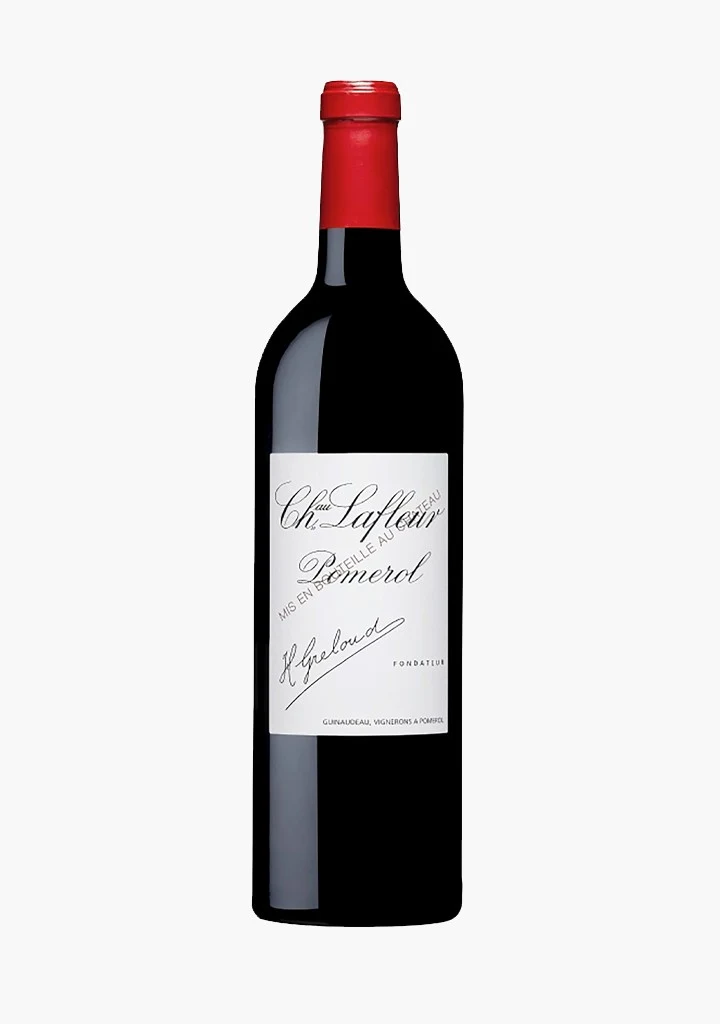
| Château Lafleur | Pomerol | · |
| Château Lynch-Bages | Pauillac | · |
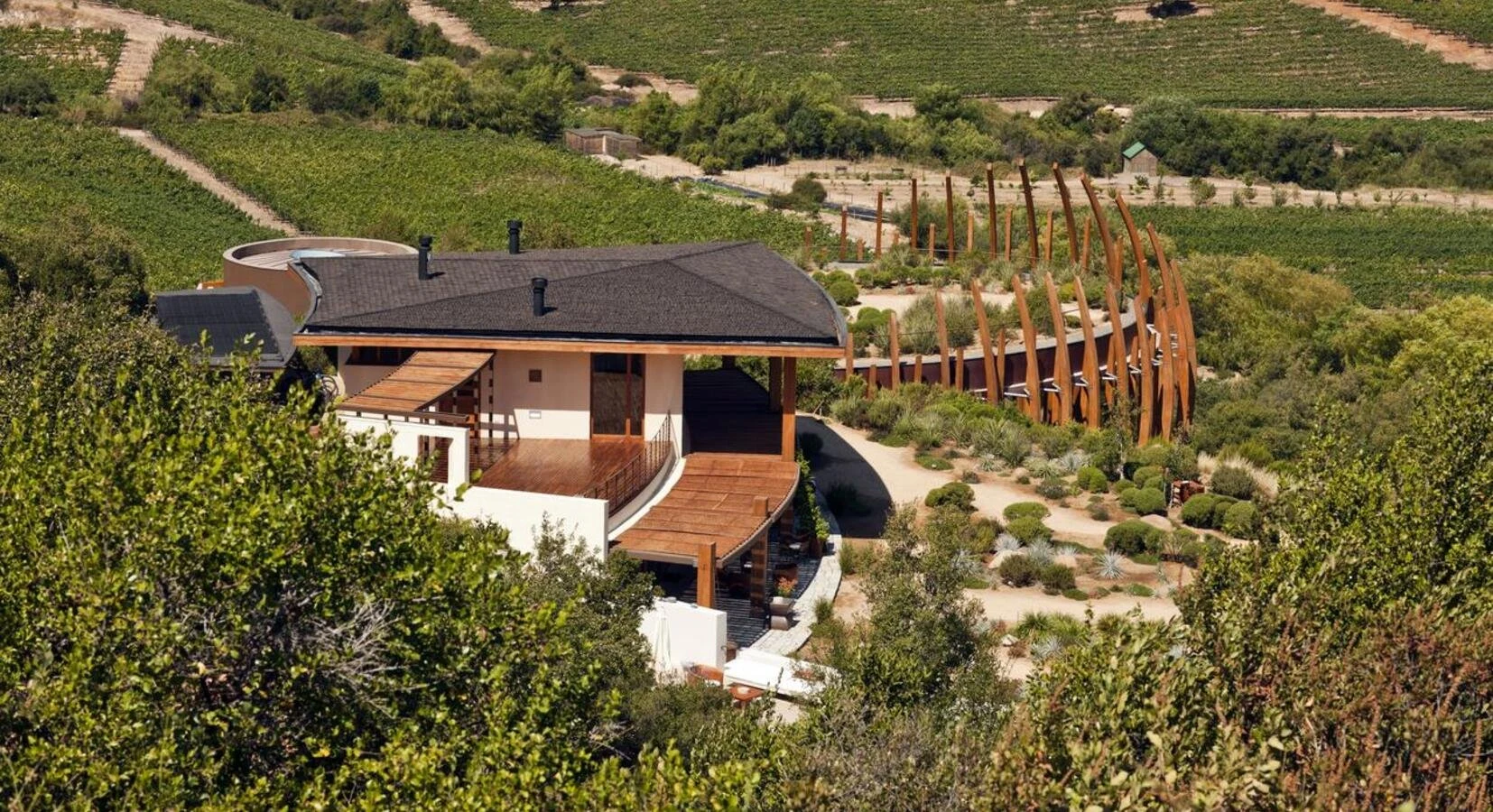
| Clos Apalta (Casa Lapostolle) | Santa Cruz | World's 50 Best |
| Domaine Armand Rousseau | Gevrey-Chambertin | · |
| Gaja | Barbaresco | World's 50 Best |