Jay Strauss, chef at Westville in Manhattan, keeps a vegetable-forward kitchen clear, seasonal, and direct for the neighborhood.
- Opinionated About Dining Cheap Eats in North America Recommended · 2026
Vegetables first, comfort still close
A vegetable order can set the pace before the burger or eggs arrive; Jay Strauss, chef at Westville in Manhattan, built the room around that choice. His work here reaches back to Westville’s founding in 2003, when the idea was not to make a vegetarian restaurant, but to give vegetables the weight usually reserved for the center of the plate. Strauss has called it plainly: “It’s not vegetarian but instead of a 12-ounce steak with a few vegetables we focus on the vegetable choices. It’s how I like to eat. It struck a chord.” That sentence gives the kitchen its discipline. The menu can hold American comfort food, brunch plates, sandwiches, burgers, eggs, and the familiar pull of a neighborhood café, while the bench keeps returning to seasonal produce and the daily question of what should sit forward. Strauss’s earlier work at Concord Hill in Brooklyn, where he was photographer and co-owner from 2014, sharpened a place-making instinct as much as a culinary one: the look of a room, the pacing of a meal, the fit between a corner and the people who come back to it. At Westville, that judgment turns into repetition rather than display.
The market board as method
The program depends on a simple distinction, held tightly: vegetable-forward is not the same as vegetarian. The kitchen leaves room for bacon jam, chorizo, steak and eggs, a burger, a Fearless Frank, and the kind of breakfast burrito that arrives with scrambled eggs, smoked gouda, shallots, avocado, smoky chipotle tomato sauce, arugula, and home fries. Against that, the vegetable choices are not garnish. They are part of the architecture of the meal, the counterweight that keeps the food generous without making it heavy. Seasonal specials give the pass movement, because market supply changes the work without asking the restaurant to change its character. That is the long way in a casual room: not reinvention for attention, but a steady method that lets regulars order what they know and still feel the kitchen responding to the day. Strauss’s signature Fearless Frank sits inside the same frame. It carries personality, but the larger craft is restraint, familiar food held close enough to remain useful.
A bright room with a neighborhood pulse
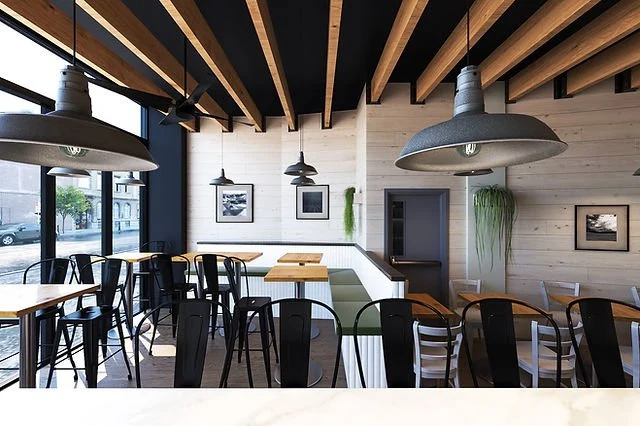
The room at 1359 1st Ave reads as café before it reads as statement. The venue has a bright interior, a clean and comfortable counter, and a bar where the light gives the meal an easier pace. That matters for this kind of cooking. A vegetable-forward restaurant with neighborhood ambition cannot feel like a lesson; it has to feel available to the day, whether the plate is a toffee miso pancake, a California Benedict, an egg and bacon jam sandwich, or a side of Brussels sprouts. The pass works best when the room stays informal enough for return habits to form. Strauss’s eye for place shows in that balance: comfort without slackness, clarity without a showroom gloss. The food does not ask the guest to declare a philosophy before ordering. It simply gives the vegetables enough standing to change the meal.
The dish that keeps the frame intact
Westville’s next movement is not announced as a grand turn, and that suits the house. The craft here is continuity: keeping seasonal plates central, keeping casual American food in the same conversation, and letting the room absorb the daily traffic of the Upper East Side without losing its shape. Enduring neighborhood restaurants often depend on that kind of hand, the one that knows when not to overwork the idea. At Westville, the test still lands on the plate Strauss made room for, from the vegetable choices to the Fearless Frank.
Questions
Frequently asked
Who is the chef at Westville?
Jay Strauss is the chef at Westville in Manhattan.
What is Westville known for?
Westville is known for a vegetable-forward menu that gives seasonal produce the weight usually reserved for the centre of the plate, while still serving American comfort food, brunch plates, sandwiches, burgers and eggs.
Is Westville a vegetarian restaurant?
No. Strauss has described it as not vegetarian, but a place that focuses on vegetable choices rather than treating them as a side.
What sort of room is it?
Westville reads as a bright neighbourhood café, with a clean and comfortable counter and a bar that gives the meal an easy pace.
The field
How it compares
| Place | Cuisine | Awards | Notes |
|---|---|---|---|
| Westville | Café | · | · |
| Eleven Madison Park | Contemporary Plant-Based Fine Dining | Michelin 3 Stars, World's 50 Best | New York City |
| Jade Dragon | Three Michelin-Star Cantonese Fine Dining | Michelin 3 Stars, World's 50 Best | Macau |
| Kabawa | Modern Caribbean Prix Fixe | World's 50 Best | New York City |
| L'Enclume | Modern British Farm-to-Table | Michelin 3 Stars | Cartmel |
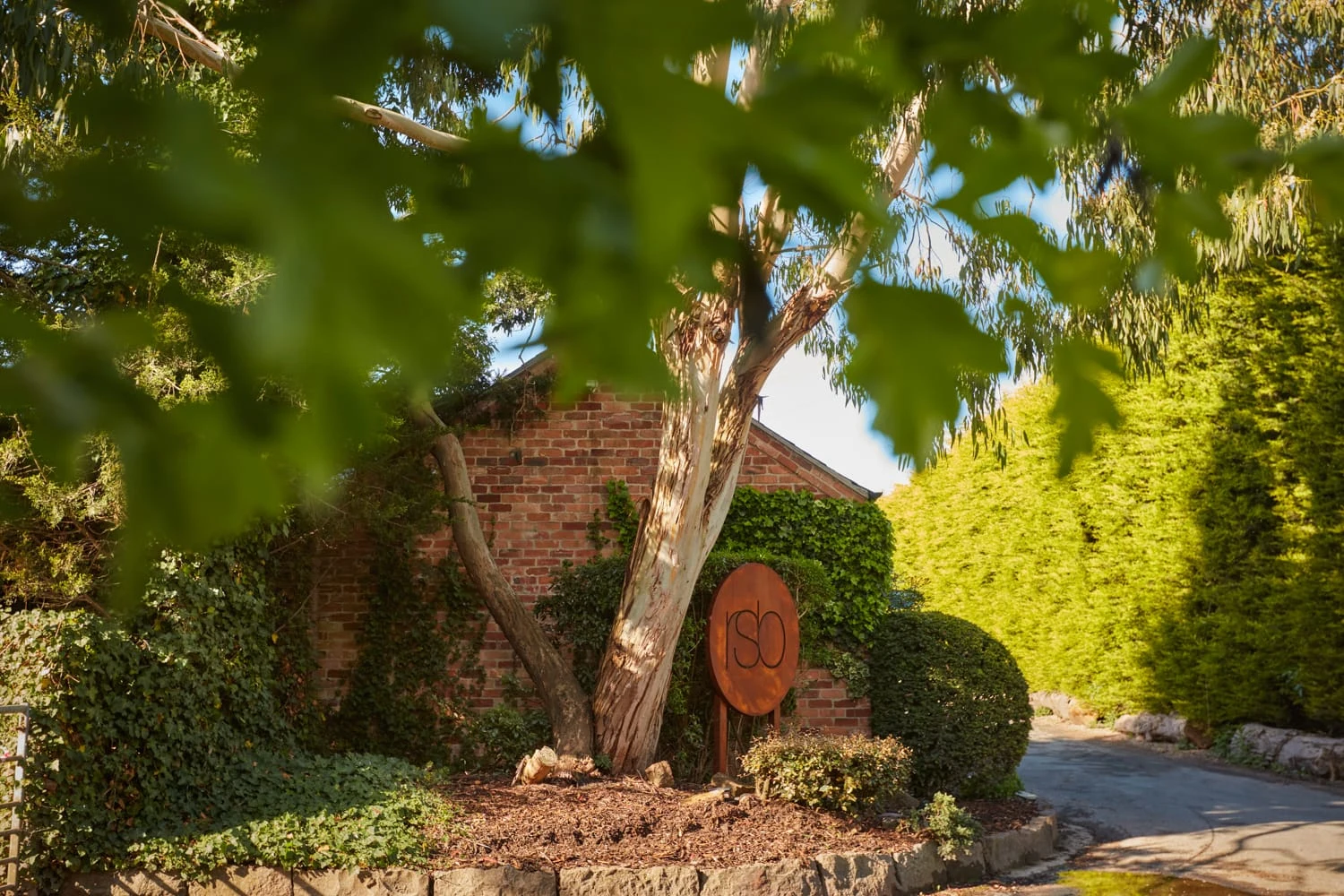
| Restaurant Sat Bains | Modern British Fine Dining | Michelin 2 Stars | Nottingham |
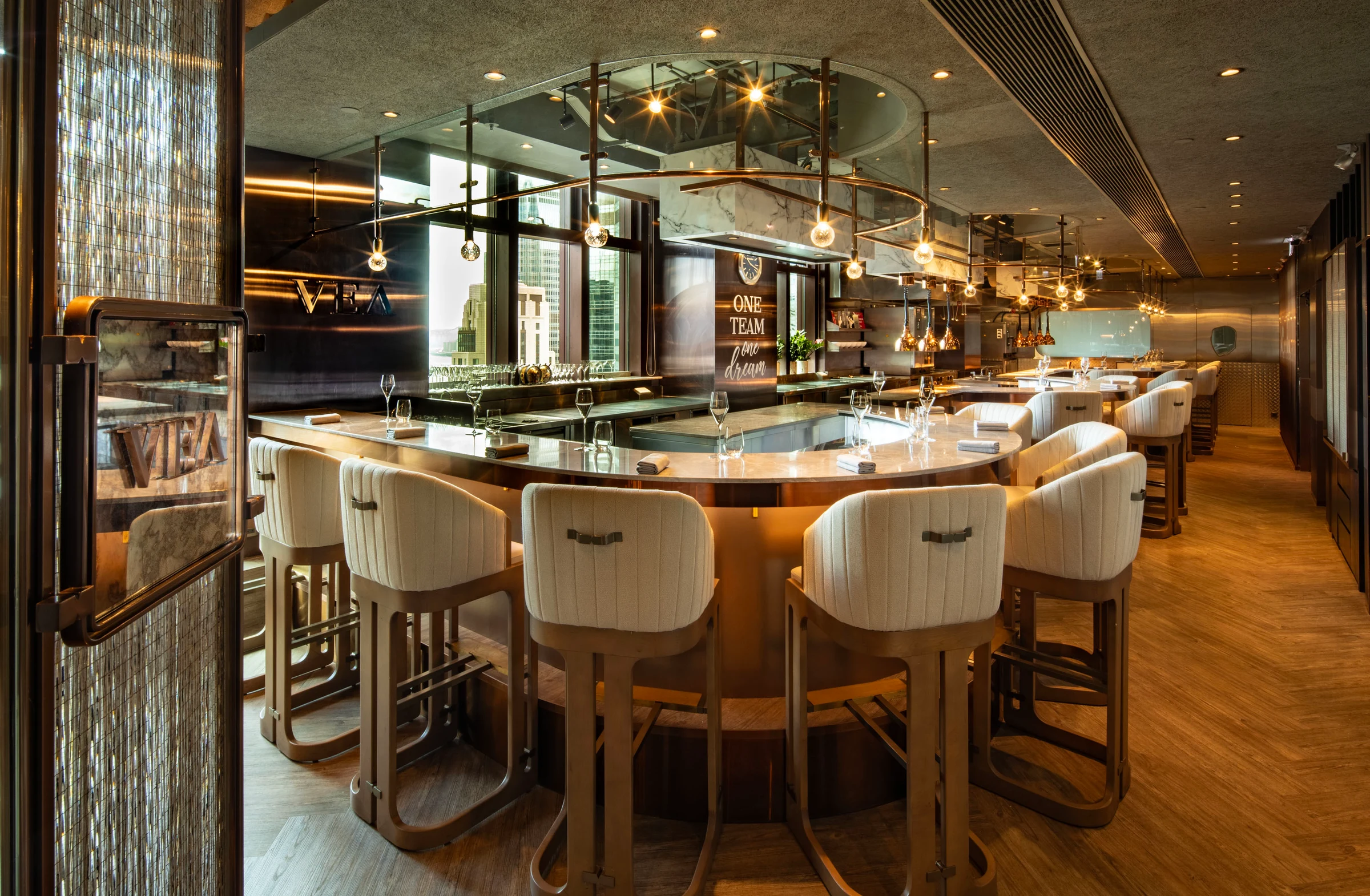
| Vea | Modern Chinese-French Fusion | Michelin 1 Star, World's 50 Best | Hong Kong |
In residence
Similar places
Contemporary Plant-Based Fine Dining
Eleven Madison Park
New York City, United States
★★★ · 50 Best
Three Michelin-Star Cantonese Fine Dining
Jade Dragon
Macau, Macau
★★★ · 50 Best
Modern Caribbean Prix Fixe
Kabawa
New York City, United States
50 Best
Modern British Farm-to-Table
L'Enclume
Cartmel, United Kingdom
★★★
Modern British Fine Dining
Restaurant Sat Bains
Nottingham, United Kingdom
★★
Modern Chinese-French Fusion
Vea
Hong Kong, Hong Kong
★ · 50 Best