Chef in Residence
Atsushi Kono
Chef

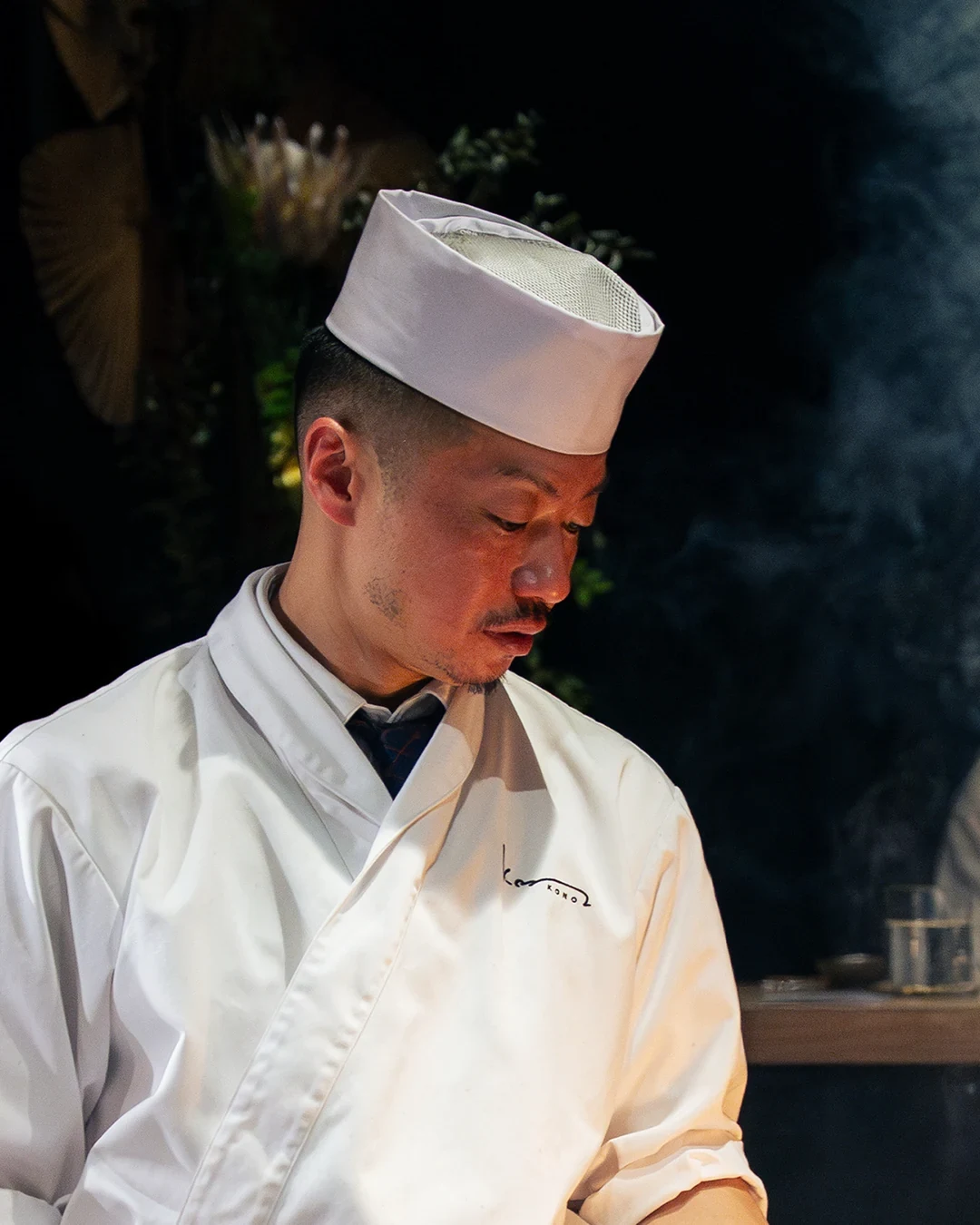
Atsushi Kono, chef at Yakitori Torishin in Hell's Kitchen, New York City, shaped yakitori at the charcoal pass.
The skewers turn over Kishu Binchotan charcoal while Atsushi Kono works as chef at Yakitori Torishin in Hell's Kitchen, New York City, keeping the pass close to the fire. His time here began in 2006 as executive chef, after training at Musashino Culinary Institute, and the station clarified the discipline later associated with his name: chicken cut by part, skewered for its own texture, cooked by attention rather than force. The restaurant opened in 2007, built around traditional yakitori rather than a broad Japanese menu, and its work has remained centered on the same narrow field. Breast, wing, liver, gizzard, heart, cartilage, tail and meatball all ask for different handling; the cook cannot treat them as one animal once they reach the grill. Kono's later words about his own room, “I can control butchery. I can control flavor. I can control fire,” read cleanly against the training ground he had here. Torishin is that kind of place: the ambition sits in the cut, the skewer, the heat, and the patience to pull each piece before the fire takes more than it gives.
The program at Torishin depends on sequence. Guests can move through a chef-led yakitori omakase or choose okonomi, but the craft stays in the same register: chicken parts grilled over Kishu Binchotan, finished with tare or shio according to the cut. Binchotan gives a steady, intense heat; it asks the cook to work by sight, sound and the small changes in fat as it renders. Tsukune needs a different rhythm from sasami. Liver cannot wait like thigh. Cartilage wants the snap that disappears if the skewer sits too long. The house is known for a yakitori omakase course, chicken meatballs, oyakodon, and charcoal-grilled chicken skewers, yet the broader method matters more than any single plate. It is a kitchen organized around not wasting the bird, with offal and familiar cuts sharing the same pass. The beverage program follows quietly beside it, with sake, beer and wine chosen to meet smoke, salt, tare and fat without crowding the grill.
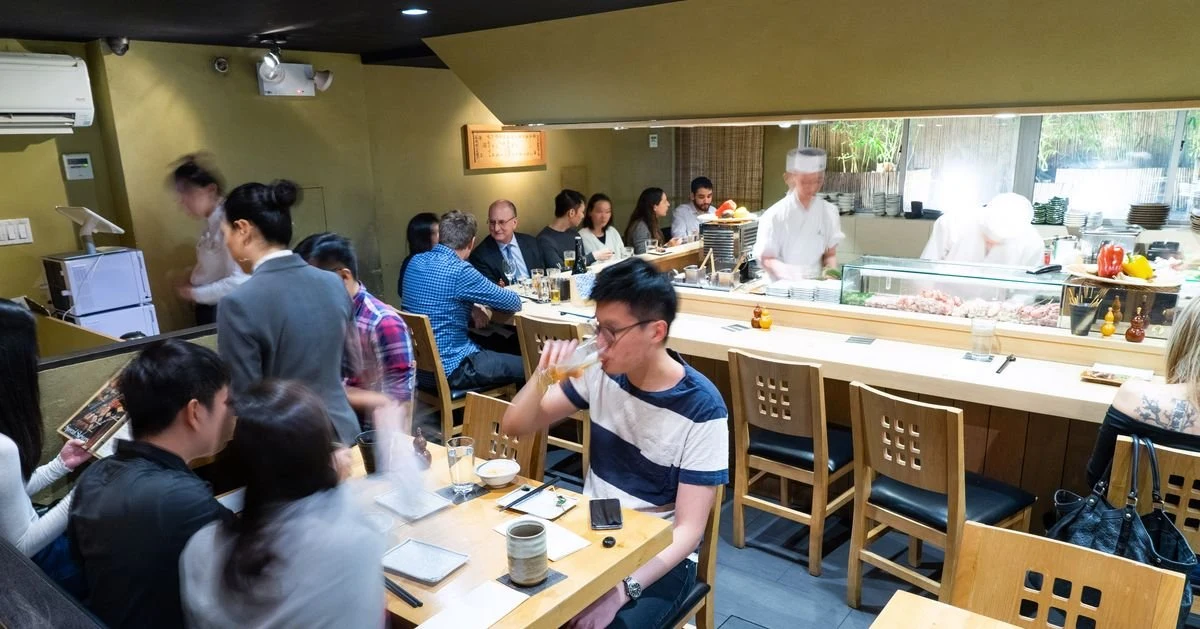
The room stays calm while the work stays exposed. Torishin is intimate and low-lit, with a chef's counter and small tables arranged so the grill is not hidden behind the meal. The atmosphere is hushed rather than theatrical; the sound is charcoal, service steps, a skewer set down at the right moment. Minimal design keeps attention on the bench-side labor, and the counter gives the guest a direct view of repetition: cutting, skewering, turning, brushing, salting, resting. That repetition is the point. Yakitori can look simple from a distance, but at this distance every decision has a consequence. The pass holds the tempo, and the room adjusts to it.
Torishin became the first authentic Japanese yakitori restaurant in the United States to earn a Michelin star, and it held that recognition for seven consecutive years from 2012–2017. Awards do not grill the chicken, but they mark how a narrow craft entered a wider dining language without becoming diffuse. Kono's tenure belongs to that formation, before his later chef / owner work at Kono. Here, the enduring lesson is still the same one carried by the yakitori omakase course at Yakitori Torishin.
Hell's Kitchen

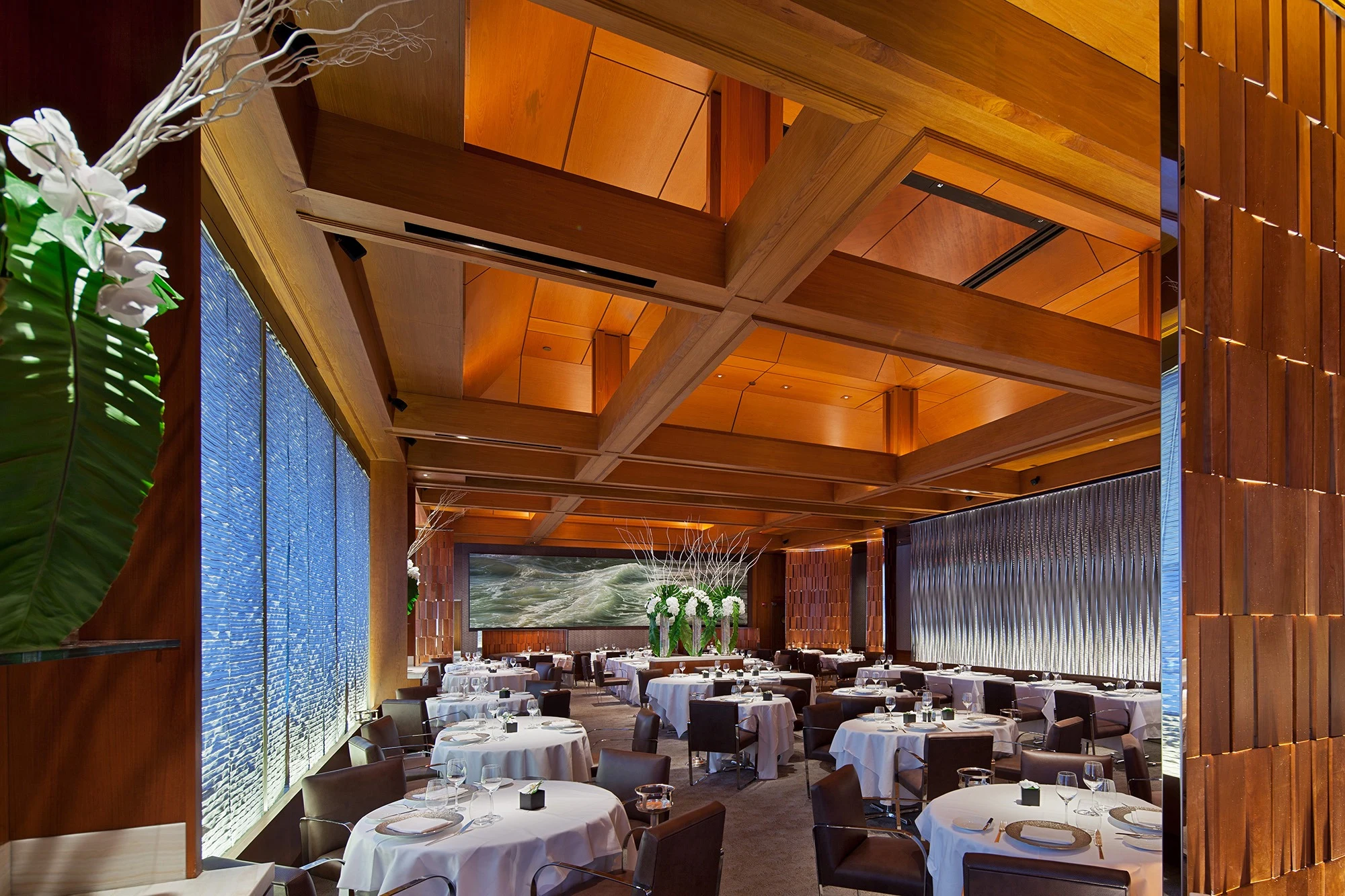
French Seafood Fine Dining
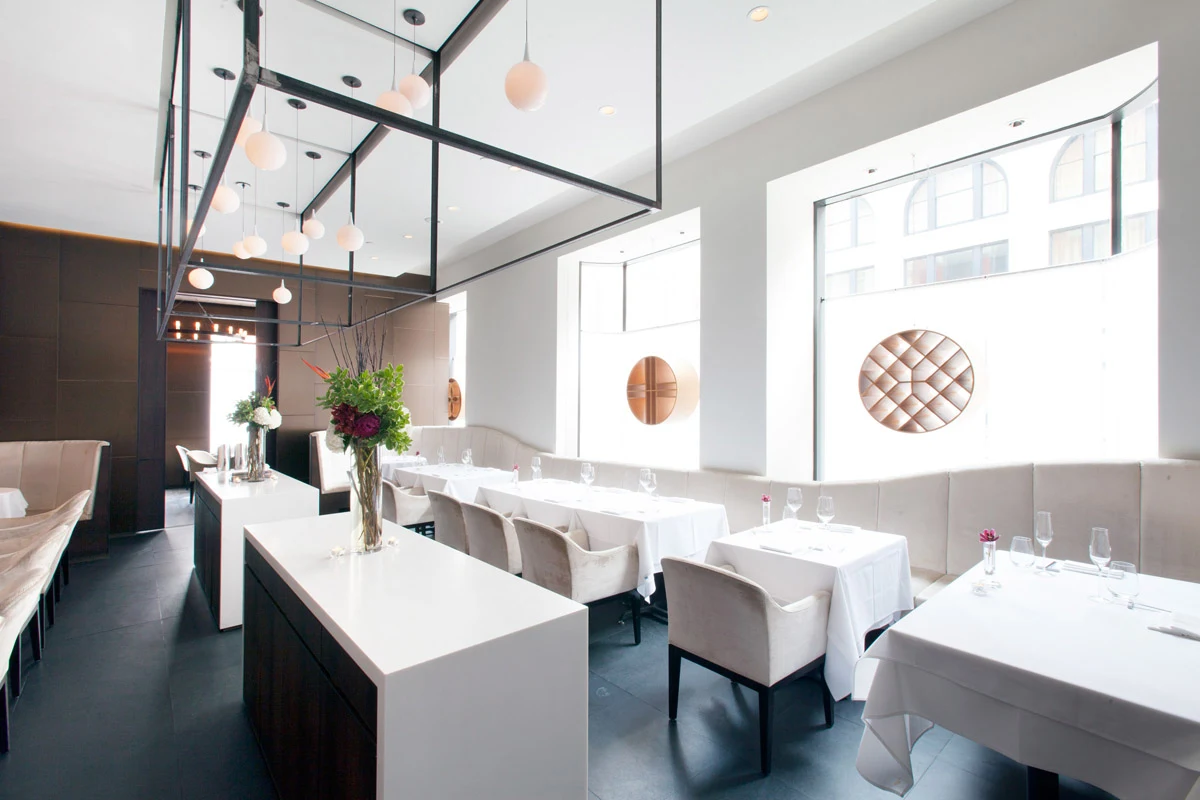
Le Bernardin
New York City, United States
★★★ · 50 Best
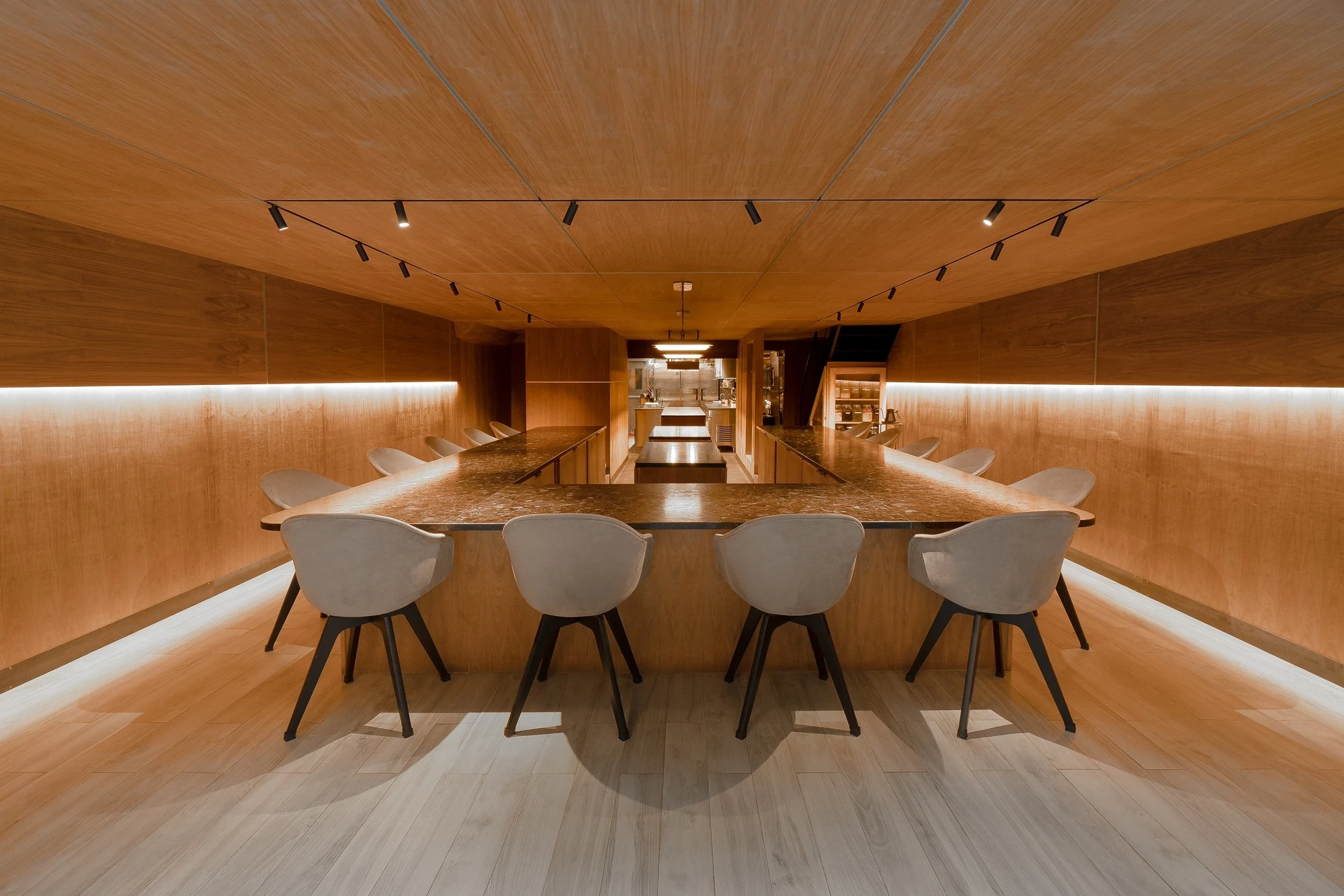
Modern Korean Tasting Menu
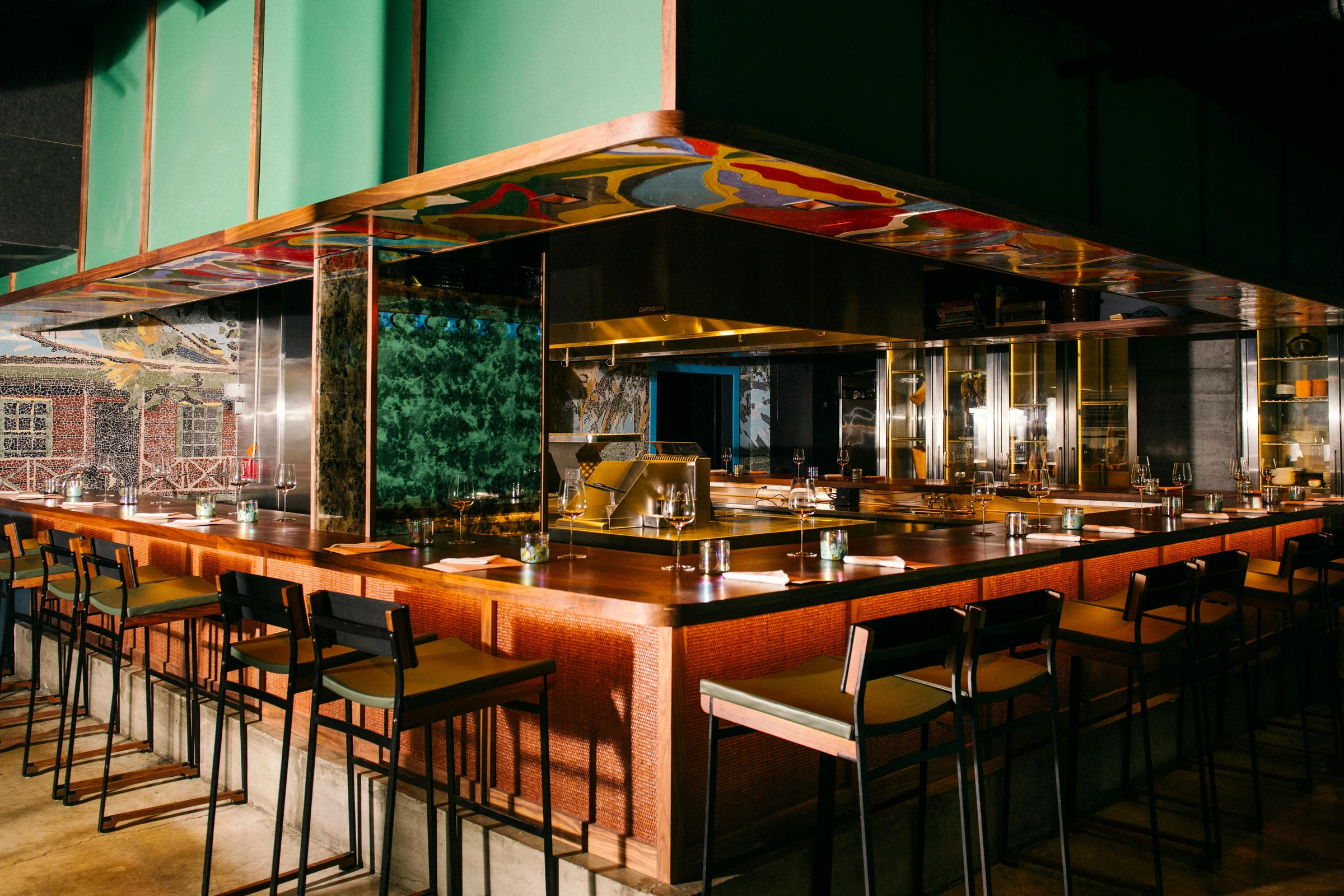
Atomix
New York City, United States
★★ · 50 Best

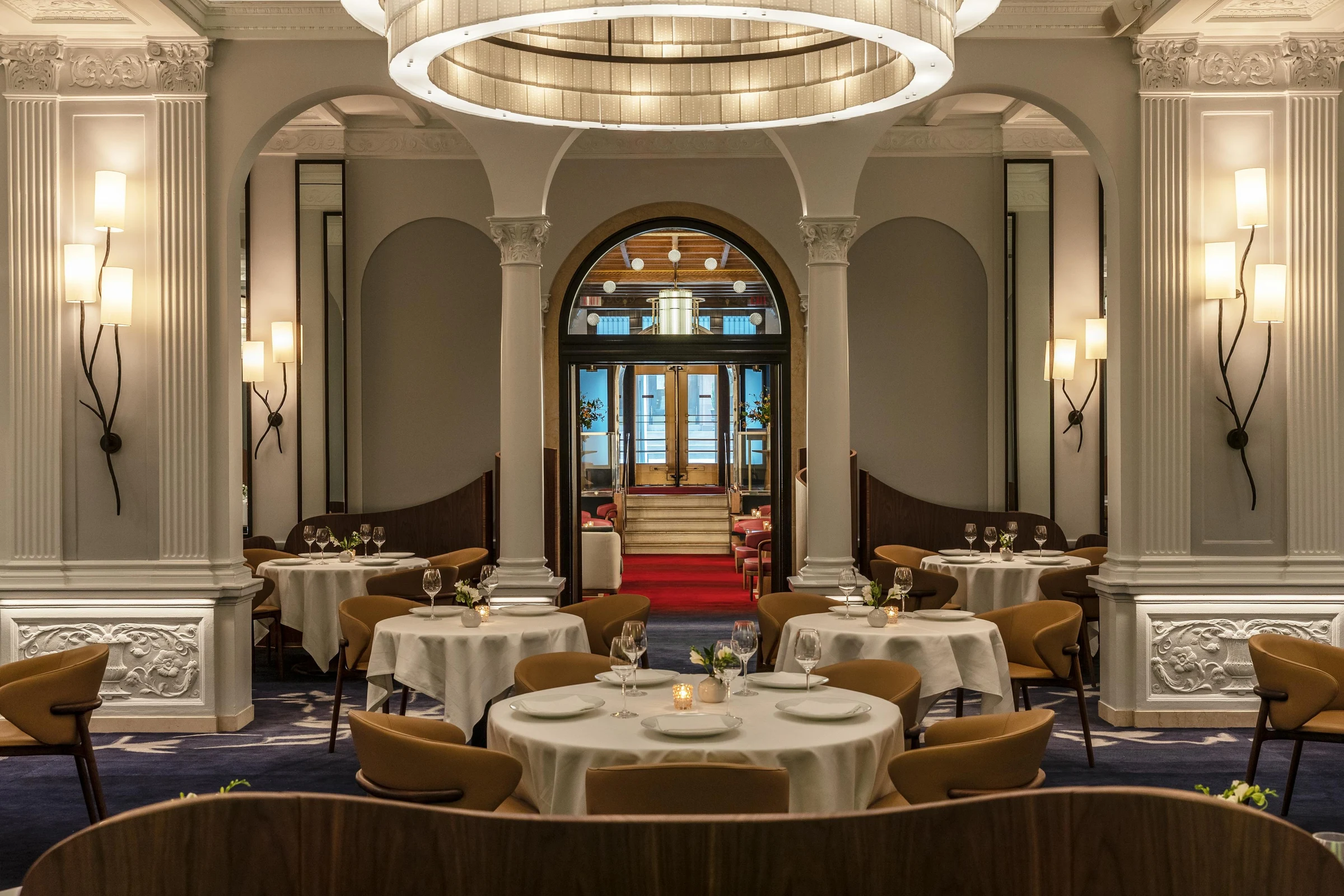
Contemporary Plant-Based Fine Dining
Eleven Madison Park
New York City, United States
★★★ · 50 Best
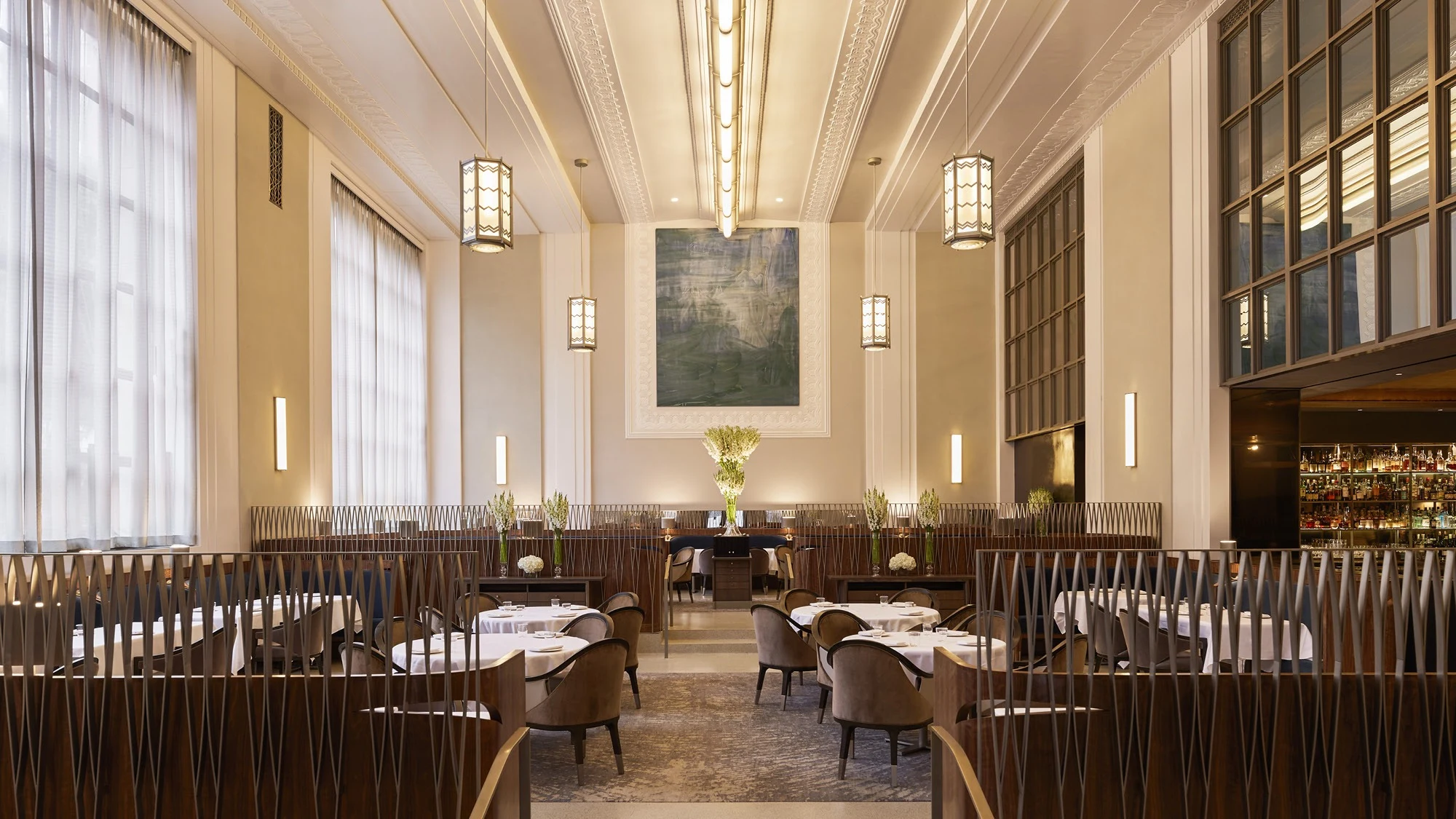
Modern Caribbean Prix Fixe
Kabawa
New York City, United States
50 Best

Modern Korean Fine Dining
Jungsik New York
New York City, United States
★★★ · 50 Best
Modern French Fine Dining
Daniel
New York City, United States
★ · 50 Best