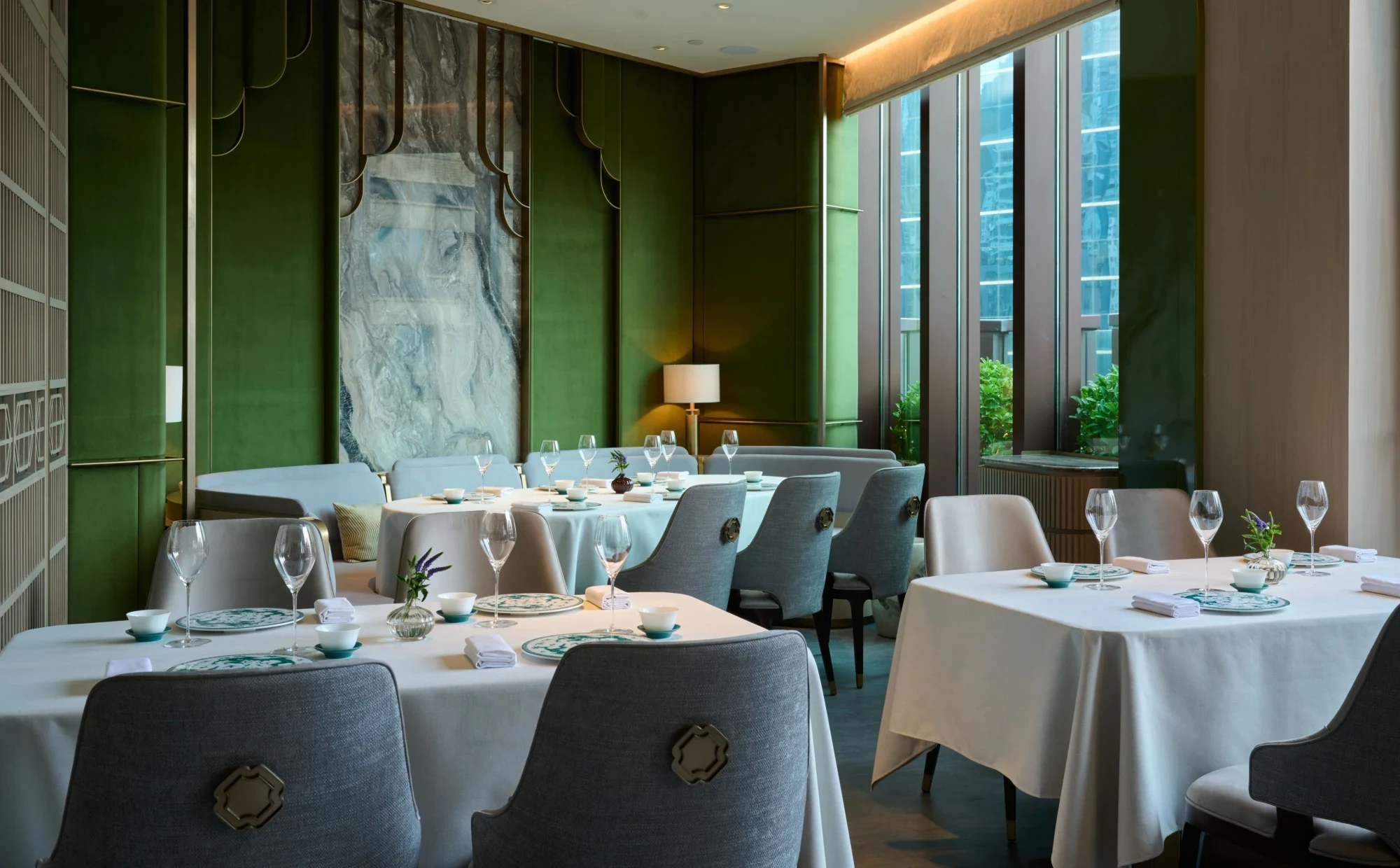
Ying Jee Club
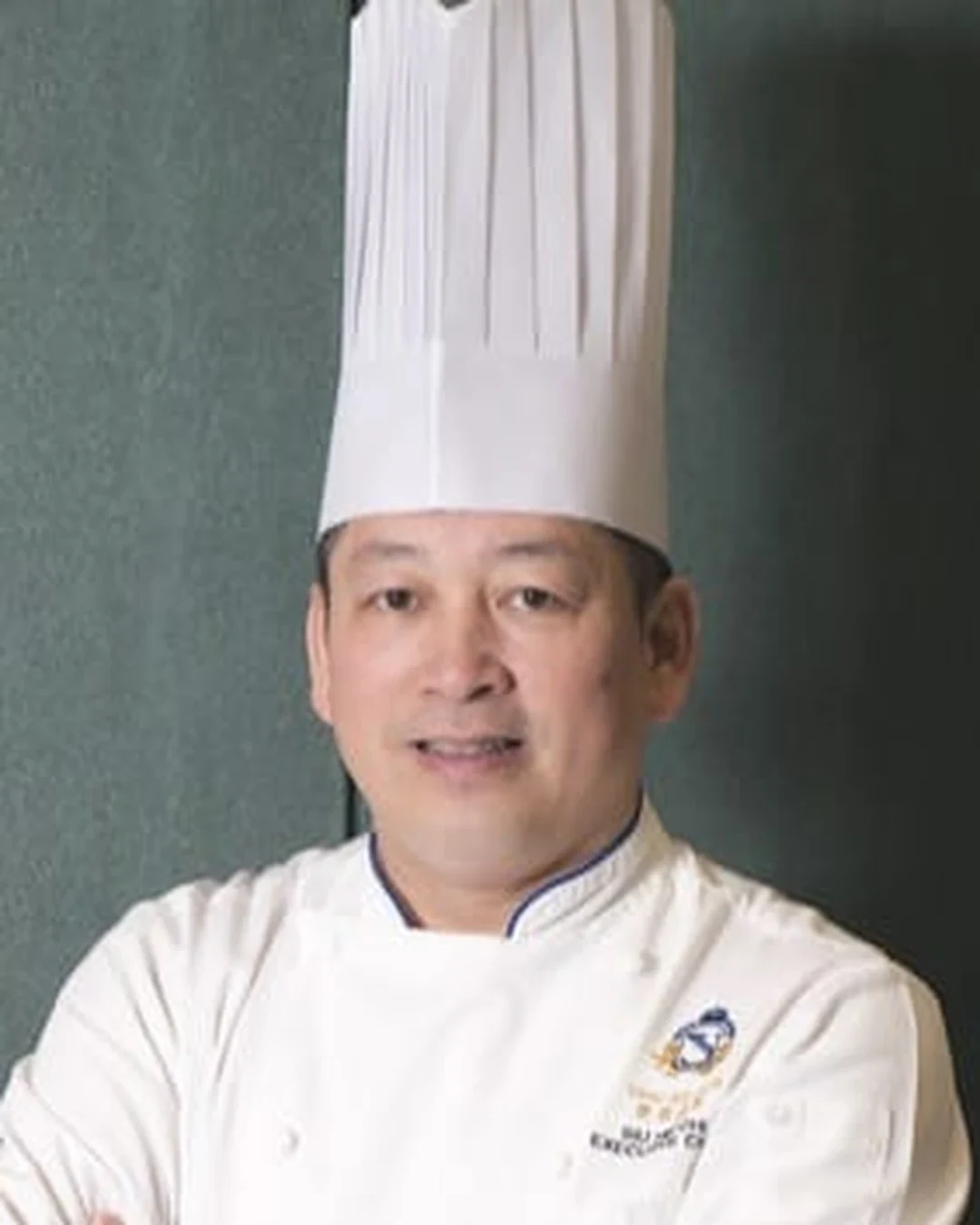
In Residence
Hin Chi Siu
Chef
- 01CuisineModern Cantonese Fine Dining
- 02CityHong Kong, Hong Kong
- 03RecognitionTwo Michelin Stars
From the people index
Recommended by
One trusted voice points here.
- 2 Michelin Stars · Michelin Guide
- SCMP 100 Top Tables Restaurants · 2026
- Opinionated About Dining Top Restaurants in Asia Highly Recommended · 2026
- Michelin 2 Stars · 2026
- La Liste Top Restaurants: 82pts · 2026
- Michelin 2 Stars · 2025
- La Liste Top Restaurants: 84pts · 2025
- Opinionated About Dining Top Restaurants in Asia Ranked #156 · 2025
- Opinionated About Dining Top Restaurants in Asia Ranked #197 · 2024
- Michelin 2 Stars · 2024
- Opinionated About Dining Top Restaurants in Asia Highly Recommended · 2023
Central's Cantonese Roasting Tradition, Held to a High Standard
Central Hong Kong has long been the address where Cantonese fine dining submits itself to the most rigorous scrutiny. The towers along Connaught Road draw an audience that has eaten at the reference addresses across the region, at Lung King Heen, at T'ang Court, at Lai Ching Heen, and arrives with calibrated expectations. Ying Jee Club, at Shop G05 inside 41 Connaught Road Central, occupies that comparable set. Two Michelin stars place it in a bracket where every plate is assessed against decades of accumulated Cantonese technique.
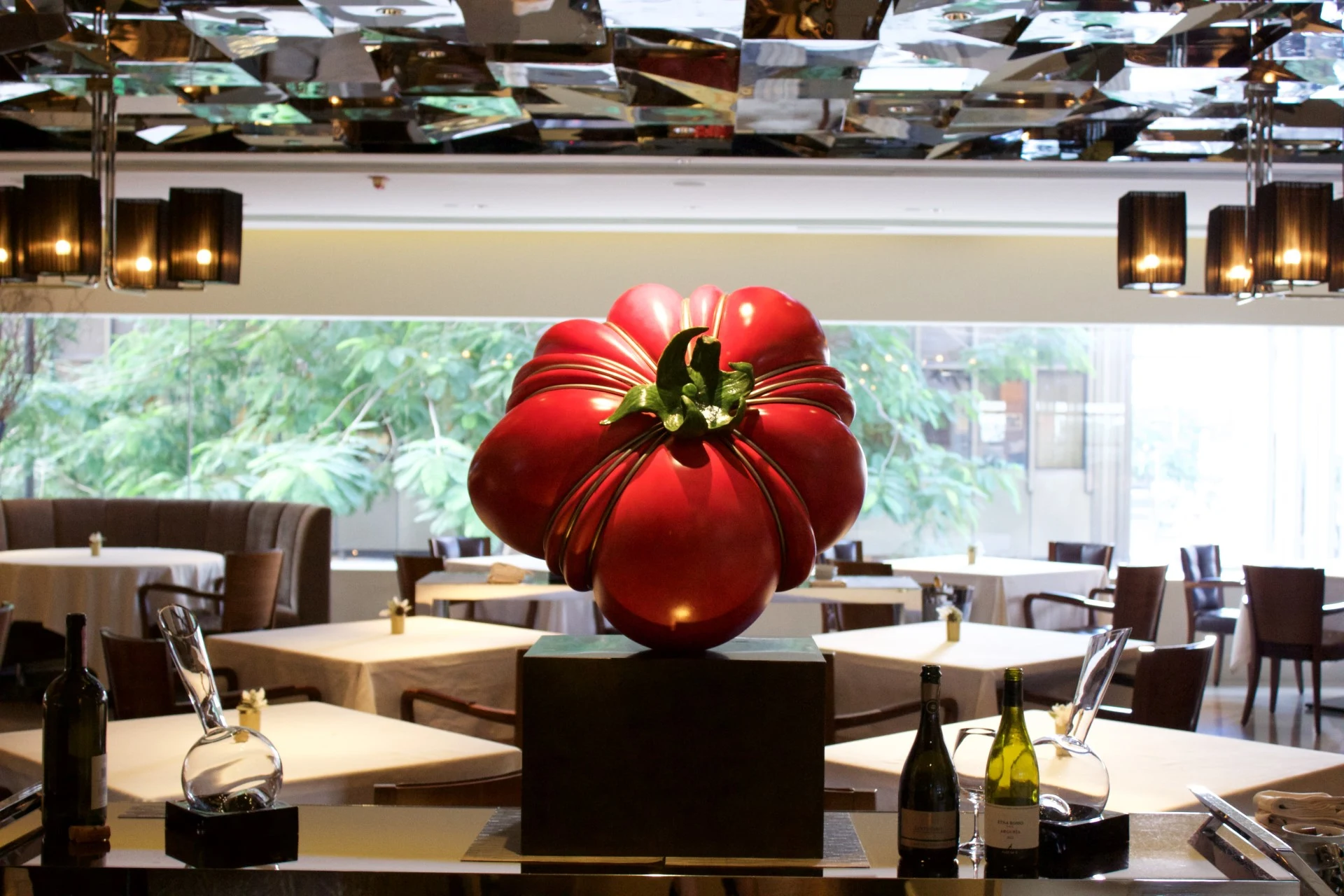
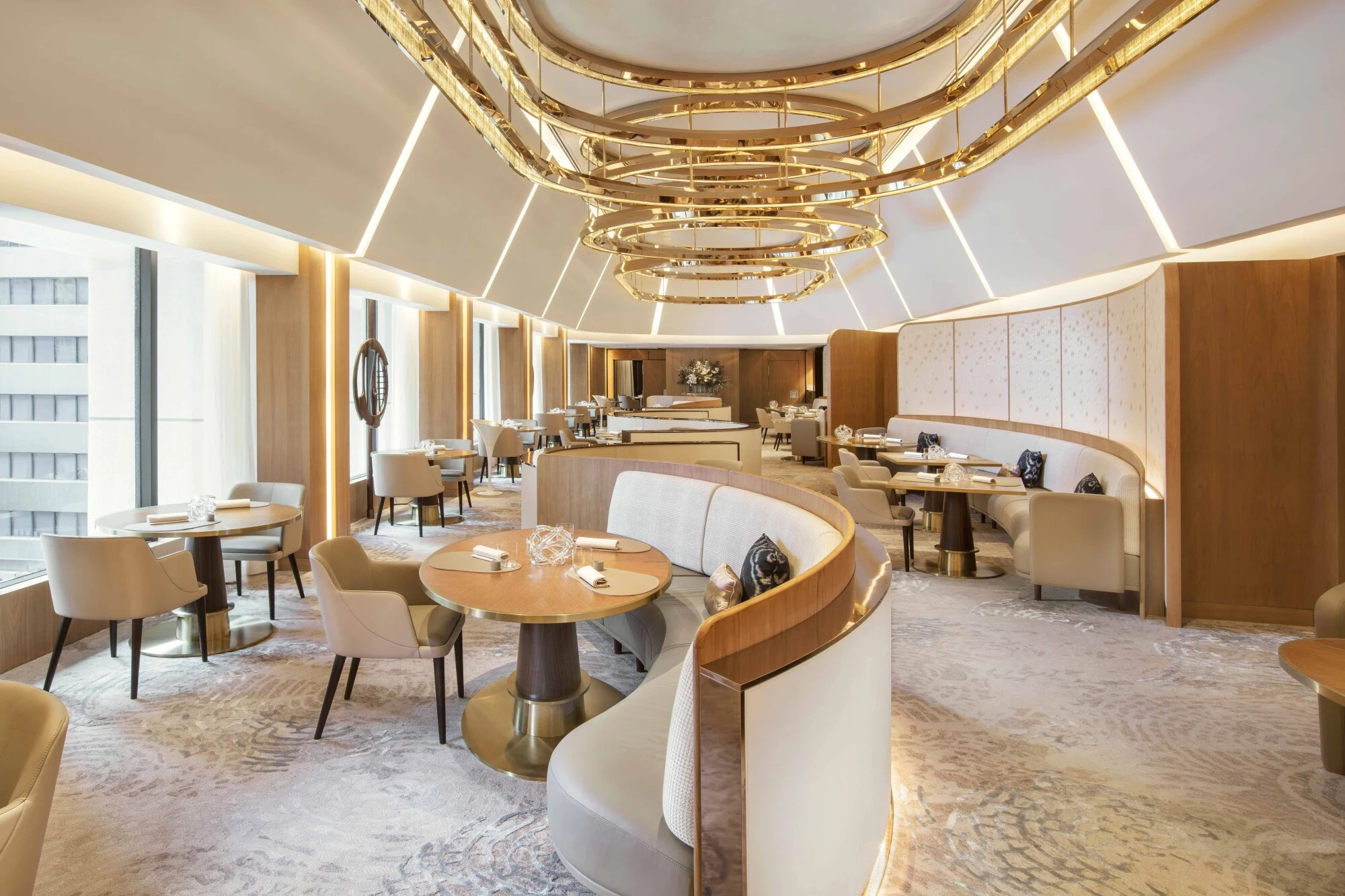
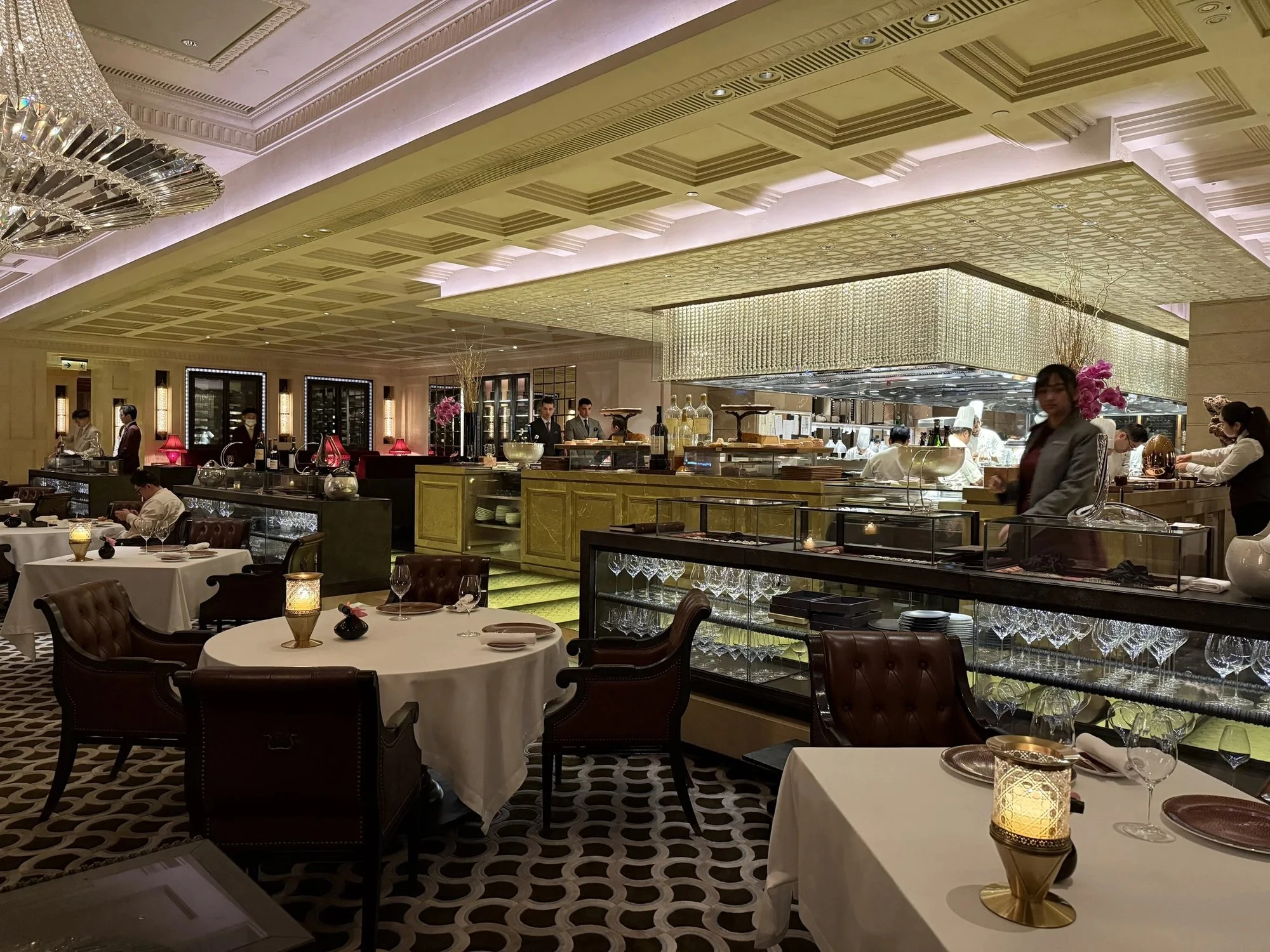
The room signals its intent before any dish arrives. Ground-floor access in a Central office tower could easily produce an anonymous corporate dining room, but the design approach at this tier in Hong Kong typically works against that: low light, considered materiality, and the particular hush that comes when a space has been arranged around the act of eating rather than the theatre of being seen. That quietness is itself editorial. It tells you the kitchen expects to be listened to.
The Roast Program: Where Cantonese Craft Shows Its Hand
Within Cantonese cooking, nothing separates a serious kitchen from a competent one faster than the roast section. Char siu, siu yuk (roast suckling pig or pork belly), and the broader category of siu mei require an understanding of heat management, marinade penetration, and resting time that cannot be faked with a good sauce. These are dishes with almost no room to hide: the fat layer either renders correctly or it doesn't, the char develops at precisely the right moment or the meat dries out before it does, the lacquer on char siu achieves that specific balance of caramelised sweetness and smoke or it remains merely glazed pork.
At the two-Michelin-star level in Hong Kong, the roast program is treated as a statement of classical literacy. Ying Jee Club, under Chef Hin Chi Siu, operates in this tradition. The kitchen's standing in consecutive Michelin cycles and its consistent recognition by Opinionated About Dining, a guide whose Asia rankings are assembled by a panel of frequent diners, suggests a roast program that meets the standards this audience applies. OAD rankings in particular reward cooking that registers as compelling across multiple visits, which makes the 2023-to-2025 trajectory meaningful.
The broader context is worth holding: Peking duck, which sits adjacent to but distinct from the Cantonese roasting canon, has become a litmus-test dish at Chinese fine dining rooms across the region. Where Jade Dragon in Macau and Chef Tam's Seasons have used duck as a centrepiece of their premium positioning, the Hong Kong Central tier tends to integrate roasting into a wider Cantonese framework rather than letting any single dish dominate. Ying Jee Club's format aligns with that approach.
Where Ying Jee Club Sits in the Broader Cantonese Conversation
Cantonese fine dining has expanded significantly across Greater China and Southeast Asia in the past decade. Le Palais in Taipei, Summer Pavilion in Singapore, and the Shanghai contingent, 102 House, Bao Li Xuan, Canton 8, and Imperial Treasure Fine Chinese Cuisine, represent a diaspora of classical Cantonese technique meeting different regional markets and audiences. What distinguishes the Hong Kong addresses is that they operate in the original critical environment: a city that consumes Cantonese cooking daily across every price point, where the audience for fine dining is also the audience for exceptional cha siu baau from a dai pai dong, and where the gap between good and great is understood with unusual precision.
In that context, sustained two-star recognition carries a different weight than it might elsewhere. Michelin's Hong Kong/Macau guide operates in a market that has more Michelin-starred Chinese restaurants per capita than almost anywhere else, meaning the competition for recognition is dense and the standards applied are calibrated against a deep field. Forum and Rùn represent different points on the Central and wider Hong Kong spectrum; Ying Jee Club's two-star position places it in a comparable set where the margin of differentiation is technical rather than conceptual.
The La Liste score movement is worth noting without over-reading. La Liste aggregates scores across multiple guides and publications, meaning small fluctuations often reflect weighting changes as much as kitchen shifts. The presence in both years at roughly the same level confirms consistent quality rather than a single exceptional performance.
The Central Address: What the Location Signals
Connaught Road Central is office and finance territory during the week, which shapes the lunchtime demographic toward private business dining and the dinner service toward a mix of corporate hospitality and destination diners. This geography tends to favour restaurants that can serve both audiences without compromising for either: the power lunch crowd requires efficiency and discretion, while destination diners want the full expression of what a kitchen can do.
For visitors, the Central location is practically direct. The MTR's Central and Hong Kong stations are within walking distance, and the address sits along a well-navigated stretch for anyone moving between the waterfront and the mid-levels. The area's concentration of premium dining, this block of Central contains more multi-starred restaurants than most cities have in total, means that an evening in the neighbourhood can be anchored around dinner here and extended easily.
Planning Your Visit
Lung King Heen and T'ang Court but at a level where a full tasting format will represent a significant spend.
What Should I Order at Ying Jee Club?
The kitchen's recognition across Michelin, La Liste, and Opinionated About Dining suggests breadth rather than dependence on a single showpiece dish. At a Cantonese restaurant of this standing, the roast section is where classical technique is most directly expressed: char siu and any whole-roasted preparations are the logical anchor of an order. Chef Hin Chi Siu's kitchen has maintained consistent recognition across multiple years and multiple guide formats, which points to a menu where the classical preparations, steamed dishes, roasts, wok work, are executed with the precision the Michelin panel has rewarded rather than a kitchen that peaks on one attention-drawing dish.
Questions
Frequently asked
What recognition does Ying Jee Club hold?
Ying Jee Club holds 2 Michelin stars.
Who works at Ying Jee Club?
Made By profiles Hin Chi Siu (Chef) at Ying Jee Club.
How expensive is Ying Jee Club?
Ying Jee Club is listed at a price level of $$$$.
Where is Ying Jee Club and what does it serve?
Ying Jee Club is in Central, Hong Kong, serving Modern Cantonese Fine Dining.
The field
How it compares
| Place | Awards | Cuisine | Notes |
|---|---|---|---|
| Ying Jee Club | Michelin 2 Stars | Modern Cantonese Fine Dining | Central, $$$$ |
| 8 1/2 Otto e Mezzo Bombana (Hong Kong) | Michelin 3 Stars, World's 50 Best | 3 Michelin-Star Italian Fine Dining | Hong Kong |
| Amber | Michelin 3 Stars, World's 50 Best | Contemporary French Fine Dining | Hong Kong |
| Caprice | Michelin 3 Stars, World's 50 Best | Contemporary French Fine Dining | Hong Kong |
| The Chairman | Michelin 1 Star, World's 50 Best | Traditional Cantonese | Hong Kong |
| Vea | Michelin 1 Star, World's 50 Best | Modern Chinese-French Fusion | Hong Kong |
| WING Restaurant | World's 50 Best | Modern Chinese Fine Dining | Hong Kong |
In residence
Similar places
3 Michelin-Star Italian Fine Dining
8 1/2 Otto e Mezzo Bombana (Hong Kong)
Hong Kong, Hong Kong
★★★ · 50 Best
Contemporary French Fine Dining
Amber
Hong Kong, Hong Kong
★★★ · 50 Best
Contemporary French Fine Dining
Caprice
Hong Kong, Hong Kong
★★★ · 50 Best
Traditional Cantonese
The Chairman
Hong Kong, Hong Kong
★ · 50 Best
Modern Chinese-French Fusion
Vea
Hong Kong, Hong Kong
★ · 50 Best
Modern Chinese Fine Dining
WING Restaurant
Hong Kong, Hong Kong
50 Best