i. Biography
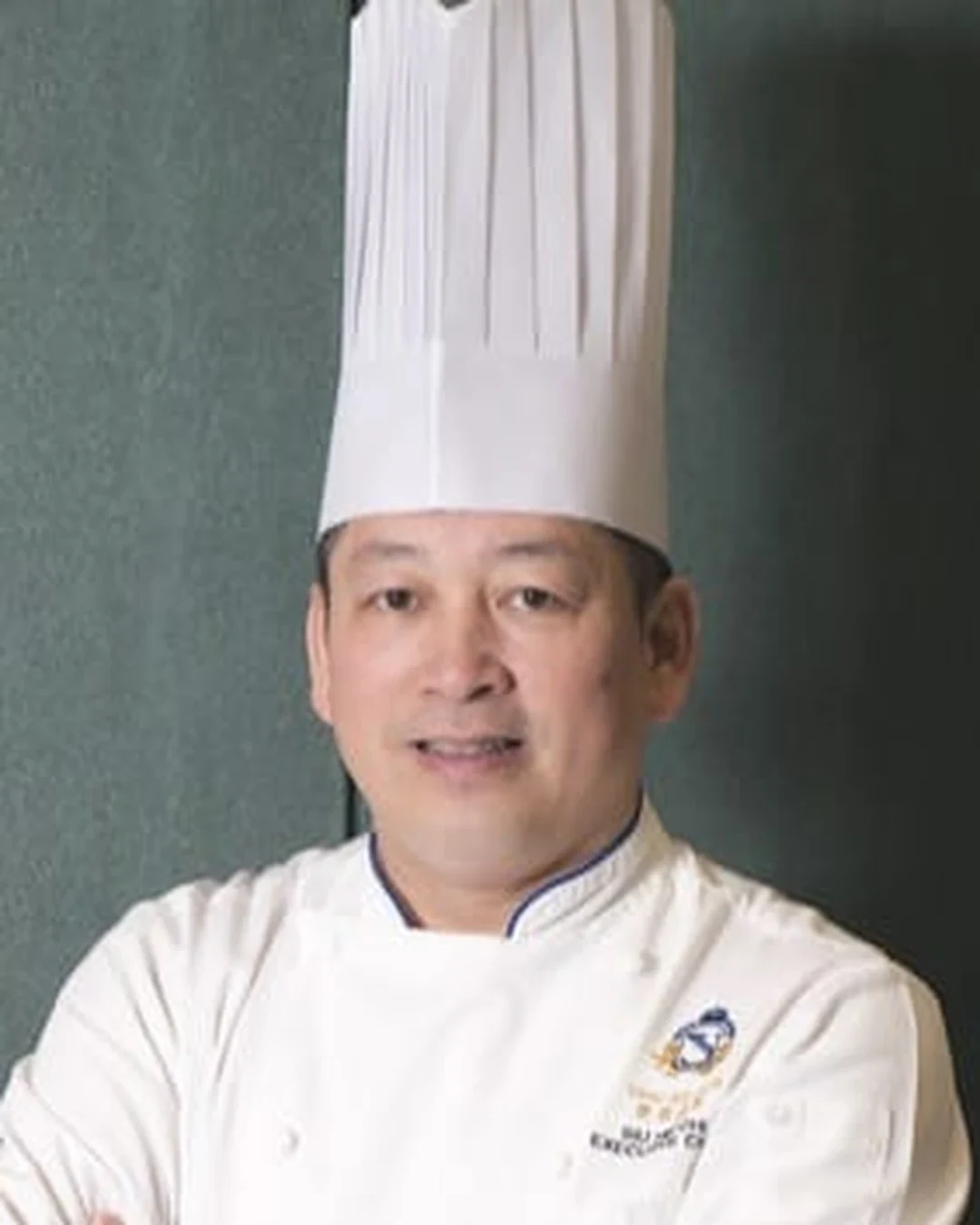
At Ying Jee Club in Hong Kong, Executive Chef Hin Chi Siu works in the material language named for his kitchen: classical roasting technique, precise Cantonese craft, and exact classical Cantonese cooking. The same attention can be read in his T'ang Court hairy-crab dishes, where turnip, shrimp paste, bird's nest, bean curd, Chinese kale, Inaniwa noodles, garoupa, scallops, crab meat and roe are arranged for freshness, aroma, flavor, and contrast.
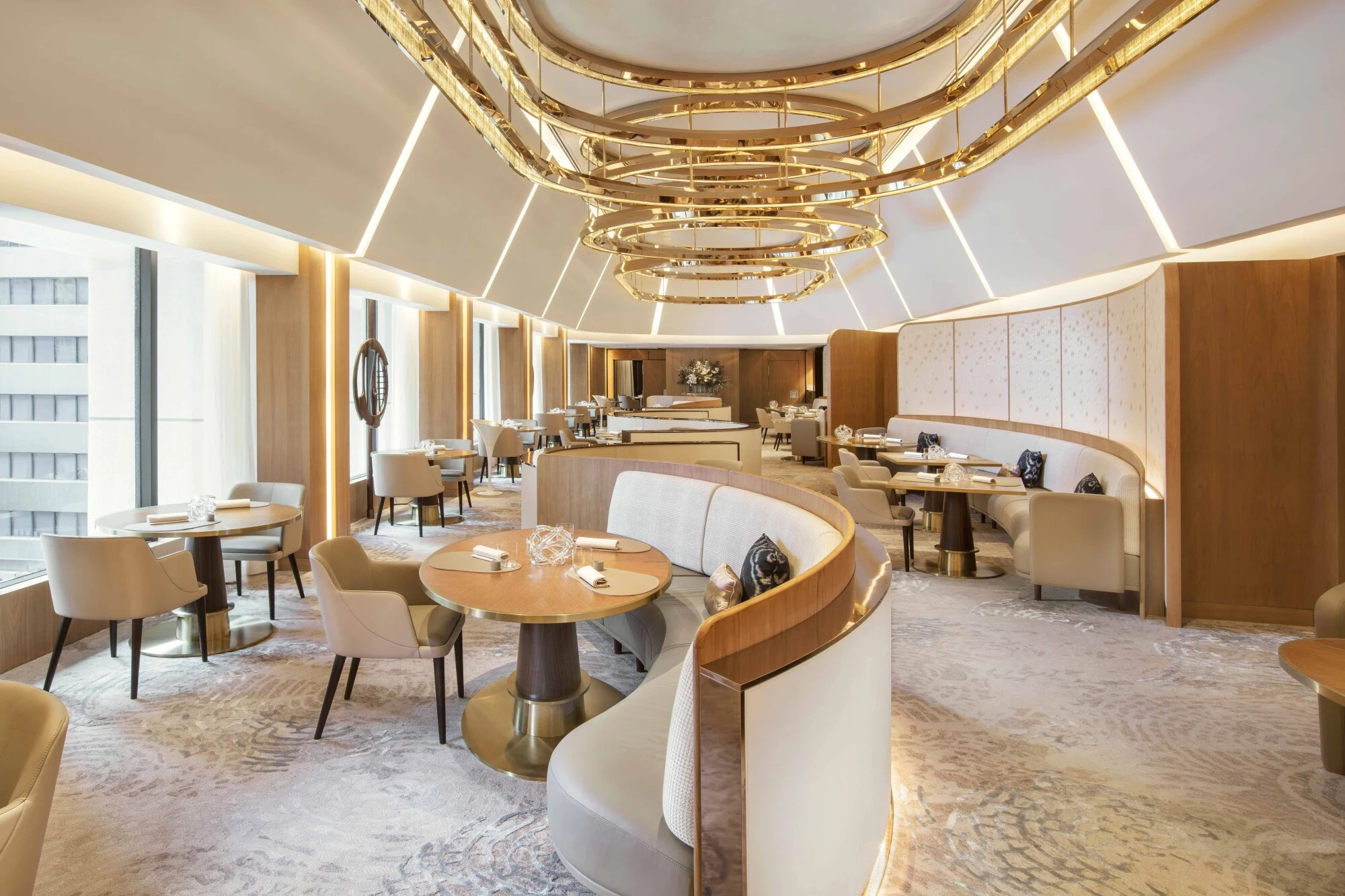
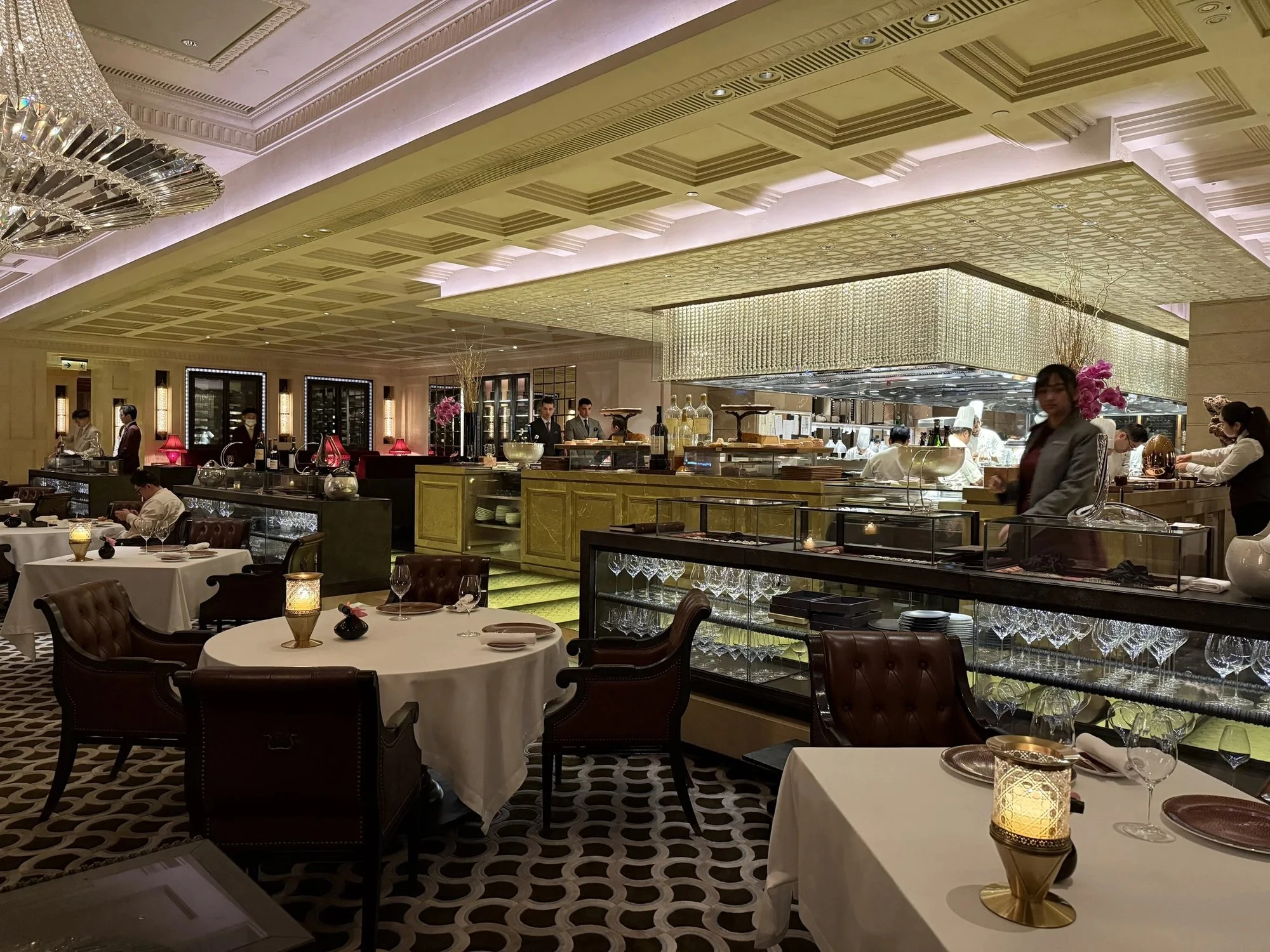
The Place The current address is Ying Jee Club in Hong Kong, where Siu serves as Executive Chef. The restaurant gives his cooking a sharply defined frame: Cantonese technique expressed through control, clarity, and the classical roasting work associated with the kitchen. Before that appointment, he served as Executive Chef at Duddell's. He was also Executive Chef at T'ang Court in Hong Kong, and Chinese Executive Chef at The Langham, Hong Kong. Recognition has followed the Hong Kong restaurant he now leads. In 2026, MICHELIN Guide recognized Ying Jee Club as a two stars restaurant, while OAD Asian Restaurants placed it at rank 196 the same year. La Liste lists it at #819, and Restaurant Ranking placed it at #534 in 2024, with PRO #18.17 and USER #17.00.
The Method Siu's method is defined by precise classical Cantonese cooking rather than spectacle. At Ying Jee Club, that means classical roasting technique and exact Cantonese craft: a kitchen language where refinement depends on the handling of method as much as on the ingredient itself. His work with hairy crab at T'ang Court shows the same logic in another register. There, he used different ingredients and cooking methods to bring out the quality of the crab, treating the meat and roe not as decoration but as the center of the dish's aroma, texture, and fullness.
The Range One signature item at T'ang Court was stewed turnip rings stuffed with shrimp paste and topped with bird's nest, accompanied by bean curd filled with shrimp paste, hairy crab meat and roe topping. The dish matched the freshness of shrimp with the full flavor of crab roe. Another dish, stewed prawns with Chinese kale, hairy crab meat and roe, used the tenderest part of in-season Chinese kale and was infused with the aroma and taste of Chinese kale and crab. A third, stewed Inaniwa noodles with diced garoupa, scallops, hairy crab meat and roe, was noted for contrasting texture. Together, those dishes place Siu's range inside a precise Cantonese vocabulary: roasting technique in Hong Kong, crab roe handled for depth, greens chosen for tenderness, and noodles used for texture against seafood.
FAQ What style or method defines Hin Chi Siu's work? His work is defined by classical roasting technique, precise Cantonese craft, and precise classical Cantonese cooking. What are Hin Chi Siu's signature releases or dishes? His signature dishes include stewed turnip rings with shrimp paste, bird's nest, bean curd, hairy crab meat and roe; stewed prawns with Chinese kale and hairy crab; and stewed Inaniwa noodles with garoupa, scallops, and hairy crab meat and roe. What is Hin Chi Siu known for making? He is known for Cantonese cooking shaped by roasting technique and for hairy-crab dishes that use varied ingredients and cooking methods to bring out the crab's quality.