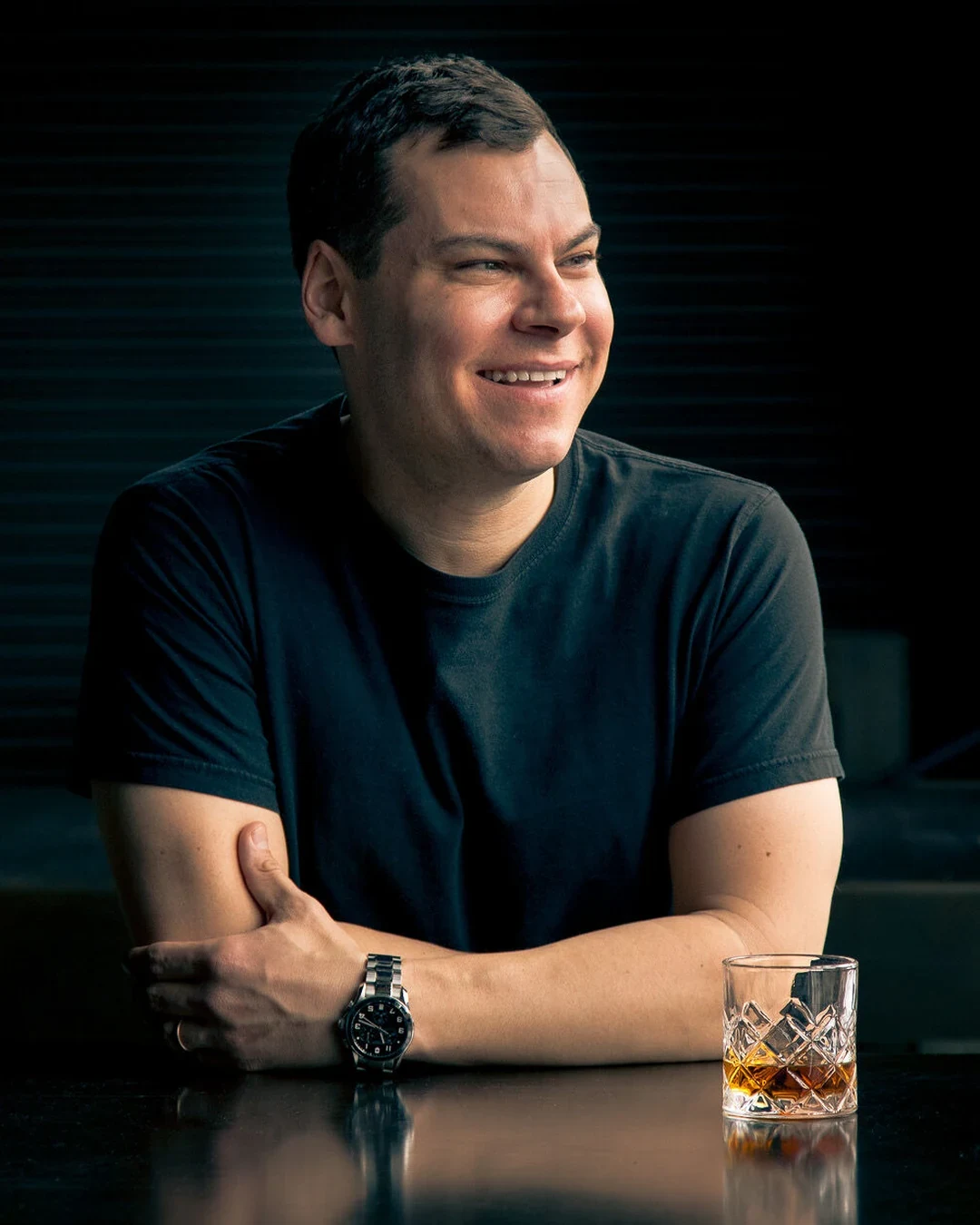
Winemaker
Benoît Chevallier
Winemaker, Benoit Chevallier
- Discipline
- Winemaker
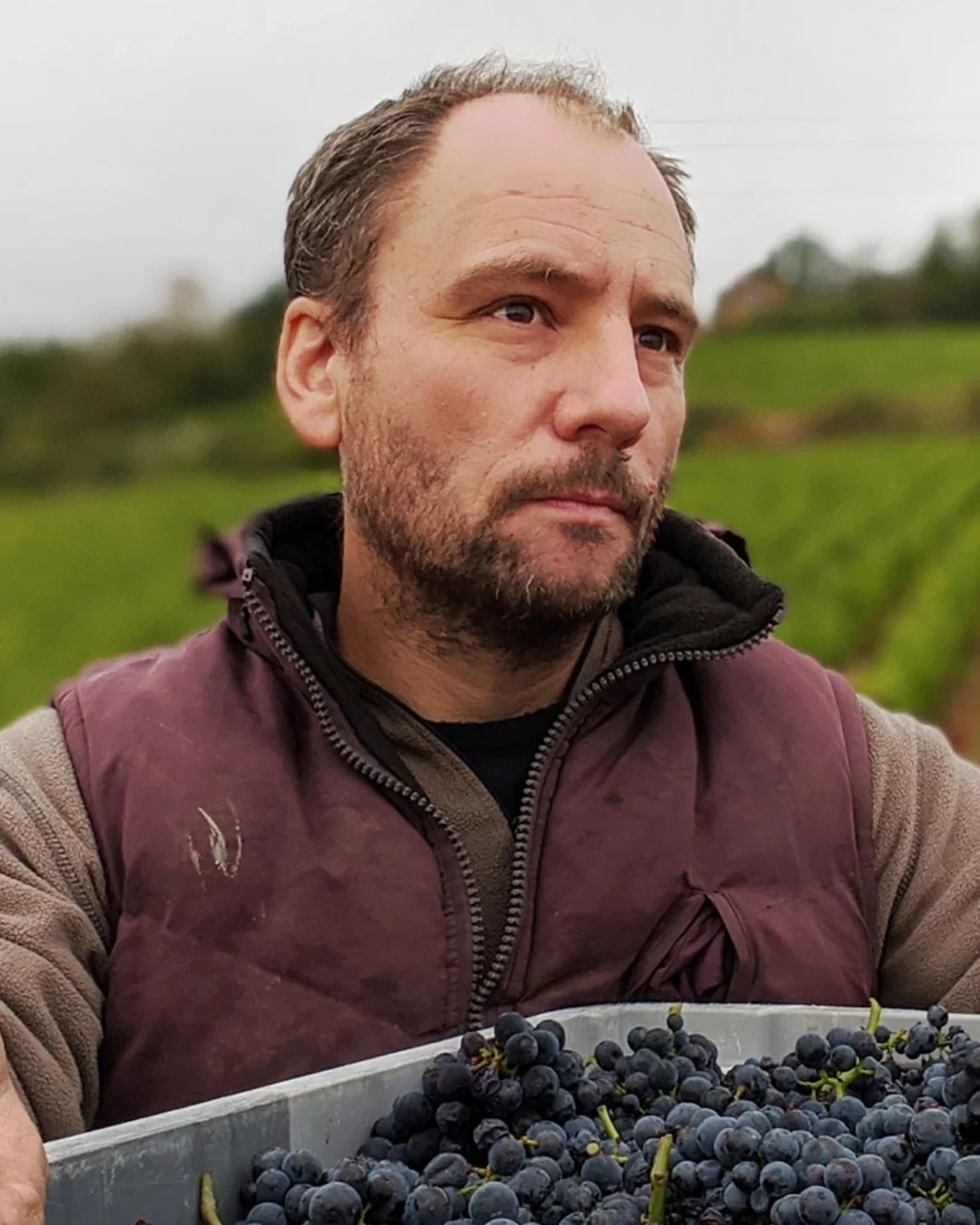
Portrait of Benoît Chevallier
i. Biography
The Idea
Family vineyard work is the base material of Domaine Benoît Chevallier: three generations of farming, pruning, harvest timing and cellar memory held in the same land. Roger and Louise Chevallier, his grandparents, acquired the first vines in the 1930s. From the 1960s until his retirement, Maurice Chevallier carried that work forward, keeping the family’s viticultural knowledge in use. Estate succession here began as preservation rather than expansion., although little prepared for winemaking, Benoît Chevallier and his sister Eloïse took over part of the estate as a second activity, to keep the family know-how active. For the next 10 years, before taking over all the family land, he produced wines on less than one hectare. That scale made every choice visible: micro-cuvées gave little room for imprecision in fruit selection, extraction or élevage. The domaine took its working form and name with the 2019 vintage. That same year, Domaine Benoît Chevallier received the Trophée des Jeunes Talents award, fixing public recognition to a project built from inherited vines and renewed practice. The current domaine is certified organic, in line with Chevallier’s stated commitment to Organic Farming. The operating field is narrow and demanding: organic viticulture, vinification, micro-cuvées, Pinot Noir and Côte de Nuits terroirs. The point is not volume. It is continuity of soil, vine, vintage and family land under a contemporary set of decisions.
The Execution
Daily vineyard work is the center of the method. “Alone at the head of my estate, I mobilize myself daily in my vineyards. In practice, Benoît Chevallier directs organic farming toward respect for soil and vines, with the harvest understood as the result of both visible canopy work and living conditions below ground. Soil maintenance is handled through living-matter and compost soil amendments, compost teas and plant preparations. These are used to maintain soil fauna and preserve microorganisms. Pruning follows soft Guyot Poussard principles, with cuts adjusted to the vigor of each vine stock rather than imposed as a uniform pattern. Observation governs the work more than formula. Vinification begins with hand harvest and sorting in the vineyard. Grapes are fully destemmed slowly, then given long macerations of two to three weeks in cement and wooden vats. Pump overs and intermittent punch downs manage extraction. The cellar work is built to support complex structure without pushing the wine away from its site. The stated style is pure, clean, slightly polished, spicy, perfumed and delicate. Cold pre-fermentation is a key technique, and destemmed grapes with a four- to five-day cold pre-fermentation are part of that line. The specialty is Pinot Noir from Burgundy, including Vosne-Romanée and nearby premier cru plots, where small differences in parcel, fruit and extraction carry the work. The useful reading for the trade is not ego; it is legibility of farming and cellar choices in the finished wine. The early scale was less than one hectare and micro-cuvées. That constraint shaped the method: watch the vine, protect the soil, use science without abandoning natural agriculture, and let each vintage set the frame for what the wine can become.
FAQ What is Benoît Chevallier's current role? Benoît Chevallier is head of Domaine Benoît Chevallier. What is Benoît Chevallier known for? Pinot Noir from Burgundy, including Vosne-Romanée and nearby premier cru plots. What recognition has Benoît Chevallier received? Trophée des Jeunes Talents award (2019).