Winemaker
Frédéric Buisson
Winemaker, Domaine Henri & Gilles Buisson
- Discipline
- Winemaker
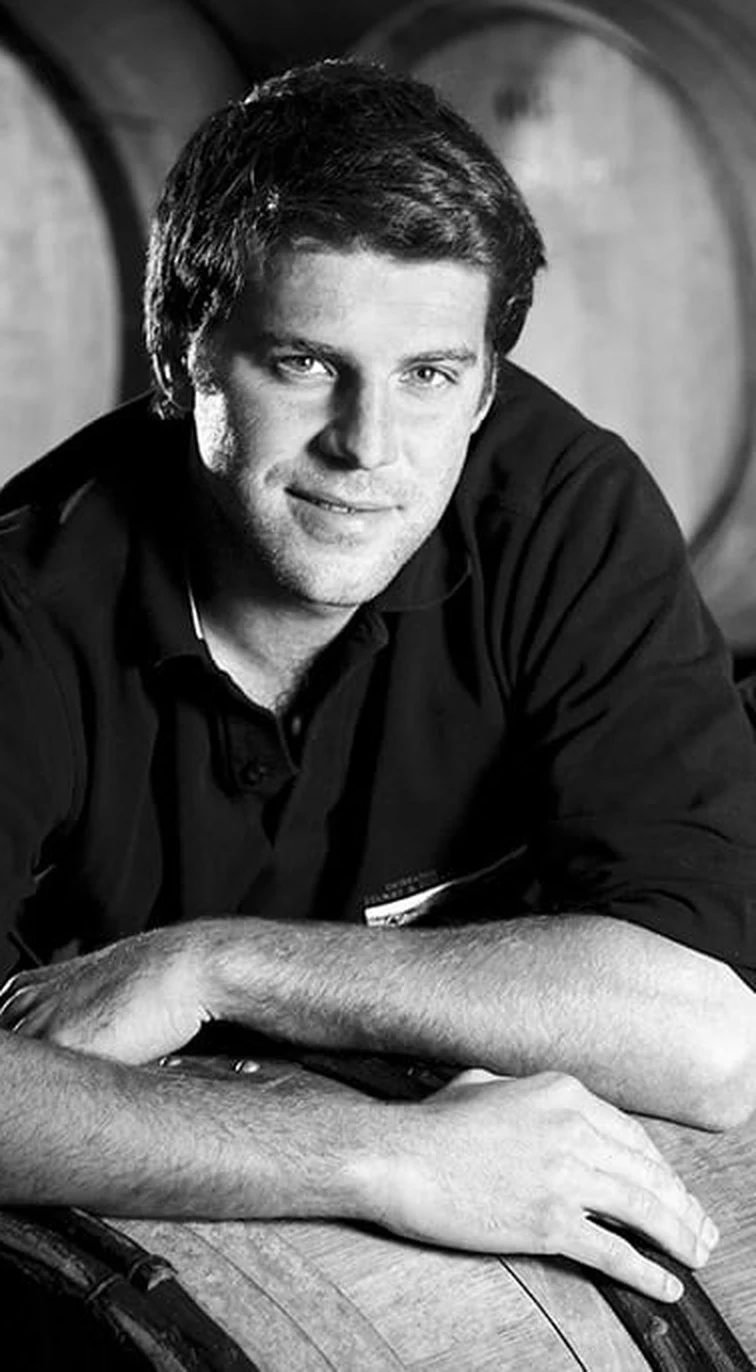
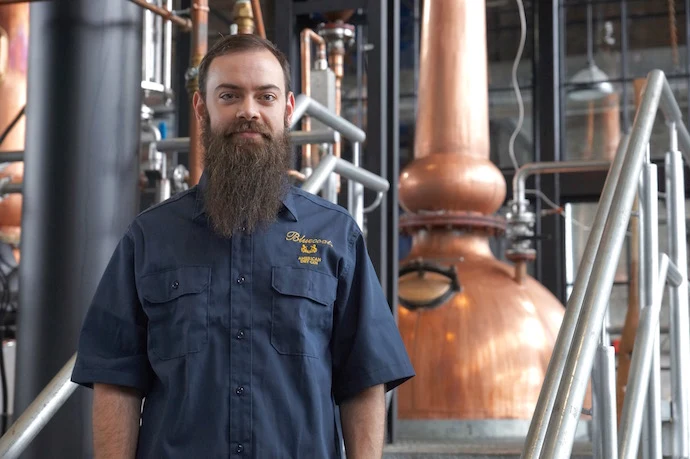
Portrait of Frédéric Buisson
i. Biography
Frédéric Buisson's formation sits inside the working structure of Domaine Henri & Gilles Buisson in Saint-Romain, France, a family estate that has bottled its own wine. The craft here is Burgundy inheritance handled through current cellar decisions: vines, cellar, season, and vintage translated without a dramatic break from the house., Buisson has been co-winemaker alongside his brother Franck, making Chardonnay wines there, carrying Saint-Romain through certified organic and biodynamic viticulture with attention to texture, energy, and élevage. The practice is built on observation: vineyard condition, fermentation behavior, vessel effect, and the point at which barrel influence has done enough.
The Path
Stewardship at a domaine with its own bottling history means working inside an identity already formed. Frédéric Buisson has been co-overseer of Domaine Henri & Gilles Buisson with his brother Franck, a role that requires present-tense judgment rather than authorship imposed from outside. In Saint-Romain, often discussed for freshness and tension, the work has been refinement of existing material. The family estate provides the frame; Buisson's work gives that frame its current cellar and viticultural expression.
The Work Today
Chardonnay at the Saint-Romain domaine is made toward intensity and elegance, a combination that depends on the site's energy and the handling of élevage. In Buisson's work, that means wines with drive and composure: movement in the palate, but not weight for its own sake. For the estate's whites, vessel choice is part of texture management. Different-sized barrels are used to vary lees contact, alongside concrete eggs, 12-hectoliter foudres, and WineGlobes. After malolactic fermentation, the whites have pH around 3.2 or 3.3, a technical marker that helps account for the wines' tension: acidity held clearly while texture is built without heaviness. Saint-Romain blanc Sous le Château sets out the method in practical terms. The cuvée uses whole-bunch pressing and spontaneous fermentation in wood; malolactic fermentation also occurs spontaneously in barrels, followed by aging in 228, 350, and 500-liter barriques and tonneaux, plus concrete eggs and WineGlobes. The range of vessels is not presented as novelty. It is a way of assembling proportion across contact, volume, and material. Daily tasting of the barrels for Saint-Romain blanc Sous le Château is part of the control work, with Buisson removing them when he deems it appropriate. The decision point is sensory rather than formulaic. Sulfur use is handled without dogma, and since 2022 the estate has used some sulfites before bottling.
Career - Co-overseer, Domaine Henri & Gilles Buisson, Saint-Romain, Burgundy, France (2008–present)
Acclaim
Corton-Charlemagne from the domaine has drawn high praise from Neal Martin, who wrote that it ranked among the best he encountered. The recognition places the wine in a wider Burgundy context while leaving the work anchored at its Saint-Romain address. Saint-Romain's value and clarity have also been noted in the cellar's own appellation wines. Martin singled out the Saint-Romain Sous le Château and Sous le Velle cuvées as outstanding-value Saint-Romain wines. The 2022 Saint-Romain blanc Sous le Château AOC has been described as elegant, mineral, fresh, delicately spicy, and marked by invigorating acidity. Taken together, the notes point back to the same craft position: Chardonnay shaped by place, monitored closely through élevage, and released with its tension intact.
FAQ What is Frédéric Buisson's current role? Frédéric Buisson is winemaker alongside his brother Franck, making Chardonnay wines. What is Frédéric Buisson known for? Saint-Romain Burgundy wines, especially Chardonnay; the domaine is a go-to Saint-Romain producer for quality at reasonable prices.