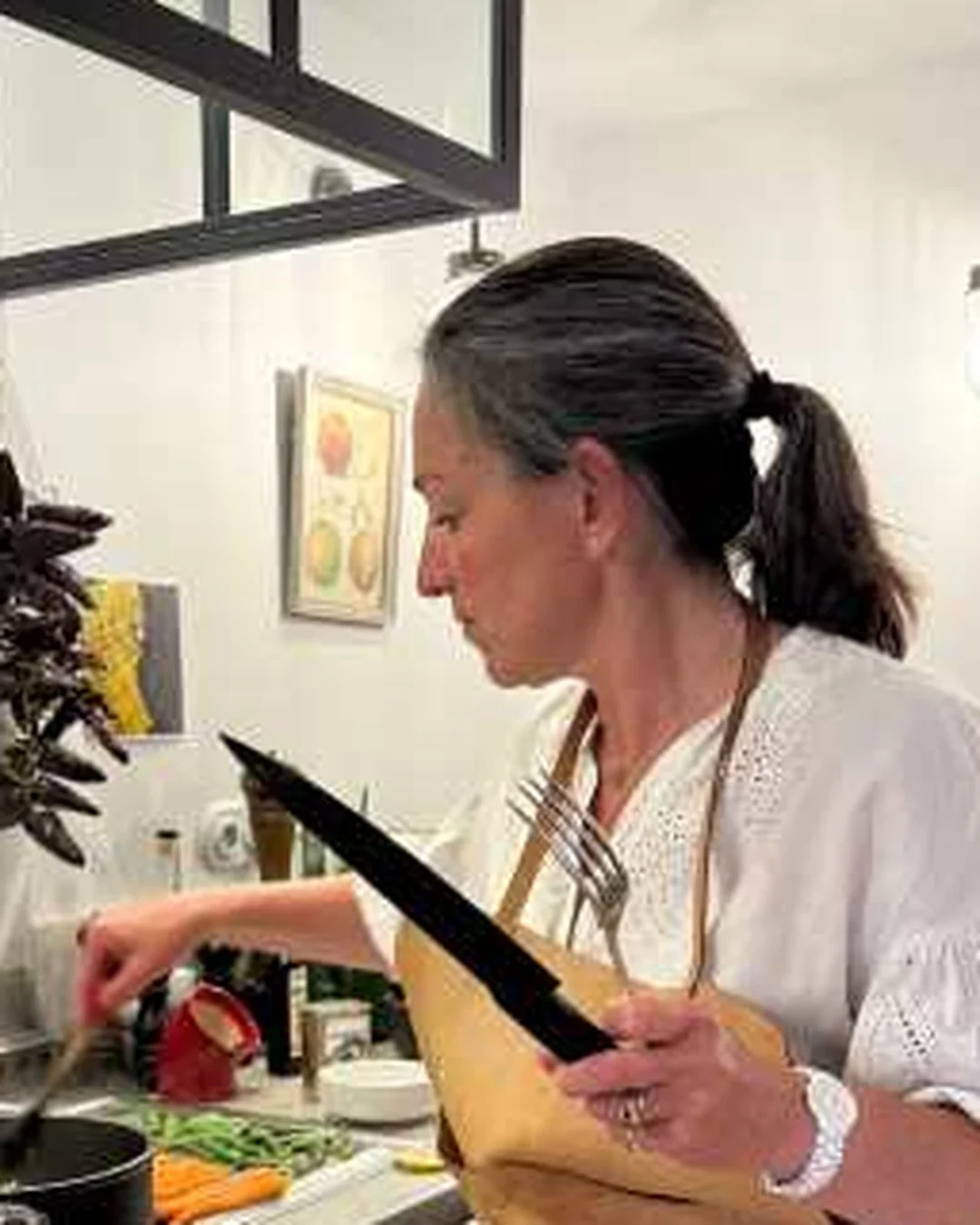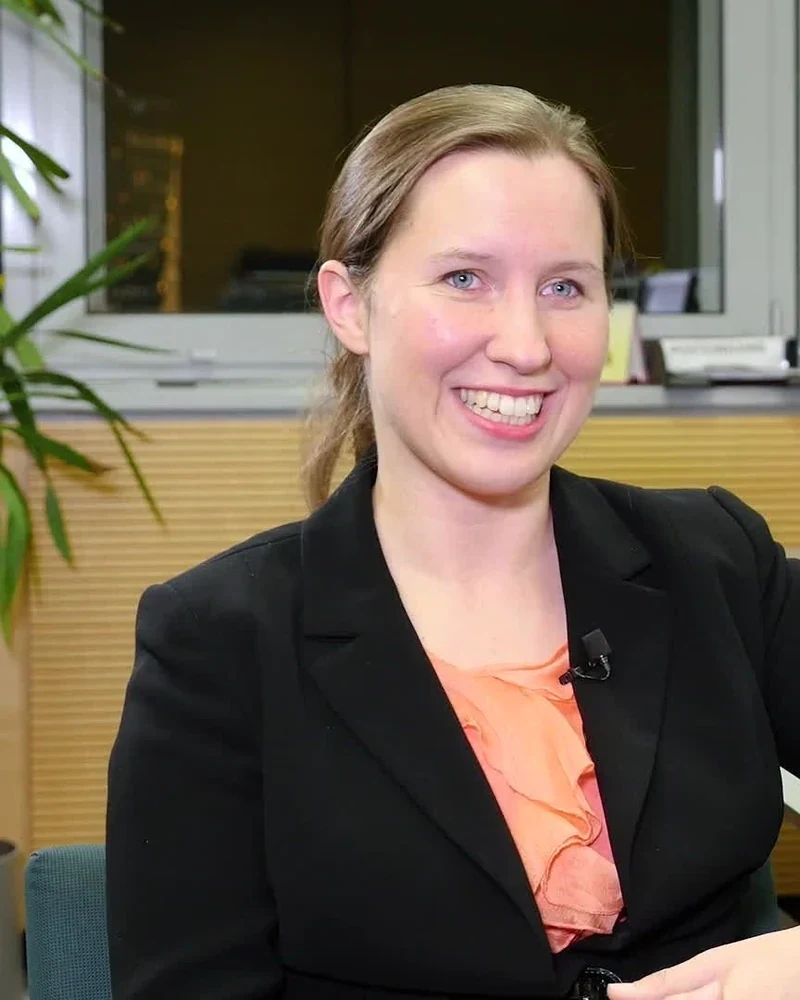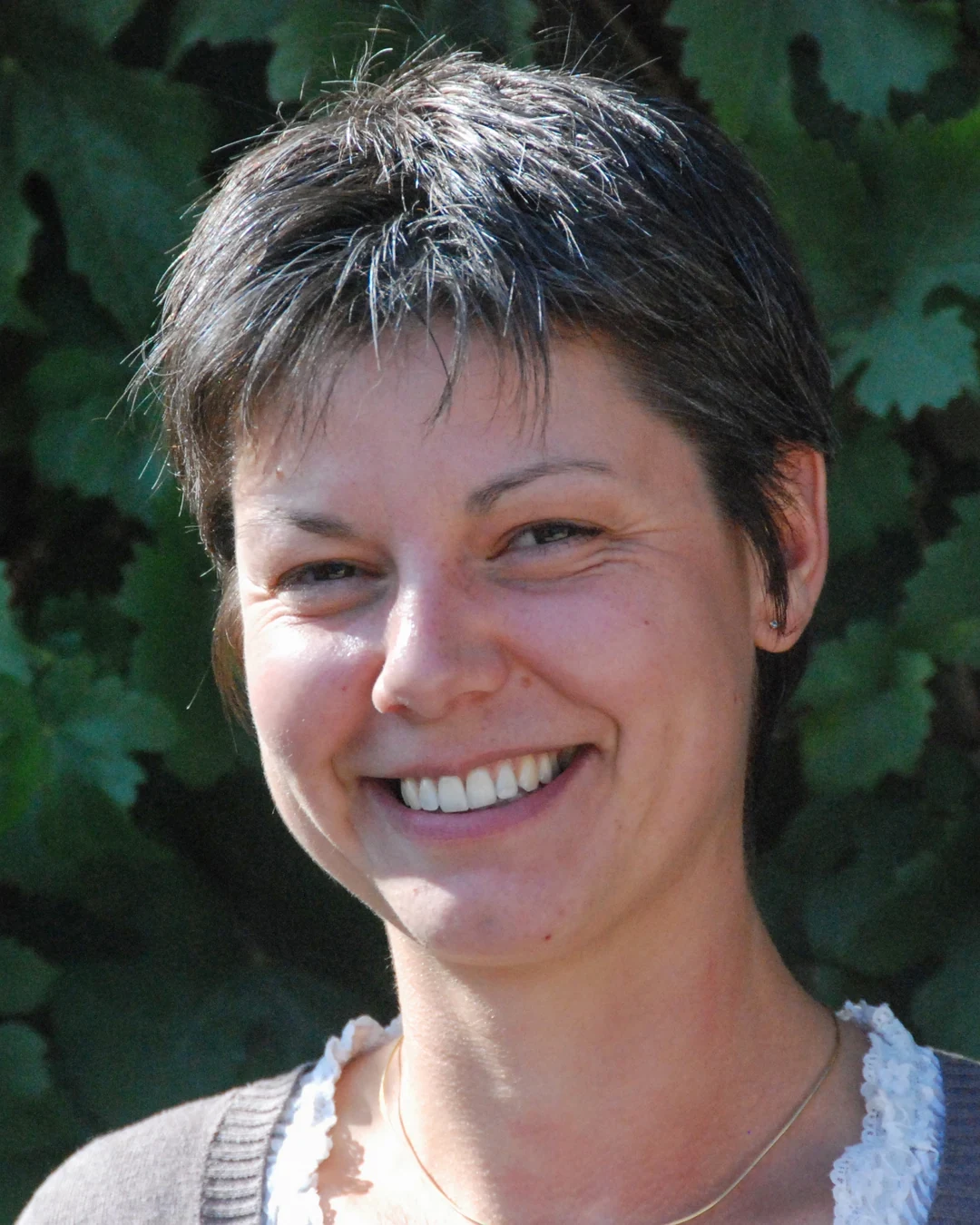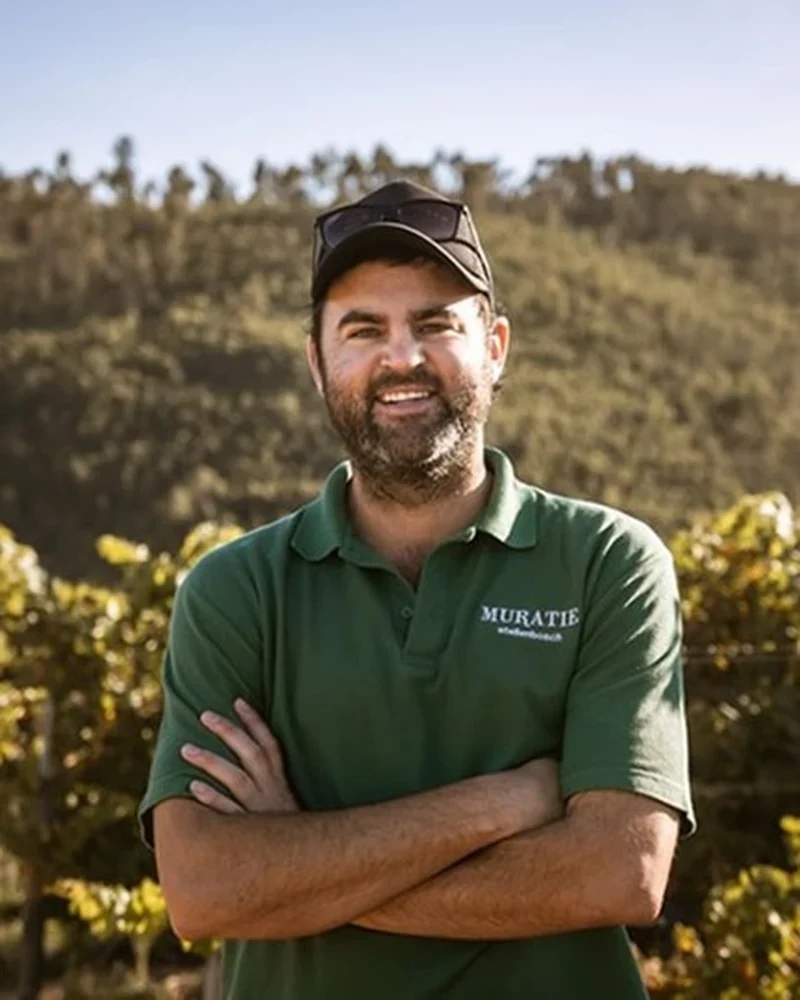
Portrait of Hattingh de Villiers
i. Biography
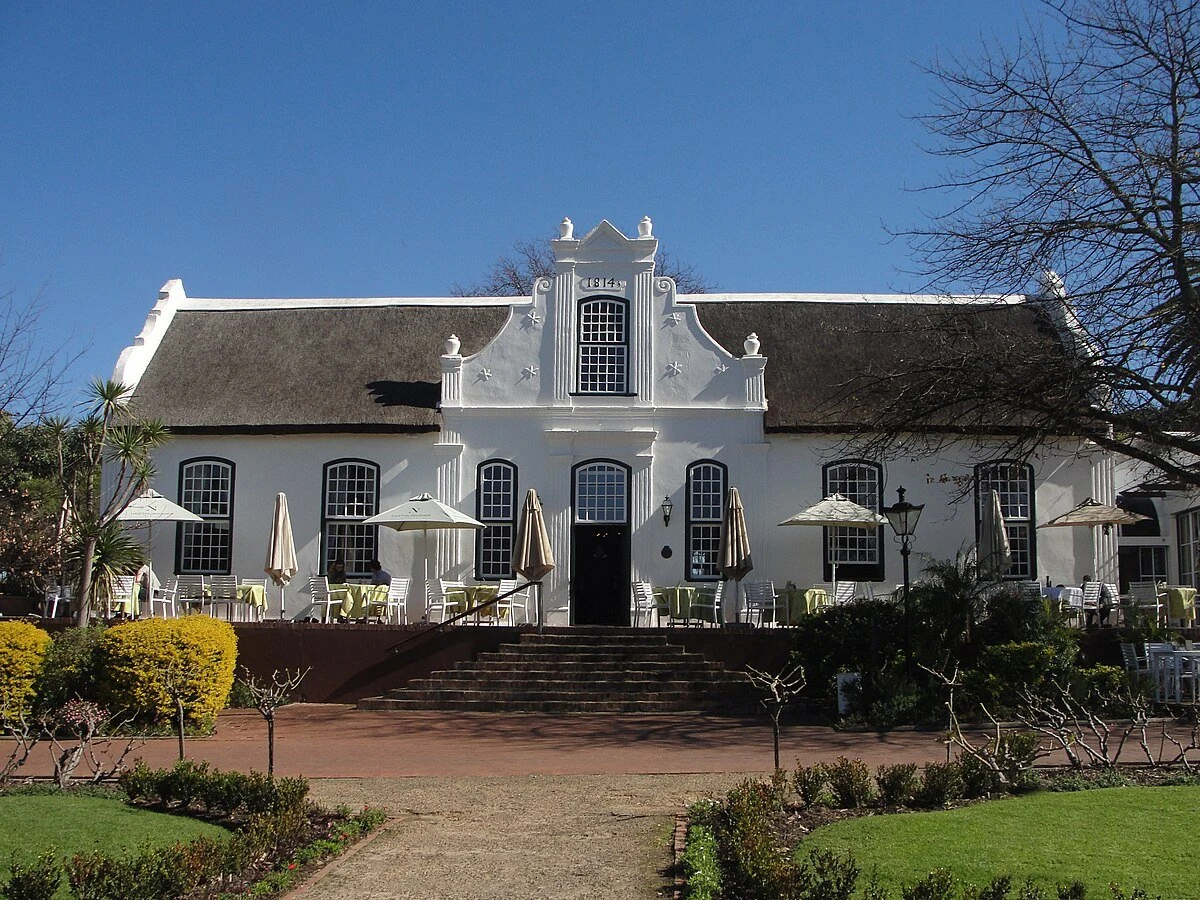
Hattingh de Villiers is Cellar Master at Muratie Wine Estate in Stellenbosch, South Africa, where he works with a restrained, traditional approach that keeps technique in service of the fruit. His practice is centered on minimal intervention, allowing the raw character of the vineyard to remain visible in the finished wine. He is associated with winemaking at Muratie Estate, and his work there is defined by clarity, texture, and a direct expression of origin rather than ornament. De Villiers trained at Elsenburg, and he was already learning the trade at Morgenhof while his formal study was still underway. That early combination of study and cellar work set the pattern for a career built through hands-on experience across different estates and regions. He became winemaker at Family Estate in Langhorne Creek Valley in South Australia, then moved to Chateau Montelena Winery in Napa Valley, California, USA. He later served as assistant winemaker at Opstal Wine Estate in Slanghoek Valley, South Africa, before becoming winemaker at Daschbosch Cellar, uniWines Group in Rawsonville, South Africa. Since 2014, he has been winemaker at Muratie Estate. His style is described through consistency rather than excess, with the cellar seen as a place for careful translation of fruit into wine. The emphasis on pacing, attention, and restraint reflects a broader philosophy in which method supports the character of the grapes instead of masking it. Among the wines associated with his work at Muratie are Muratie Melck's Blended Red, Muratie Johanna Dry Rosé 2025, and Muratie Alberta Annemarie Merlot 2016, which show the range of his winemaking across blended, rosé, and Merlot expressions. The common thread is a disciplined approach that keeps the estate’s identity legible in the bottle. His own words capture that view simply: “Winemaking is not a fashion, it’s a passion.”
Explore
Similar Winemakers