Winemaker
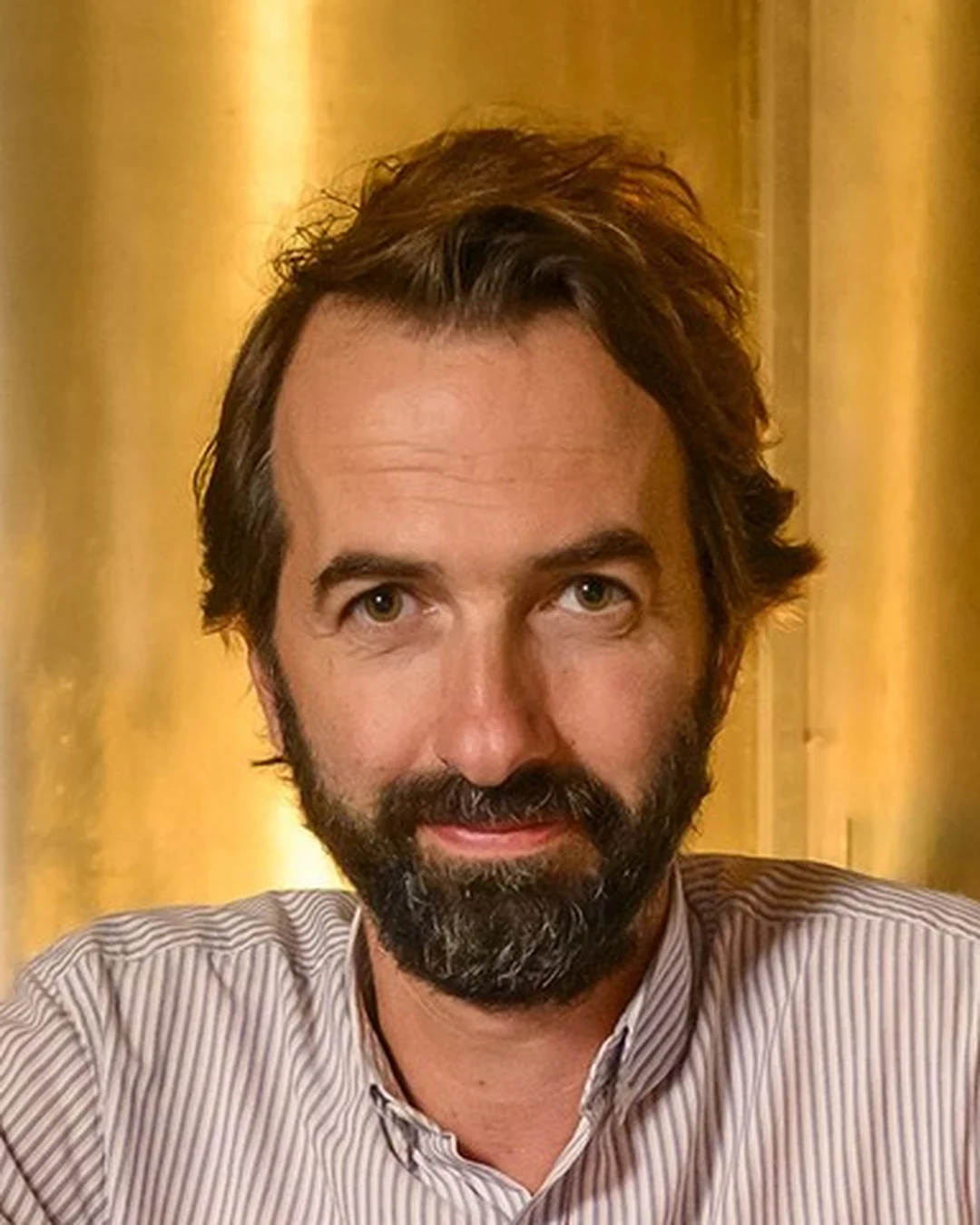
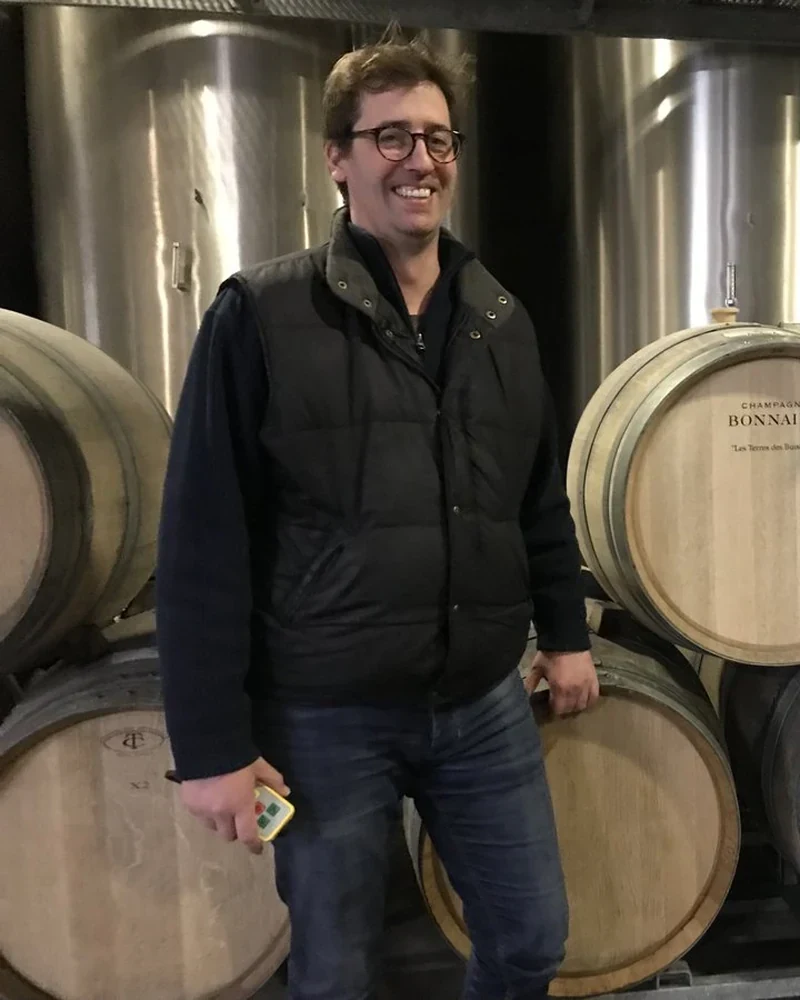
Jean-Emmanuel Bonnaire
- Discipline
- Winemaker
- Based in
- Cramant, France
i. Biography
At Champagne Bonnaire in Cramant, Chardonnay and time do the structural work. Jean-Emmanuel Bonnaire works within a style marked by malolactic fermentation, a buttery register, and maturity that can show early. The cellar’s decisions are read through named cuvées and vintages, where place, method, and patience are kept visible in the bottle.
The Path
Jean-Emmanuel Bonnaire came through ISC Paris, bringing a business education into a trade that depends on organisation as much as sensory judgment. That background sits behind the present role: today, Jean-Emmanuel is owner of Champagne Bonnaire. The move from classroom discipline to the daily responsibilities of a Champagne house gives the work a measured frame, with attention split between the house as a whole and the detail demanded by each release.
The Work Today
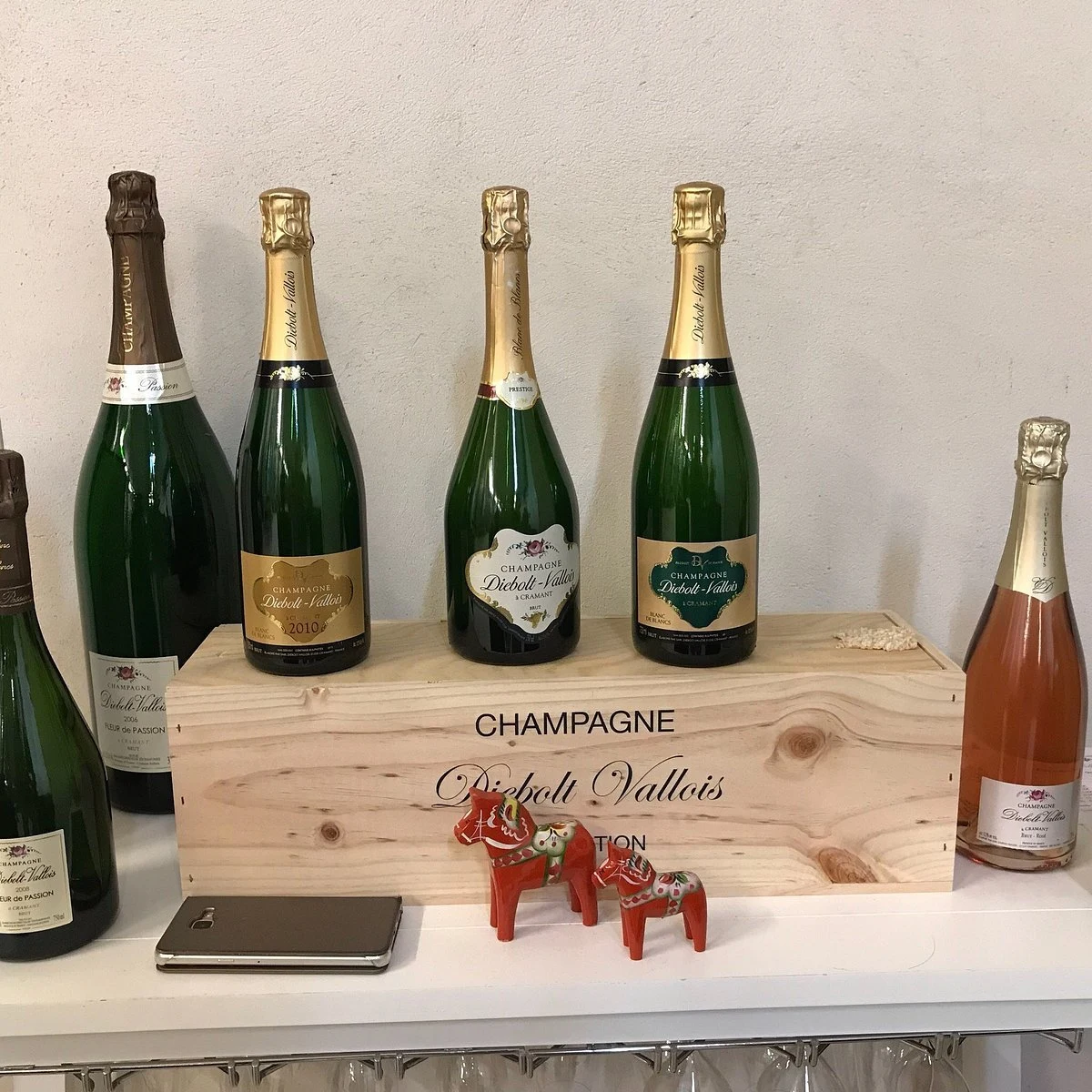
As owner of Champagne Bonnaire in Cramant, Bonnaire is associated with wines built around Chardonnay and a creamy profile. Malolactic fermentation is part of the stated approach, bringing a buttery, mature character in youth rather than a sharper line. The emphasis is on texture and roundedness, with wines composed to feel complete without needing long time in bottle to settle into shape. Ver Sacrum sits as the special cuvée in the range. It is also the bottle singled out for the handwork it requires because it ages on natural cork, which means more handling and more decisions made close to the bottle. That detail matters here because the estate’s identity is carried through process as much as through flavour. The range is broader than one cuvée. Les Versants and Terroirs sit alongside dated releases such as Les Harengs 2021, Cramant Vintage 2017, and Le Bateau 2017. Those names map the cellar in practical terms: cuvée by cuvée, vintage by vintage, with place language and chronology kept distinct rather than folded into one generic Champagne profile.
Career - Owner — Champagne Bonnaire, Cramant Education: ISC Paris
Signature
Jean-Emmanuel's signature wines include Ver Sacrum, Les Versants, Terroirs, Les Harengs 2021, and Cramant Vintage 2017.
In Their Words “I believe to be quite a generous and open-minded person, always observing things around and questioning people.” “I like to make correspondences between things, where life is a like a complete artwork.”
Acclaim
The recognition around Bonnaire’s work is carried through the bottles themselves: Ver Sacrum for its cork-aged, handworked place in the range; Les Harengs 2021 for its stated vintage; and Cramant Vintage 2017 and Le Bateau 2017 for their dated releases. Together, they present a producer working from Cramant with Chardonnay, malolactic fermentation, and texture as central coordinates. His broader way of thinking leaves room for correspondences beyond wine alone: “I like to make correspondences between things, where life is a like a complete artwork.” In that sentence, the cellar is not separated from observation, memory, or material rhythm; it becomes one place where those correspondences can be bottled.
FAQ Where did Jean-Emmanuel Bonnaire train or study? Jean-Emmanuel Bonnaire trained at ISC Paris. What is Jean-Emmanuel Bonnaire known for? Champagne.
Explore
In the same rooms
Similar Winemakers