Champagne Diebolt-Vallois
- 01CityCramant, France
- Falstaff Winery - 3 Stars · 2026
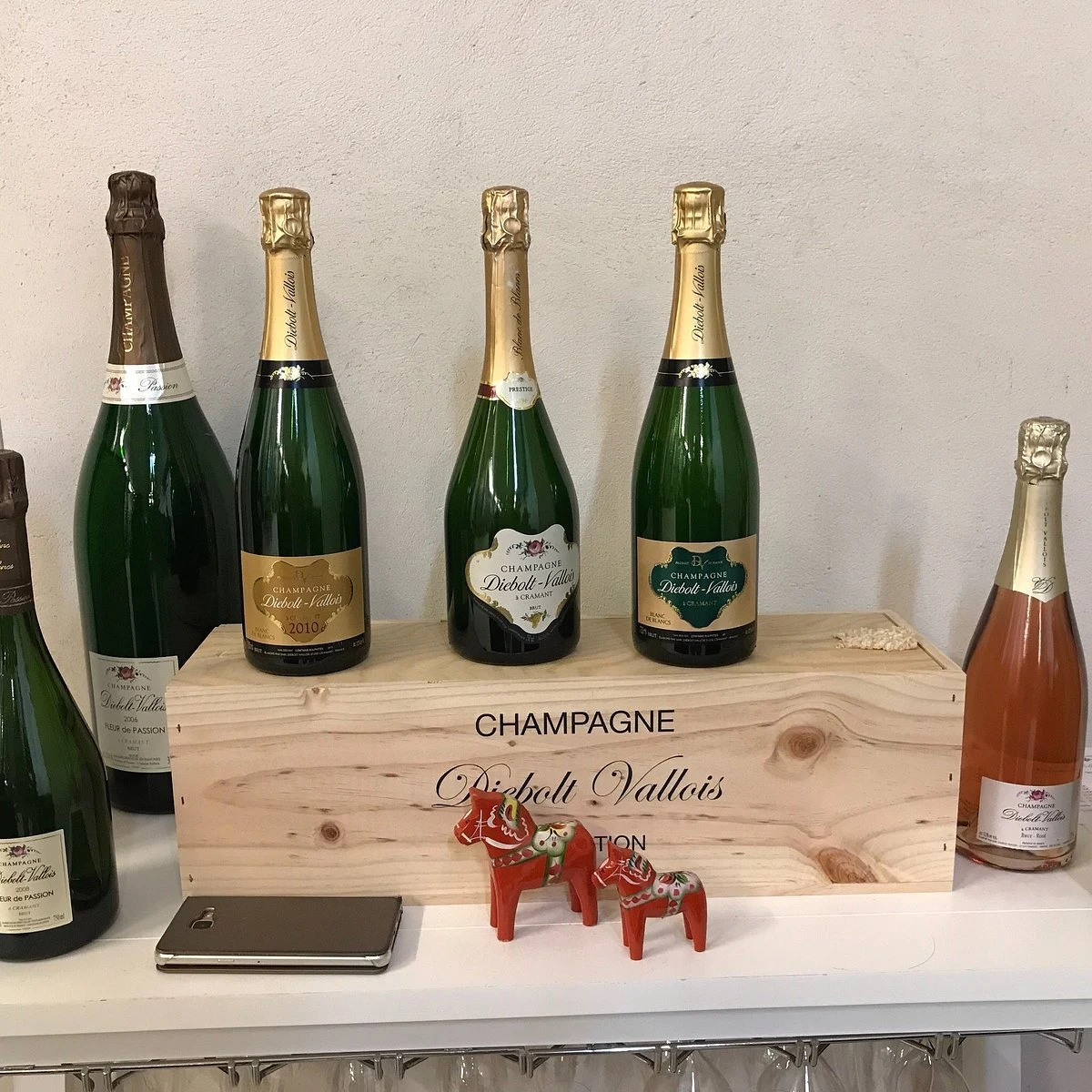
Cramant sets the frame for Champagne Diebolt-Vallois: a family-run grower Champagne estate in a Grand Cru village. The experience is best understood through its classic Côte des Blancs feel, hospitable visits and tastings, and an emphasis on detailed explanations of philosophy and methods. In other words, the interest here is not in staging a grand set-piece visit, but in understanding a Champagne address through its village, its scale, and the way it chooses to explain its work. Approached on those terms, the estate reads as a clear, grounded stop for travellers who are more interested in context than in spectacle.
Cramant and the grower scale
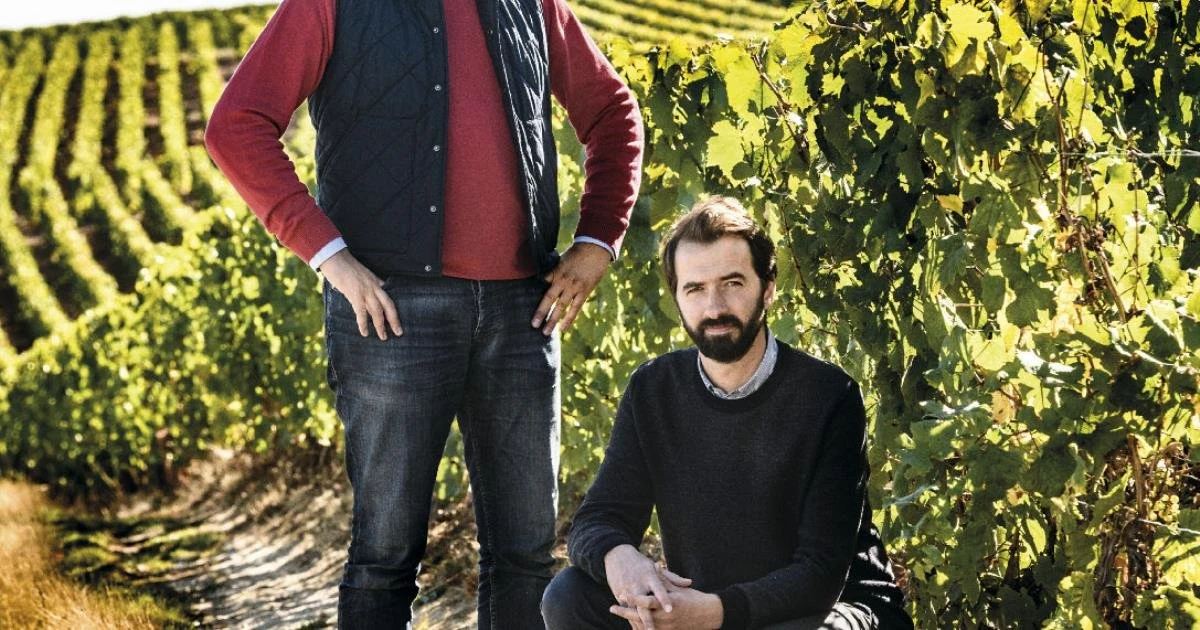
Champagne Diebolt-Vallois is rooted in Cramant, a Grand Cru village in the Côte des Blancs. The appeal is not a long list of public amenities or a fixed visitor format, but the character of a family-run grower Champagne estate: hospitable, focused, and closely tied to its village setting. That village setting matters because it gives the visit an immediate sense of orientation. Rather than feeling detached from its surroundings, the estate is best understood as part of the Cramant fabric, with the broader Côte des Blancs identity shaping the way visitors read the atmosphere and conversation.
For visitors, the useful way to frame the estate is through place and approach. Expect the conversation to stay near the estate’s philosophy and methods rather than around spectacle or a broad hospitality complex. The point is the encounter itself: a chance to listen, ask, and place the Champagne in relation to the estate’s own way of thinking. Specific production figures, cuvée details, and technical data should be confirmed directly with the estate if they matter to your visit, especially if your interest is highly practical or collector-focused.
That makes Champagne Diebolt-Vallois a good fit for travellers who want a grounded Cramant stop and a more personal explanation of how the estate thinks about its Champagne. The Grand Cru village context gives the visit its frame; the family-run grower identity gives it its tone. It is the kind of address that suits a slower, more attentive Champagne day, where the value lies in understanding the setting and the producer’s perspective rather than simply adding another name to an itinerary.
The tasting style is hospitable and explanation-led
Hospitality here is described as hospitable and explanation-led. Rather than positioning the visit around a restaurant-style experience or a high-volume attraction, the estate is better read as a focused grower Champagne address where the discussion can move through philosophy, methods, and the estate’s sense of place. That distinction is useful for planning: the experience is not presented as a broad leisure venue, but as a more concentrated encounter with a Champagne grower. Visitors who enjoy explanation, context, and a measured pace are likely to understand its strengths most clearly.
The tone is classic Côte des Blancs: elegant, measured, and closely connected to Cramant. This is a helpful shorthand for the mood of the visit as much as for the wine context. It suggests an experience with restraint and clarity, where the surrounding village and the estate’s own explanations carry much of the weight. The best approach is to arrive ready for a conversation that is specific, local, and rooted in the estate’s own view of its work.
For travellers building a Cramant wine day, keep the route focused and allow time for the village itself rather than treating it as a rushed checklist. Cramant is part of the point, so the visit benefits from being placed within a day that has room to breathe. Other dining or drinking plans in Cramant are best considered separately, since Champagne Diebolt-Vallois is presented here as a grower Champagne estate rather than a restaurant or bar. Keeping those expectations clear helps the estate’s actual strengths stand out: hospitality, explanation, and a direct connection to place.
Why this address matters in a Champagne itinerary
The case for visiting is strongest for drinkers who want a family-run grower estate in Cramant, with a Grand Cru village setting and a classic Côte des Blancs atmosphere. Champagne Diebolt-Vallois matters less as a spectacle and more as a place to hear detailed explanations of philosophy and methods in a hospitable setting. That makes it especially relevant in an itinerary that is trying to balance larger Champagne experiences with smaller, more place-specific encounters. Its appeal is cumulative rather than theatrical: the village, the grower scale, the tone of the tasting, and the emphasis on explanation all work together.
Within a Champagne itinerary, treat it as a focused Cramant stop: elegant, grower-led, and rooted in place. It is best planned with realistic expectations and with enough time to appreciate the estate on its own terms. For anything more specific, including availability, tasting structure, current wines, or visitor arrangements, confirm directly with Champagne Diebolt-Vallois before you go. That direct confirmation is the sensible final step, particularly because the value of the visit depends on the details of how the estate is receiving guests at the time.
Questions
Frequently asked
How expensive is Champagne Diebolt-Vallois?
Champagne Diebolt-Vallois is listed at a price level of $$$.
The field
How it compares
| Place | Notes |
|---|---|
| Champagne Diebolt-Vallois | Cramant (Côte des Blancs), $$$ |
| Champagne Bonnaire | Cramant |
| Champagne Lilbert-Fils | Cramant |
| Champagne Suenen | Cramant |
| Château Pichon-Longueville-Comtesse-de-Lalande | Pauillac |
| Domaine La Barroche | Châteauneuf-du-Pape |
| Philippe Glavier | Cramant |