i. Biography
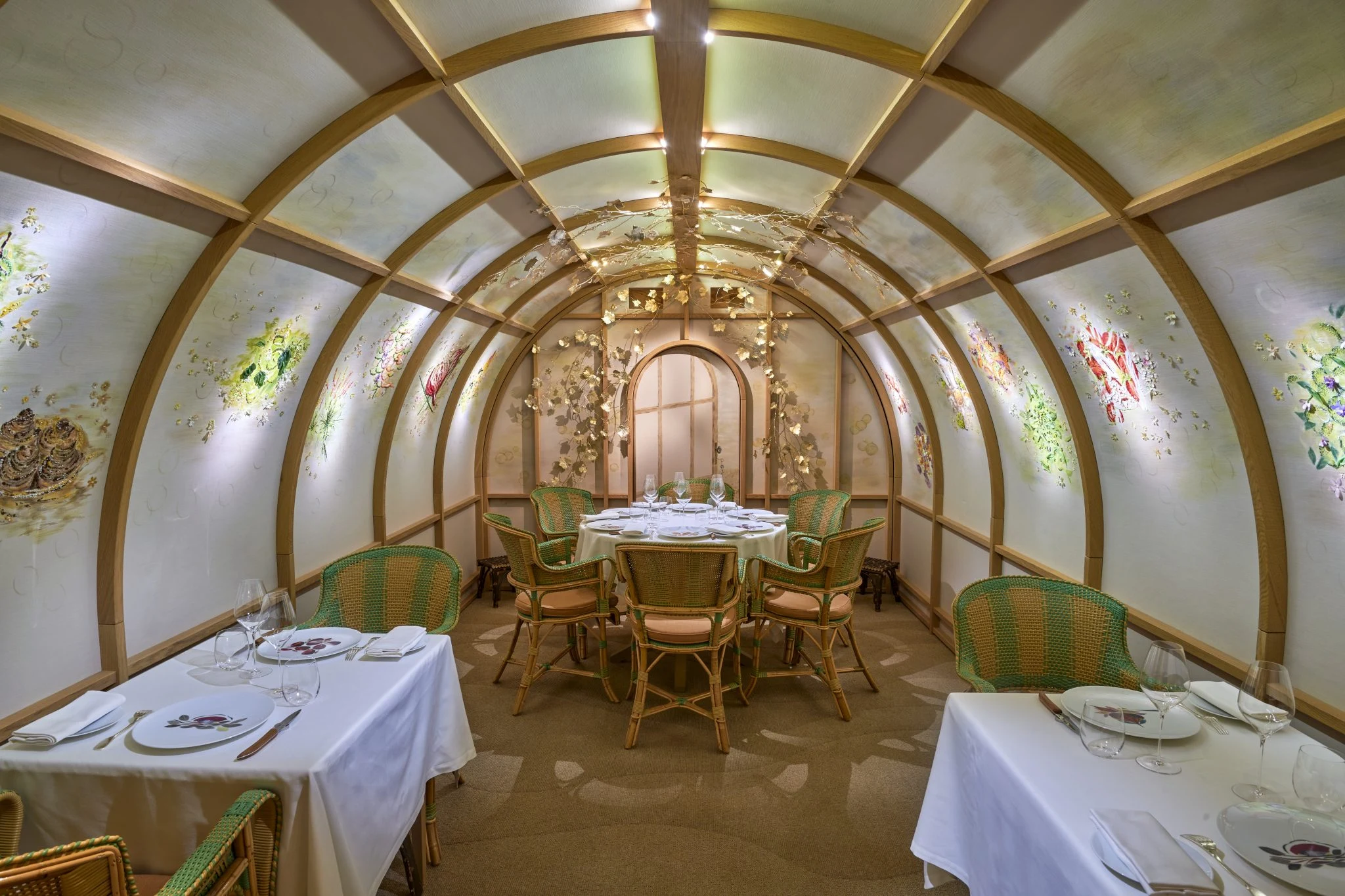
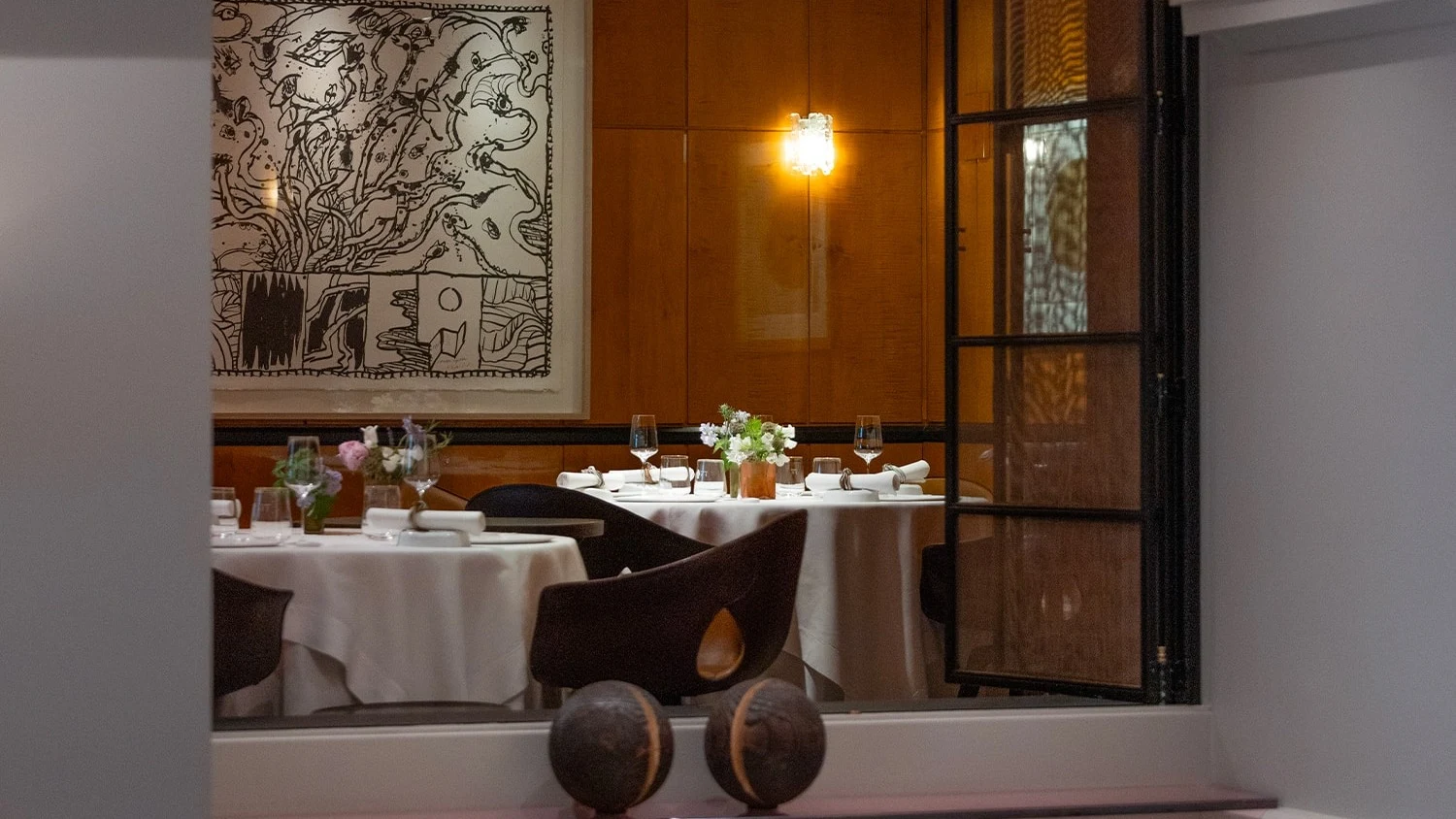
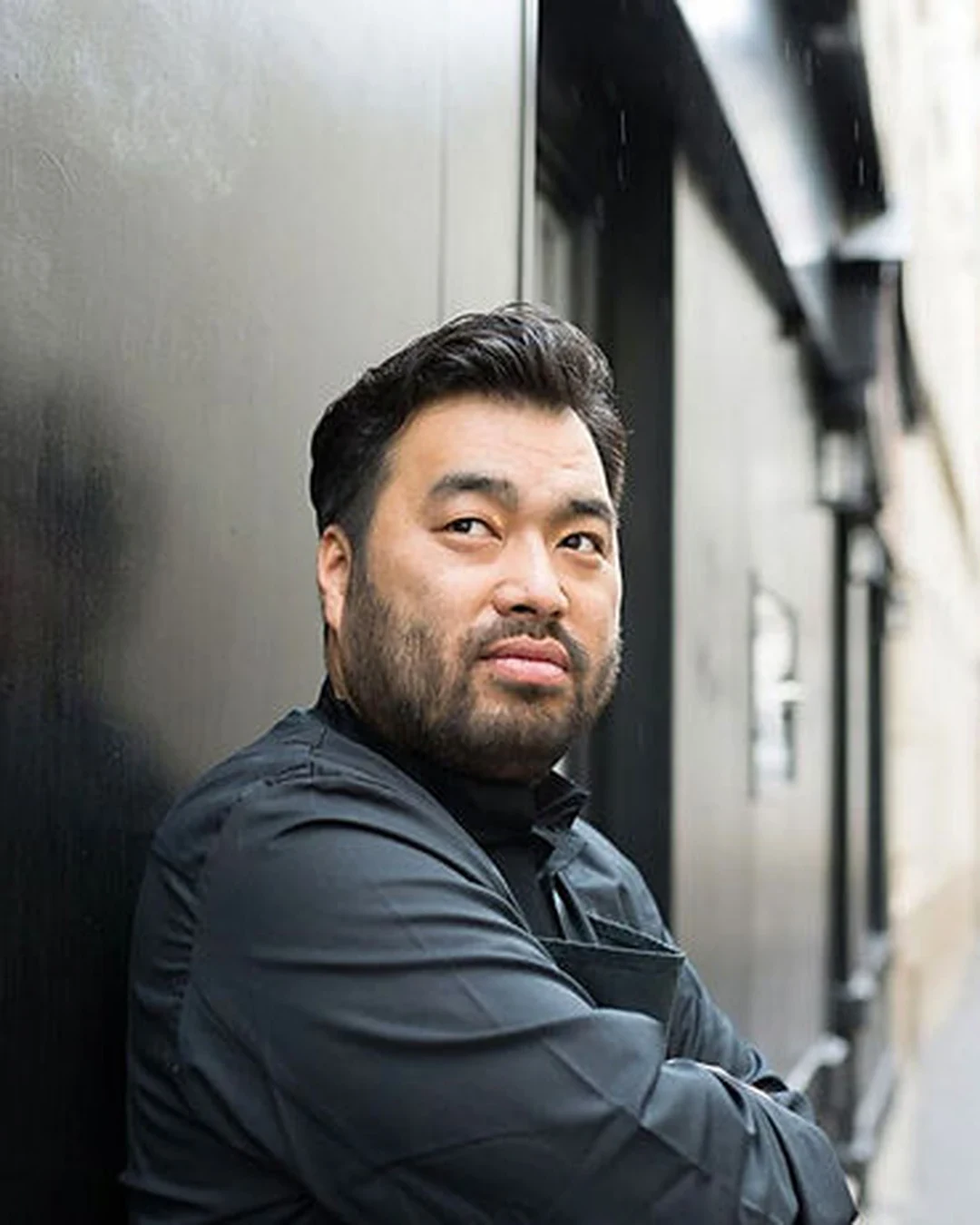
Koji Higaki’s formation begins in Osaka, where a Japanese cook absorbed two different kitchen languages: work in a Japanese restaurant and work in an Italian restaurant. That double education still gives shape to his cooking in Paris, where Restaurant L'INCONNU — L'Inconnu in Paris, France, is led by a chef whose specialty is Italian cuisine reinterpreted by a Japanese chef.
Where It Started Japanese by nationality, Higaki came through restaurants before he came to ownership. In Osaka, the early map of his career crossed a Japanese restaurant and an Italian restaurant, a pairing that is important because it names the two currents most clearly visible in his later work: Japanese discipline and an Italian culinary frame. The move to Paris brought him into Passage 53, where he was second chef in 2009. That role places him not at the edge of a kitchen but close to its center, carrying responsibility in a Paris dining room while continuing to refine the precision that would later define his own plates. Rather than a career built from a long list of public appointments, his arc is compact and legible: Osaka, Paris, second chef, then chef-patron. The through-line is not spectacle; it is control, restraint and the patient carrying of one kitchen memory into another.
Who Shaped Them No individual mentor is named in Higaki’s career arc, so the lineage has to be read through houses and traditions rather than through a single teacher. Osaka gave him two foundations: the directness of Japanese restaurant work and the structure of Italian cooking. Passage 53 added a Paris chapter in 2009, when he worked there as second chef. The title is important because it suggests a cook formed not only by taste but by service, hierarchy and repetition—the daily grammar through which a kitchen passes on its habits. From those named rooms comes a quiet inheritance. His food is described as precise, modern, refined and simply delicious, a set of qualities that reads less like ornament than like method: exactness first, then clarity, then pleasure.
The Work Today
At the Paris restaurant he leads as chef, Higaki’s specialty remains Italian cuisine reinterpreted through Japanese hands. He is also identified as chef-patron, a role that joins the cooking to the house itself: not merely producing dishes, but giving the room its culinary direction. One dish makes that approach especially concrete: roasted guinea fowl astutely combined with mussel tartare and watercress oil. The plate brings land and sea together without heaviness, and its details show the kind of modern refinement attached to his name. That is the connective force of his cooking. Osaka is not abandoned in Paris, and Italian cuisine is not treated as costume; the result is a personal language built from the places where he worked and the responsibilities he took on.
FAQ What tradition or house shaped Koji Higaki? His formation runs through Japanese and Italian restaurant work in Osaka, followed by Passage 53 in Paris. Who has Koji Higaki mentored? The named lineage around Koji Higaki centers on the kitchens that shaped him rather than on any named mentees. Who did Koji Higaki train under? His training is traced through kitchens, not a named individual teacher: a Japanese restaurant and an Italian restaurant in Osaka, then Passage 53 in Paris.