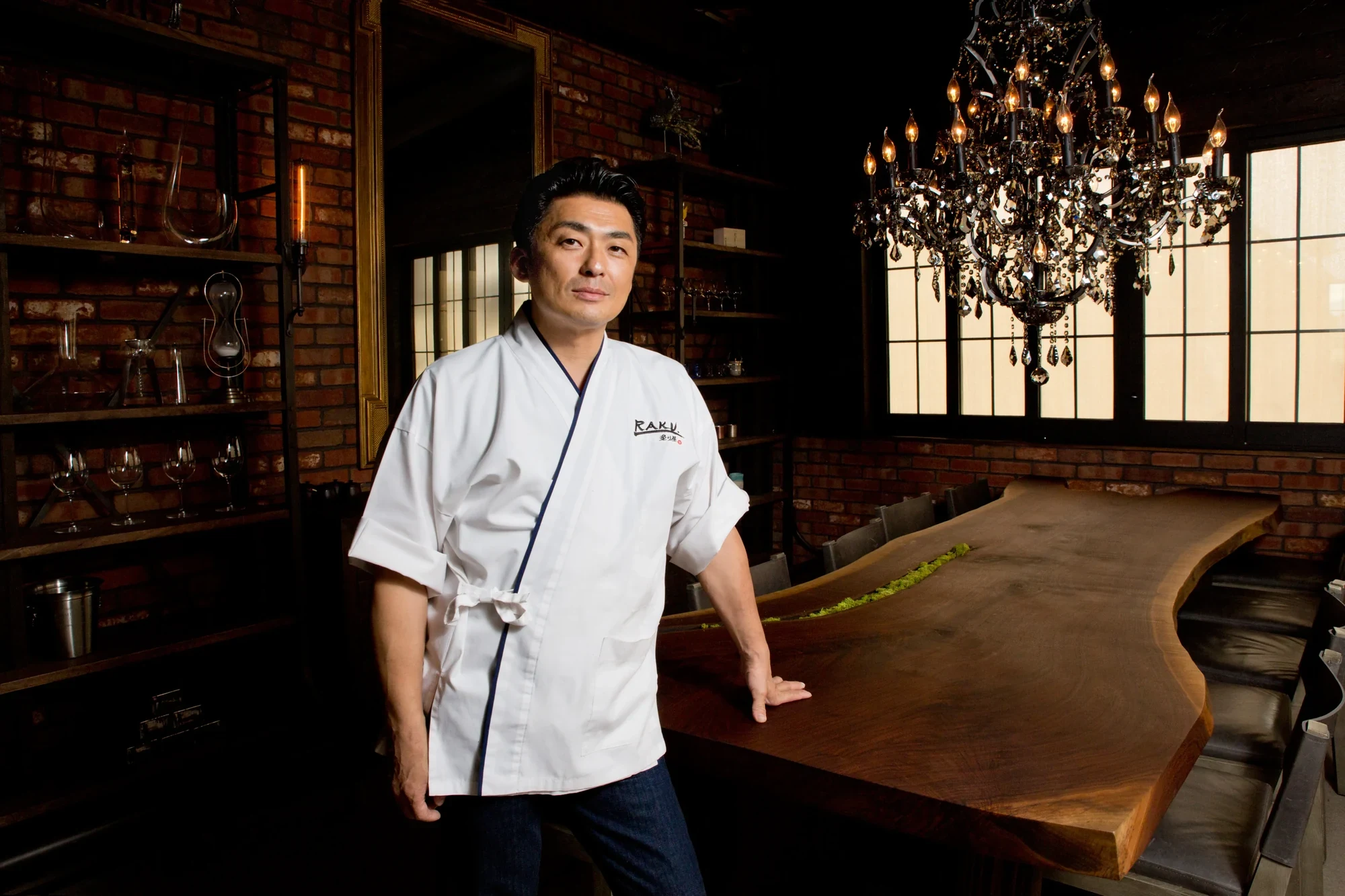
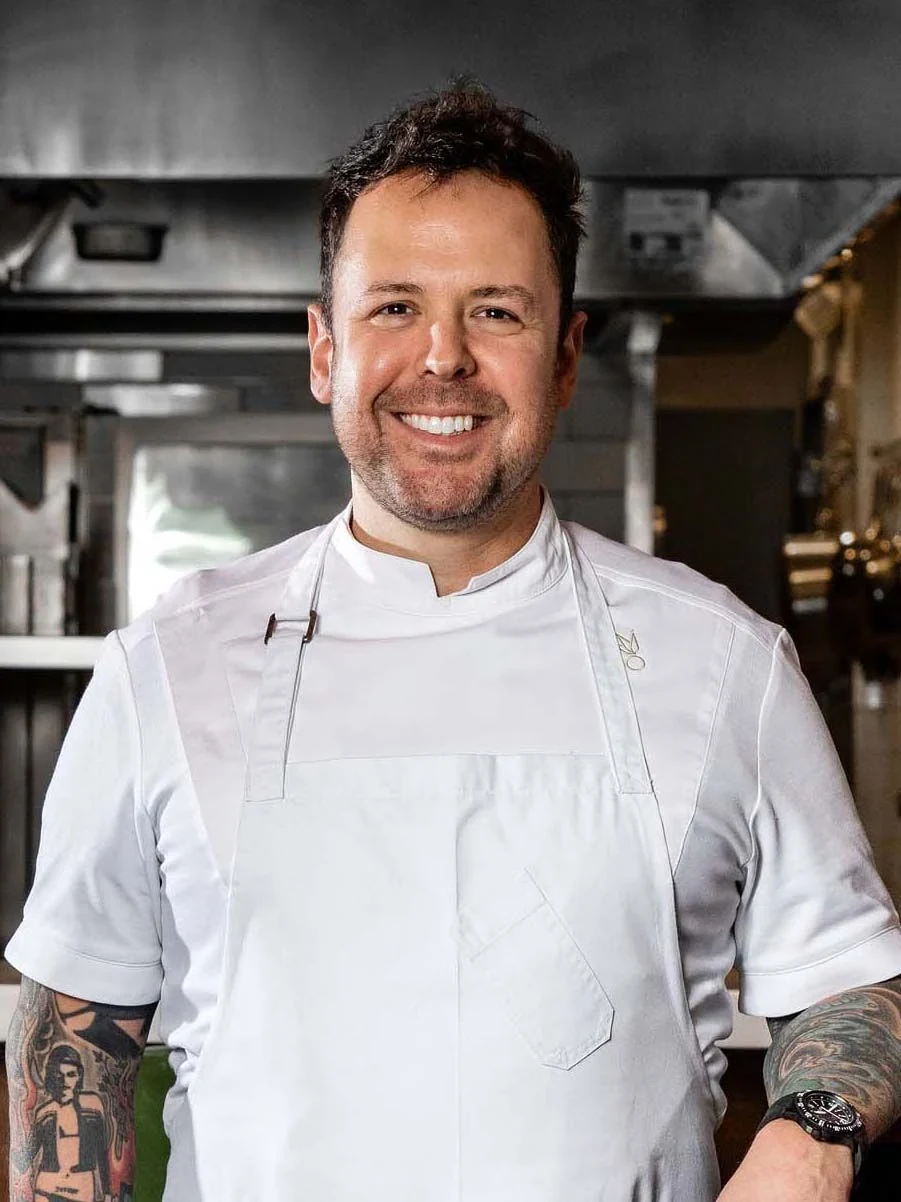
Portrait of Mitsuo Endo
i. Biography
Robata work depends on fuel, distance, and timing before it depends on flourish. At Aburiya Raku in Las Vegas, Executive Chef Mitsuo Endo applies kaiseki discipline to grilling over Imported Japanese red oak binchotan charcoal, bringing sequence and restraint into contact with direct fire. From Tokyo, his Nevada work connects savory grilling, dessert craft, and a newer European direction, with clarity and control as the through-line. Kaiseki and robata ask for different kinds of attention: one organizes progression, the other answers to heat in real time. In Endo’s cooking, small dishes carry that exchange in compact form, balancing softness with char, sweetness with savor, and smoke with delicacy. The work stays rooted in Japanese tradition while operating inside the pace and appetite of local dining.
The Sunday letter
Read Made By's new profiles every Sunday.
Meet the chefs, winemakers and sommeliers behind the places we cover. See a sample below before you subscribe.
See a sample of the Sunday emailOne email a week. Unsubscribe from any issue.
Formation
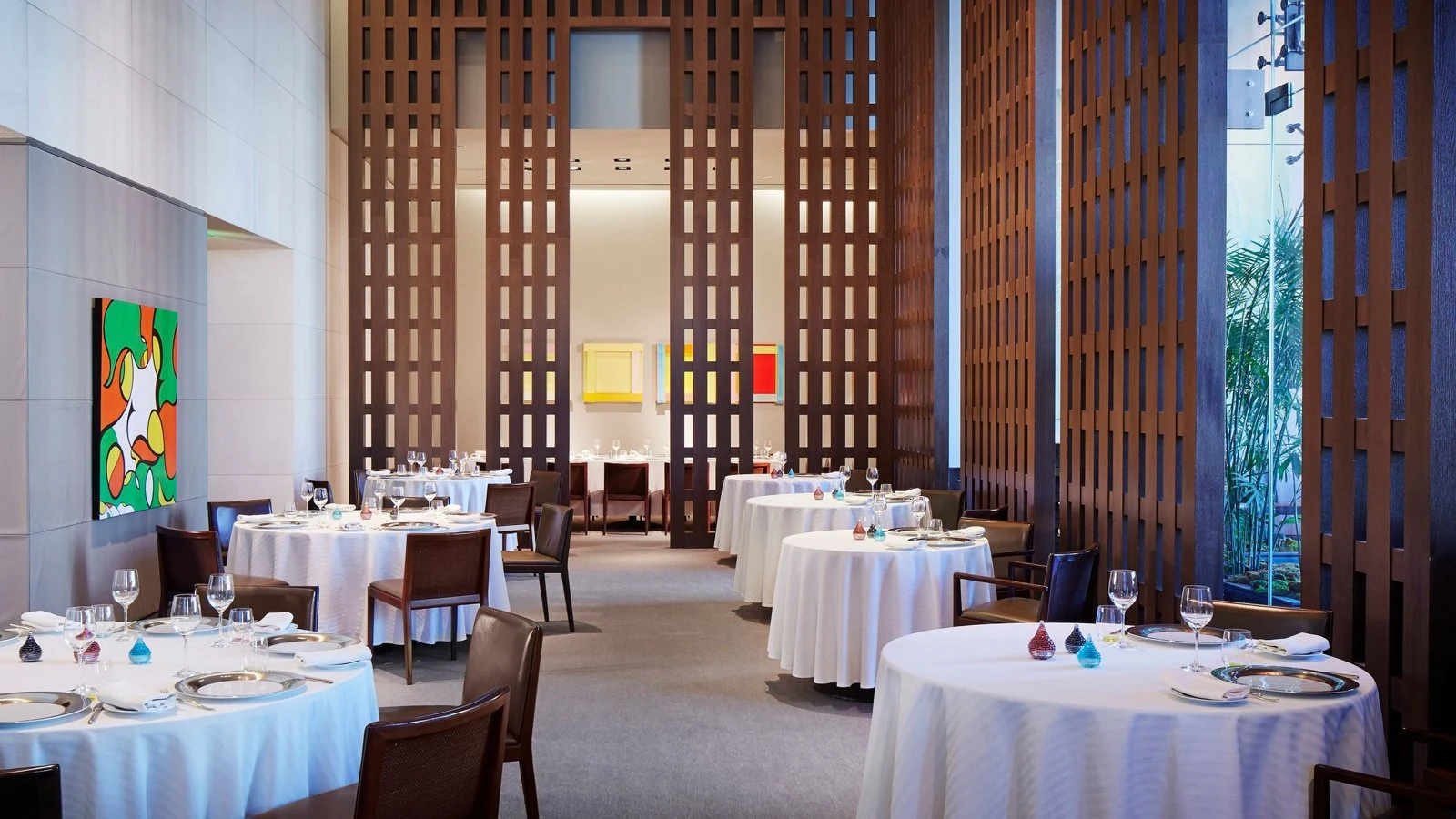
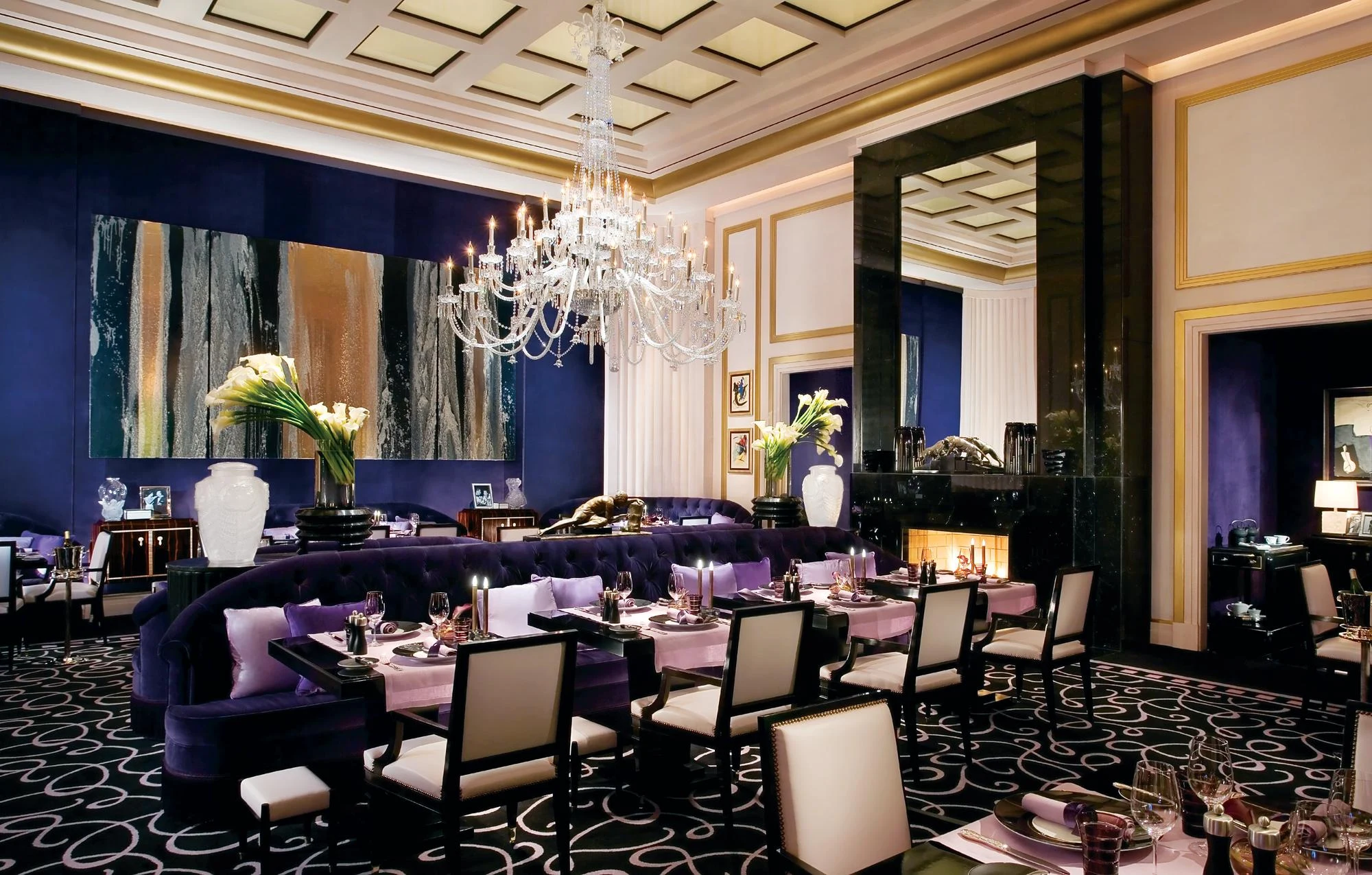
Training across savory and sweet craft gave Mitsuo Endo a foundation in range. The useful lesson in that pairing is balance: temperature, texture, and palate space apply on both sides of the menu, whether the work is grilled, plated, cooled, or finished. Dessert craft in Las Vegas was not treated as an add-on in Endo’s development as creator / culinary mind. That chapter placed sweetness under the same demands as savory cooking: calibration, restraint, and completion without excess. Restaurant identity has been built through linked rooms rather than a single format. Mitsuo is creator / culinary mind of his original restaurant since 2008, Executive Chef of the robata-focused dining room, and creator / restaurateur of Casa de Raku since 2024. The first anchors his local work; the grill-centered room concentrates the kaiseki and robata vocabulary; the European project adds another direction to a career otherwise closely associated with Japanese cooking.
Current Practice
In Nevada, United States, Endo is Executive Chef. The house specialty includes kaiseki cuisine and robata grilling, a combination that gives the meal both order and immediacy. Kaiseki supplies sequence and measured progression; robata supplies aroma, char, and the direct exchange between ingredient and fire. Imported Japanese red oak binchotan charcoal is central to the grill work. It burns at a higher temperature with less moisture, giving grilled food richer flavors and a crisper finish without burning it. For the cook, that means clean intensity: heat strong enough to define texture while preserving the ingredient’s character. The cited small dishes from Chef Endo’s grilling menu—apple marinated lamb chop, foie gras with glazed soy-base sauce, and tsukune-grilled ground chicken—show the range of the robata station. Apple marinated lamb chop works sweetness into savor; foie gras with glazed soy-base sauce sets richness against depth and gloss; tsukune-grilled ground chicken relies on seasoning, shaping, and precise contact with fire. The current work also includes culinary leadership at his original dining room, where binchotan-fired robatayaki remains part of Endo’s identity. The European venture extends a body of work otherwise closely associated with Japanese cooking. Across the restaurants, the craft reads as controlled adaptation: different rooms and vocabularies, held by the same discipline.
Career - Creator / culinary mind — Raku, Chinatown, Las Vegas (2008–present) - Executive Chef — Aburiya Raku, Las Vegas - Creator / restaurateur — Casa de Raku, Chinatown, Las Vegas (2024–present) - Creator / culinary mind — Sweets Raku, Las Vegas Education: Raku; Sweets Raku
Signature
Signature dishes include Apple marinated lamb chop, Foie gras with glazed soy-base sauce, and Tsukune-grilled ground chicken.
Peer Recognition
Mitsuo's honors include Five James Beard Foundation semifinalist nominations. For a Las Vegas restaurant built around kaiseki discipline and binchotan-fired robatayaki, that recognition marks consistency in a demanding format: precise sequencing, controlled fire, and restraint carried across service.
FAQ What is Mitsuo En
The Sunday letter
Get the next Made By profile in your inbox.
We send one email every Sunday morning with the people we profiled that week.
See a sample of the Sunday emailOne email a week. Unsubscribe from any issue.