- Opinionated About Dining Top Restaurants in North America Recommended · 2026
- Opinionated About Dining Top Restaurants in North America Ranked #394 · 2025
- Opinionated About Dining Top Restaurants in North America Ranked #270 · 2024
- Opinionated About Dining Top Restaurants in North America Highly Recommended · 2023
Spring Mountain Road After Midnight
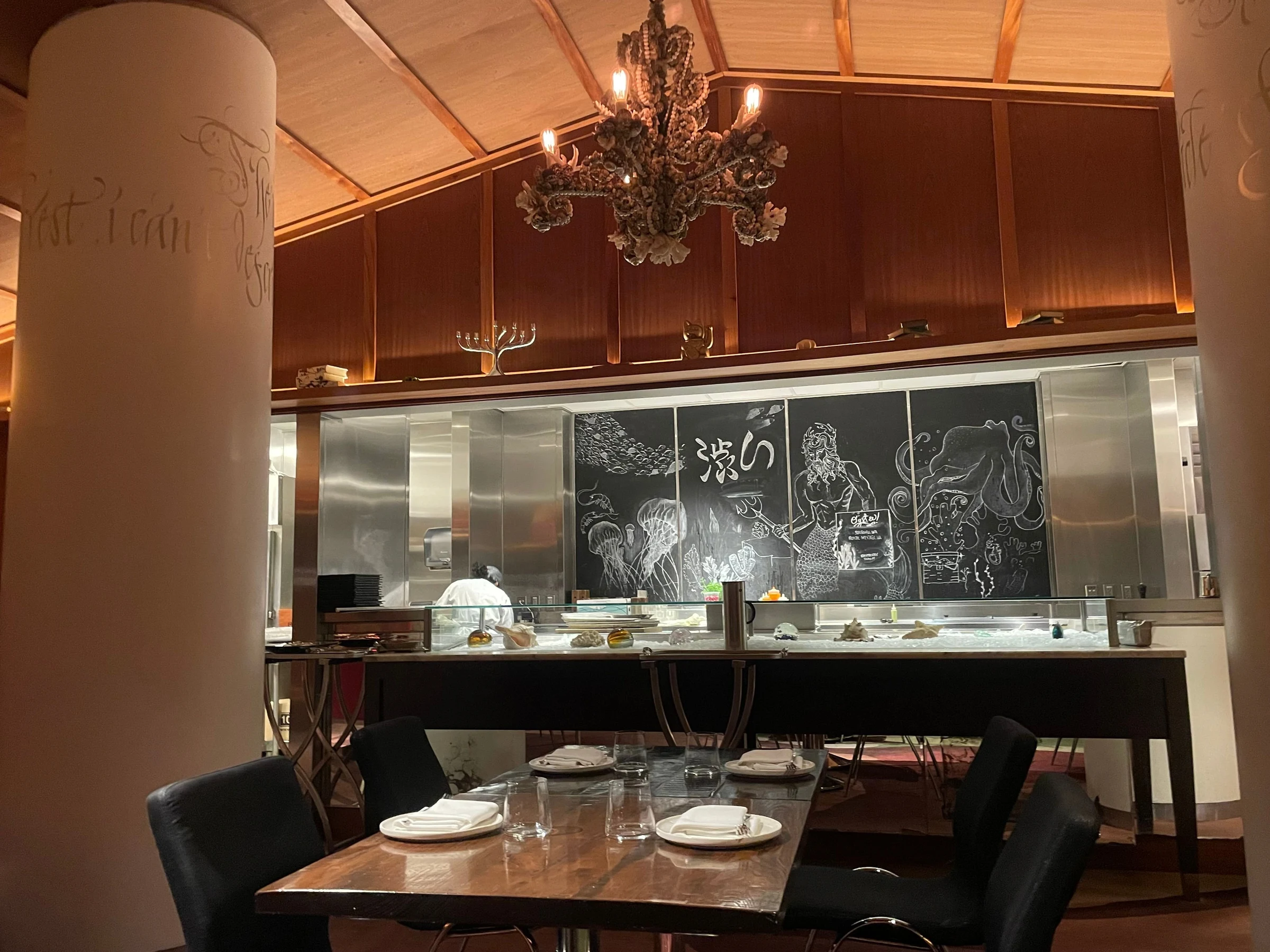
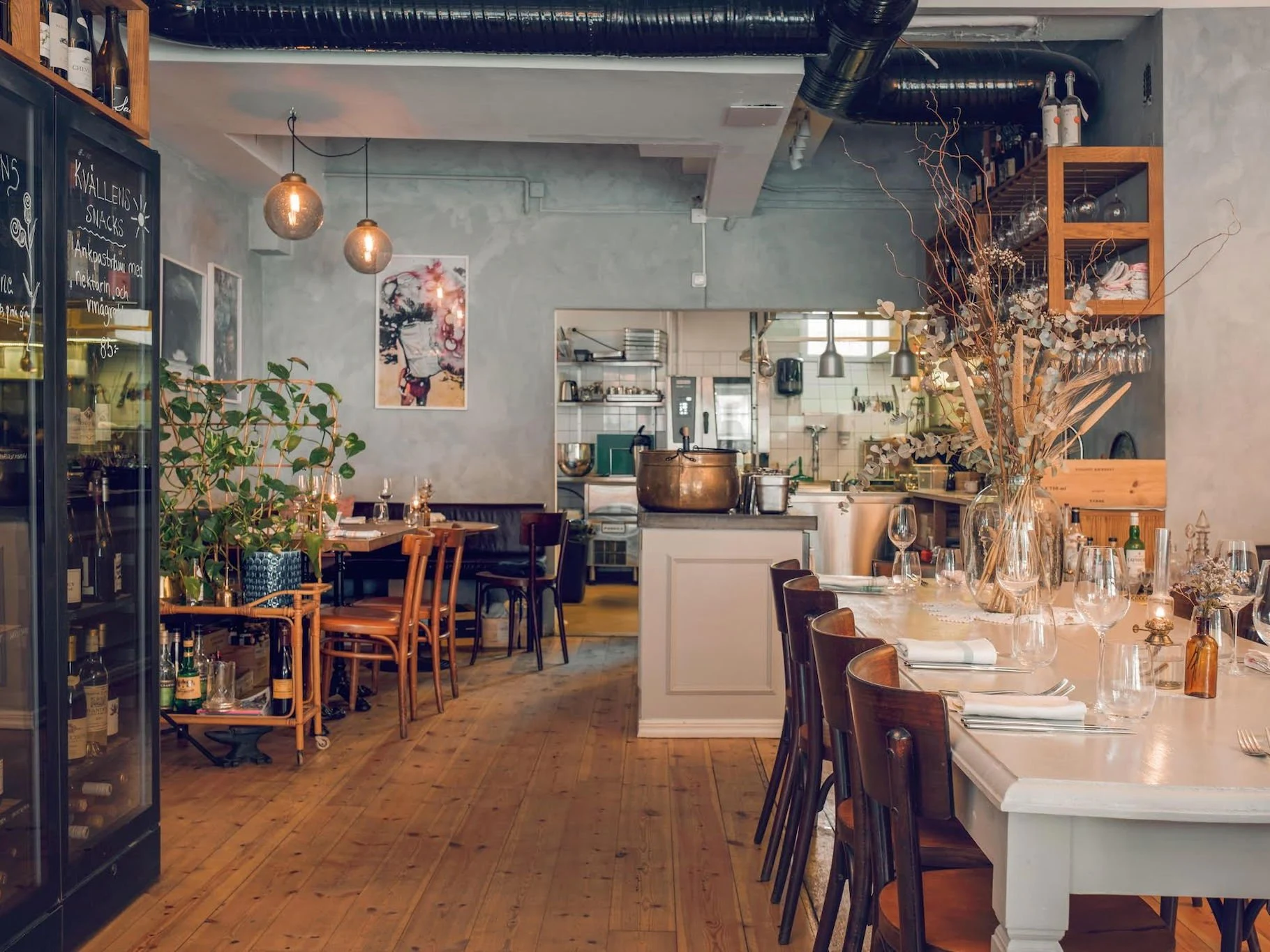
Las Vegas has two dining cities inside one. The Strip operates on spectacle and scale, driven by celebrity chef brands and hotel traffic. Then there is Spring Mountain Road, a corridor where the restaurants are smaller, the hours are later, and the clientele skews heavily toward people who work in professional kitchens. Raku, at 5030 Spring Mountain Rd, sits firmly in that second city. The room is compact and warmly lit, built around a charcoal robata grill that produces the low smoke and focused heat central to the izakaya tradition. You are not walking into a dining room designed to impress at first glance. You are walking into somewhere that has clearly earned its reputation through repetition.
What Keeps the Regulars Coming Back
In izakaya dining, the concept of return visits is baked into the format. The Japanese tradition is not about a single landmark meal but about building familiarity with a menu that rewards those who order beyond the obvious. Regulars at Raku understand this. The charcoal grill is the engine of the kitchen, and the dishes that come off it carry the specific character that only binchotan or comparable hardwood charcoal produces: a clean, high heat with minimal smoke interference, allowing the proteins and vegetables to register clearly rather than being masked by flame. This is a different technical register from the broad-heat American grill, and it explains why chefs from other restaurants frequently appear here after their own service ends. The kitchen is doing something precise.
That after-hours chef crowd is not incidental to Raku's reputation. In cities like Tokyo, Hong Kong, and New York, izakayas often function as the de facto staff canteen for restaurant industry workers, precisely because they stay open late, serve food that is technically demanding without being fussy, and operate on a drinking-alongside-eating model that suits the rhythm of a long shift. Las Vegas, with its 24-hour economy and large professional kitchen workforce, is one of the few American cities where this pattern has genuinely taken hold. Raku benefits directly from that dynamic.
The Izakaya Format in a Las Vegas Context
Across the broader Las Vegas dining scene, the dominant Japanese reference points remain sushi-focused, with several high-end omakase counters and sushi bars operating in the hotel corridor. Raku sits in a different tradition entirely. The izakaya format prioritises small plates designed for grazing and sharing across a long evening, structured loosely around the grill but extending into cold preparations, tofu dishes, and a range of skewered items. Compared to Strip-adjacent Japanese venues like Blue Ribbon Sushi Bar and Grill, Raku operates with a smaller footprint, a different price register, and a format that assumes the guest intends to stay for several hours rather than turn over a table quickly.
That distinction matters for how you plan the visit. Raku is not the right address for a pre-show dinner with a hard out at 8 p.m. It rewards unscheduled evenings where the ordering can extend across time and the sake or Japanese whisky list can be worked through methodically. Venues elsewhere in the country that occupy a comparable position in their local scenes include Lazy Bear in San Francisco, which similarly runs on industry credibility and a format that assumes guest investment, though the cuisine and price point differ significantly. The common thread is that both operate outside the mainstream promotional machine and are sustained by repeat visitors rather than first-timers.
Placing Raku in the Spring Mountain Corridor
Spring Mountain Road functions as one of the more coherent dining micro-districts in Las Vegas, with Korean, Japanese, and pan-Asian restaurants that largely serve a local and industry audience. Nearby venues like 777 Korean Restaurant and 18bin operate in overlapping territory in terms of neighbourhood and audience, even if their specific cuisine traditions diverge. The corridor as a whole offers a counterpoint to the hotel-anchored dining that dominates most Las Vegas editorial coverage.
What separates Raku from its immediate neighbours is the specificity of the charcoal grill discipline and the particular audience it has cultivated. Other Spring Mountain addresses worth cross-referencing include 108 Eats and A Different Beast, both of which serve a similarly local-leaning crowd but within different culinary frameworks. For those whose Las Vegas dining also extends to the steak-focused hotel dining rooms, Craftsteak represents the Strip-anchored counterpart in terms of grill-centred cooking, though the format, scale, and pricing sit in an entirely different bracket.
How Raku Compares: A Planning Reference
| Venue | Format | Location | Audience | Late-Night Suitable |
|---|---|---|---|---|
| Raku | Izakaya / charcoal grill | Spring Mountain Rd | Industry insiders, locals | Yes |
| Blue Ribbon Sushi Bar and Grill | Sushi / grill hybrid | Strip-adjacent | Hotel guests, late-night | Yes |
| Aburiya Raku | Robata / izakaya | Spring Mountain Rd | Overlapping local crowd | Yes |
| Bardot Brasserie | French brasserie | Strip hotel | Hotel guests, special occasions | Limited |
| Bazaar Meat by Jose Andres | Theatrical steakhouse | Strip hotel | Destination diners | No |
For US context on how robata and izakaya formats sit relative to fine dining's institutional tier, peer venues at the recognised upper end of American restaurant culture include Le Bernardin in New York City, Alinea in Chicago, and The French Laundry in Napa. Raku does not compete in that formal register, nor is it trying to. Korean fine dining at Atomix in New York City offers a closer cultural parallel in terms of how a non-European dining tradition can build institutional credibility through peer recognition rather than mainstream critical machinery.
Planning Your Visit
Raku operates on Spring Mountain Road, accessible by car or rideshare from the Strip in under fifteen minutes outside peak traffic hours. The address is 5030 Spring Mountain Rd, Las Vegas, NV 89146. Given the late-night hospitality crowd that the venue attracts, arriving after 9 p.m. on weeknights often means sharing the room with off-duty kitchen professionals, which is an accurate proxy for the food's credibility. Reservations are advisable; walk-ins are possible but less reliable on weekends. The format suits two to four guests who plan to order across multiple rounds rather than lock into a fixed menu.
Questions
Frequently asked
Who works at Raku?
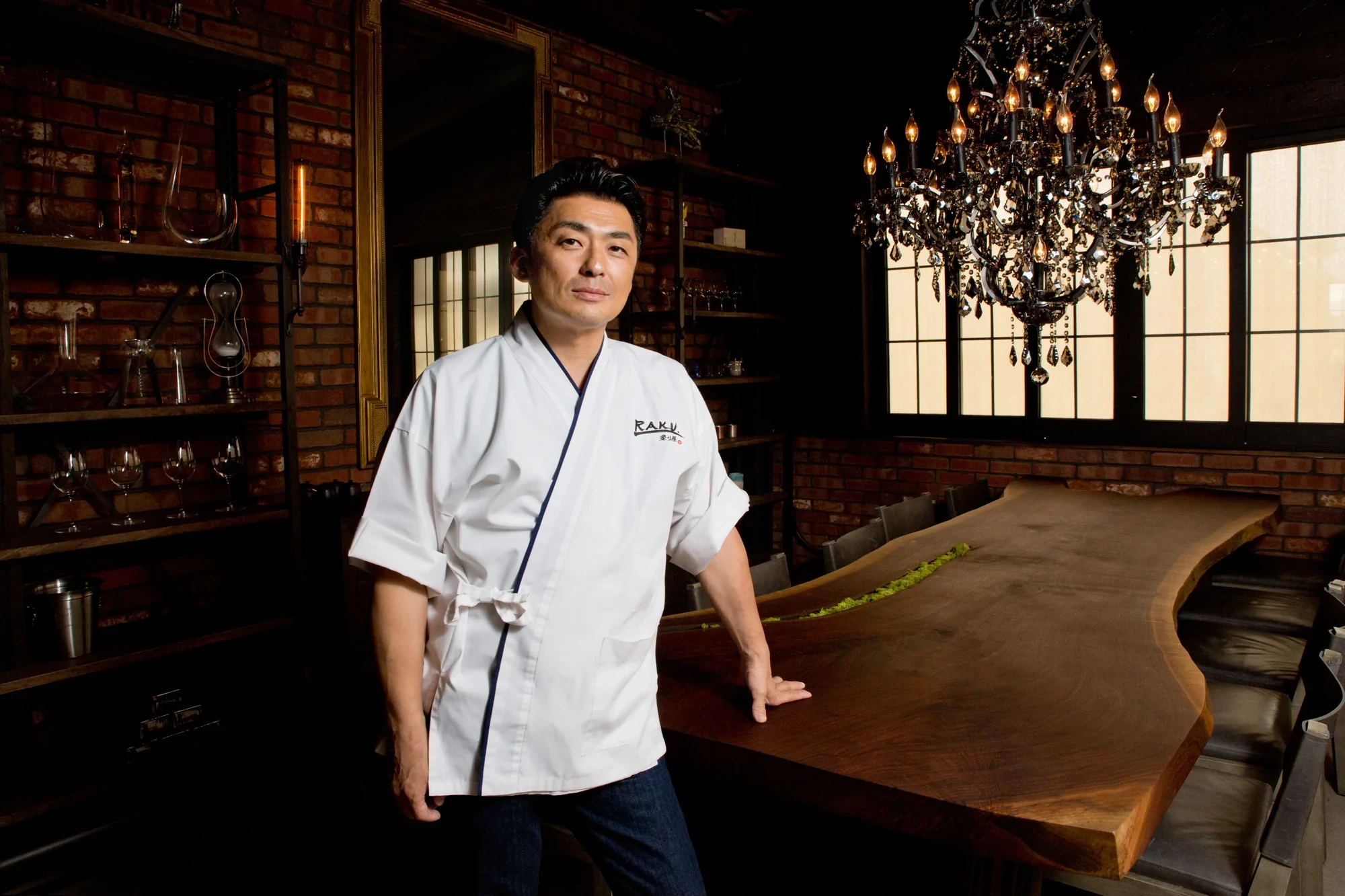
Made By profiles Mitsuo Endo (Chef) at Raku.
How expensive is Raku?
Raku is listed at a price level of $$$.
Where is Raku and what does it serve?
Raku is in The Asian District, Las Vegas, serving Japanese Robatayaki Izakaya.
The field
How it compares
| Place | Cuisine | Notes |
|---|---|---|
| Raku | Japanese Robatayaki Izakaya | The Asian District, $$$ |
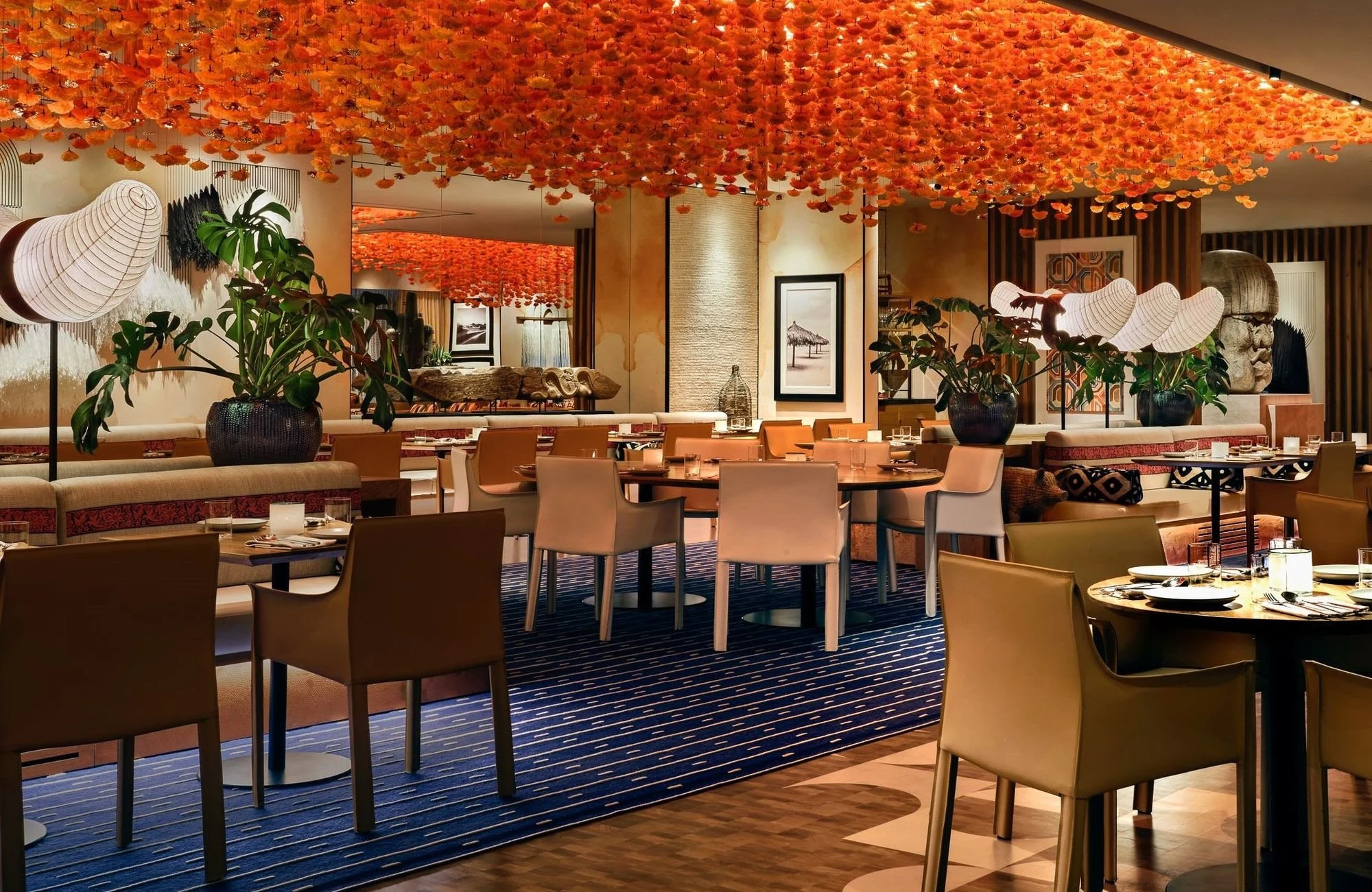
| Bazaar Meat by Jose Andres | Modern Meat-Centric Fine Dining | Las Vegas |
| Casa Playa | Modern Coastal Mexican | Las Vegas |
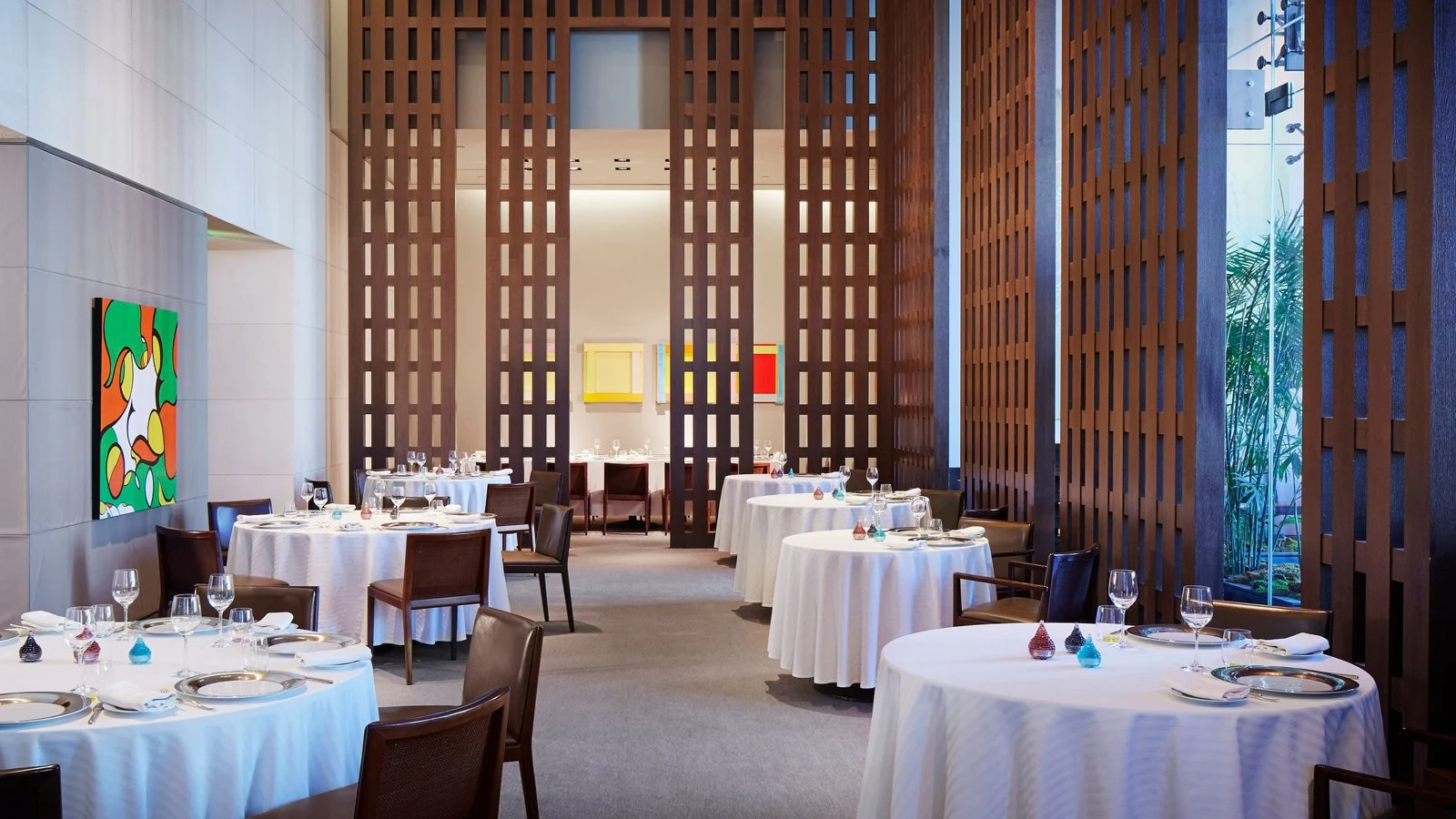
| Guy Savoy | Contemporary French Fine Dining | Las Vegas |
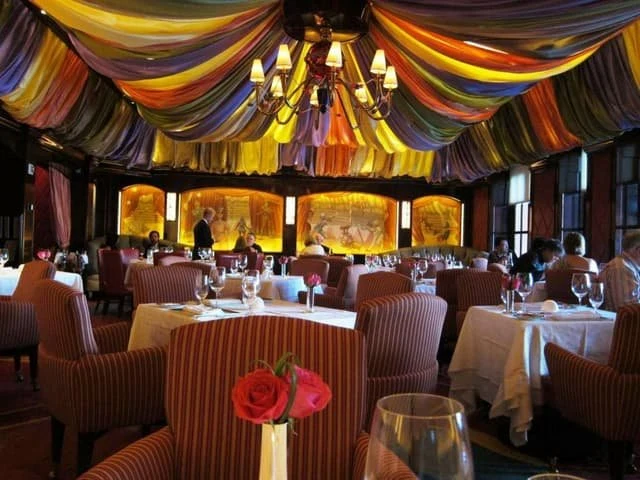
| Le Cirque Las Vegas | French Fine Dining | Las Vegas |
| Sparrow + Wolf | Modern American Fusion | Las Vegas |
| Wing Lei at Wynn Las Vegas | Cantonese, Shanghai & Szechuan Fine Dining | Las Vegas |
In residence
Similar places
Modern Meat-Centric Fine Dining
Bazaar Meat by Jose Andres
Las Vegas, United States
Modern Coastal Mexican
Casa Playa
Las Vegas, United States
Contemporary French Fine Dining
Guy Savoy
Las Vegas, United States
French Fine Dining
Le Cirque Las Vegas
Las Vegas, United States
Modern American Fusion
Sparrow + Wolf
Las Vegas, United States
Cantonese, Shanghai & Szechuan Fine Dining
Wing Lei at Wynn Las Vegas
Las Vegas, United States