Winemaker
Tim Drake
- Discipline
- Winemaker
- Based in
- Fredericksburg, Texas, United States
i. Biography
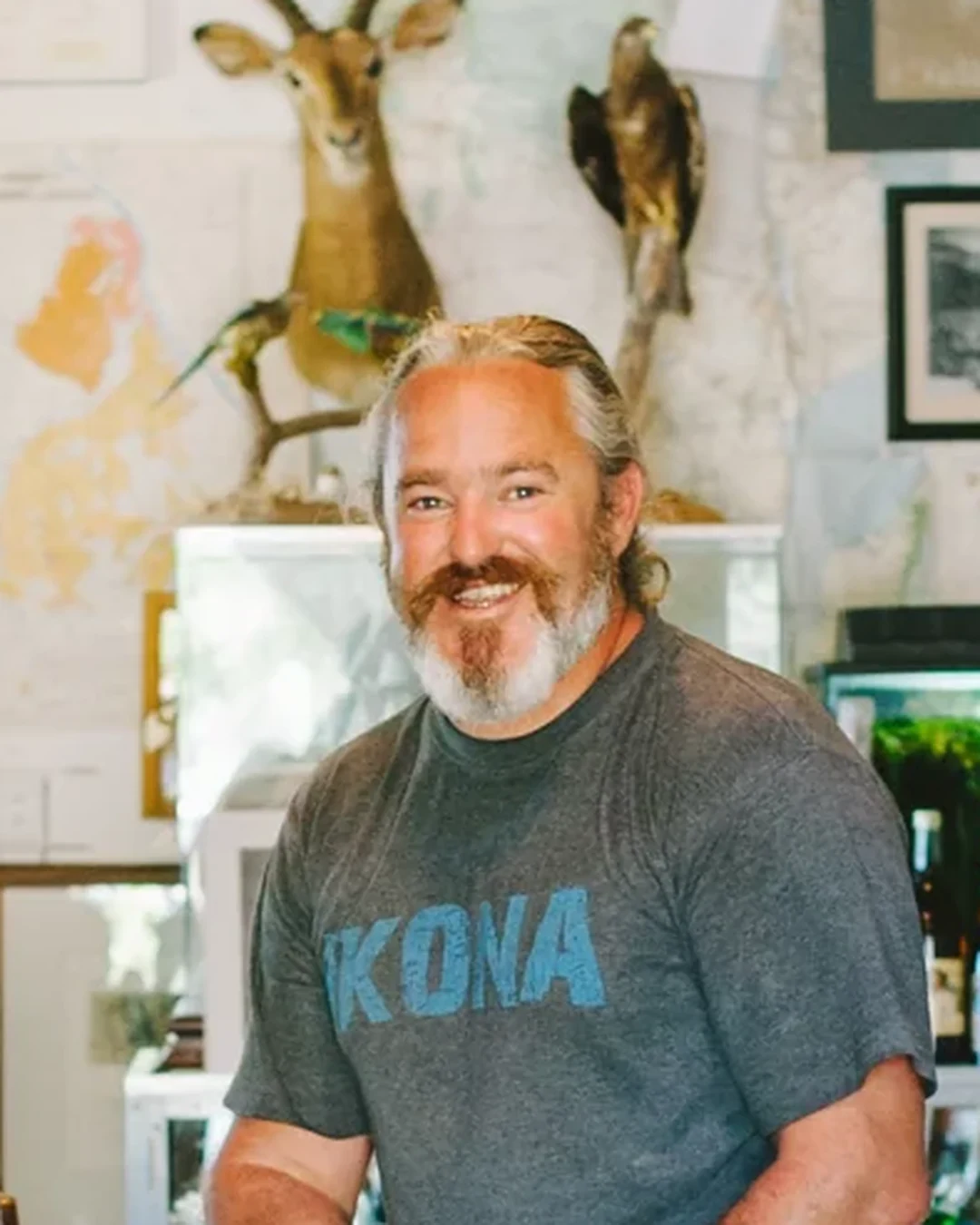
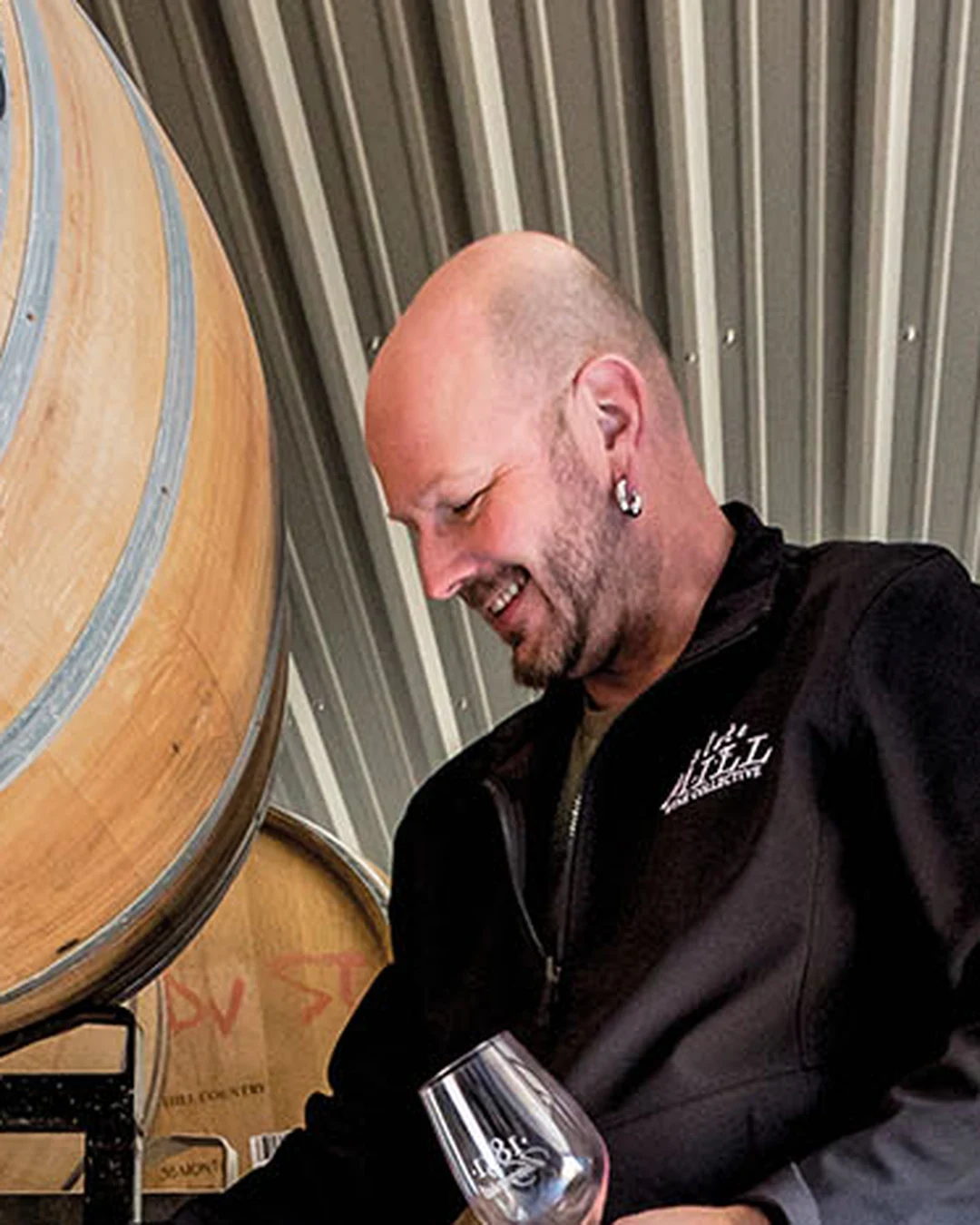
In Fredericksburg, United States, Tim Drake’s work gathers around the practical rooms and rows where wine takes shape: the cellar, the lab bench, the vineyard, and the shared production floor. At Michael Ros Winery, he works as winemaker, carrying a path that has run through Chateau St. Michelle, Flat Creek Estate in Marble Falls, and Slate Mill Wine Collective.
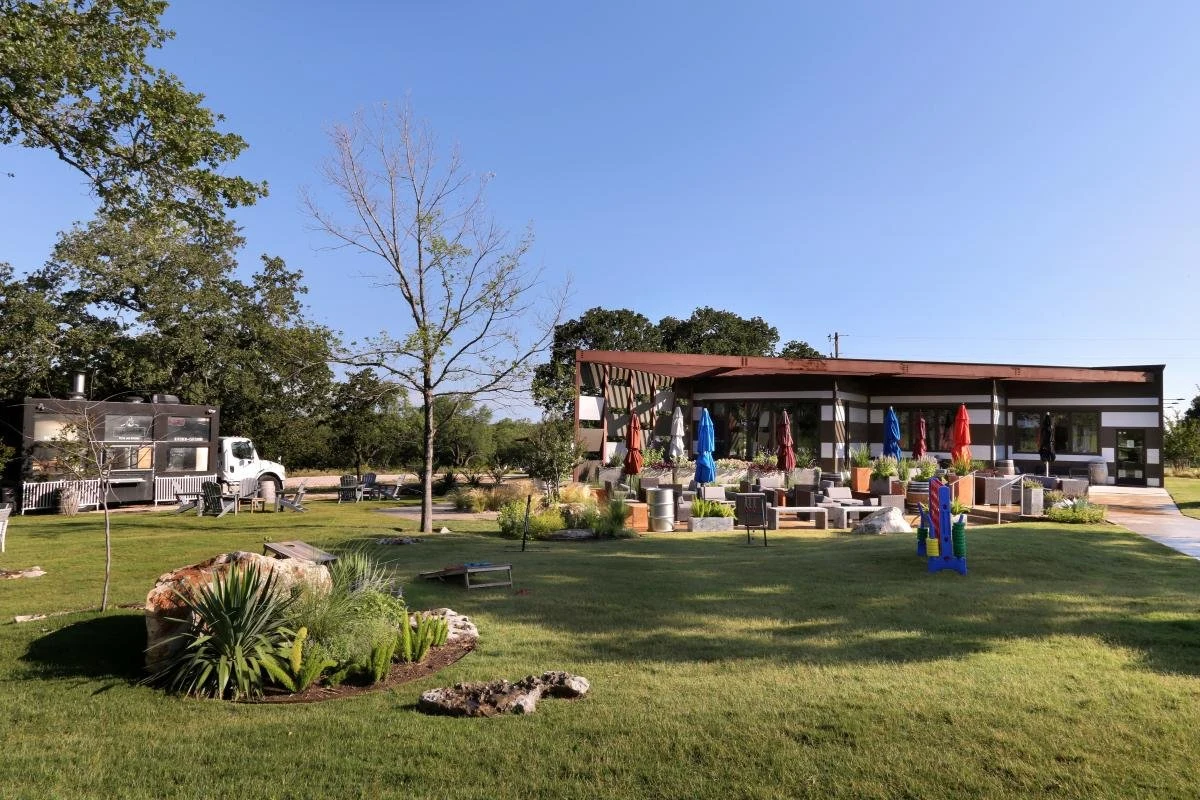
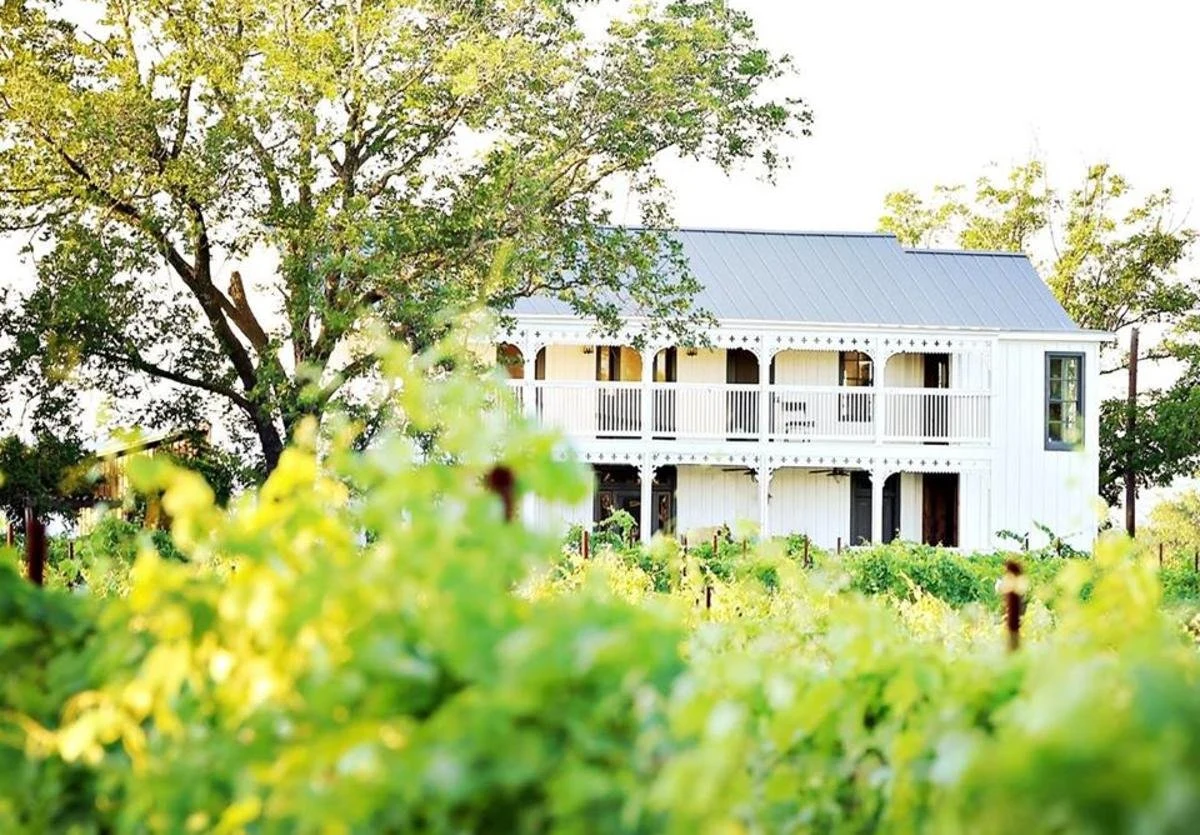
The Place Fredericksburg is the clearest geographic point in Drake’s work, tied both to Michael Ros Winery and to his time as director of winemaking at Slate Mill Wine Collective. The latter role places him in a setting built around more than one label, and he has described that kind of shared structure in direct, practical terms: "We’re bringing some infrastructure that’s sorely needed. People can come and start in a very inviting, educational, nonhostile place." Marble Falls, United States, is another marker in the route. At Flat Creek Estate, he worked as winemaker and vineyard manager, a dual position that connects cellar decisions to the condition of the vines before fruit ever reaches tanks, barrels, or presses. His education includes the University of Washington. The presence of that institution in his background sits naturally beside a career that has moved through laboratory work, cellar work, vineyard oversight, and winery leadership rather than through a single narrow lane.
The Method The technical side of Drake’s approach comes through most clearly in the way he talks about entering wine. "I was running a heavy metals lab for a toxic waste site, so dealing with cyanide, mercury, PCBs, and all that good stuff. I saw an ad to work at a lab in a winery, and that sounded just so much better." That sentence says a great deal about the material logic of his craft. Wine, for him, is not only romance or landscape; it is also measurement, analysis, cleanliness, timing, and the daily discipline of work that can be tested and repeated. Cellar work at Chateau St. Michelle gave him a ground-level role inside production. From there, the vineyard-manager portion of his Flat Creek Estate position expanded the work outward, from cellar practice to farming decisions and the condition of the fruit at the source. At Slate Mill Wine Collective, the title of director of winemaking added another layer: helping guide production in a collective setting. The emphasis in his own words is not on exclusivity, but on infrastructure, education, and a workplace where people can begin.
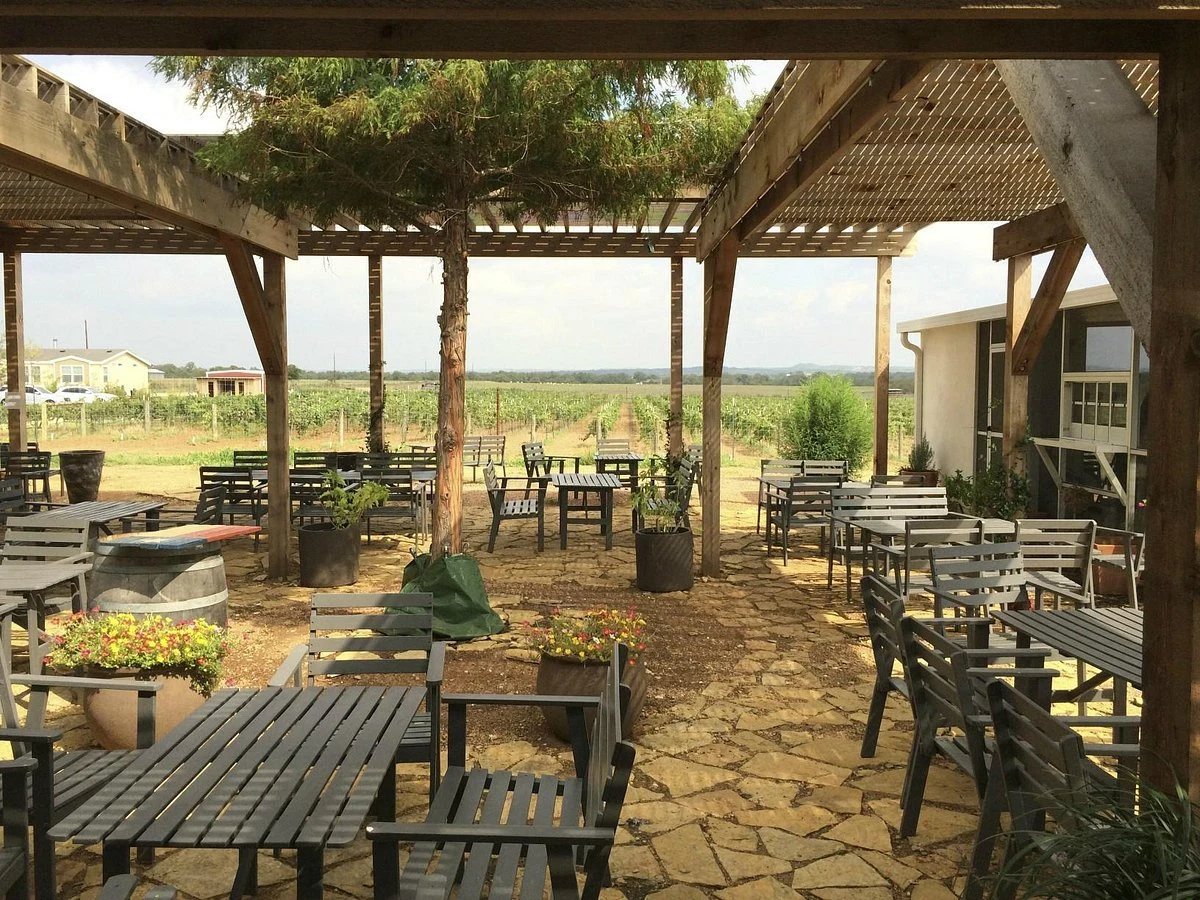
The Range Three active winemaking roles show the breadth of Drake’s present work: Michael Ros Winery in Fredericksburg, Majek Vineyard & Winery, and Farmhouse Vineyards. Each title is direct and craft-centered; the recurring word is winemaker. His career arc also includes direct responsibility for both wine and vines at Flat Creek Estate, plus the earlier cellar position at Chateau St. Michelle. Those roles form a practical sequence: lab awareness, cellar labor, vineyard management, production leadership, and winery work across multiple labels. The result is a career built less on a single signature bottling than on the steady handling of process. Drake’s work is grounded in the places where wine becomes physical: fruit arriving from a vineyard, cellar tasks repeated until they are right, and production systems built so other makers can work.
FAQ What style or method defines Tim Drake's work? His method is grounded in winemaking, cellar work, vineyard management, and the technical perspective reflected in his move from laboratory work into a winery lab. What are Tim Drake's signature releases or dishes? His work centers on wines made through Michael Ros Winery, Majek Vineyard & Winery, Farmhouse Vineyards, and his earlier production leadership at Slate Mill Wine Collective. What is Tim Drake known for making? He is known for making wine, with winemaker roles tied to Michael Ros Winery, Majek Vineyard & Winery, and Farmhouse Vineyards.
Explore
Similar Winemakers