i. Biography
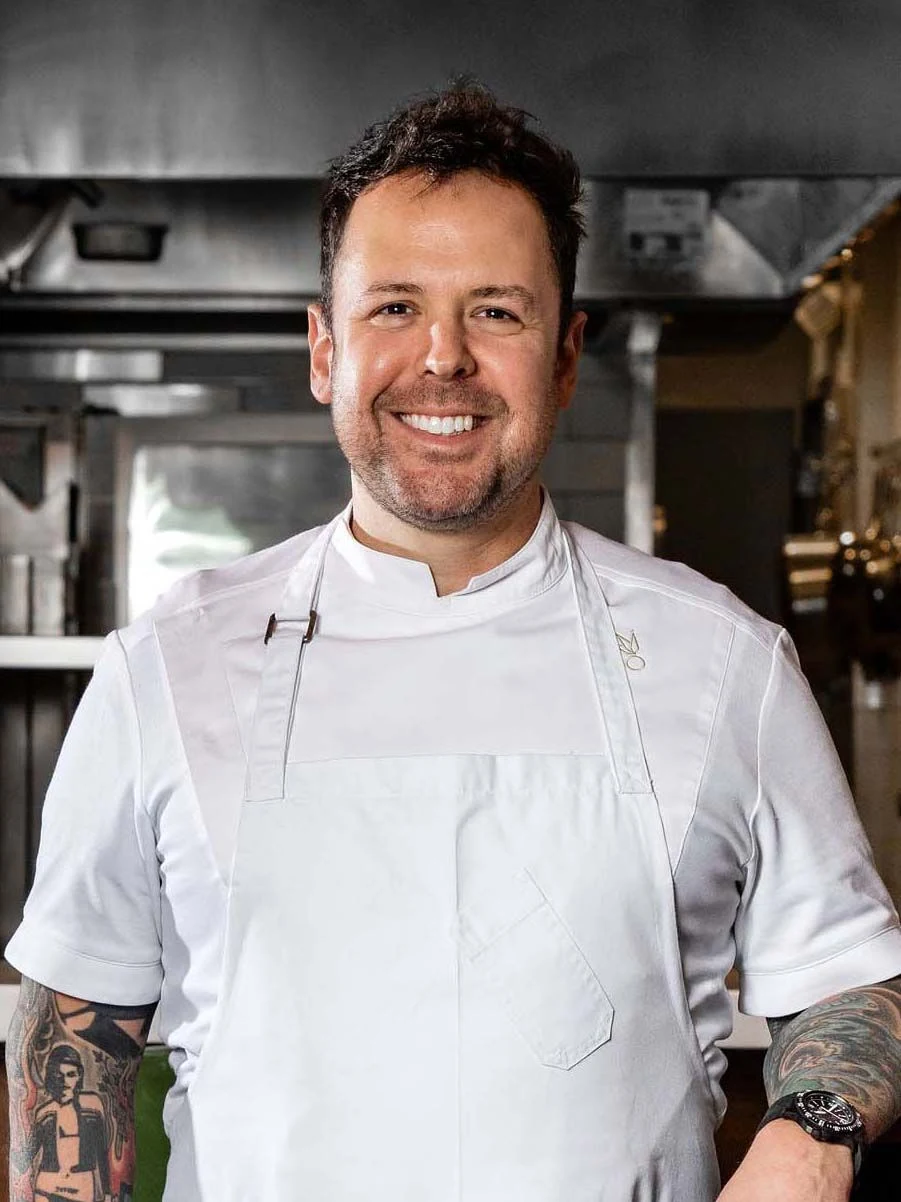
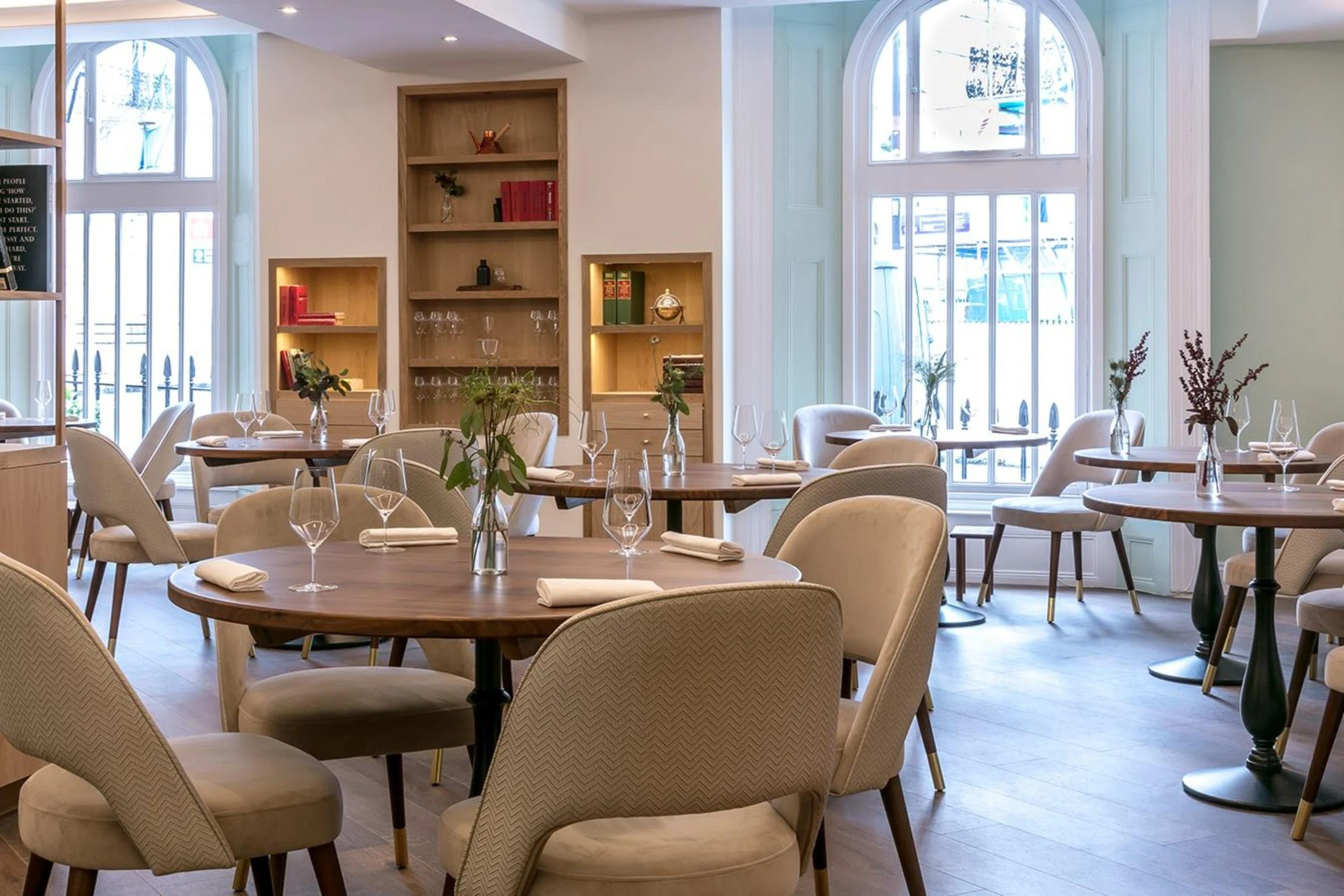
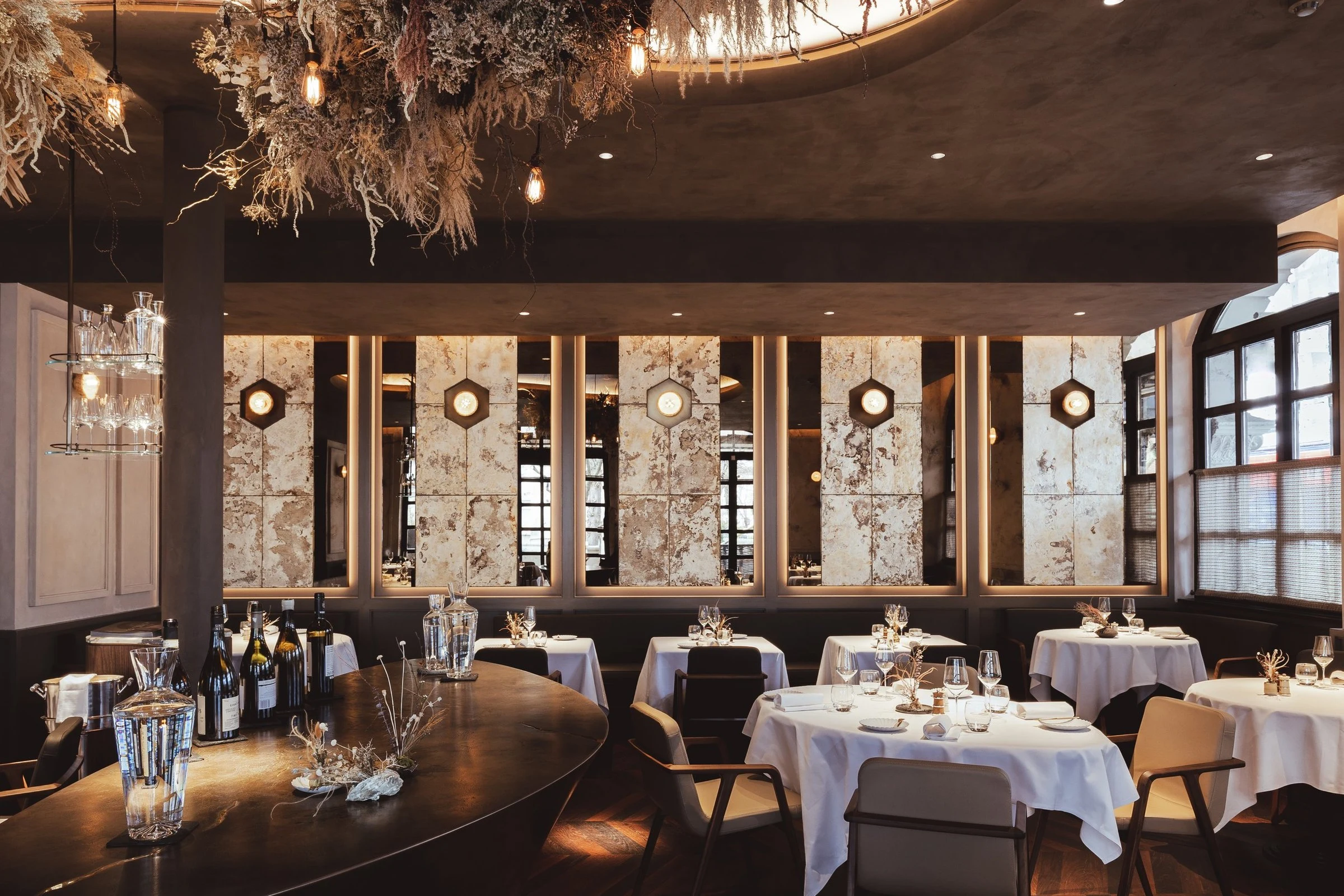
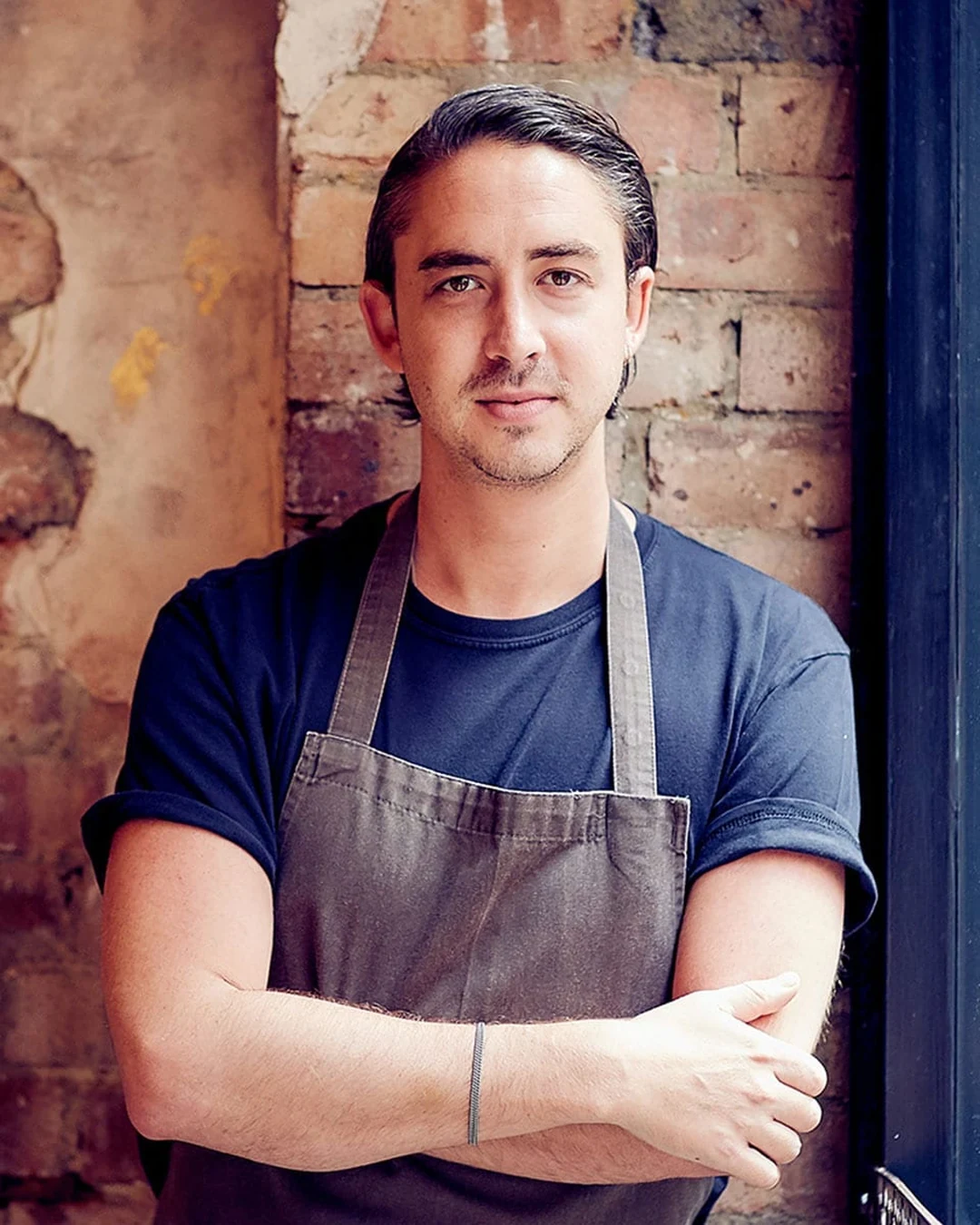
Indian cooking entered this work at the pass rather than through theory: in Mumbai, while Will Bowlby was working with European food at Cheval, the city’s heat, pace, and appetite put another set of structures close at hand. That reference now sits inside the cooking at Kricket in London, where the restaurant began in 2015 as a tiny shipping-container operation in Pop Brixton and developed around an ingredient-led method. Samphire pakoras, pumpkin and butternut squash, and chaat built on sweet, sour, and spicy balance show a house style that uses memory as material, not decoration.
Training and Lineage
Kitchen discipline was built from the lower stations upward, with Will Bowlby working first as a commis chef and then as chef de partie at Le Café Anglais. The sequence matters in the trade sense: prep rhythm, timing, responsibility, and the accuracy required before service becomes visible to the guest. The Mumbai period changed the working frame. At Cheval, while cooking European food, Bowlby was working in a city whose surrounding food culture pressed close to the kitchen. Indian flavors and structures became an active point of study, not a borrowed accent. The later founding of will2cook belongs to that same practical line: build dishes with control, momentum, and a clear read on what the ingredient can carry. Restaurant identity is now part of the craft brief. As head chef and co-founder of Kricket since 2015, Bowlby works across the food and the shape of the restaurant, keeping the cooking tied to immediacy while giving the house language enough repetition to become recognizable.
Current Practice
Ingredient-led cooking is the operating principle at Kricket in London, United Kingdom, where Bowlby has been head chef and co-founder since 2015. The role joins ownership with kitchen leadership, so the decisions on the plate and the character of the restaurant stay close to the same hand. The method is stated plainly: "I get inspiration from everywhere, but I like to be lead by ingredients first and foremost, whatever is best and available at the time." For another cook, the useful part is the order of operations. Availability and quality come before concept; the dish is built from what is worth using now. The house repertoire makes that principle legible. Samphire pakoras are one of the classics Bowlby points guests toward, placing a coastal ingredient inside the pakora form without turning the form into a gimmick. The interest is in crunch, spice, and recognition held in a small format. Vegetable cooking carries the same restraint. The pumpkin and butternut squash dish Bowlby has named as the one he is most proud of in the restaurants is not framed through excess technique or display. The craft statement is the ingredient pair itself, repeated enough for pride to attach to execution. Memory is used as a working reference when it can be translated into balance. "Certain dishes we serve at Kricket directly reference those memories. For example, chaat (a mash up of veggies, rice, pulses and chutney), which is sweet, sour and spicy." The useful craft information is in the structure: vegetables, rice, pulses, chutney, and the sweet-sour-spicy register held together by texture.
Career - Head chef and co-founder — Kricket (2015–present) - Commis chef; later chef de partie — Le Café Anglais - Head chef — Cheval, Mumbai - Founder — will2cook
Signature
Signature dishes include Pumpkin and butternut squash dish and Crab Scotch Egg with Moilee Sauce.
Peer Recognition
Recognition includes Chef of the Year category shortlist.
FAQ What role does Will Bowlby hold? Will Bowlby is head chef and co-founder. Where did Will Bowlby work before? Earlier in their career, Will Bowlby worked at Le Café Anglais, Cheval, and will2cook. What recognition has Will Bowlby received? Chef of the Year category shortlist.