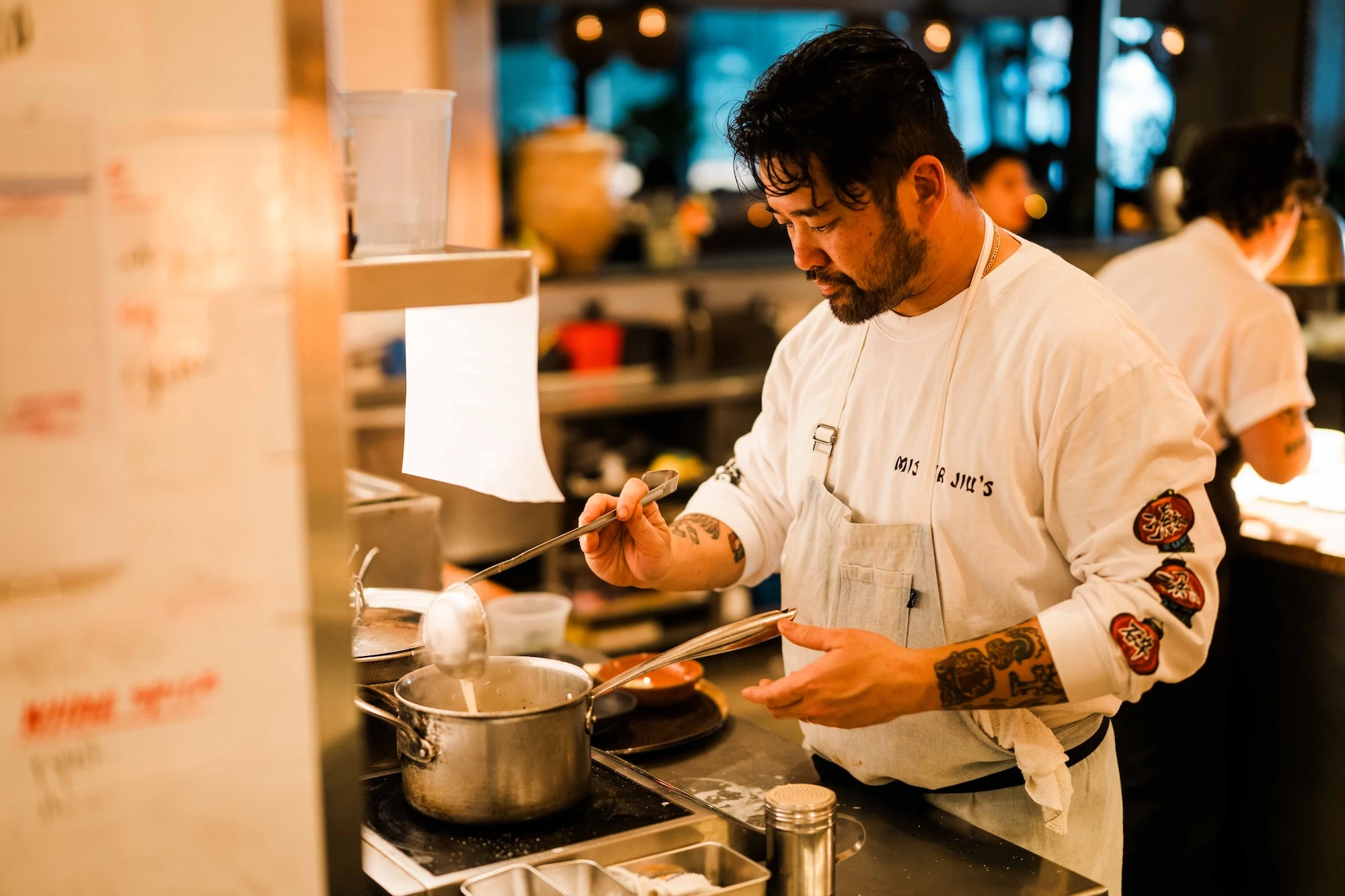
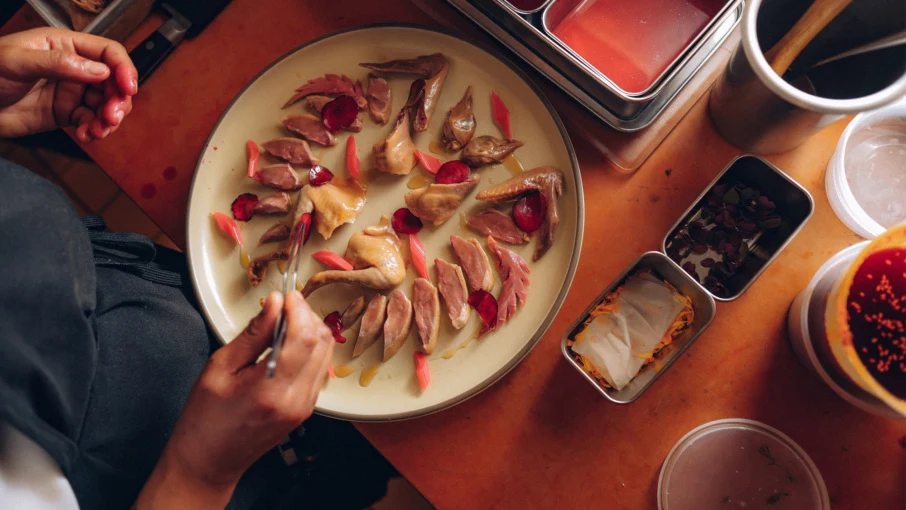
In the kitchen, an air compressor inflates the Peking duck, separating skin from meat so the skin can crisp while the breast is kept medium (Eater SF). Brandon Jew knew that larger-breasted duck from his years at Zuni Cafe and Quince (Eater SF).
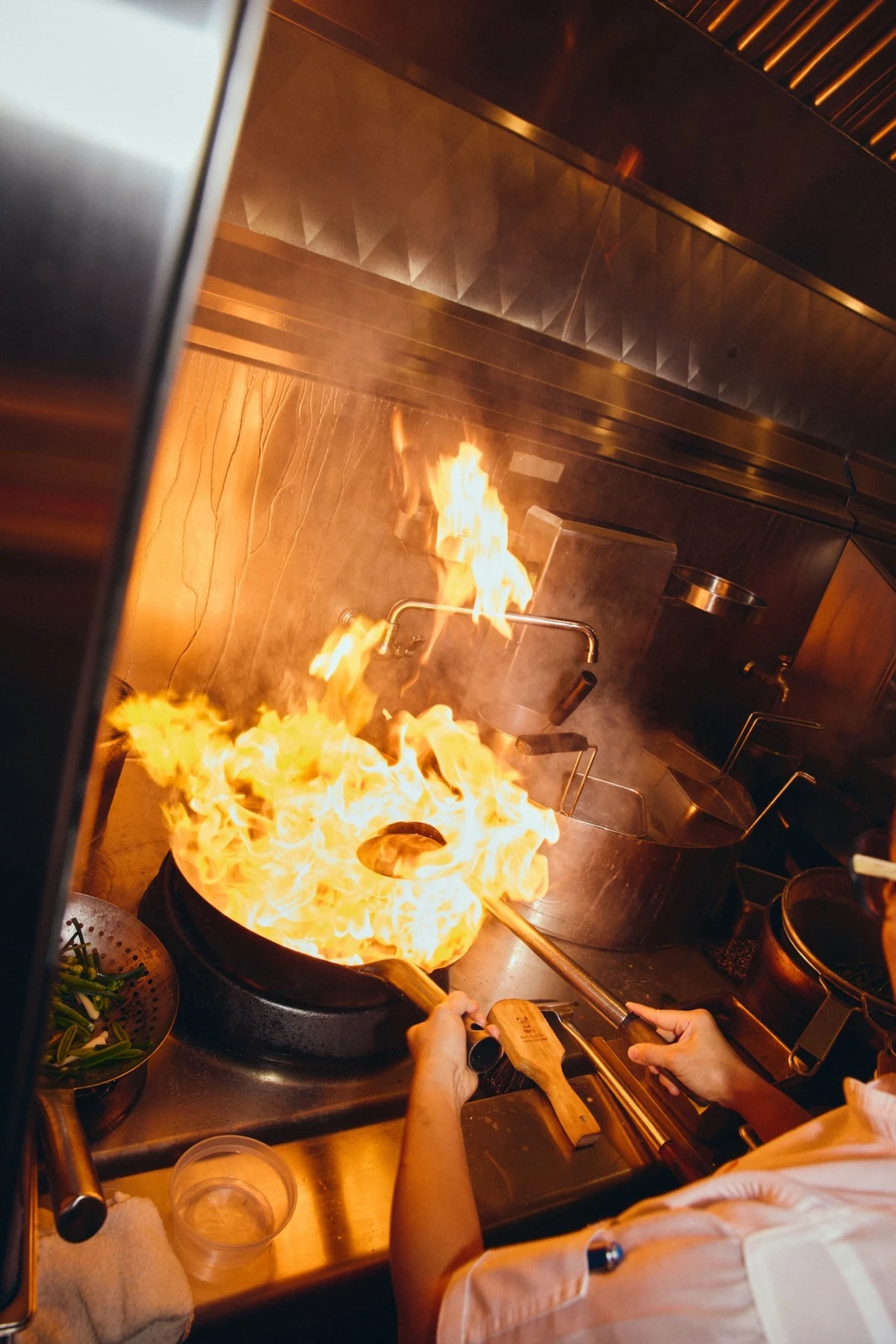
Mister Jiu's opened in April 2016 in San Francisco Chinatown, later earning a Michelin star and a cookbook, Mister Jiu's in Chinatown. The decade is best read through the work itself: Peking duck, sea urchin cheong fun, and sizzling rice soup moving through the kitchen (Resy).
Brandon Jew's Formative Years, From Bologna to Zuni
Before cooking in Bay Area restaurants, Brandon Jew trained in Bologna, Italy, and in Shanghai, China (Regalis). Back in California, he worked under Judy Rodgers at Zuni Cafe and under chef Michael Tusk at Quince (1000 Cookbooks).
In 2009, Bar Agricole owner Thad Vogler hired him as executive chef to design the menu and kitchen (Kickstarter). The family name also carried its own history. It was originally spelled Jiu, and Jew has said, "What I remember from eating my grandma's food is after eating, you feel good" (Jane Ammeson).
Opening Mister Jiu's in San Francisco Chinatown
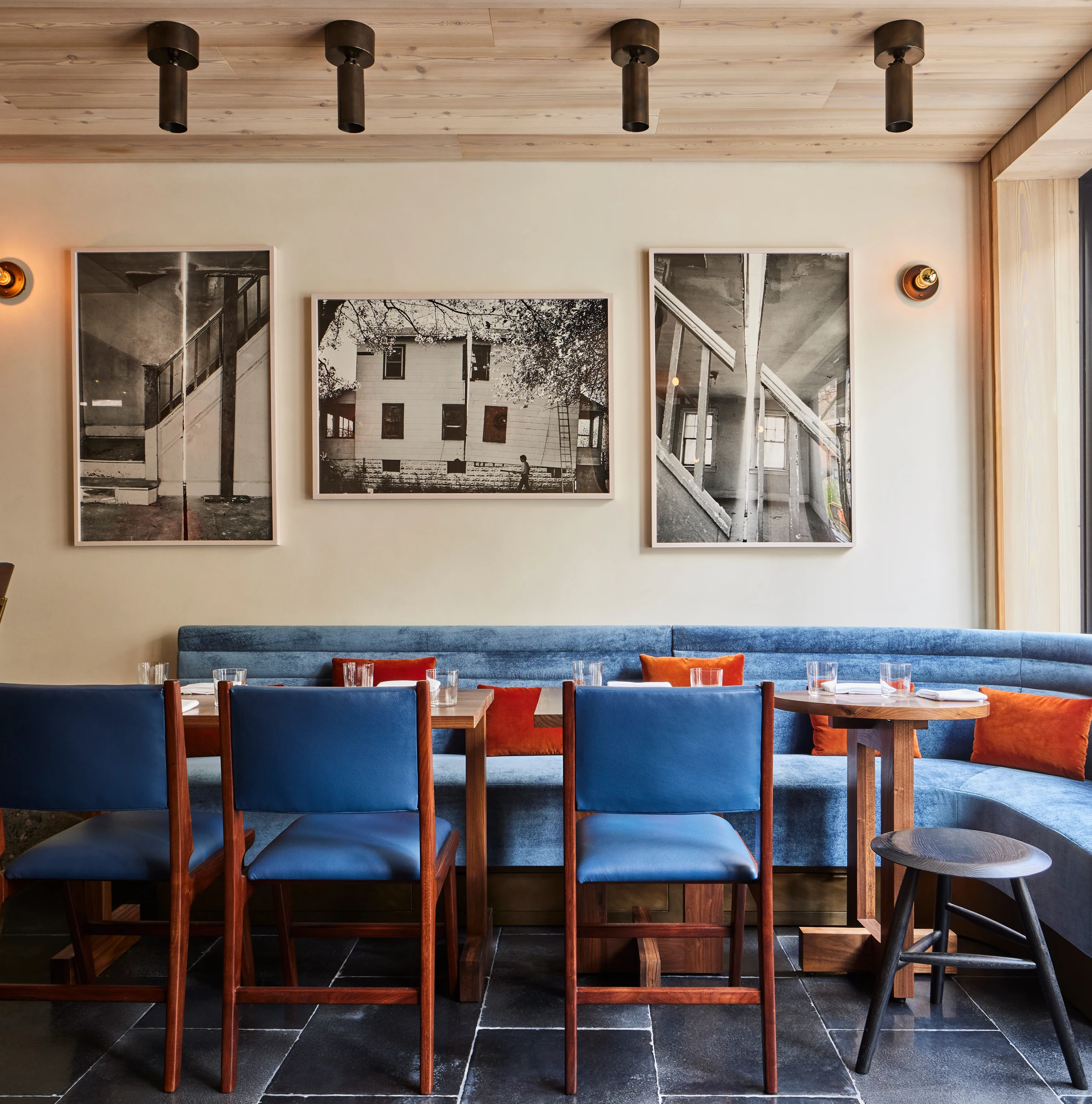
Brandon Jew opened Mister Jiu's in April 2016 inside San Francisco Chinatown, a room that asked him to cook with inheritance in full view. For a chef, that is not a neutral assignment. It meant putting a new Chinese restaurant into a Chinatown room without sanding off the Chinatown part.
The country has few neighborhoods where the word Chinatown carries as much historical pressure as it does in San Francisco. Mister Jiu's sits in the country's oldest Chinatown, and the distinction matters here because Jew did not build his decade from a detached dining room elsewhere in the city.
That double audience shaped the discipline. Jew had to cook from a Chinese American position with enough clarity that the room did not read as theme, apology, or translation exercise. In a restaurant kitchen, clarity often shows up as subtraction. For the reader, the useful lens is not only what stayed on the menu, but what Jew allowed himself to outgrow once a dish began doing too much of the room's talking.
A Decade of Mister Jiu's Brandon Jew, in Milestones
Mister Jiu's Brandon Jew now stands at a ten-year mark that few restaurants reach with their original argument intact. He opened in April 2016. By the 2026 anniversary, the restaurant had Michelin-star recognition, a public body of alumni and admirers around it, and a cookbook, Mister Jiu's in Chinatown, that carried the work beyond the room.
A cookbook from a restaurant like this does a particular kind of labor. It does not only record recipes. It fixes a point in a chef's thinking. For cooks who cannot stand in the kitchen, the book becomes a way to study the method at a remove: how Jew names the food, how he frames Chinatown, how a personal approach to Chinese food can sit inside a published restaurant record without becoming generic.
Patty Lee, chef of Lei, described the effect of reading Mister Jiu's in Chinatown as a conversion toward Chinese food with a more personal approach. That comment matters because the restaurant's influence did not travel only through meals. It traveled through study. A cook can read the book away from the pass and still find the hand of another chef rearranging what seems possible.
The Michelin-star recognition added another register. Awards can flatten kitchens into outcomes, but in this case the recognition sat beside the contradiction Jew was already working inside: Chinese food as neighborhood inheritance, Chinese American food as personal language, fine dining as a set of expectations about pacing, service, sourcing, and presentation. The point was not to make Chinese food acceptable by moving it away from itself. The point was to keep the cultural center of the work visible while running a restaurant that could withstand outside scrutiny.
Ten years in that kind of room is time on the tools. Menus change. Cooks leave. Diners return with fixed memories of dishes the chef may have already outgrown. A restaurant that survives the first rush often faces a harder question in its sixth, seventh, and eighth year: whether to repeat the proof of concept or keep revising the method. Jew chose the second pressure.
Chinese American, Not Fusion
Jew's own language for the restaurant is direct. He wants guests to understand Mister Jiu's as a Chinese restaurant, from a very Chinese American perspective, offering a San Francisco Chinatown experience that can only happen there. That phrasing rejects the soft category often handed to immigrant and second-generation cooking when it does not fit the old boxes. Fusion is too loose a word for what Jew describes. It suggests a blend assembled from the outside. Jew's argument begins inside the inheritance.
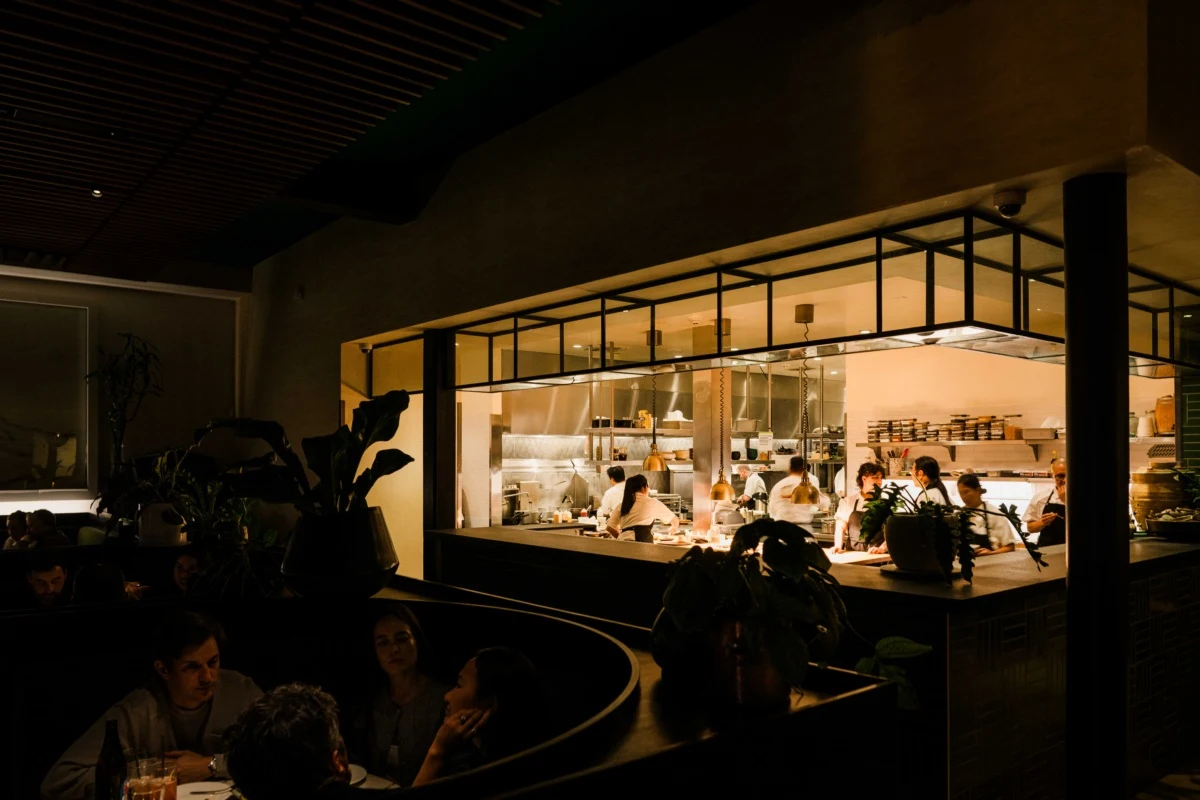
That difference shows up on the plate and in the dining room, where technique and service meet without needing a recipe card. Lucas Sin's comment on Jew's work points toward the operating method: knowing which ingredients to use, when to reference nostalgia, and when to introduce a new flavor. That is a cook's problem, not a branding problem. Nostalgia can take over a dish if the chef leans on it too heavily. Newness can feel hollow if it arrives without memory attached. Jew's discipline sits between those two failures.
That is a difficult instinct to maintain after a restaurant has found its audience. Cooks know the arithmetic: a dish that sells steadily can stabilize a station, train a new hand, and calm a nervous service. Taking it away can unsettle both guests and staff. But a restaurant built from a personal Chinese American perspective cannot become a shrine to its first hit. The menu has to remain alive enough to make room for the chef's next question.
Read the restaurant through that choice: not as fusion, and not as a fixed homage, but as a Chinese American method tested service by service. The craft here is not only in the cut, fold, or sauce. It is in deciding when the dish that everyone orders has started to interrupt the restaurant's deeper work.
The Ripple Effect: Chefs Influenced by Mister Jiu's
The anniversary gathered a named circle around Jew's decade: Danny Bowien, Mei Lin, Calvin Eng, Lucas Sin, Patty Lee, ArChan Chan, and Dan Hong. That list is not ornamental. It gives readers a way to follow Mister Jiu's through chefs who were building, or would later build, their own arguments about Asian American food.
Danny Bowien, chef of Mission Chinese Food, remembered his first meal at Mister Jiu's as a compressed view of Jew's training and intent. "Eating there the first time, I remember feeling that he had put everything he'd learned into that restaurant. And it was really exciting, because at that point, I hadn't had Chinese food cooked like that in California before." said Danny Bowien.3 The sentence lands because Bowien names California, not an abstract dining scene. He is describing a regional absence he felt Jew had answered.
"Seeing a Chinese American restaurant presented with that level of intention, storytelling, and pride was really inspiring. More than anything, I remember feeling seen."
Mei Lin, Chef, Resy3
Mei Lin's response points to another kind of influence, the recognition that happens before imitation. Feeling seen is not a technique, but it changes technique because it changes what a chef allows herself to pursue. A cook who sees her heritage presented with care in a dining room can stop treating that heritage as something to hide before the critics arrive.
"Brandon is a big part of why I wanted to open my restaurant. I wasn't really sure if I wanted to pursue Cantonese food, but after eating his food, I knew I wanted to dive deeper into my heritage the same way he had."
Calvin Eng, Chef-Owner of Bonnie's, Resy3
Calvin Eng's comment is the most concrete statement of lineage among the anniversary tributes. Eng, chef-owner of Bonnie's, does not only praise the restaurant. He connects Jew's food to the decision to open his own place and to pursue Cantonese food more directly. That is how a restaurant becomes part of another chef's apprenticeship, even without a formal stage or a named station assignment. The meal becomes instruction.
Lucas Sin places Jew's influence in the handling of memory and ingredient choice, where nostalgia and new flavor have to be timed. Patty Lee traces the influence through the cookbook. Danny Bowien places Mister Jiu's among Bay Area institutions in his own language. Together, the comments form a map of impact that does not depend on a single award. The chefs name what changed in their own thinking.
The Team, the Book, and the Room That Kept Changing
A restaurant's public story often narrows to the chef-owner, but the work of ten years also belongs to the team that kept the room in motion. Lucas Sin's anniversary comment refers to Brandon and the team at Mister Jiu's as role models for how stories about Chinese food are told and how restaurants are run. That second part deserves attention. The pass matters, but so do hiring, pacing, repetition, and the discipline of service after the first acclaim settles.
The decade is clearest when read through the chefs who attach their work to it: Bowien at Mission Chinese Food, Eng at Bonnie's, Lee at Lei, Lin, Sin, Chan, and Hong. Some are contemporaries. Some are inheritors. Some enter through the anniversary dinners. All of them help define the ecosystem around Jew's work.
The cookbook extends that ecosystem because it gives cooks a way to study the restaurant without waiting for a reservation or a service position. Mister Jiu's in Chinatown carries the restaurant's name and neighborhood in its title, which matters. The book does not detach the food from Chinatown to make it more portable. It insists that the place is part of the method.
For readers who follow chefs the way sommeliers follow vintages, the decade asks for attention to sequence. First came the April 2016 opening. Then the restaurant earned Michelin-star recognition. Then the cookbook gave the project a written form. Then the 2026 anniversary gathered chefs whose own work reflects, answers, or extends what Mister Jiu's made visible. The sequence is the story. Not one plate, not one accolade, not one quote.
There is also an instructive refusal here. Jew has not allowed one successful dish, one public category, or one version of the restaurant to end the inquiry. The hand keeps moving. That is why the anniversary feels less like a monument than a bench still in use.
What's Next for Brandon Jew and Mister Jiu's
The next visible work is already built into the anniversary year. Mister Jiu's 10-year celebration includes guest-chef dinners featuring Mei Lin, ArChan Chan, Lucas Sin, and Dan Hong. For readers, that is the practical place to watch the decade continue: not as a static retrospective, but as a set of dinners that puts Jew's room in conversation with the chefs around it.
The programming turns the anniversary outward. Jew is not only looking back at a decade of his own service; he is placing other chefs on the calendar and letting the room become a meeting point for the broader lineage his work helped clarify.
That may be the reason Mister Jiu's still carries weight for chefs in its tenth year. A room can become famous and then become trapped by the shape of its fame. Jew's decade suggests another route: keep the Chinatown perspective fixed, keep the Chinese American authorship visible, and let the menu keep changing under that frame.
The work to follow is not whether Mister Jiu's can prove itself again. It is how Brandon Jew uses the next service, the next collaboration, and the next dish to keep the decade from hardening into a display case.