- Falstaff Winery - Listed · 2026
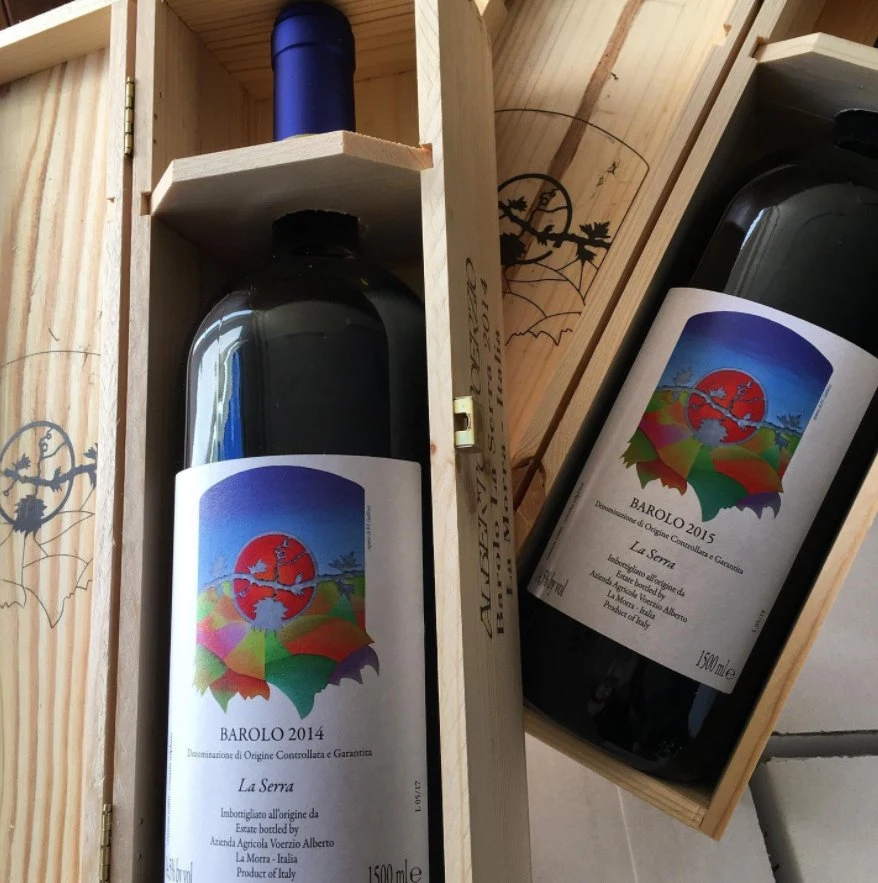
Alberto Voerzio in La Morra is best understood as a tiny, hands-on Barolo estate rather than as a venue built around visitor amenities. The picture is deliberately focused: a classic, rustic and intimate place where the emphasis falls on meticulous vineyard work, small-lot cellar craftsmanship and expressive Nebbiolo. For travellers or collectors looking at La Morra through the lens of Barolo, that restraint is the point. The estate’s appeal is not a long list of services, extras or hospitality features; it is the sense of a small producer working carefully within one of Piedmont’s most important wine communes.
Because the confirmed information is narrow, this guide should be read as a concise orientation rather than a full technical profile. Specific vineyard names, production figures, cellar protocols, awards, tasting formats, opening hours and visitor arrangements should not be assumed unless confirmed directly with the estate. What can be stated with confidence is the overall identity: Alberto Voerzio is a small Barolo estate in La Morra with an artisanal feel, a quiet presence and a focus on Nebbiolo shaped by careful farming and cellar work.
La Morra Nebbiolo through a small-estate lens
La Morra gives Alberto Voerzio its essential frame. The venue belongs to a landscape where Barolo is read through vineyard work, cellar decisions and the expressive capacity of Nebbiolo. Within that context, Alberto Voerzio stands out less as a broad hospitality destination than as a compact, producer-led address with a classic and hands-on character. The profile points to a hidden-gem feel: intimate, rustic and more concerned with the craft of wine than with polished visitor infrastructure.
That small-estate identity matters because it shapes expectations. This is not a page that can responsibly promise a particular tour route, tasting menu, food pairing, cellar format, service style or set of amenities. The confirmed emphasis is narrower and more useful: meticulous work in the vineyard, small-lot craftsmanship in the cellar and Nebbiolo as the central language. Anyone planning around Alberto Voerzio should therefore approach it as a serious Barolo producer in La Morra, not as a venue defined by add-on experiences.
The price indicator is listed as $$$, which places the estate in a premium bracket for planning purposes. That does not verify any bottle price, tasting fee, minimum spend or package cost; it simply signals that Alberto Voerzio should be treated as a higher-end wine stop rather than a casual budget listing.
A small-estate visit in a village of serious growers
Alberto Voerzio’s strongest description is atmospheric and craft-based. It is a tiny Barolo estate with a classic, artisanal feel, where the draw is the producer’s work with Nebbiolo and the hands-on nature of the operation. The words that fit the confirmed profile are intimate, rustic and.
For a La Morra itinerary, that means Alberto Voerzio is best positioned as a focused wine address for people who care about Barolo at estate scale. Build expectations around conversation, craft and the character of Nebbiolo rather than around entertainment or amenities. La Morra has other dining and wine options, but they should be considered generically here unless separately verified. The cleanest way to frame Alberto Voerzio is as a compact, serious stop within the broader Barolo culture of the village.
It is also worth noting what is not confirmed. There is also no confirmed award or score that should be used as the hook. Keeping the profile narrow protects the usefulness of the guide: the estate is recommended for its confirmed identity as a small, artisanal Barolo producer in La Morra, not for details that have not been established.
How to build the La Morra day around wine, food and sleep
A sensible La Morra day should leave room for the slower rhythm implied by a small Barolo estate. Rather than treating Alberto Voerzio as a quick checklist stop, plan around the fact that its appeal is concentrated in vineyard work, small-lot cellar craftsmanship and expressive Nebbiolo. If you are pairing it with meals, lodging or other local activities, use current direct sources for those details, because this venue profile does not verify restaurant service, accommodation, opening hours or packaged experiences at Alberto Voerzio itself.
For travellers comparing wine regions, Alberto Voerzio’s identity is precise rather than expansive. It is not presented here as a general Piedmont survey, a luxury hospitality complex or a tasting-room circuit. It is a La Morra Barolo estate with a classic, rustic and intimate character. The right audience is someone who values the agricultural and cellar side of wine: careful vineyard work, small-lot production logic and Nebbiolo as the main point of attention.
In short, Alberto Voerzio is a premium La Morra address for Barolo-focused travellers who prefer craft over spectacle. The facts support a clear but modest promise: a tiny, hands-on estate with an artisanal feel, rooted in meticulous work and expressive Nebbiolo. Everything beyond that should be confirmed before planning, especially any assumptions about visits, tastings, timings, prices beyond the $$$ indicator or specific amenities.
Questions
Frequently asked
Who works at Alberto Voerzio?
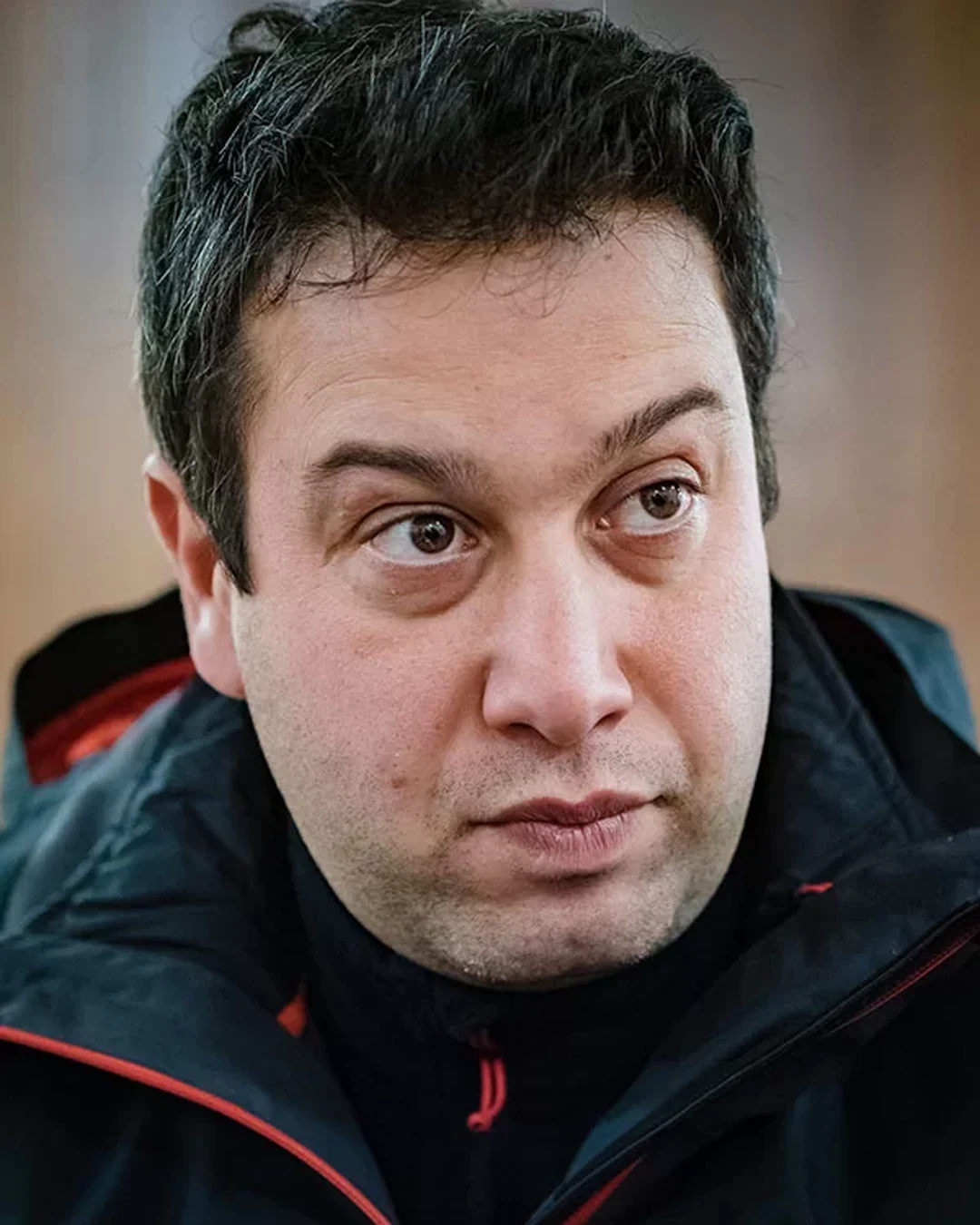
Made By profiles Alberto Voerzio (Winemaker) at Alberto Voerzio.
How expensive is Alberto Voerzio?
Alberto Voerzio is listed at a price level of $$$.
The field
How it compares
| Place | Notes |
|---|---|
| Alberto Voerzio | La Morra, $$$ |
| Cascina Rocca – Franco Molino | La Morra |
| Negretti | La Morra |
| Oddero | La Morra |
| Poderi Gianni Gagliardo | La Morra |
| Rocche Costamagna | La Morra |
| Trediberri | La Morra |