Bistrot Des Tournelles
- 01CuisineClassic French Bistro
- 02CityParis, France

From the people index
Recommended by
2 trusted voices point here.


- Opinionated About Dining Newly Added European Restaurants · 2026
- Opinionated About Dining Casual in Europe Recommended · 2026
The Marais Bistrot in Its Current Form
Paris has been debating the death and resurrection of the bistrot for the better part of thirty years. At one end of the argument sit the grand-occasion rooms: three-Michelin-star addresses like L'Ambroisie on the Place des Vosges, or the architectural theatre of Le Cinq at the Four Seasons George V, where the room and the room's reputation are inseparable from the plate. At the other end sit the unreconstructed neighbourhood rooms that never left, places without press releases, where the clientele is local and the menu is seasonal in the way that seasonal used to mean: whatever arrived that morning, priced to move. Bistrot Des Tournelles, at 6 Rue des Tournelles in the 4th arrondissement, belongs to this second category, and that positioning is its clearest editorial signal.
The 4th has changed dramatically since the neighbourhood's transformation accelerated in the 1990s. The Marais is now one of the most-visited districts in Europe, absorbing a tourist density that has pushed many of its working restaurants into either high-volume adaptation or quiet survival. What remains interesting about the area's better bistrots is precisely their resistance to that pressure: small rooms, daily menus, no algorithmic optimisation. In a neighbourhood where many venues have pivoted toward the visitor trade, the counter-move, staying small, staying local-facing, is itself a kind of editorial statement.
What the Room Does, and Why It Matters
The physical approach to Bistrot Des Tournelles is as instructive as the interior. Rue des Tournelles runs between the Bastille and the Place des Vosges, a corridor that carries local foot traffic rather than tourist flow. The address at number 6 puts the bistrot within a few minutes of one of Paris's most-visited squares, yet its street is quiet enough that the room's character hasn't been diluted into a tourist offering.
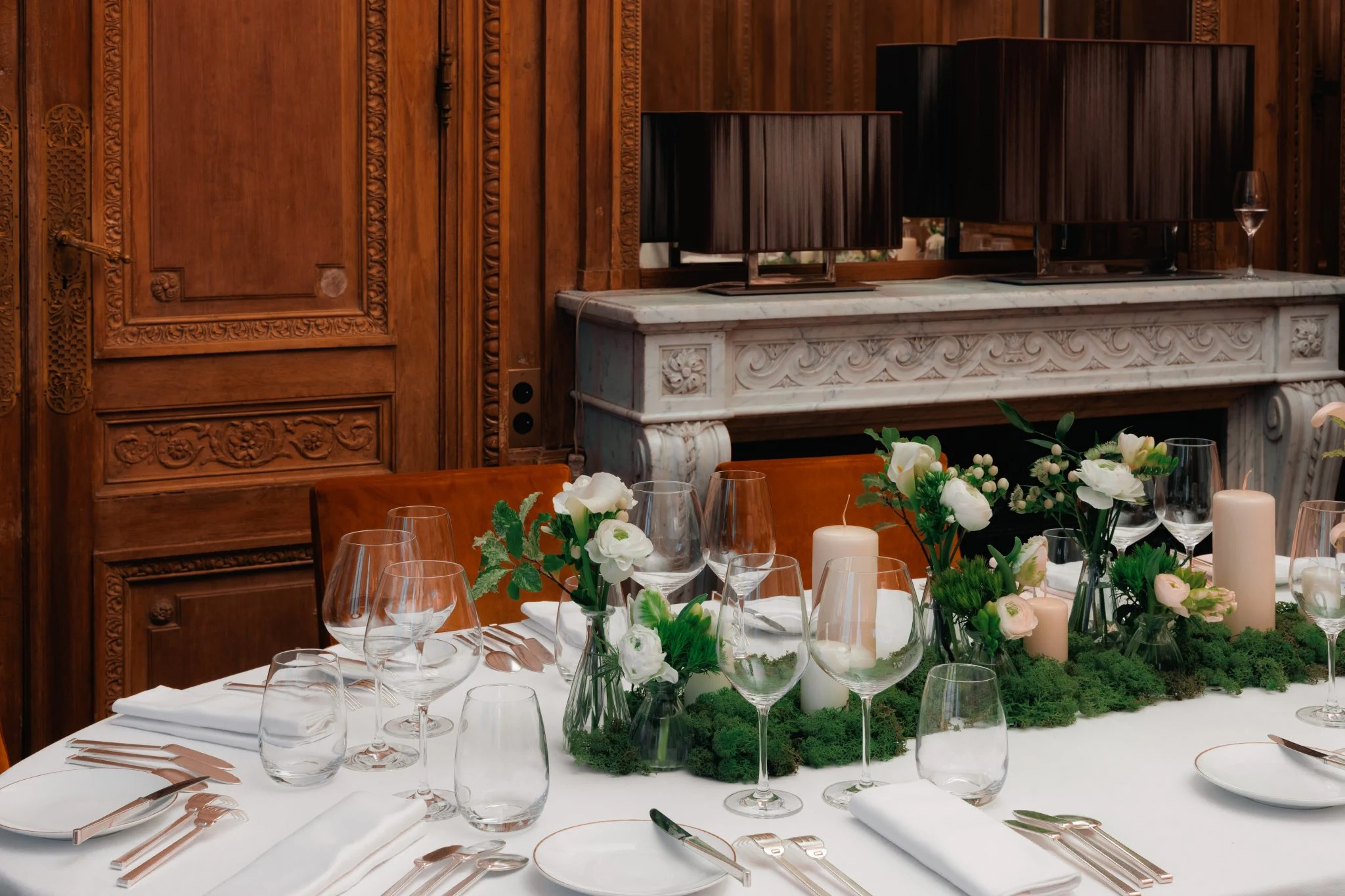
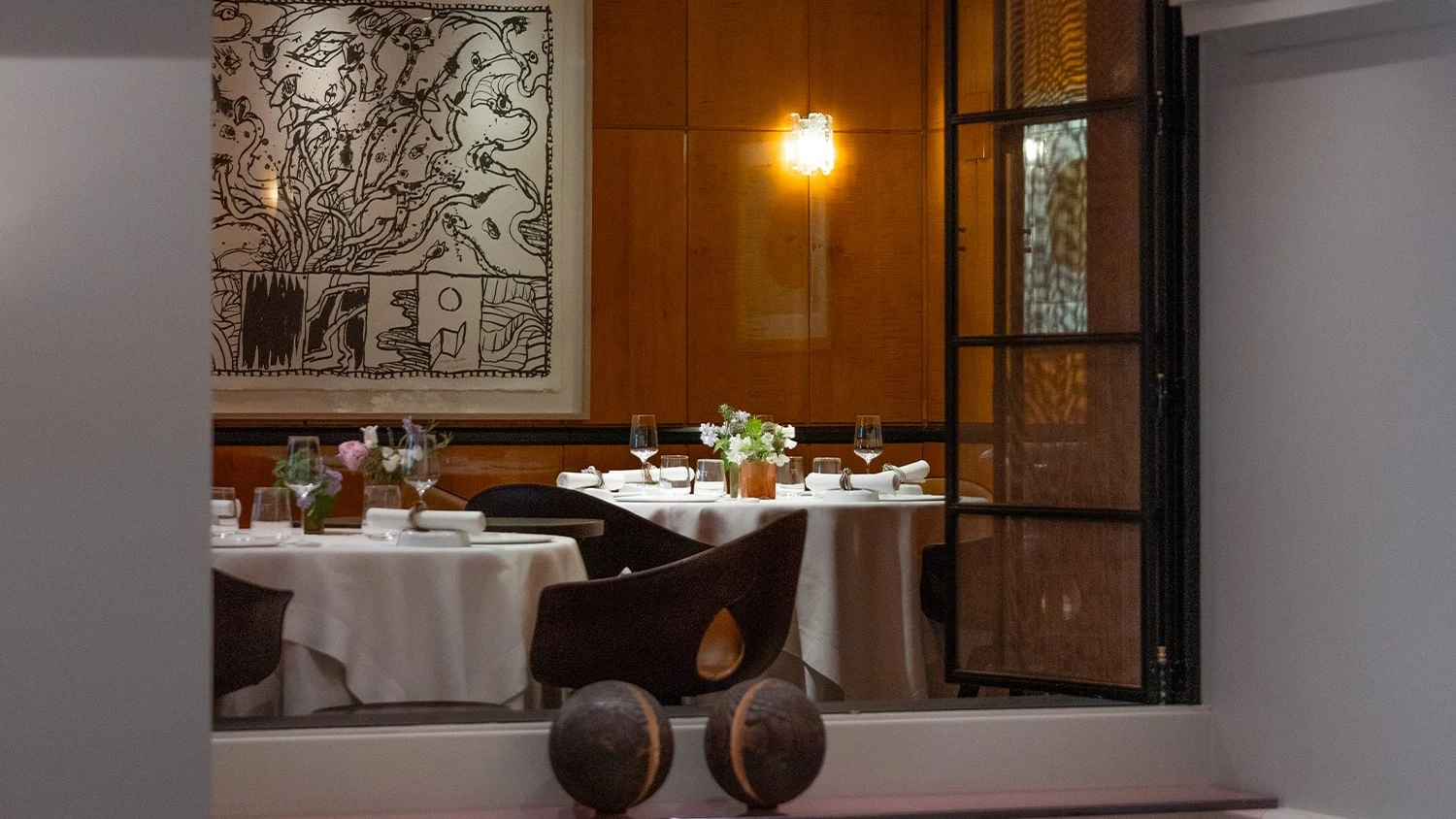
Inside, the format is the format that Paris's leading neighbourhood bistrots have always operated: a room small enough that the kitchen and the dining space feel connected, a bar that functions as a genuine social anchor rather than a decorative prop, and a noise level calibrated to conversation rather than atmosphere management. These are the physical conditions that separate a bistrot from a brasserie, and they matter because they shape how a room evolves. Small rooms with regular clientele accumulate a kind of institutional memory, a sense of what's ordered, what works, what the room is for. That accumulation is what gives older bistrots their character, and it's what newer openings in the same category spend years trying to manufacture.
For context on how Paris's higher-register rooms have evolved in parallel, the trajectory is visible at addresses like Kei, which has developed a distinct Franco-Japanese register, or at Alléno Paris au Pavillon Ledoyen, where the creative ambition operates at a scale and price point that occupies a completely different competitive tier. The bistrot tradition that Bistrot Des Tournelles represents is not in dialogue with those rooms, it runs on a different set of assumptions about what a restaurant is for.
The Evolution of the Neighbourhood Bistrot
What's changed in the Parisian bistrot category over the past decade is less about cooking technique than about survival mechanics. The bistrots that have held their ground through rising rents, post-pandemic reshuffling, and the shift in the Marais's demographic have generally done so by maintaining a consistent offer rather than chasing trends. The addresses that pivoted, toward natural wine maximalism, toward small-plates formats, toward branded identity, often found themselves competing in a more crowded space with higher turnover.
The French provincial tradition offers a useful comparison: destinations like Bras in Laguiole, Auberge de l'Ill in Illhaeusern, or Les Prés d'Eugénie in Eugénie-les-Bains have maintained their identity across decades precisely by staying committed to a defined place and register. The bistrot equivalent of that commitment in Paris looks different, it's a shorter menu, a tighter room, a less ceremonial register, but the underlying logic is the same. Longevity in French dining usually comes from consistency rather than reinvention.
That contrast is sharpest when you look at the grande maison model: Paul Bocuse's Auberge du Pont de Collonges, Troisgros in Ouches, or Georges Blanc in Vonnas represent a different form of institutional resilience: larger-scale, destination-driven, built around a name and a legacy. The neighbourhood bistrot has no such infrastructure to fall back on. Its only asset is the room and the regulars, and its evolution is measured in quieter increments.
Placing Bistrot Des Tournelles in Context
Mirazur in Menton, Arpège in Paris, or Flocons de Sel in Megève, Bistrot Des Tournelles represents a different kind of decision. This is not a room where the cooking is the spectacle. It's a room where the cooking is the point: competent, French, unglamorous in the leading sense. The Marais has no shortage of places trying to be something; this address is useful precisely because it isn't.
The comparison that travels furthest is probably to what the neighbourhood bistrot tradition looks like when it's been exported: Le Bernardin in New York occupies a different tier entirely, but it carries a similar logic of formal commitment to a defined register, maintained over decades. The bistrot version of that discipline is less ornate, but no less demanding. What Lazy Bear in San Francisco or La Table du Castellet do with format and theatre, the Parisian neighbourhood bistrot does with the absence of both. The room at 6 Rue des Tournelles is the argument.
Planning Your Visit
Rue des Tournelles sits in the 4th arrondissement, walkable from both the Bastille and Chemin Vert metro stations. The Marais's busiest tourist periods run from late spring through early autumn; visiting in the shoulder months, late autumn through early winter, puts you in a room calibrated more toward its regular clientele than its seasonal visitors. Booking ahead is advisable for dinner, particularly on weekends, given the small room size that characterises this category.
Questions
Frequently asked
How expensive is Bistrot Des Tournelles?
Bistrot Des Tournelles is listed at a price level of $$$.
Where is Bistrot Des Tournelles and what does it serve?
Bistrot Des Tournelles is in Le Marais, Paris, serving Classic French Bistro.
The field
How it compares
| Place | Cuisine | Notes | Awards |
|---|---|---|---|
| Bistrot Des Tournelles | Classic French Bistro | Le Marais, $$$ | · |
| Arpège | Vegetable-Focused French Fine Dining | Paris | Michelin 3 Stars, World's 50 Best |
| Epicure | Contemporary French Fine Dining | Paris | Michelin 3 Stars |
| Guy Savoy | Classic French Fine Dining | Paris | Michelin 2 Stars, World's 50 Best |
| Le Cinq | Modern French Fine Dining | Paris | Michelin 3 Stars, World's 50 Best |
| Le Taillevent | Classic and Modern French Fine Dining | Paris | Michelin 2 Stars, World's 50 Best |
| Pierre Gagnaire | Avant-Garde French Fine Dining | Paris | Michelin 3 Stars, World's 50 Best |
Similar places
Vegetable-Focused French Fine Dining
Arpège
Paris, France
★★★ · 50 Best
Contemporary French Fine Dining
Epicure
Paris, France
★★★
Classic French Fine Dining
Guy Savoy
Paris, France
★★ · 50 Best
Modern French Fine Dining
Le Cinq
Paris, France
★★★ · 50 Best
Classic and Modern French Fine Dining
Le Taillevent
Paris, France
★★ · 50 Best
Avant-Garde French Fine Dining
Pierre Gagnaire
Paris, France
★★★ · 50 Best