- Falstaff Winery - 3 Stars · 2026
Approaching wine in inland Mallorca means leaving the island’s beach shorthand behind. Around Algaida, the story is agricultural first: stone, dry heat, Mediterranean air and local grapes that have spent centuries adapting to the island rather than chasing an international template. Bodegas OM Oliver Moragues belongs to that older Mallorcan register, with a family estate history reaching to 1511 and a property narrative tied even earlier to 1229. The point is not nostalgia for its own sake. In a wine region often understood too quickly by visitors, this is a useful lens on how Mallorca’s serious producers connect hospitality, vineyard practice and native varieties.
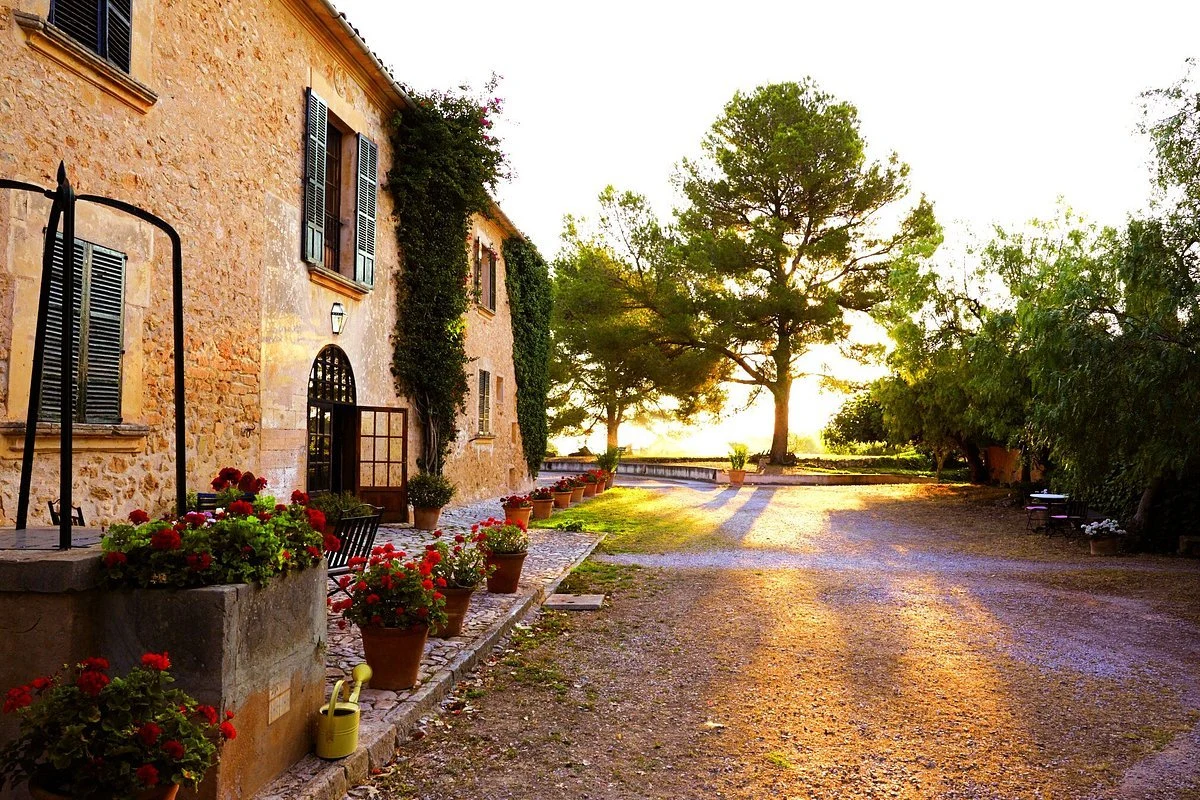
The estate sits in Algaida within Pla i Llevant, at 265 metres above the Mediterranean. That elevation matters because island wine is rarely just about sunshine; it is about moderation. Gravel, clay and sand soils meet sea-breeze influence, giving the wines a frame that suits still reds, whites and rosé rather than heavy-handed cellar work. The grape list makes the argument more clearly than any branding language could: Moll, Gorgollassa, Giró Ros, Callet and Manto Negro sit at the centre, with Syrah, Viognier and Cabernet Sauvignon also part of the wider vocabulary.
Native Mallorcan grapes carry the estate's strongest argument
Mallorca’s wine revival has often been read through rediscovery: old varieties, recovered planting methods and a move away from anonymous holiday-island pours. Here, that direction is concrete. Organic and biodynamic farming, hand harvesting and minimal-intervention winemaking place the vineyard ahead of the cellar as the source of identity. French oak appears in the ageing program, but the more interesting signal is restraint: oak as structure rather than disguise, native grapes as the main text.
The named bottlings include De La Finca, El Galgo, Gorgollassa and OM 500, all positioned around estate and local-variety expression. Gorgollassa is especially telling because a varietal bottling built around an indigenous grape makes a sharper editorial point than another polished international blend. It tells the drinker that Mallorcan wine is not merely a Mediterranean variation on a familiar global style; it has its own raw material, its own history and its own climatic logic.
That is why this estate fits better into a terroir conversation than a luxury-cellar conversation. The surrounding agricultural and forested setting is part of the proposition, not background decoration. Biodiversity, soil health and old planting methods are not abstract talking points when the portfolio depends on grapes that belong to the island’s agricultural memory. For travelers building a broader Spanish wine itinerary, the contrast with regions such as Ribera del Duero, Rioja or Castilla y León is instructive: Mallorca works on a smaller, more maritime scale, with freshness and local adaptation doing much of the work.
The tasting format favours context over counter service
The hospitality model is structured rather than casual drop-in. Visits are by reservation, with guided tasting formats that may include vineyard touring, estate grounds, historic buildings and tapas pairing. The listed tour duration runs 90 to 120 minutes, and the format can accommodate a minimum of 2 guests and up to 50, which places it in the small-to-medium group category rather than a purely private collector tasting. English, Spanish and German are listed for tours, a practical advantage in Mallorca’s international travel market.
Food pairing changes the way the wines are read. Tapas alongside biodynamic wines gives visitors a more local frame than bare pours at a bar, especially for grapes whose names may be unfamiliar even to confident drinkers. The experience is also family- and group-friendly, with good access signals including wheelchair access, step-free entrance, accessible parking, on-site parking and dog-friendly policy. The dress code is casual, which suits the estate setting: this is rural wine education, not a formal dining room transplanted into a vineyard.
Recognition here is visitor-led rather than trophy-led. The estate on a wine-tourism platform and is identified there as an organic producer. That kind of signal should be read for what it is: evidence of strong guest satisfaction and a clear tourism presence, not a substitute for medals or critic scores. The more persuasive credential remains the combination of age, farming method, native varieties and a guided format that explains why the wines taste of this part of Mallorca.
How to place it in an Algaida wine day
Algaida rewards a slower itinerary. A winery visit here works better when treated as a half-day anchor rather than a quick tasting between coastal plans. The rural setting, estate interpretation and tapas component all need time, and the 90- to 120-minute format is long enough to make rushed scheduling feel counterproductive. For travelers comparing local options, the wider Algaida wineries guide is the natural planning layer, while nearby food, hotel, bar and activity context sits in Our full Algaida restaurants guide, Our full Algaida hotels guide, Our full Algaida bars guide and Our full Algaida experiences guide.
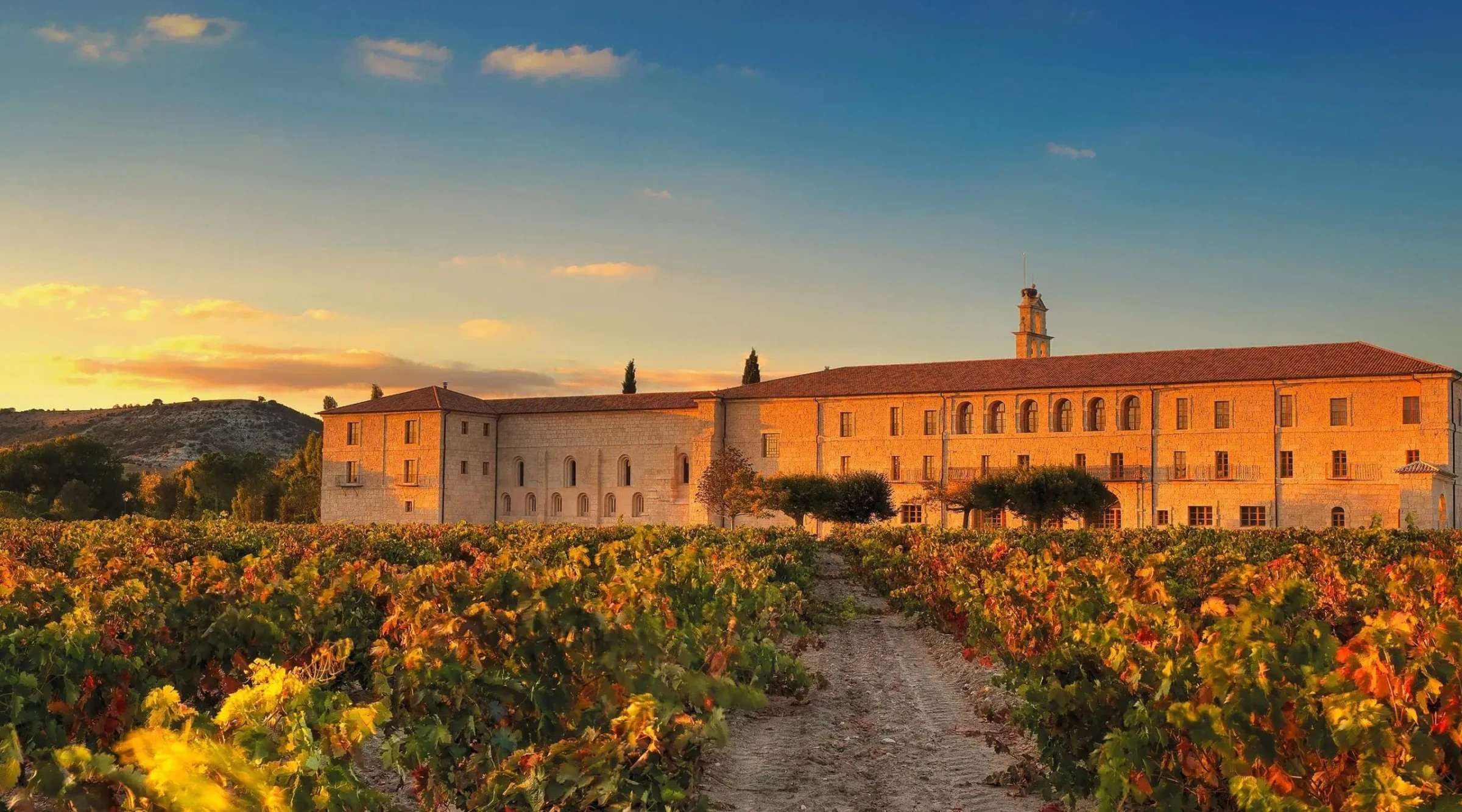
For a second local reference point, Can Majoral helps show how Algaida fits into Mallorca’s broader wine culture, though the appeal at Oliver Moragues is especially tied to historic estate continuity and native-variety farming. Travelers extending the wine map beyond the island can use 4Kilos Vinícola in Felanitx for another Mallorcan angle, then look outward to mainland and European producers such as 3 Ases Bodegas y Viñedos in Quintanilla De Arriba, Aalto Bodegas y Vinedos in Quintanilla De Onesimo Valladolid, Abadia de Aribayos in Moraleja Del Vino, Abadía Retuerta in Sardón de Duero, Abel Mendoza Monge in San Vicente de la Sonsierra, »der Steiner« Hans Steiner in Podersdorf am See and & Handwein in Mannheim. The useful comparison is not status; it is scale, climate and how each place translates land into wine.
Questions
Frequently asked
Who works at Bodegas Oliver Moragues?
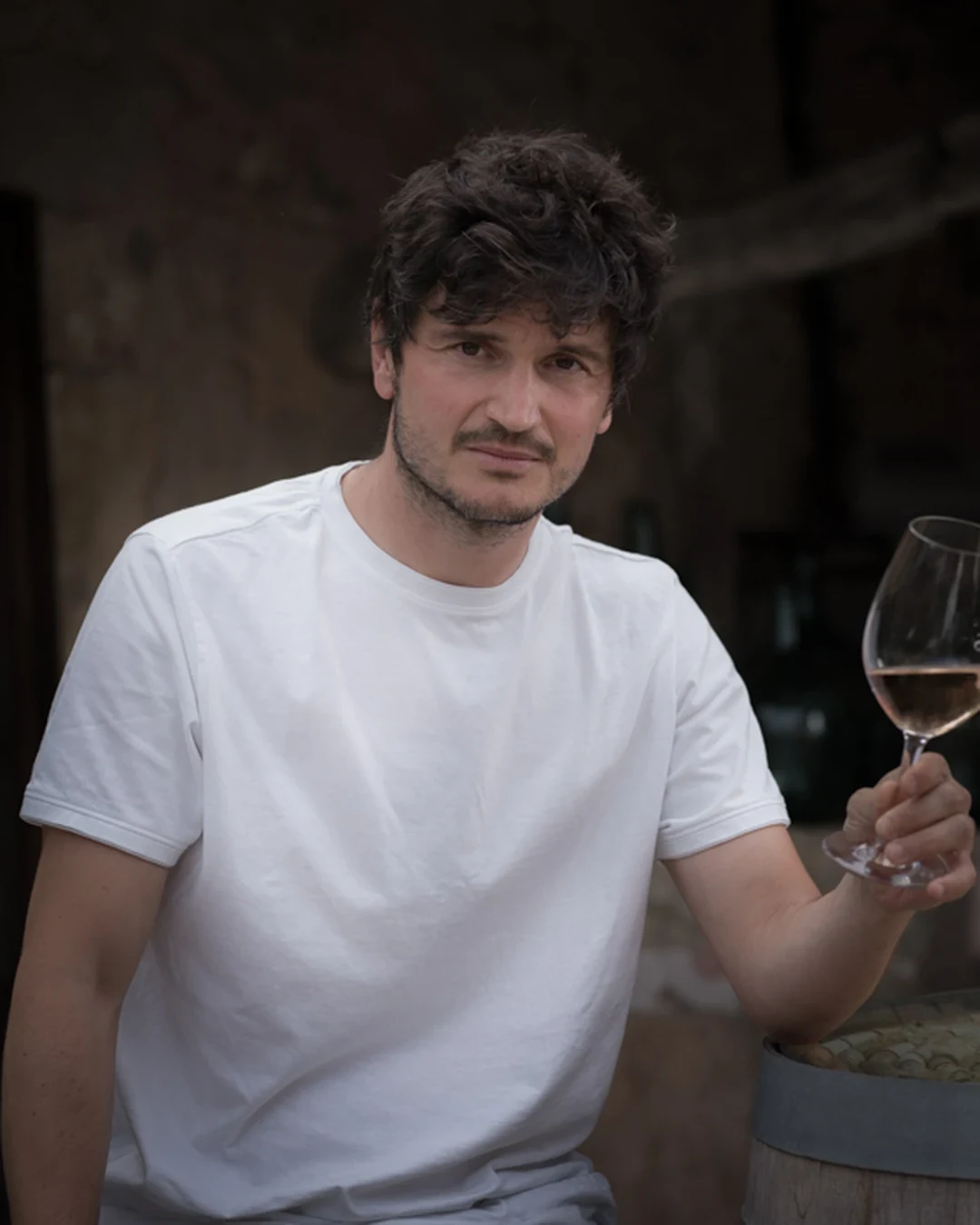
Made By profiles Carlos Moragues (Winemaker) at Bodegas Oliver Moragues.
How expensive is Bodegas Oliver Moragues?
Bodegas Oliver Moragues is listed at a price level of $$.
The field
How it compares
| Place | Notes | Awards |
|---|---|---|
| Bodegas Oliver Moragues | Algaida, $$ | · |
| Abadía Retuerta | Sardón de Duero | World's 50 Best |
| Can Majoral | Algaida | · |
| Château Smith Haut Lafitte | Martillac | World's 50 Best |
| Craggy Range | Hastings | World's 50 Best |
| Hundred Acre | Napa | · |
| La Rioja Alta | Haro | · |