Bolo
In Residence
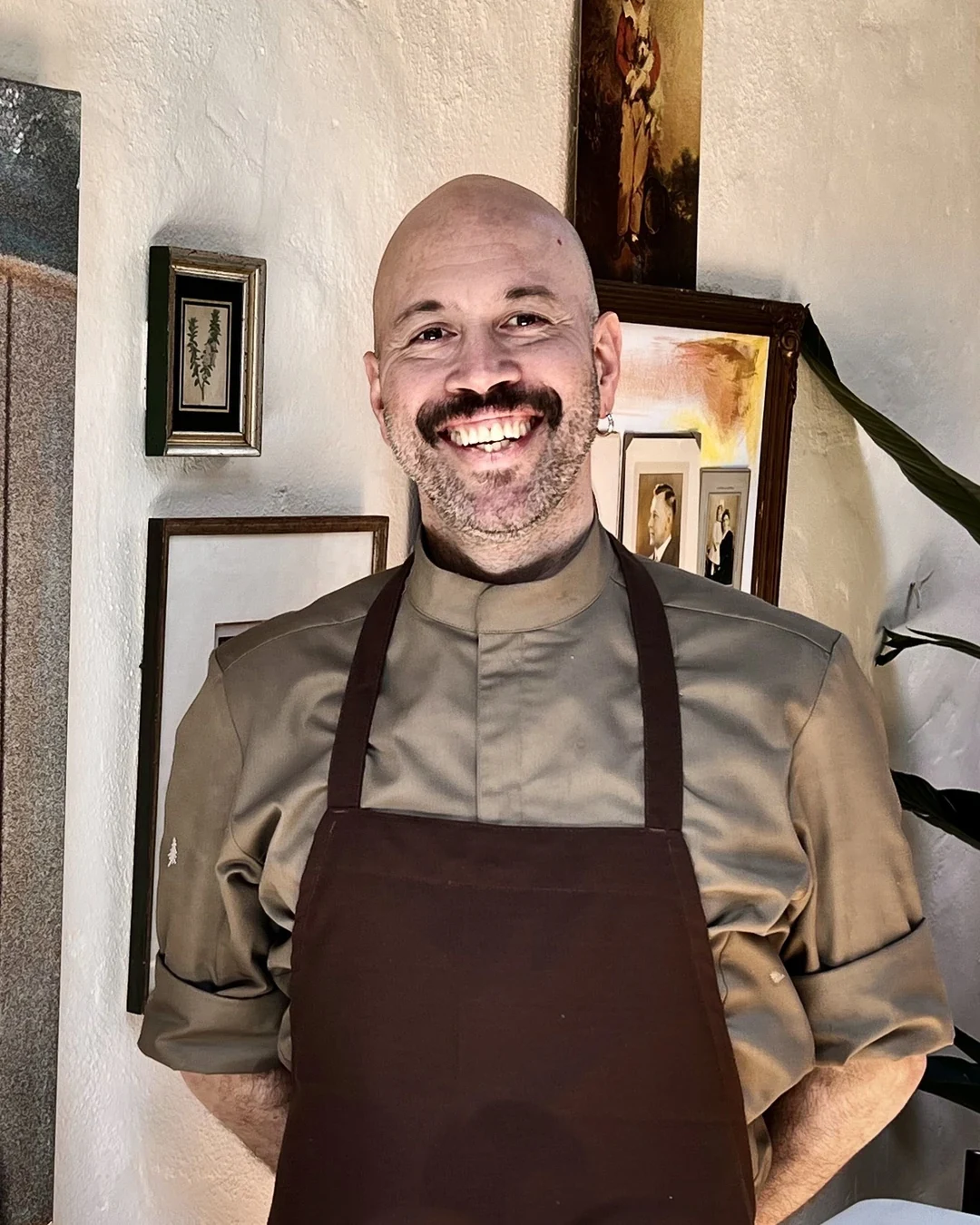
Yun Fuentes
Chef
- 01CuisineModern Puerto Rican & Caribbean
- 02CityPhiladelphia, United States
- 03RecognitionJames Beard Award
- James Beard Winner · James Beard Foundation
- James Beard Award Semi Finalist · 2025
Sansom Street and the Rittenhouse Dining Corridor
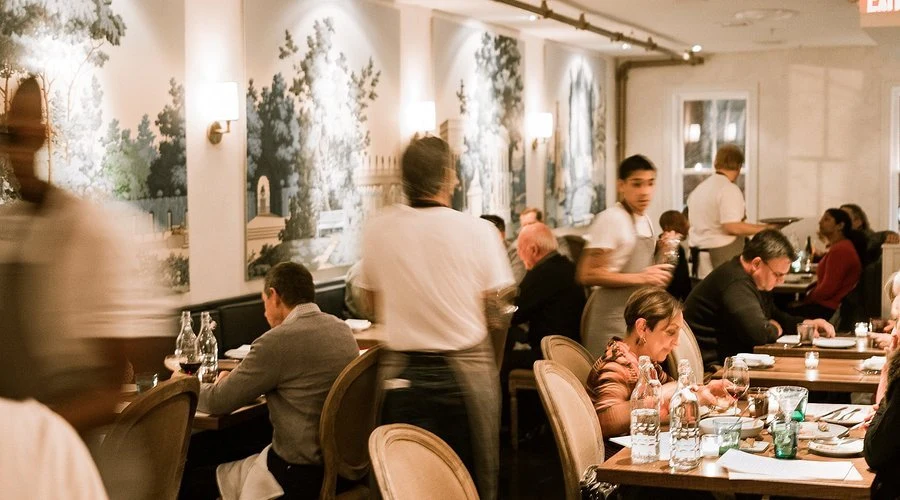
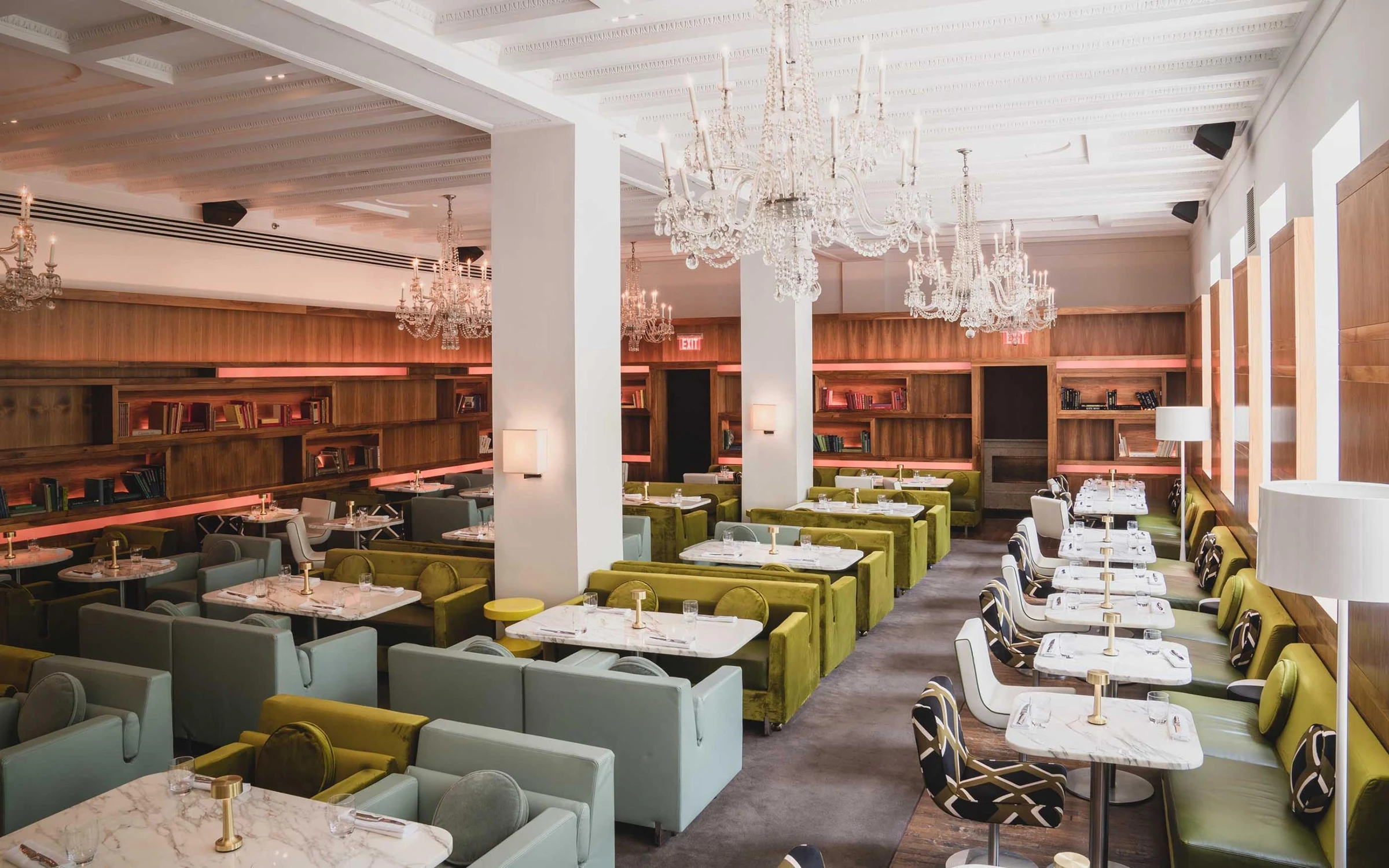
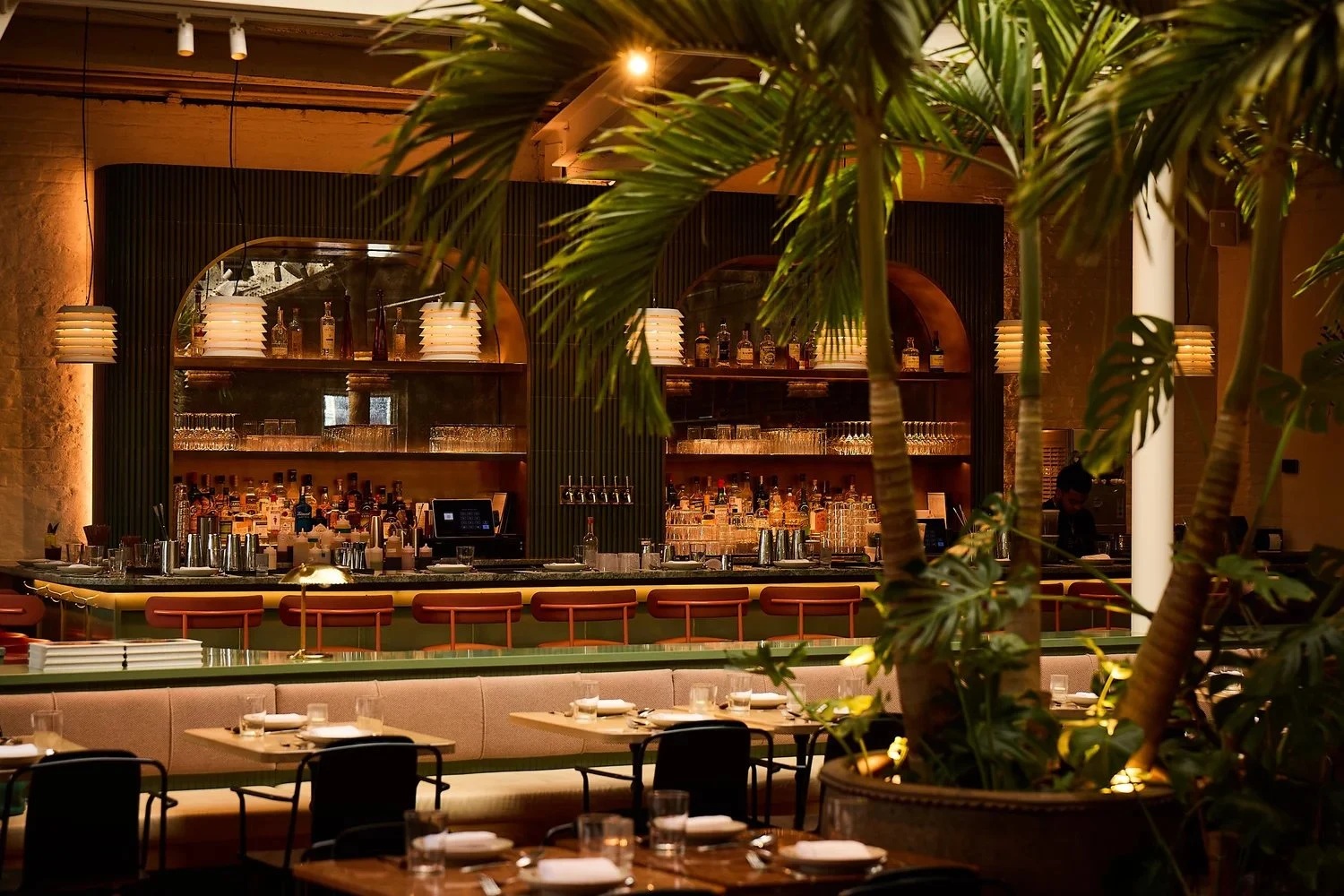
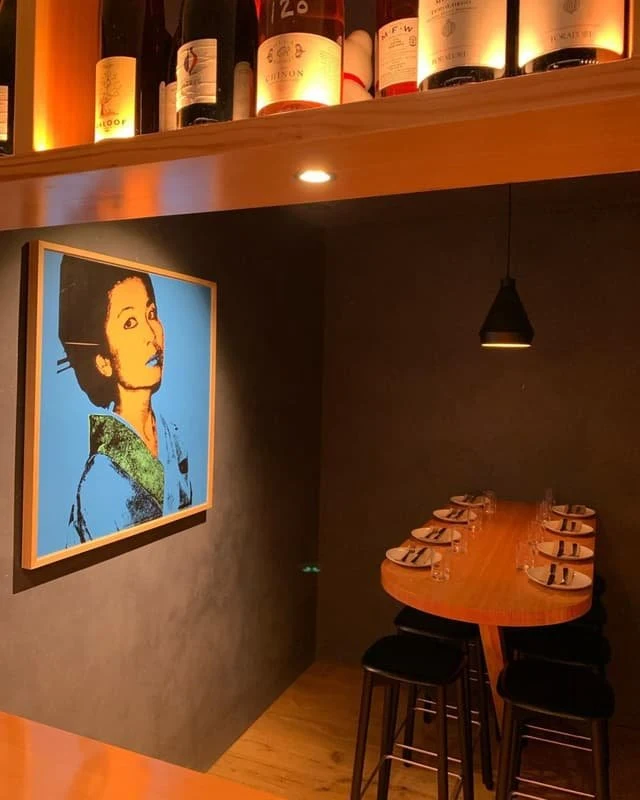
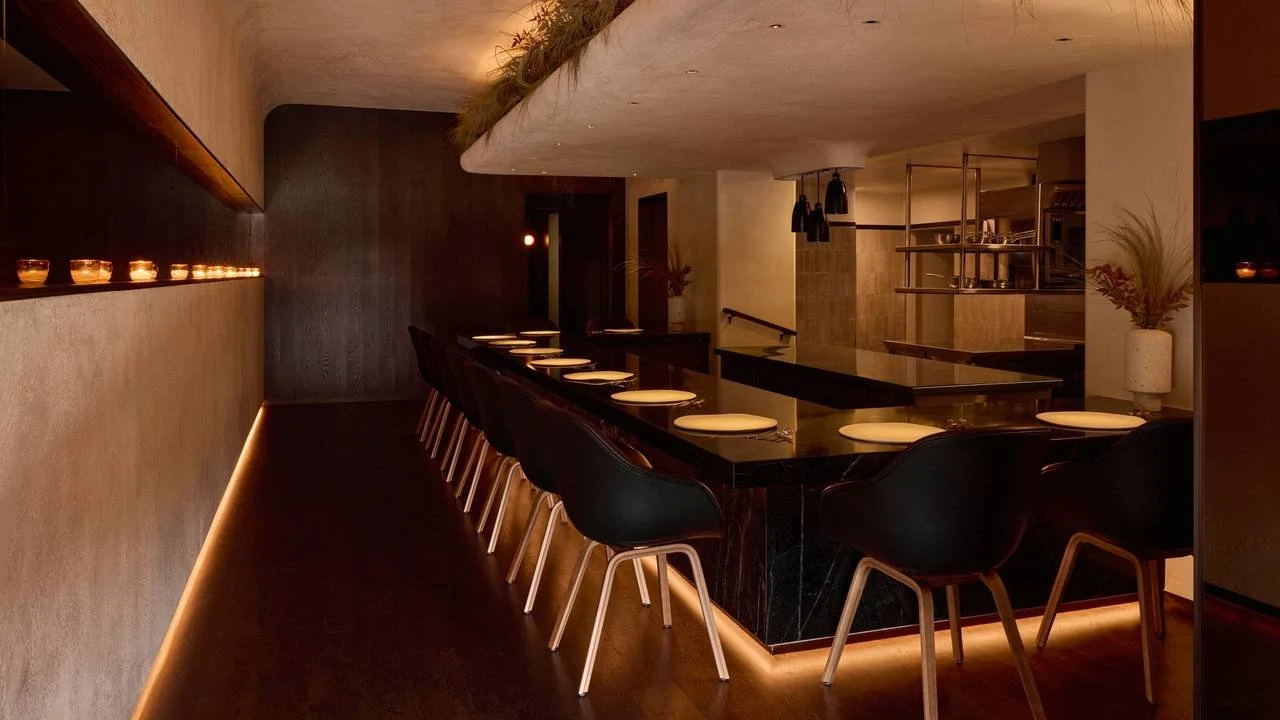
Philadelphia's Rittenhouse Square corridor has spent the better part of a decade consolidating its reputation as a key strip for serious independent dining. The blocks radiating south and west from the square, Sansom, Walnut, Spruce, now host a concentration of ambitious restaurants where the competitive pressure runs in both directions: kitchens pushing technique, and front-of-house programs responding with service formats that match. Bolo, at 2025 Sansom St, sits squarely inside this cluster, in a neighbourhood where guests arrive with calibrated expectations and where the wine program is a differentiator as much as the plate.
That context shapes how a wine-forward operation positions itself in Philadelphia specifically. Unlike cities where sommelier-led dining is concentrated in hotel properties or long-established fine dining institutions, Philadelphia's independent scene has produced a cohort of restaurants where beverage curation lives at the same level as the kitchen program. Peers like Friday Saturday Sunday and Fork have both built reputations that extend well beyond the plate, and the Sansom Street address places Bolo in direct conversation with that tradition.
Wine as the Primary Lens
In American cities where the restaurant wine list has historically functioned as an afterthought, the emergence of genuinely curated cellars has reshaped the competitive conversation. Philadelphia is not New York or San Francisco, but that works in its favour: bottle prices tend to stay lower, the sommelier-to-guest ratio in independent rooms is more generous, and the absence of the trophy-wine culture that dominates coastal mega-markets means lists can be built around character rather than trophy labels.
A well-constructed cellar in this tier of the Philadelphia market typically draws from Old World producers working at the appellation level rather than the château level, Burgundy négociants with strong regional sourcing, Loire producers fermenting on native yeasts, Northern Rhône addresses that remain under international radar despite consistent quality. The curation philosophy that distinguishes the stronger programs in this part of the city tends toward specificity over breadth: a shorter list built around producers the team can speak to in depth, rather than a comprehensive document that signals effort through volume alone.
American fine dining has increasingly moved toward this model. Restaurants like Le Bernardin in New York City and The French Laundry in Napa set the benchmark for cellar depth in the institutional sense, decades of acquisition, vertical holdings, allocated producers. What smaller independent rooms like those along Sansom Street can offer instead is agility: lists that change faster, feature younger producers being championed before they reach allocation status, and pair a lower average bottle price with a higher level of staff knowledge per label.
The Philadelphia Independent Scene in 2024
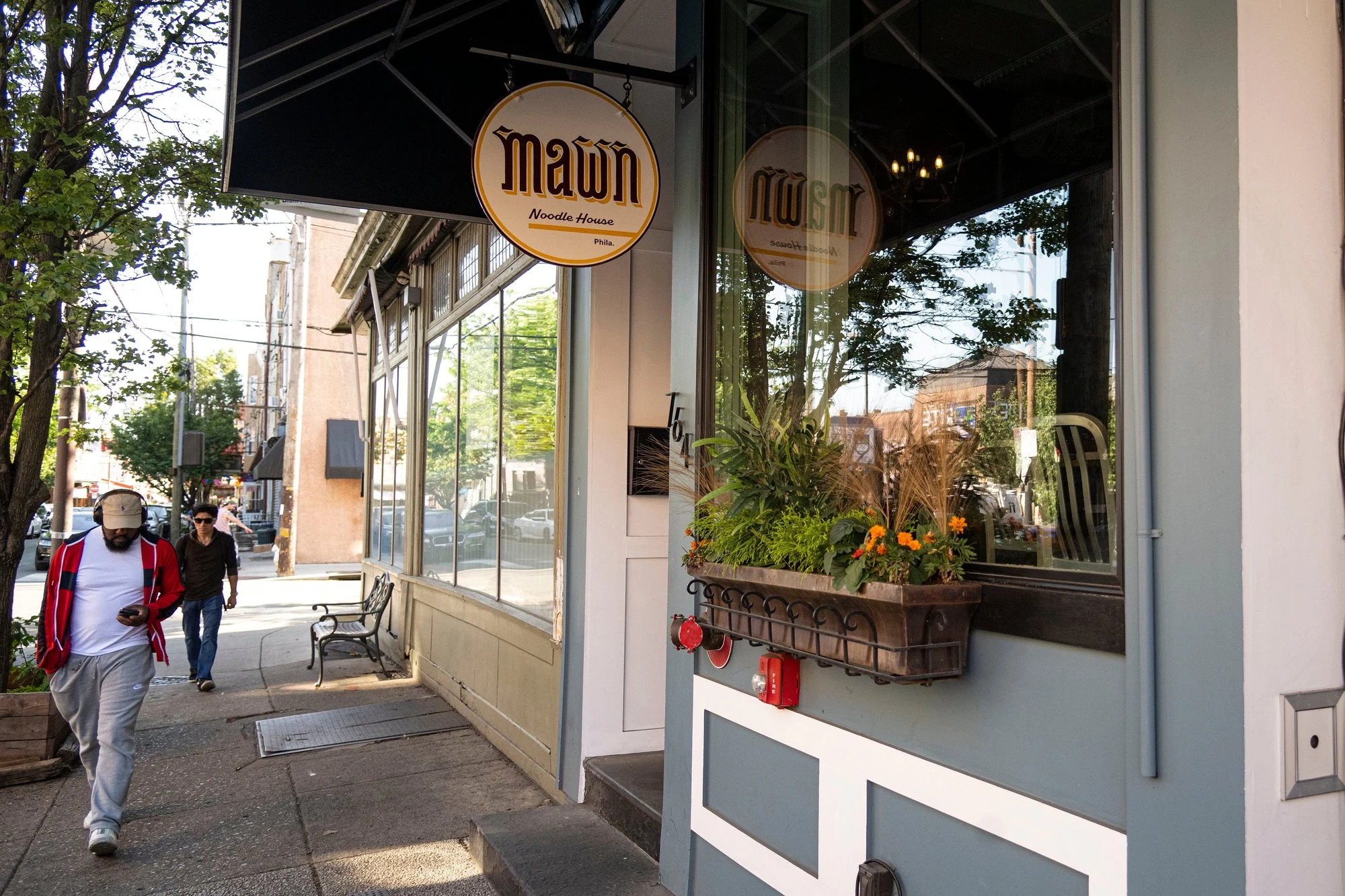
Philadelphia's dining identity has shifted materially over the past five years. The city now appears in conversations alongside Chicago, Los Angeles, and San Francisco when critics discuss American cities where serious, independent, non-hotel-backed restaurants operate at a consistently high level. That shift is visible in the range of what Sansom Street alone can field. My Loup, with its French-inspired format, and Mawn, working Cambodian and Pan-Asian references, represent the breadth that now exists within a short walk of any Rittenhouse address. Further out, South Philly Barbacoa demonstrates how Philadelphia's best-regarded restaurants now come from every price tier and cultural tradition, not only from the white-tablecloth cohort.
Within that context, a restaurant oriented around wine curation occupies a specific lane. The guest who arrives with a list of producers they want to find, or, more pointedly, the guest who arrives without a list and wants to be guided with genuine specificity, is a guest this corridor is well set up to serve. The cities that have done this most effectively tend to have independent restaurants with low sommelier turnover and deep institutional memory about the cellar. Programs like those at Smyth in Chicago and Lazy Bear in San Francisco illustrate what that looks like at the national level. Philadelphia's version is lower-profile but building steadily.
Wine-forward independent restaurants increasingly differentiate not just on list content but on the format of the wine experience itself: producer-focused by-the-glass programs, pairing options built around the cellar, and pre-dinner communication about allocation arrivals or specific bottle recommendations. Comparable programs at Providence in Los Angeles, Addison in San Diego, Single Thread Farm in Healdsburg, and Blue Hill at Stone Barns in Tarrytown show how different institutions have approached this at different scales. Internationally, Atelier Moessmer Norbert Niederkofler in Brunico represents the European end of the same conversation, where the cellar is as compositionally considered as the tasting menu. Restaurants like Atomix in New York City, The Inn at Little Washington, and Emeril's in New Orleans each illustrate distinct models for how American fine dining handles the relationship between cellar depth and overall program identity.
Know Before You Go
Planning Details
Questions
Frequently asked
What recognition does Bolo hold?
Bolo holds a James Beard award.
Who works at Bolo?
Made By profiles Yun Fuentes (Chef) at Bolo.
How expensive is Bolo?
Bolo is listed at a price level of $$$.
Where is Bolo and what does it serve?
Bolo is in Rittenhouse Square, Philadelphia, serving Modern Puerto Rican & Caribbean.
The field
How it compares
| Place | Awards | Cuisine | Notes |
|---|---|---|---|
| Bolo | James Beard | Modern Puerto Rican & Caribbean | Rittenhouse Square, $$$ |
| Friday Saturday Sunday | Michelin 1 Star, World's 50 Best | Modern American Tasting Menu | Philadelphia |
| Her Place Supper Club | Michelin 1 Star | Seasonal French-Italian Fine Dining | Philadelphia |
| Kalaya | World's 50 Best | Southern Thai | Philadelphia |
| Mawn | · | Modern Cambodian Noodle House | Philadelphia |
| Pizzeria Beddia | · | Exceptional Neapolitan-Style Pizza | Philadelphia |
| Provenance | Michelin 1 Star | Modern French-Korean Fine Dining | Philadelphia |
In residence
Similar places
Modern American Tasting Menu
Friday Saturday Sunday
Philadelphia, United States
★ · 50 Best
Seasonal French-Italian Fine Dining
Her Place Supper Club
Philadelphia, United States
★
Southern Thai
Kalaya
Philadelphia, United States
50 Best
Modern Cambodian Noodle House
Mawn
Philadelphia, United States
Exceptional Neapolitan-Style Pizza
Pizzeria Beddia
Philadelphia, United States
Modern French-Korean Fine Dining
Provenance
Philadelphia, United States
★