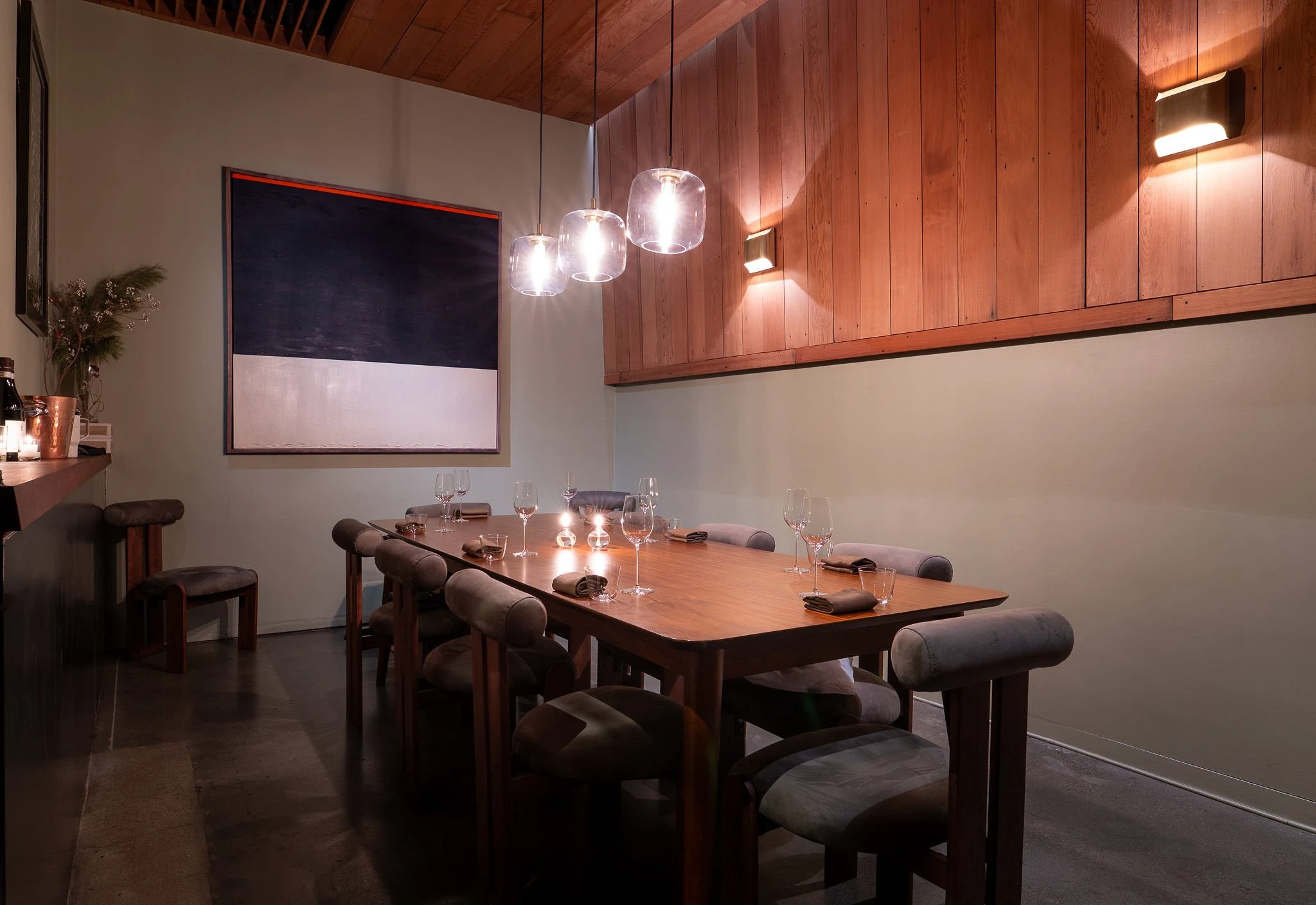
Bosco
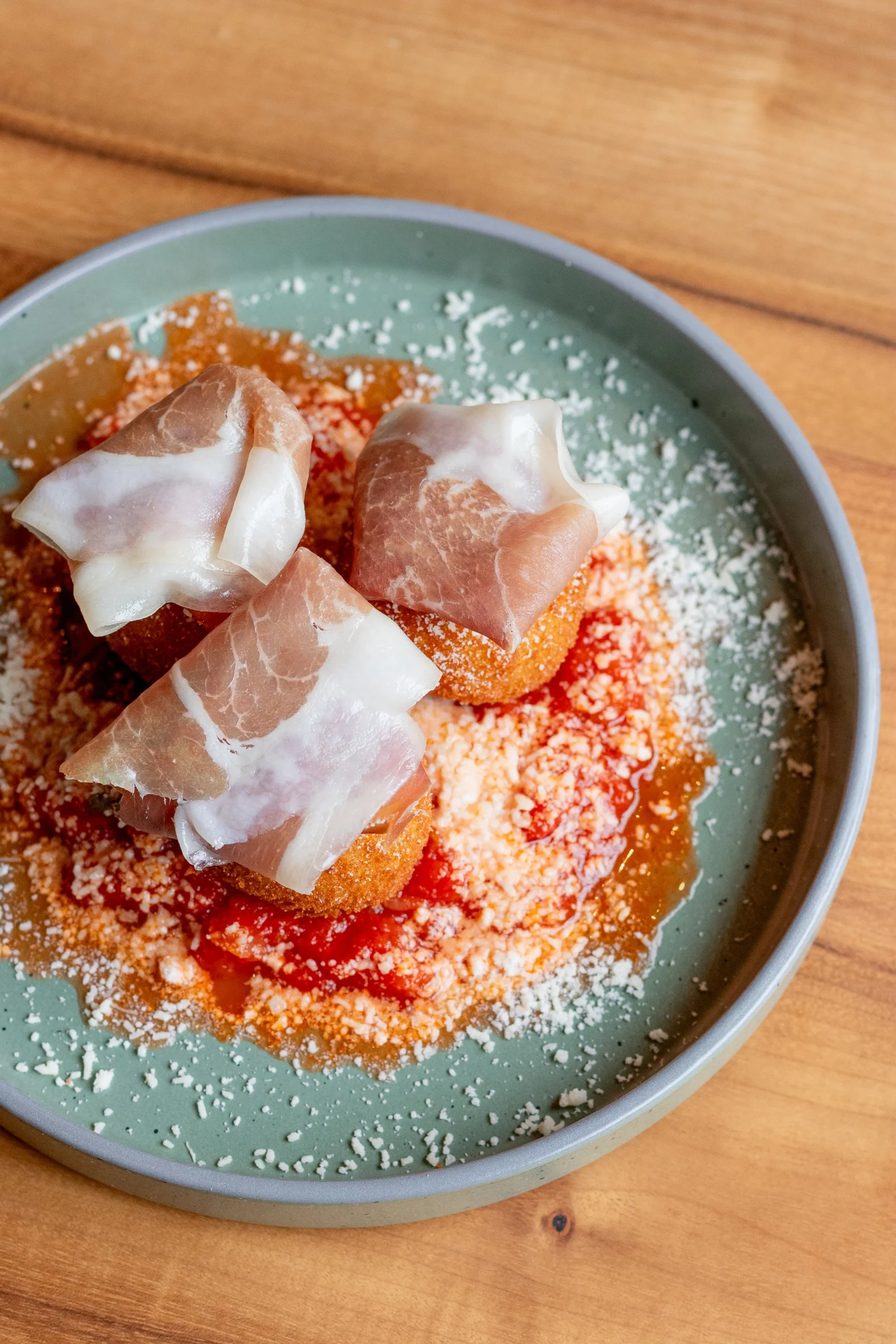
In Residence
Michael Goss
Beverage Director
- 01CuisineWood-Fired Italian
- 02CitySan Francisco, United States
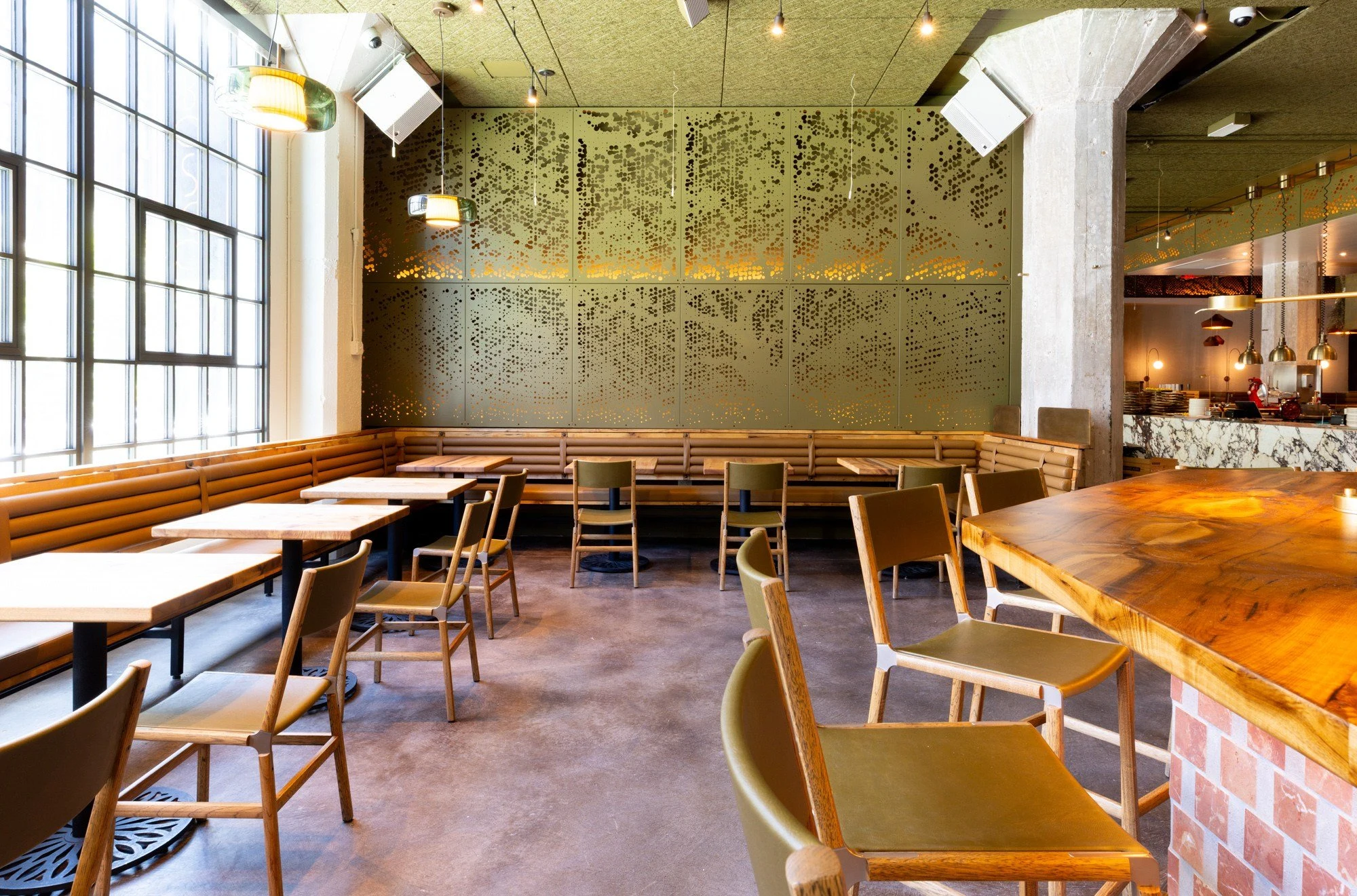
Brannan Street and the Sourcing Question
SoMa's restaurant corridor along Brannan Street has become one of the more interesting stretches in San Francisco dining precisely because it sits at a remove from the tourist circuits of the Ferry Building and North Beach. The neighbourhood draws a crowd that arrives with purpose, and the kitchens that have survived here tend to share a particular seriousness about provenance. Bosco is a Wood-Fired Italian restaurant at 888 Brannan St, San Francisco, CA 94103, with a $75 price point. In a city where the ingredient-sourcing conversation began decades before it became a national talking point, a SoMa address carries implicit expectations about supply chains, producer relationships, and the distance between farm and plate.
That conversation is worth contextualising. California's position as both an agricultural state and a dining destination is not incidental. The Central Valley, the coastal farms of Marin and Sonoma, the fishing docks at Bodega Bay and Half Moon Bay, these are not poetic abstractions but actual supply networks that the leading San Francisco kitchens have formalised into something resembling a sourcing infrastructure. Restaurants like Saison built their entire identity around direct producer relationships, and Lazy Bear has consistently framed its Progressive American cooking in terms of what is available rather than what is planned. Bosco enters that tradition by geography and by the expectations the address sets.
The Ingredient-First Logic of California Fine Dining
To understand where Bosco sits, it helps to understand how San Francisco's fine dining tier has developed its sourcing identity. The Alice Waters effect, the idea that a restaurant's first obligation is to its producers rather than its menu, has been absorbed so thoroughly into Bay Area cooking culture that it is now structural rather than philosophical. It shows up in prix-fixe formats that change with what arrived that morning, in the handwritten chalkboards listing farm names alongside dish descriptions, in the deliberate avoidance of imported luxury ingredients when local equivalents exist.
At the top of the market, Atelier Crenn has worked with a certified organic farm in Sonoma that supplies directly to the kitchen, removing the distributor layer entirely. Benu takes a different approach, threading Korean and Chinese culinary references through California ingredients in a way that makes sourcing a conceptual tool rather than a marketing point. Quince has maintained relationships with Italian and Californian producers simultaneously, building a menu that treats the state's agricultural abundance as equivalent in ambition to European terroir. These are not interchangeable approaches, but they share a commitment to ingredient traceability that defines the city's premium tier.
Nationally, the same logic appears at Blue Hill at Stone Barns in Tarrytown, where the restaurant operates from its own farm, and at SingleThread Farm in Healdsburg, which runs a farm, inn, and restaurant as a single vertically integrated operation. The pattern is consistent: the most rigorous sourcing programs tend to compress the distance between production and service to the point where the supply chain becomes visible on the plate.
SoMa as a Dining Neighbourhood
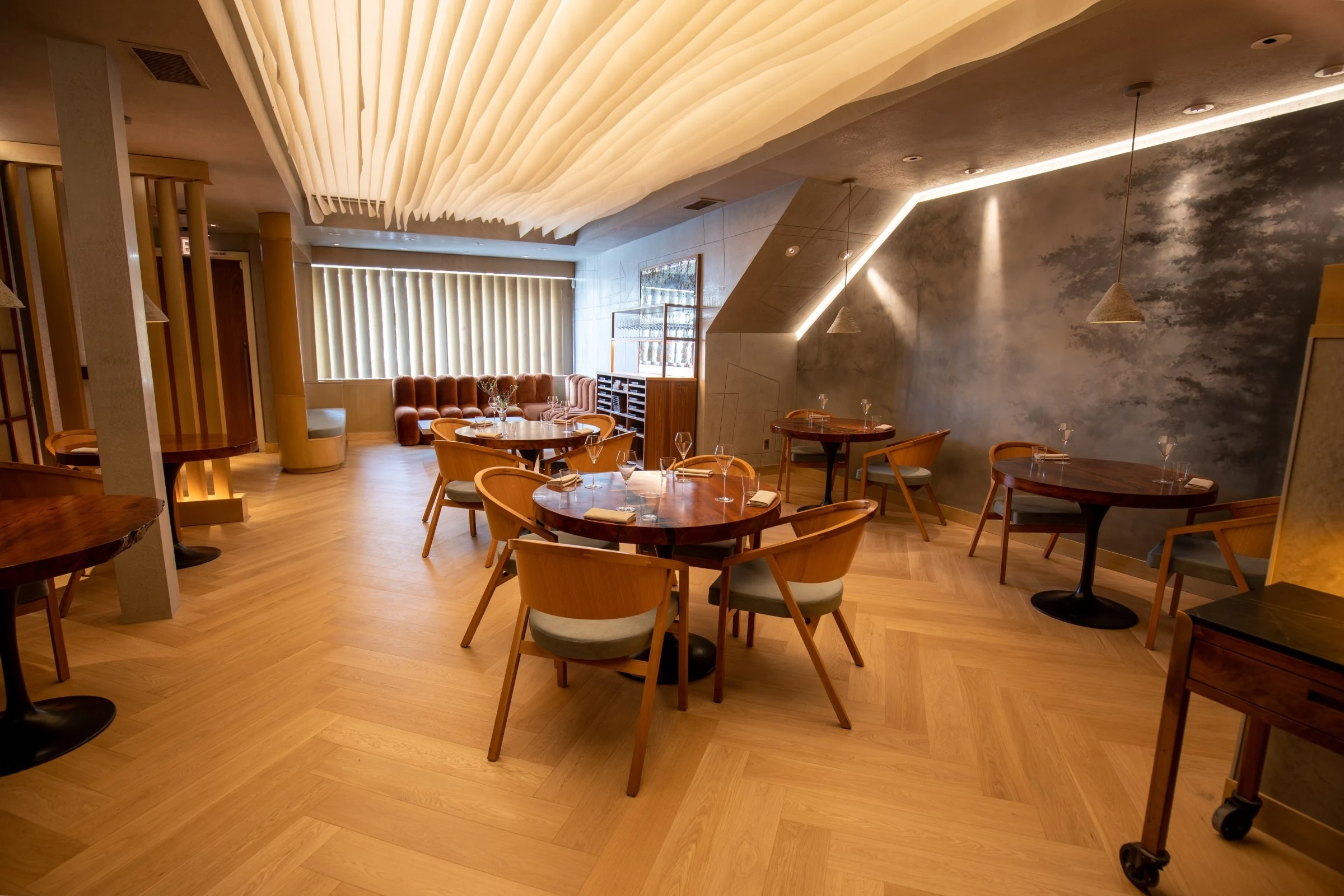
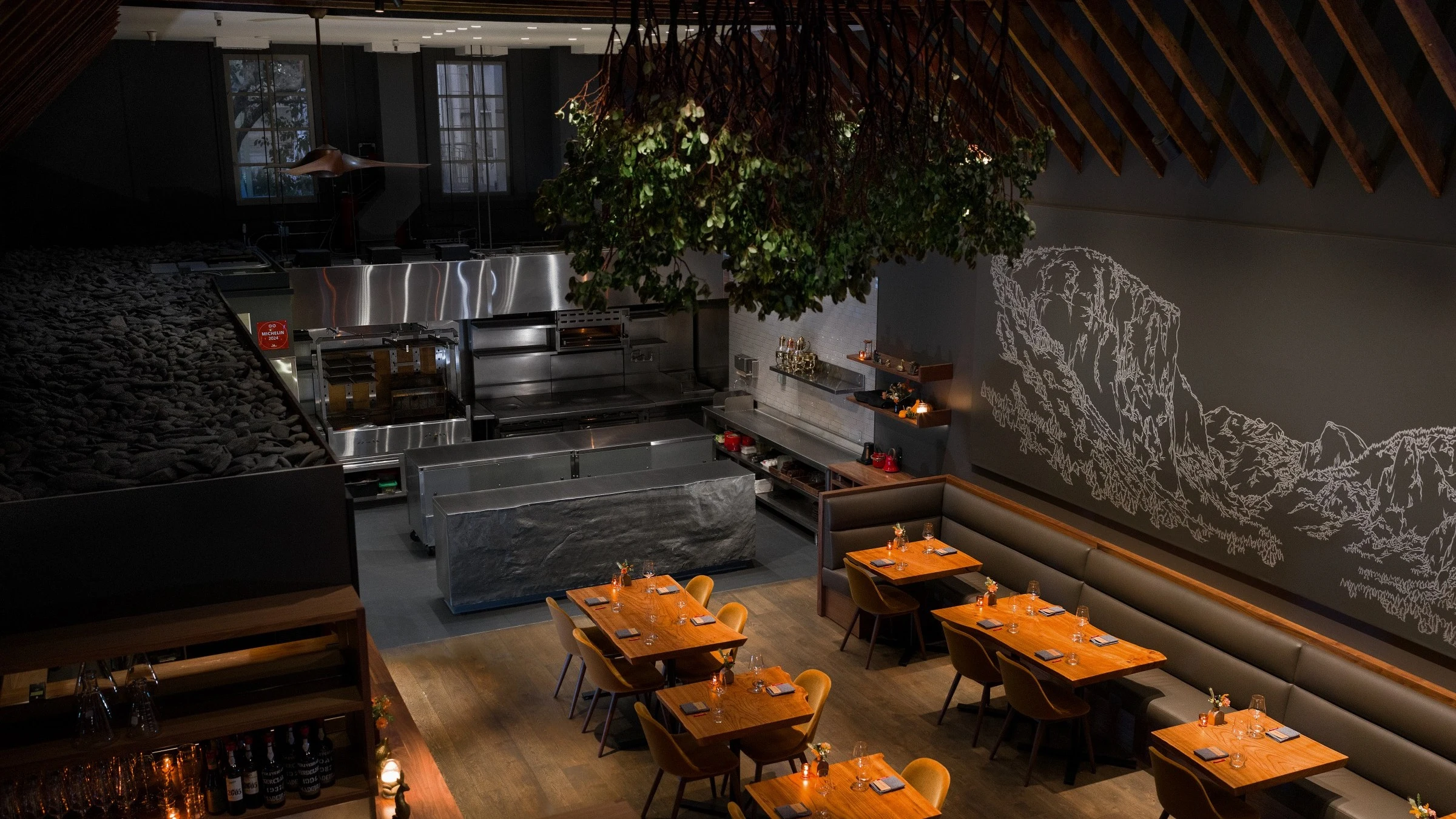
The South of Market district has undergone several waves of change since the first wave of tech-era development. What has persisted is a tolerance for serious restaurants in spaces that do not perform as destinations in the conventional sense. There are no scenic views, no heritage architecture doing the work of atmosphere. What SoMa venues typically offer instead is focus: the room exists to serve the food, and the food exists to justify the room. That stripped-back logic suits sourcing-driven kitchens, which tend to resist decorative distraction.
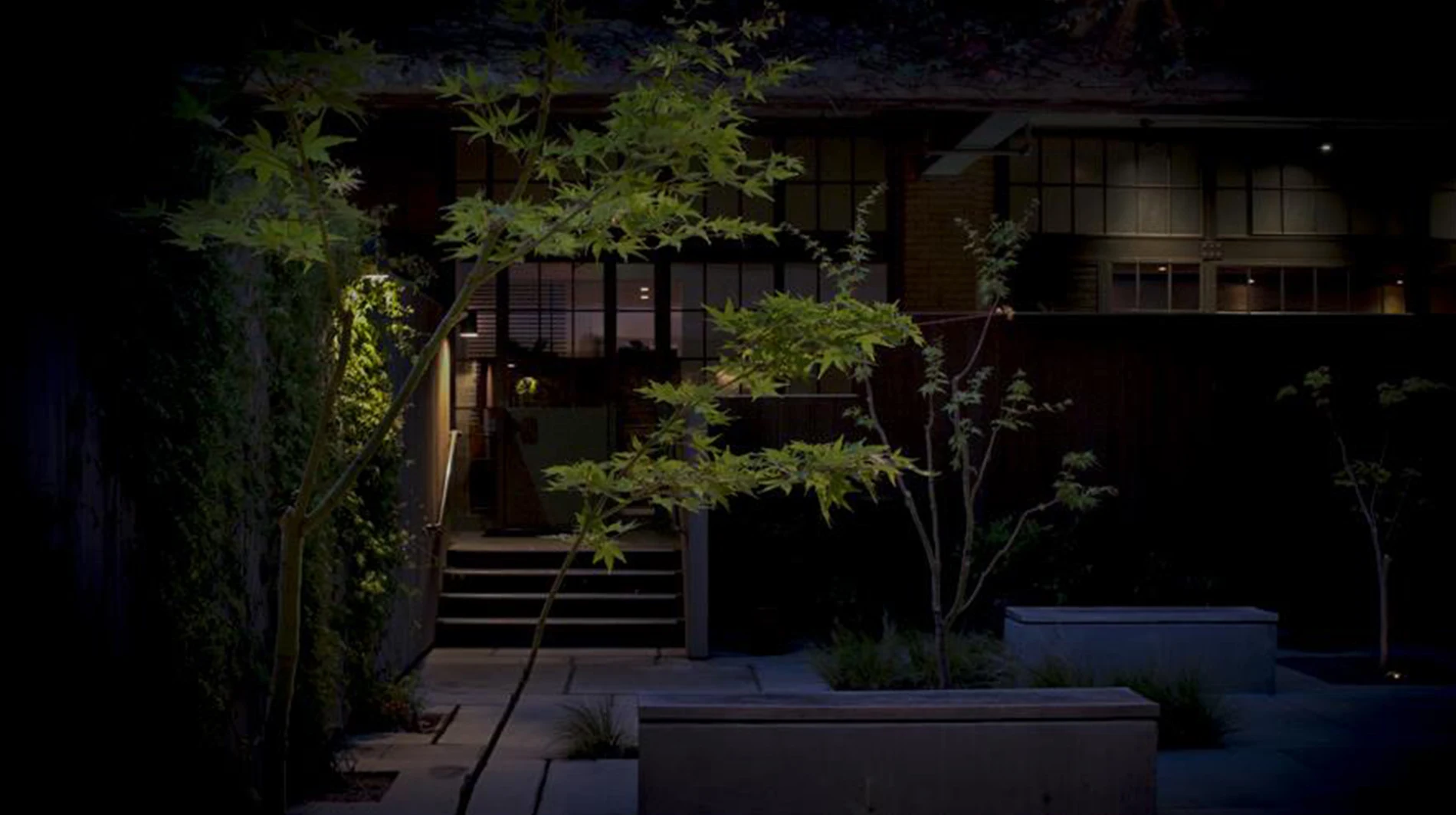
Arriving at 888 Brannan St, the surrounding context is warehouse conversion and mid-rise residential, the kind of block that rewards diners who already know where they are going. This is not unusual for the tier. Smyth in Chicago operates on a similar principle, a West Loop address that requires intention to find, inside a room that communicates its priorities through restraint rather than spectacle. Addison in San Diego and Providence in Los Angeles both demonstrate that California's fine dining geography has never been confined to landmark addresses.
Placing Bosco in the comparable set
San Francisco's upper dining tier runs heavily toward prix-fixe formats at the $$$$ price point, with peer venues including Lazy Bear, Atelier Crenn, Benu, Quince, and Saison all operating at equivalent pricing and commitment levels. The table below maps Bosco against that comparable set on the logistics most relevant to planning a visit.
| Venue | Cuisine | Price Range | Format | Location |
|---|---|---|---|---|
| Bosco | TBC | TBC | TBC | SoMa, SF |
| Lazy Bear | Progressive American | $$$$ | Ticketed dinner party | Mission, SF |
| Atelier Crenn | Modern French | $$$$ | Tasting menu | Cow Hollow, SF |
| Benu | French-Chinese | $$$$ | Tasting menu | SoMa, SF |
| Quince | Italian Contemporary | $$$$ | Tasting menu | Jackson Square, SF |
| Saison | Progressive American | $$$$ | Hearth-driven tasting | SoMa, SF |
For Diners Considering the Broader California Circuit
San Francisco sits within a wider California and national sourcing-driven dining circuit that includes The French Laundry in Napa, SingleThread in Healdsburg, and Providence in Los Angeles. Beyond California, the ingredient-provenance conversation extends to Le Bernardin in New York City, Atomix's precision-sourced Korean tasting menu, and internationally to Atelier Moessmer Norbert Niederkofler in Brunico, where the Alpine sourcing philosophy has become as codified as any California model. Emeril's in New Orleans and Frasca Food and Wine in Boulder represent different regional takes on the same underlying question: what does the food tell you about where you are? The Inn at Little Washington adds a Virginia terroir dimension to that national picture. For a full account of where Bosco sits among San Francisco's dining options, see our full San Francisco restaurants guide.
Planning a Visit
Bosco is located at 888 Brannan St, San Francisco, CA 94103. Bosco is recommended for reservations. It is open Tuesday through Thursday from 5 to 9 PM, Friday and Saturday from 5 to 10 PM, and closed Monday and Sunday.
Questions
Frequently asked
Who works at Bosco?
Made By profiles Michael Goss (Beverage Director) at Bosco.
How expensive is Bosco?
Bosco is listed at a price level of $$$$.
Where is Bosco and what does it serve?
Bosco is in South of Market, San Francisco, serving Wood-Fired Italian.
The field
How it compares
| Place | Cuisine | Notes | Awards |
|---|---|---|---|
| Bosco | Wood-Fired Italian | South of Market, $$$$ | · |
| Atelier Crenn | Contemporary French Fine Dining | San Francisco | Michelin 3 Stars, World's 50 Best |
| Benu | Modern Asian Fusion Fine Dining | San Francisco | Michelin 3 Stars, World's 50 Best |
| Lazy Bear | Modern American Tasting Menu | San Francisco | Michelin 2 Stars, World's 50 Best |
| Quince | Modern French Fine Dining | San Francisco | Michelin 3 Stars, World's 50 Best |
| Saison | Modern Fire-Forward Fine Dining | San Francisco | Michelin 2 Stars, World's 50 Best |
| Sons & Daughters | New Nordic Fine Dining | San Francisco | Michelin 2 Stars, World's 50 Best |
In residence
Similar places
Contemporary French Fine Dining
Atelier Crenn
San Francisco, United States
★★★ · 50 Best
Modern Asian Fusion Fine Dining
Benu
San Francisco, United States
★★★ · 50 Best
Modern American Tasting Menu
Lazy Bear
San Francisco, United States
★★ · 50 Best
Modern French Fine Dining
Quince
San Francisco, United States
★★★ · 50 Best
Modern Fire-Forward Fine Dining
Saison
San Francisco, United States
★★ · 50 Best
New Nordic Fine Dining
Sons & Daughters
San Francisco, United States
★★ · 50 Best