Botto Vini
- 01CityRicaldone, Italy
- Falstaff Winery - Listed · 2026
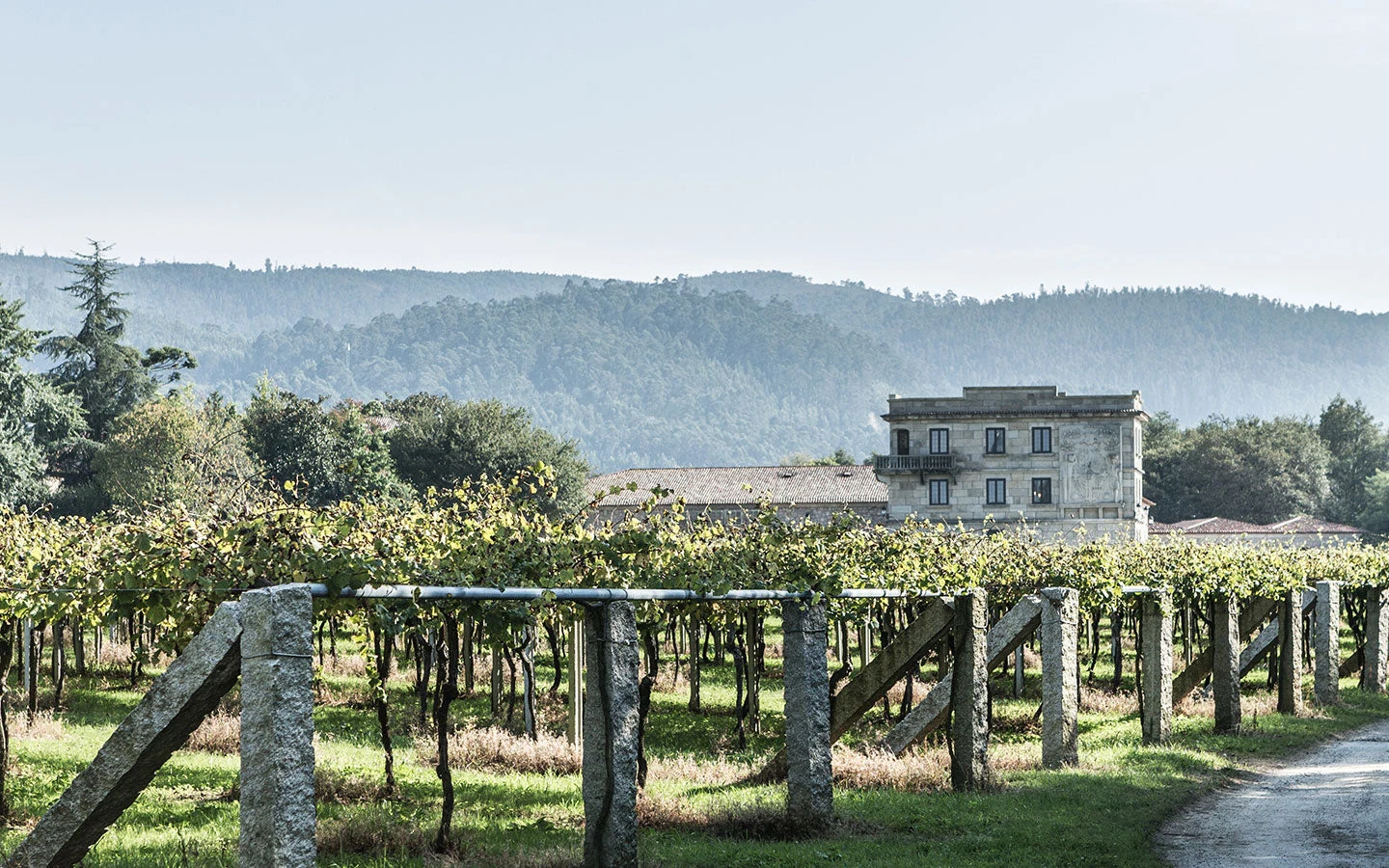
Approaching wine country around Ricaldone, the scale changes quickly. Piedmont’s grander names often trade in château formality and collector language; Alto Monferrato works more quietly, through slopes, farm roads, convent memory, and native grapes that read the soil before they read the cellar. Botto Vini belongs to that second register: a family winery where the physical setting matters because the wines are presented as an argument for place.
The surrounding vineyard zone sits within the UNESCO-recognised Langhe-Roero and Monferrato landscape, a designation that matters less as a badge than as a reminder of how old this agricultural pattern is. Terraces, mixed soils, small communes, and cellar traditions are not decorative context here. They are the working grammar of the region. For travellers using Ricaldone as a base, our full Ricaldone wineries guide gives the broader local frame, while our full Ricaldone restaurants guide, our full Ricaldone hotels guide, our full Ricaldone bars guide, and our full Ricaldone experiences guide help build the rest of the trip around the cellar visit.
Alto Monferrato in the glass: native grapes before cellar theatre
Monferrato’s identity is not built around a single international calling card. Its strength is the layering of local varieties and small-site expression, especially Barbera, Dolcetto, Ruchè, Grignolino, and Moscato d’Asti. Botto Vini’s planted and bottled focus leans into that regional vocabulary, with Barbera and Dolcetto clearly central and a wider portfolio that includes still red, still white, rosé, sparkling, and dessert styles.
The estate works across multiple vineyard sites in Ricaldone, Cassine, and Strevi, a useful detail because Monferrato is not a flat, uniform appellation. Small shifts in exposure, clay, limestone, sand, and altitude change the way acidity, fruit weight, and tannin show themselves. The winery manages 8 hectares of vineyards, including 6.30 hectares classified under DOCG denomination, placing it firmly in the family-estate scale rather than the industrial-production category.
That scale also explains the appeal. In regions where cellar visits can become polished performances, this format is closer to agricultural interpretation: vines first, cellar second, glass last. The modern winery dates to 1994, but the family viticultural line runs over five generations, which gives the visit a longer arc without needing to turn the family story into the whole point. The more interesting lesson is how a contemporary Ricaldone cellar handles inherited Monferrato material without sanding away its local character.
A convent thread, a modern cellar, and the slower rhythm of rural tasting
The experience is shaped by a contrast that feels specific to this corner of Piedmont: historic convent spaces linked to the Convento dei Cappuccini on one side, and a modern cellar in Ricaldone on the other. That combination is not unusual in European wine regions, where agricultural history and updated cellar technology often sit close together, but it has particular force in Monferrato because religious houses played a meaningful role in preserving viticultural practice.
Botto Vini uses that thread through its hospitality format, moving the visitor’s attention from heritage to vineyard to cellar rather than treating the tasting room as the whole event. The house style is relaxed and countryside-led, with local food pairings playing a supporting role rather than turning the visit into a restaurant substitute. Salami, cheeses, focaccia, and breadsticks are the right kind of companions for this category of tasting: practical, regional, and built to let acidity and structure do their work.
The mood is conversational rather than ceremonial. This is useful for mixed groups, especially travellers who want wine education without the stiff choreography that can come with more formal tasting rooms. Outdoor space, vineyard views, and a rural hillside setting give the visit its pacing. The winery is also dog-friendly and set up with on-site parking and accessible parking, details that matter in a countryside itinerary where public-transport assumptions rarely hold.
Why this Ricaldone cellar matters in a Piedmont itinerary
Piedmont travel often gets narrowed to the headline appellations, but that approach misses how much of the region’s drinking culture depends on less theatrical areas. Alto Monferrato is useful precisely because it gives context: Barbera beyond the bottle-shop shorthand, Dolcetto outside the restaurant by-the-glass role, and a working sense of how small communes sustain wine traditions without needing luxury signalling.
Botto Vini fits travellers who want a vineyard-to-cellar format anchored in terrain, not collectors chasing trophy labels. The main draw is the combination of family continuity, native grape emphasis, and the UNESCO-listed agricultural setting. The cellar’s sustainable production philosophy adds another relevant layer, especially in a region where soil health and hillside farming are not abstract themes but daily operating conditions.
For a wider Italian winery itinerary, it helps to place Ricaldone alongside other regional expressions rather than rank them. Veneto, Puglia, Tuscany, Campania, Sicily, Austria, and Germany all answer different questions about scale, grape identity, and hospitality. Useful cross-reading includes 3GP SRL in Treviso, 47 Anno Domini in Trebaseleghe, A Mano Wine in Noci, a6mani in Fragagnano, Abbadia Ardenga in Torrenieri, Abbazia di Crapolla in Neapel, Abbazia Monte Oliveto in Asciano, Abbazia Santa Anastasia in Castelbuono, »der Steiner« Hans Steiner in Podersdorf am See, and & Handwein in Mannheim.
The editorial verdict is simple: choose this address when the point of the day is to understand Monferrato as a lived wine region, not as a scenic add-on to a Piedmont route. Its value lies in proportion: modest scale, direct agricultural context, native varieties, and enough structure in the visit to make the landscape legible once the glass is on the table.
Questions
Frequently asked
How expensive is Botto Vini?
Botto Vini is listed at a price level of $$.
The field
How it compares
| Place | Notes | Awards |
|---|---|---|
| Botto Vini | Monferrato / Hills of Asti, $$ | · |
| Bodegas Muga | Haro | World's 50 Best |
| Château Lafleur | Pomerol | · |
| Domaine Bonneau du Martray | Pernand-Vergelesses | · |
| Domaine Clarence Dillon | Pessac | · |
| Marqués de Murrieta | Logroño | World's 50 Best |
| Viña Montes | Santa Cruz | World's 50 Best |