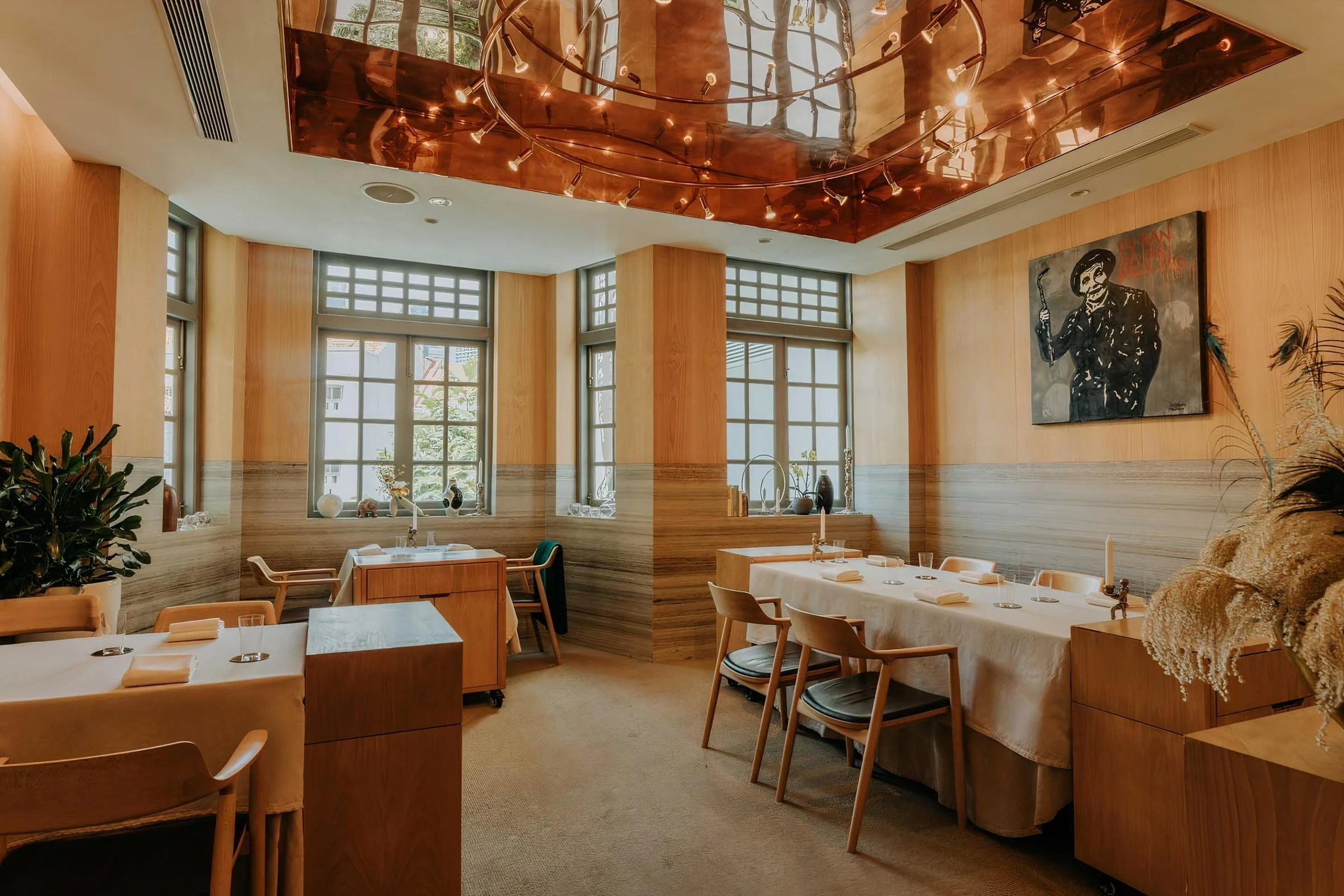
Campione
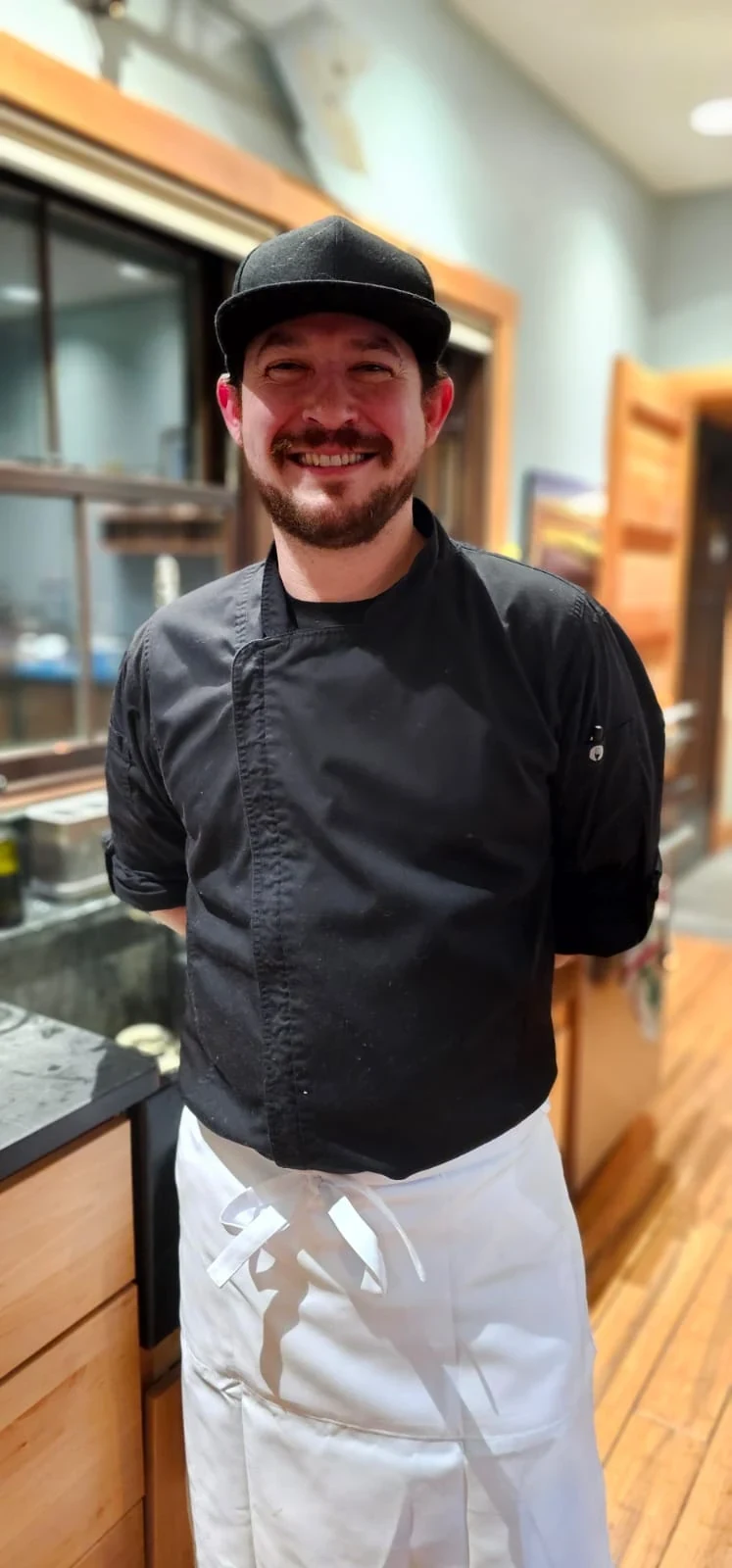
In Residence
Joshua Adams
Chef
- 01CuisineItalian-Inspired Roman Kitchen with Local Montana Ingredients
- 02CityLivingston, United States
- 03RecognitionJames Beard Award
- James Beard Winner · James Beard Foundation
- James Beard Award Semi Finalist · 2025
Main Street, Mountain Town: Where Livingston Eats Italian
Livingston, Montana sits at the northern gateway to Yellowstone, a railroad-era town of roughly 8,000 people where the Yellowstone River cuts through the Paradise Valley and the wind off the Absaroka Range is a climatic fact of life. The dining scene here is small but specific: a handful of independently owned restaurants serving a transient visitor population alongside a permanent community of ranchers, artists, and the writers and film people who have been quietly moving here since the 1970s. Within that scene, Italian cooking occupies an interesting niche. It travels well to mountain towns because the format, pasta, cured meat, wine-forward hospitality, scales down without losing its logic, and because it speaks to a comfort register that works equally well in February snowstorms and August fishing season.
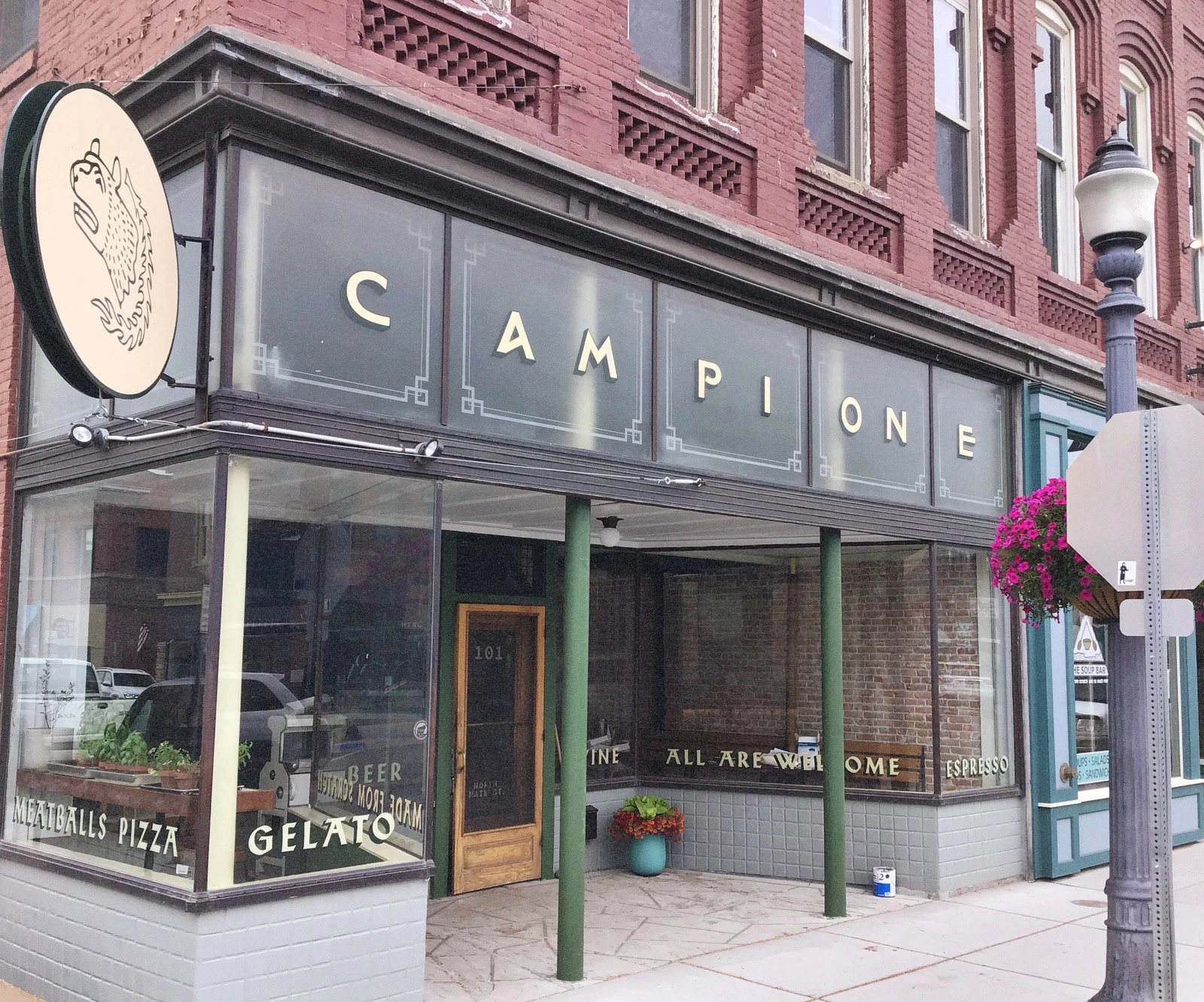
Campione, at 101 N Main St, sits inside that tradition. The address places it on Livingston's main commercial corridor, a street of brick-fronted buildings that still read as the working downtown of a Northern Pacific Railroad depot town. Walking the block, the visual grammar is Western vernacular: painted wooden signage, wide sidewalks, the occasional saddle shop still holding its ground against coffee bars. A restaurant with Italian ambitions in this context is not incongruous, it is a deliberate choice to bring a particular culinary culture into contact with a place that has its own strong identity.
The Cultural Weight of Italian Cooking in the American Interior
Italian cuisine arrived in the American interior through immigrant labor: mining camps, railroad gangs, the agricultural valleys of California and Colorado. In Montana specifically, the Italian presence was concentrated in the mining towns of the southwestern part of the state, Butte, Anaconda, where whole neighborhoods carried Sicilian and northern Italian surnames into the mid-twentieth century. That history gives Italian cooking in Montana a different resonance than it carries in coastal cities. It is not imported fine dining; it is, in a real historical sense, part of the region's own story.
The format that works in these settings tends toward the communal and the ingredient-driven: long pasta preparations, cured meats, slow braises built on whatever protein the local ranching economy provides. In a place like Livingston, where elk, bison, and lamb are available from ranchers within an hour's drive, the Italian tradition of cooking what is nearby and what is in season finds a direct application. The question for any Italian-inflected restaurant in this market is whether it leans into that regional conversation or defaults to a generic national-chain template. The restaurants that matter in mountain towns are the ones that answer the first way.
Within Livingston's small dining universe, the reference points are instructive. 2nd Street Bistro holds the French-bistro end of the market. The Mint Bar and Grill anchors the Western saloon tradition. Mediterranean cooking appears across multiple addresses: Lithos Estiatorio, THAVMA Mediterranean Grill, and Panevino Ristorante each occupy different points along the southern European spectrum. That Livingston sustains this range tells you something about the sophistication of its visitor base and the ambitions of its resident population.
The Scale of Ambition: Livingston Against a National Frame
Livingston's dining scene can be read against a national context, which clarifies what it is doing. The American dining circuit runs through urban anchors: Le Bernardin in New York City, The French Laundry in Napa, Smyth in Chicago, Atomix in New York City. Farm-to-table ambition finds its most developed expression at places like Blue Hill at Stone Barns in Tarrytown and Single Thread Farm in Healdsburg. California's coastal Italian-influenced kitchens, from Providence in Los Angeles to Addison in San Diego, operate at price points and staffing levels that small-market restaurants cannot match. What small-market restaurants can do, and what the finest of them do well, is deliver the same quality of local sourcing and cooking intelligence at a fraction of the friction: no three-month booking windows, no tasting-menu commitments, no valet theater.
The comparison reaches across the Atlantic too. Atelier Moessmer Norbert Niederkofler in Brunico represents what happens when a chef in a mountain town commits to the full logic of regional cooking, sourcing entirely within an alpine ecosystem. Lazy Bear in San Francisco and Emeril's in New Orleans show how regional American culinary identity can be articulated through a single kitchen's point of view. The Inn at Little Washington in Washington demonstrates what happens when a destination-town restaurant becomes a destination in itself. Campione is operating at a different scale than all of these, but the question it is answering is the same: what does it mean to cook seriously in a place that is not a major city?
Planning a Visit to Campione
Campione is located at 101 N Main St, Livingston, MT 59047, in the center of the downtown commercial district, within walking distance of the Livingston Depot and the main run of independent businesses on Main Street. Contact the restaurant before visiting, particularly during shoulder season when Livingston's visitor traffic drops sharply between October and April. Peak summer months, July and August, see the town's population effectively double as Yellowstone traffic peaks, and walk-in availability at the better downtown restaurants compresses accordingly. If your travel window falls in that window, confirming a reservation in advance is the prudent move.
Questions
Frequently asked
What recognition does Campione hold?
Campione holds a James Beard award.
Who works at Campione?
Made By profiles Joshua Adams (Chef) at Campione.
How expensive is Campione?
Campione is listed at a price level of $$$.
Where is Campione and what does it serve?
Campione is in downtown Livingston, Livingston, serving Italian-Inspired Roman Kitchen with Local Montana Ingredients.
The field
How it compares
| Place | Awards | Cuisine | Notes |
|---|---|---|---|
| Campione | James Beard | Italian-Inspired Roman Kitchen with Local Montana Ingredients | downtown Livingston, $$$ |
| Alchemist | Michelin 2 Stars, World's 50 Best | Avant-Garde Molecular Gastronomy with Social Commentary | Copenhagen |
| Arpège | Michelin 3 Stars, World's 50 Best | Vegetable-Focused French Fine Dining | Paris |
| Elkano | Michelin 1 Star, World's 50 Best | Basque Grilled Fish | Getaria |
| Kabawa | World's 50 Best | Modern Caribbean Prix Fixe | New York City |
| The Glenturret Lalique Restaurant | Michelin 2 Stars | Modern Scottish Fine Dining | Crieff |
| Zén | Michelin 3 Stars, World's 50 Best | Neo-Nordic with Japanese Influences | Singapore |
In residence
Similar places
Avant-Garde Molecular Gastronomy with Social Commentary
Alchemist
Copenhagen, Denmark
★★ · 50 Best
Vegetable-Focused French Fine Dining
Arpège
Paris, France
★★★ · 50 Best
Basque Grilled Fish
Elkano
Getaria, Spain
★ · 50 Best
Modern Caribbean Prix Fixe
Kabawa
New York City, United States
50 Best
Modern Scottish Fine Dining
The Glenturret Lalique Restaurant
Crieff, United Kingdom
★★
Neo-Nordic with Japanese Influences
Zén
Singapore, Singapore
★★★ · 50 Best