
Malbec from the third terraces
- Falstaff Winery - Listed · 2026
Cover grass between the rows
Cover grass grows between the vine rows before the fruit reaches the cellar. Mathilde Fournié, winemaker at Château Haut Monplaisir in Lacapelle Cabanac, works with Cathy and Daniel Fournié on a family estate whose discipline begins in the soil and has to remain legible in the bottle. Cathy and Daniel acquired the vineyards from Cathy’s father and began the estate’s present chapter in 1998; Mathilde now carries part of that continuity through the commercial and public-facing work that connects the wines to the market without separating them from the place. The family began its organic conversion in 2009 and reached certification in 2012, after earlier choices that already pointed in that direction, including cover grass and the elimination of herbicides. Their apprenticeship in Cahors Malbec also passed through Pascal and Jean-Marc Verhaeghe of Château du Cèdre, whose counsel helped refine the handling of the grape locally called Cot. Around them, Cécile, Abdel, Cédric, Emilia and Christelle are named as part of the wider team in the vines, which matters at an estate where the method depends on repeated work rather than a single cellar gesture.
Malbec on the third terraces
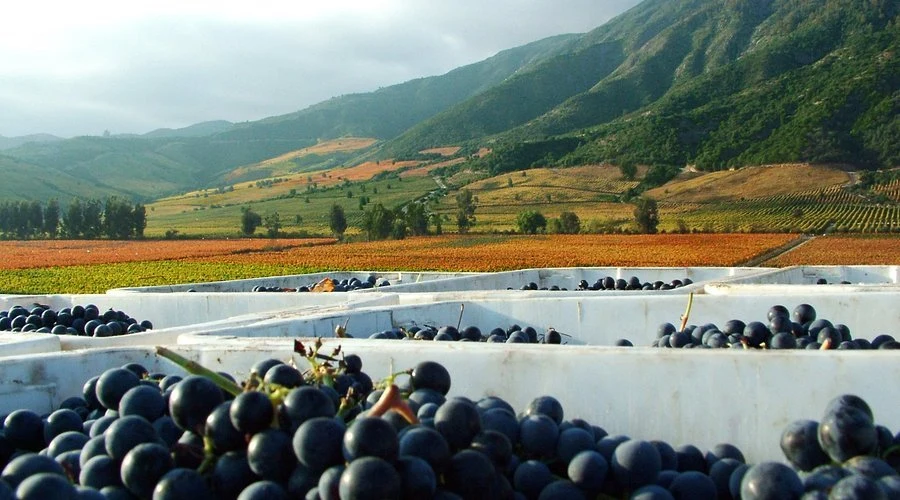
The estate farms 30 hectares on the third terraces of the Cahors appellation, at about 200 meters, with south-facing vines rooted in clay-siliceous, stony soils. Malbec is the center of the program. For the Tradition cuvée, the wine is 100% Malbec from vines averaging 30 years of age, a useful measure of the house’s patience with fruit, tannin and extraction. After harvest, the grapes are destemmed and crushed, then vinified in cement vats with regular punch downs. Maceration runs 25–30 days, long enough to pull the dark Cahors register from skins and seeds without making the cellar feel like the point of the wine. Ageing lasts 18 months, with 70% in cement vats and 30% in oak barrels. That split says much about the house style: cement for freshness and fruit line, oak for structure, neither asked to dominate. L’Envie sits close to the estate’s signature, a Malbec cuvée associated with blackcurrant, prunes, black olive, rosemary, cinnamon, elderflower and peppermint.
The cellar keeps the room quiet
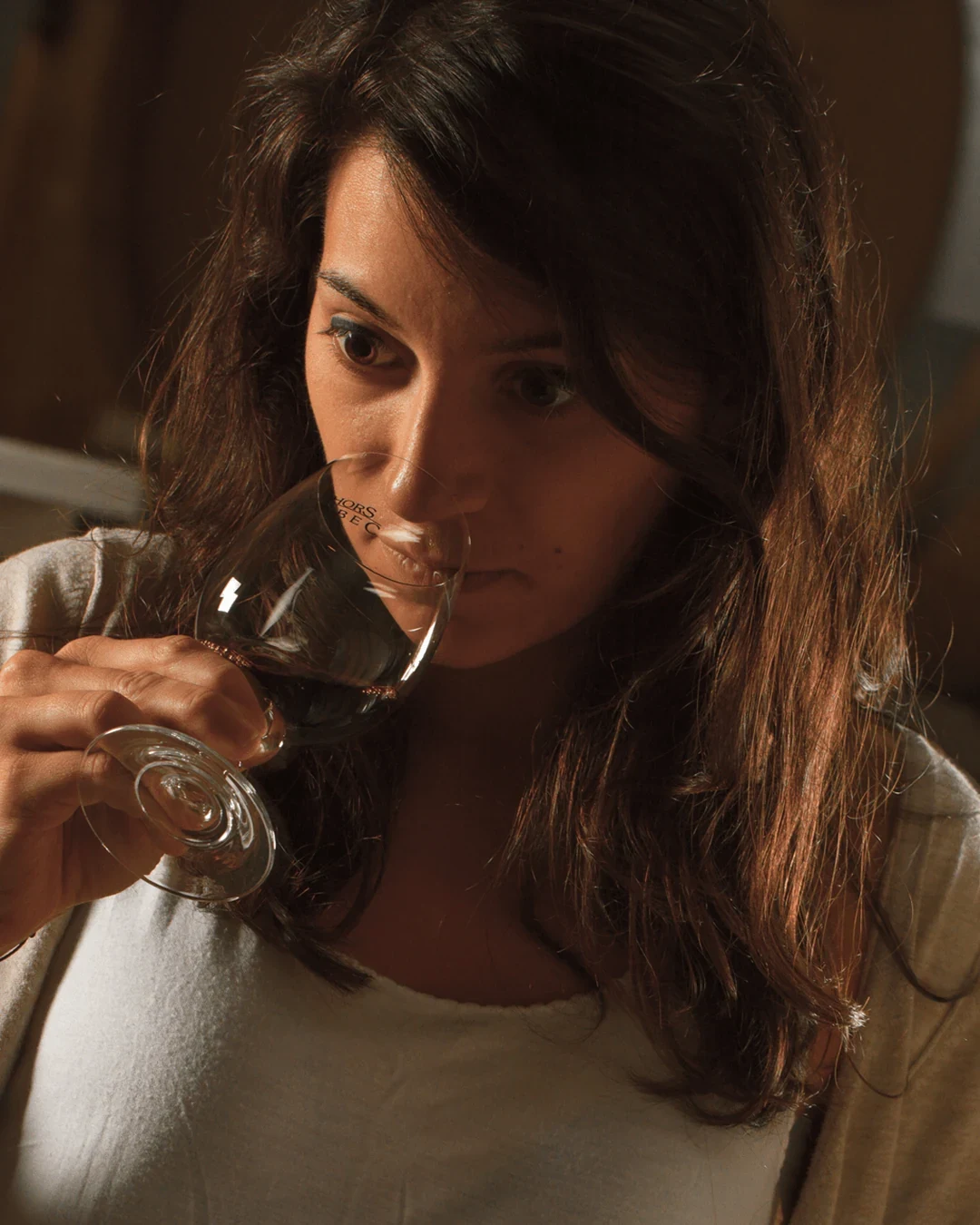
The tasting room belongs to the château rather than to a staged visitor circuit. The useful texture here is rural and close to the work: the cellar, the vineyard, the tasting room, then back to the rows. The place sits in a verdant pocket of Lacapelle-Cabanac, with the vines facing due south and the family’s hospitality kept at estate scale. There is no need to overstate the room. Cahors gives the wines their dark frame; the Fournié family gives them a quieter hand, through organic farming, cement, modest oak and a portfolio that returns to Malbec again and again. Mathilde’s work matters at that threshold between cellar and audience, where L’Envie and Château Haut Monplaisir Malbec have to read clearly without losing the soil of Monplaisir.
Questions
Frequently asked
Who makes the wine at Château Haut Monplaisir?
Mathilde Fournié works at Château Haut Monplaisir with Cathy and Daniel Fournié, on the family estate in Lacapelle-Cabanac. The family’s present chapter began in 1998, after Cathy and Daniel acquired the vineyards from Cathy’s father.
What is the estate known for?
The estate is centred on Cahors Malbec, with Malbec at the core of the programme. The Tradition cuvée is 100% Malbec, and L’Envie is another Malbec cuvée from the house.
How are the vineyards farmed?
The family began its organic conversion in 2009 and reached certification in 2012. Earlier choices already pointed in that direction, including cover grass between the rows and the elimination of herbicides.
What style of winemaking does the estate use?
The Tradition cuvée is made from destemmed, crushed grapes vinified in cement vats with regular punch downs. Maceration lasts 25 to 30 days, and ageing runs for 18 months in a mix of 70 percent cement vats and 30 percent oak barrels.
Do I need to book a visit?
Reservation is recommended. The estate also has on-site parking.
The field
How it compares
| Place | Notes | Awards |
|---|---|---|
| Château Haut Monplaisir | Monplaisir, Lacapelle-Cabanac, $$ | · |
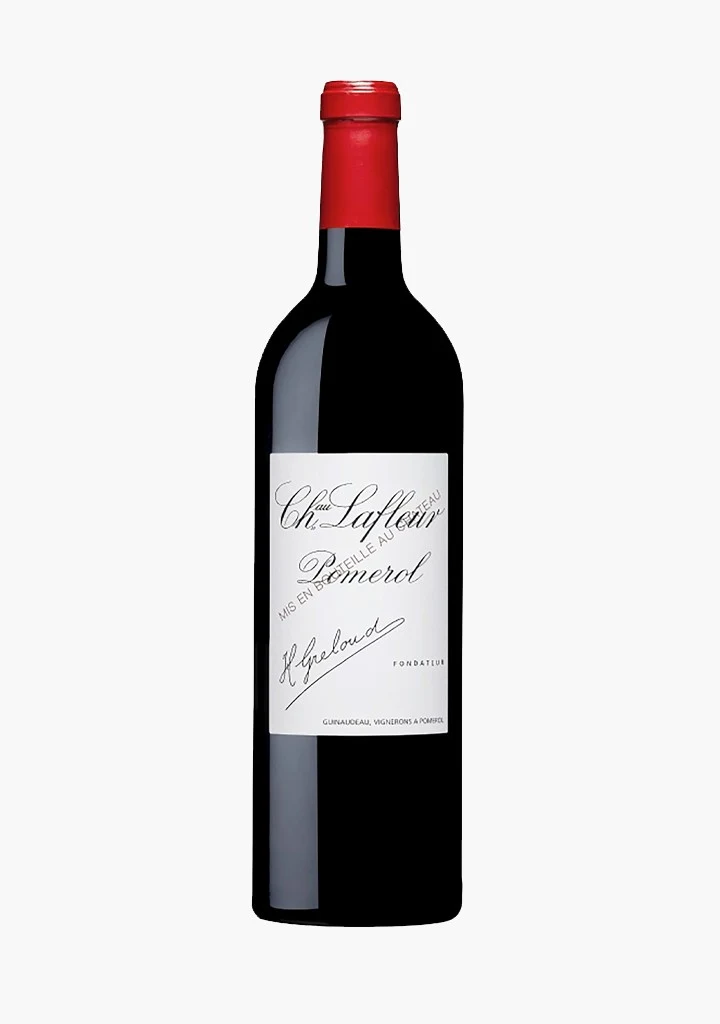
| Château Lafleur | Pomerol | · |
| Château Rieussec | Fargues | · |
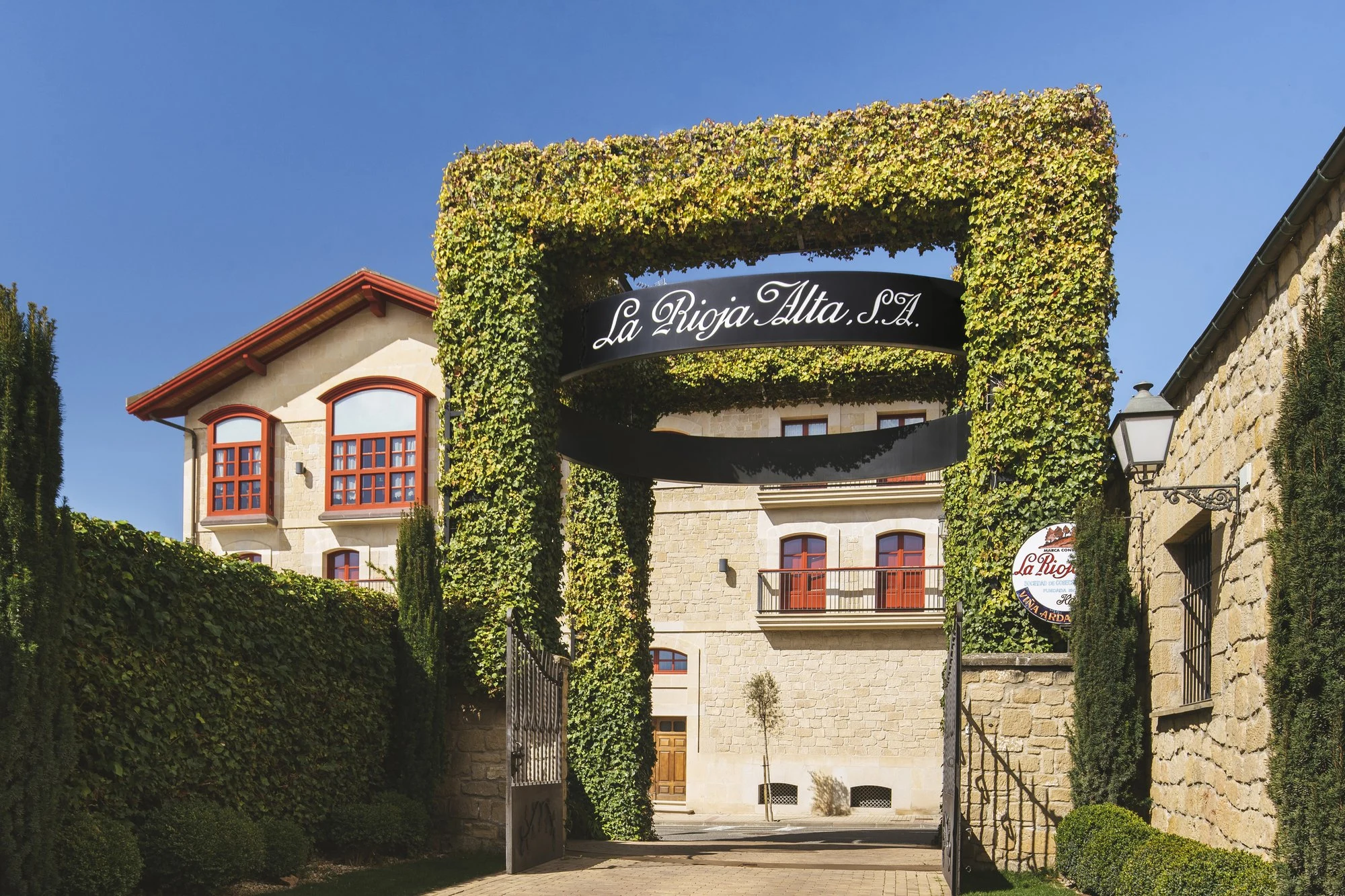
| La Rioja Alta | Haro | · |
| Quinta do Noval | Pinhão | World's 50 Best |
| Ruinart | Reims | World's 50 Best |
| Viña Montes | Santa Cruz | World's 50 Best |