Château Rahoul
- 01CityPortets, France

Graves parcels aged in barrique
- Falstaff Winery - 1 Stars · 2026
Parcel decisions before the cellar
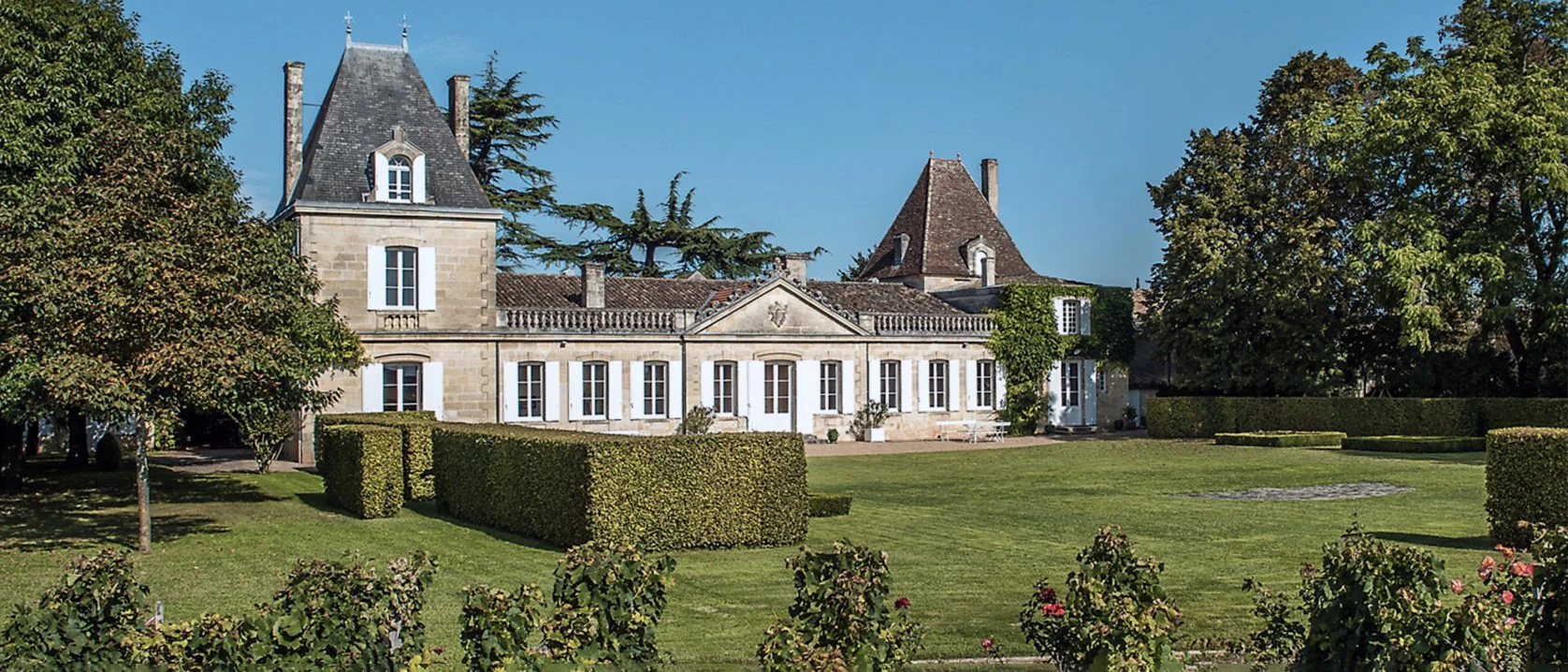
Budstripping comes before the easy beauty of fruit. At Château Rahoul in Portets, Frédéric Bonnaffous, winemaker, works from that vineyard discipline into the cellar, holding Graves fruit to the decisions made row by row. His route to this station runs through Dourthe estate work: from 2002 at Château Belgrave, Château Le Boscq and Château Reysson, then from 2007 with a wider remit including Grand Barrail Lamarzelle Figeac, before stewardship that also took in Château La Garde, Château Rahoul, Château Pey La Tour and Château Ricaud. That is a particular apprenticeship, not under one named master, but under properties with different soils, calendars and cellar needs. At Rahoul, the work sits inside a house whose chartreuse dates to 1646, with vineyards shaped later into a wine estate and now managed within Vignobles Dourthe. The estate joined the Union des Grands Crus de Bordeaux in 1984, a useful marker because it belongs to this address and to both red and white Graves wines. Bonnaffous’s role is less a signature imposed on the place than a discipline of keeping each parcel legible through harvest timing, sorting, fermentation and élevage.
Graves measured by soil and barrel
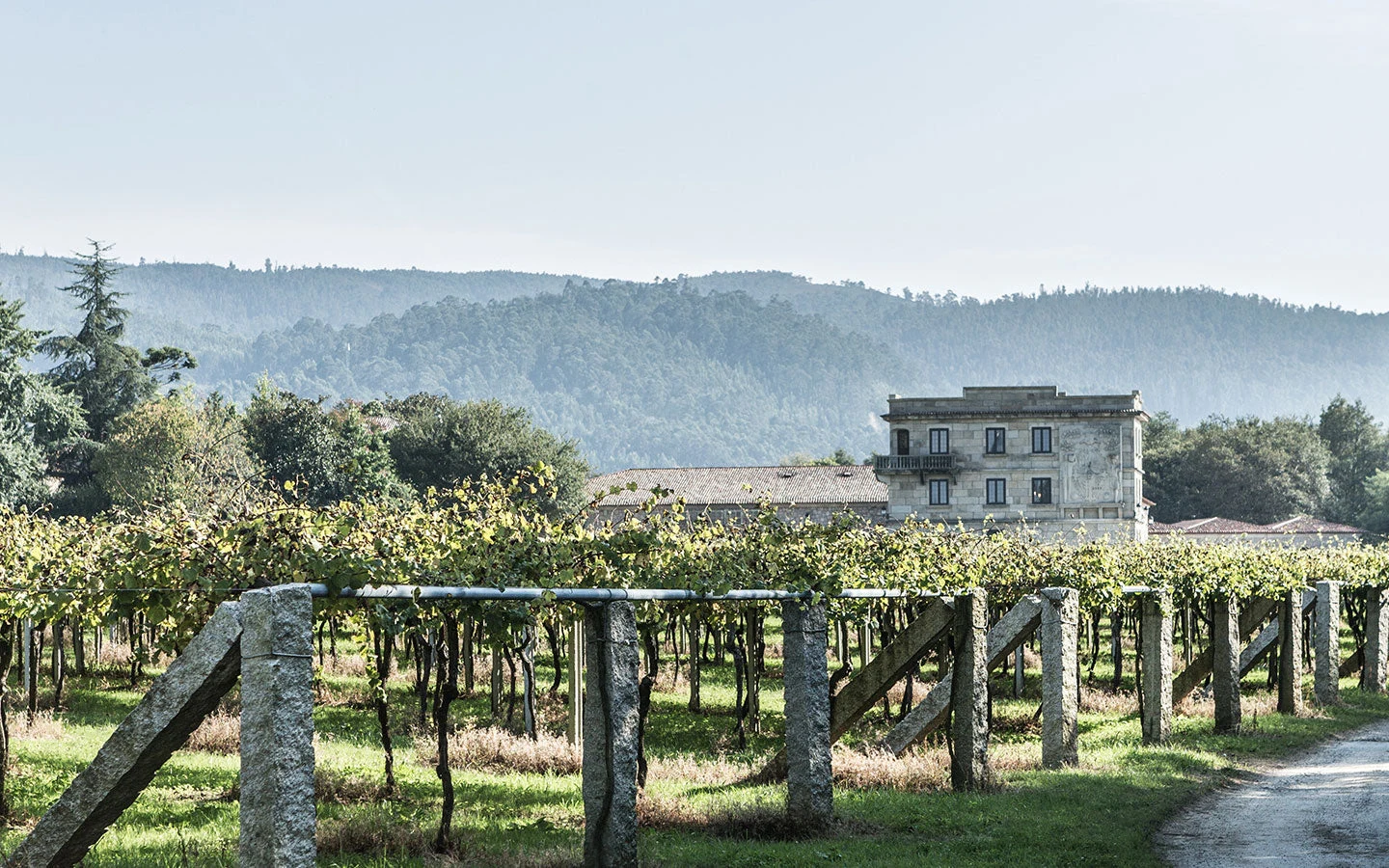
The vineyard is described across 40 hectares, with 31 hectares planted for red wine and 4 hectares for white, spread through Portets, Illats, Podensac and Saint-Selve. The soils do much of the sorting before the team does: Merlot on sandy-gravel and clay-gravel in Portets and Illats, Cabernet Sauvignon and Sauvignon Blanc on selected plots in Saint-Selve, Sémillon on sandy-gravel in Portets and Podensac. Sustainable practice here is not a surface claim. Château Rahoul has used sustainable methods since 1995, holds HVE 3 and Terra Vitis certification, and achieved Terra Vitis in 2016. The vineyard work includes traditional ploughing, mechanical weeding, manual budstripping, desuckering, leaf thinning and lateral shoot removal, with Cabernet Sauvignon receiving varietal-specific hand work. White grapes, predominantly Sémillon, are harvested by hand in slatted crates. In the cellar, the white must is pressed under inert gas, then fermented and aged in barrel for 8 to 9 months on lees. Red lots ferment in temperature-controlled stainless-steel tanks, parcel by parcel, before 12 months in oak barriques. The red program uses 33% new barrels; the white program uses 10%.
The orangerie and the quiet estate
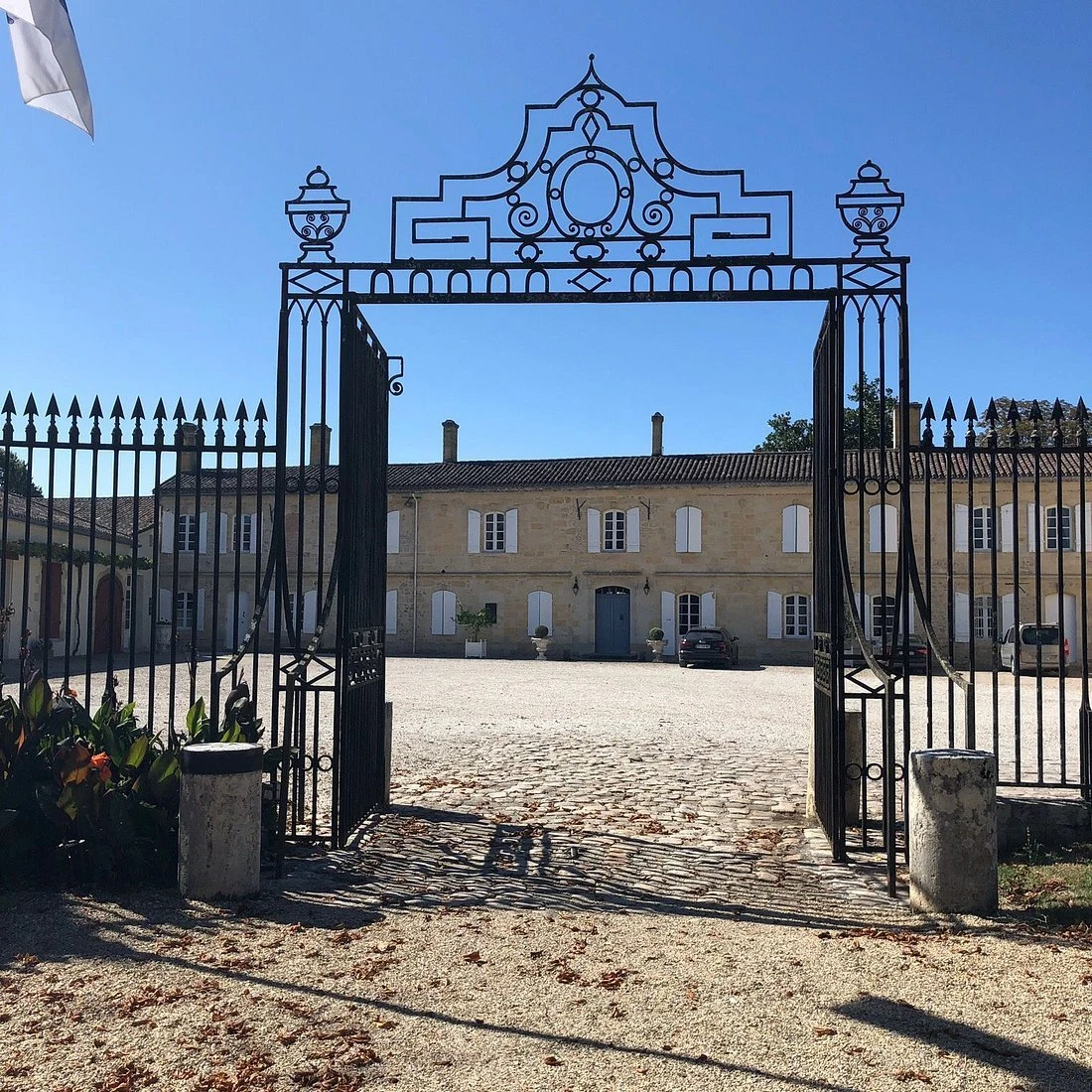
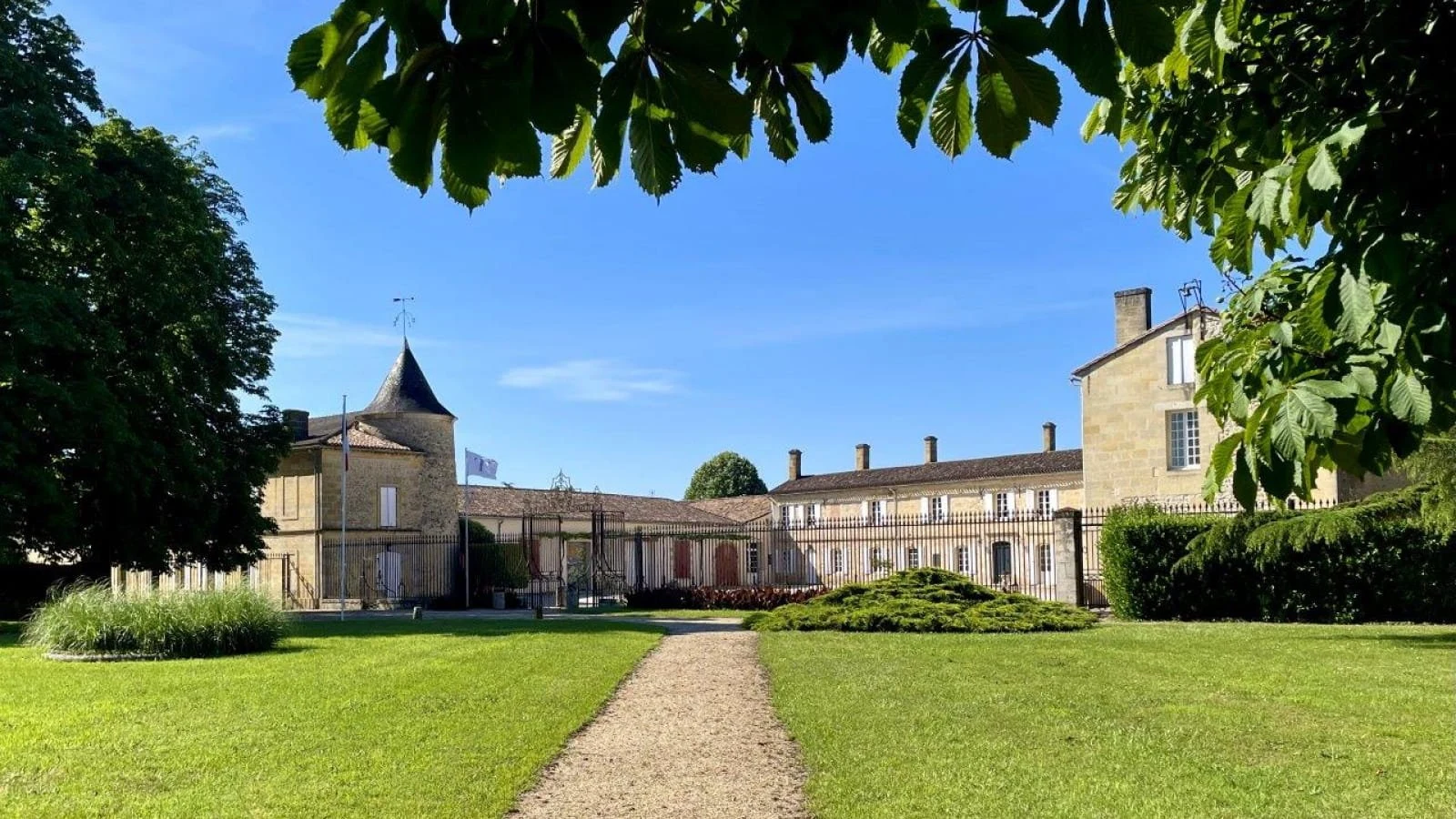
The place keeps its volume low. The chartreuse gives Château Rahoul the shape of a Bordeaux country house rather than a production shed, while the renovated orangerie, updated in 2012, gives the white wine program a dedicated barrel-vinification cellar. Around it, the Graves landscape reads in gravel, clay, cover planting and the patient removal of what will not ripen evenly. The room of the estate is not theatrical. It is the sequence of vineyard, sorting table, tank and barrique, with the old house standing close enough to remind the cellar that Rahoul has carried its name since Guillaume Rahoul. The work continues in those barrels, especially the Sémillon and Sauvignon Blanc resting in the orangerie cellar.
Questions
Frequently asked
Who is the winemaker at Château Rahoul?
Frédéric Bonnaffous is the winemaker at Château Rahoul in Portets, and he works closely from vineyard decisions through to the cellar.
What is Château Rahoul known for?
Château Rahoul is a Graves estate that produces both red and white wines, with work shaped by parcel-by-parcel decisions, sustainable vineyard methods and barrel ageing.
What kind of vineyard work is carried out at the estate?
The vineyard work includes traditional ploughing, mechanical weeding, manual budstripping, desuckering, leaf thinning and lateral shoot removal, with Cabernet Sauvignon receiving varietal-specific hand work.
How is the wine made at Château Rahoul?
The white grapes, predominantly Sémillon, are hand harvested in slatted crates, pressed under inert gas, then fermented and aged in barrel for 8 to 9 months on lees. Red lots ferment in temperature-controlled stainless-steel tanks parcel by parcel before 12 months in oak barriques.
Do visits need to be booked in advance?
Château Rahoul is appointment only, and there is on-site parking.
The field
How it compares
| Place | Notes | Awards |
|---|---|---|
| Château Rahoul | Portets, $$$ | · |
| Ata Rangi | Martinborough | World's 50 Best |
| Château Crabitey | Portets | · |
| Château de Portets | Portets | · |
| Marqués de Murrieta | Logroño | World's 50 Best |
| Masseto | Castagneto Carducci | · |
| Vieux Château Certan | Pomerol | · |