Zero dosage from biodynamic vines
- Falstaff Winery - Listed · 2026
Compost before the cellar
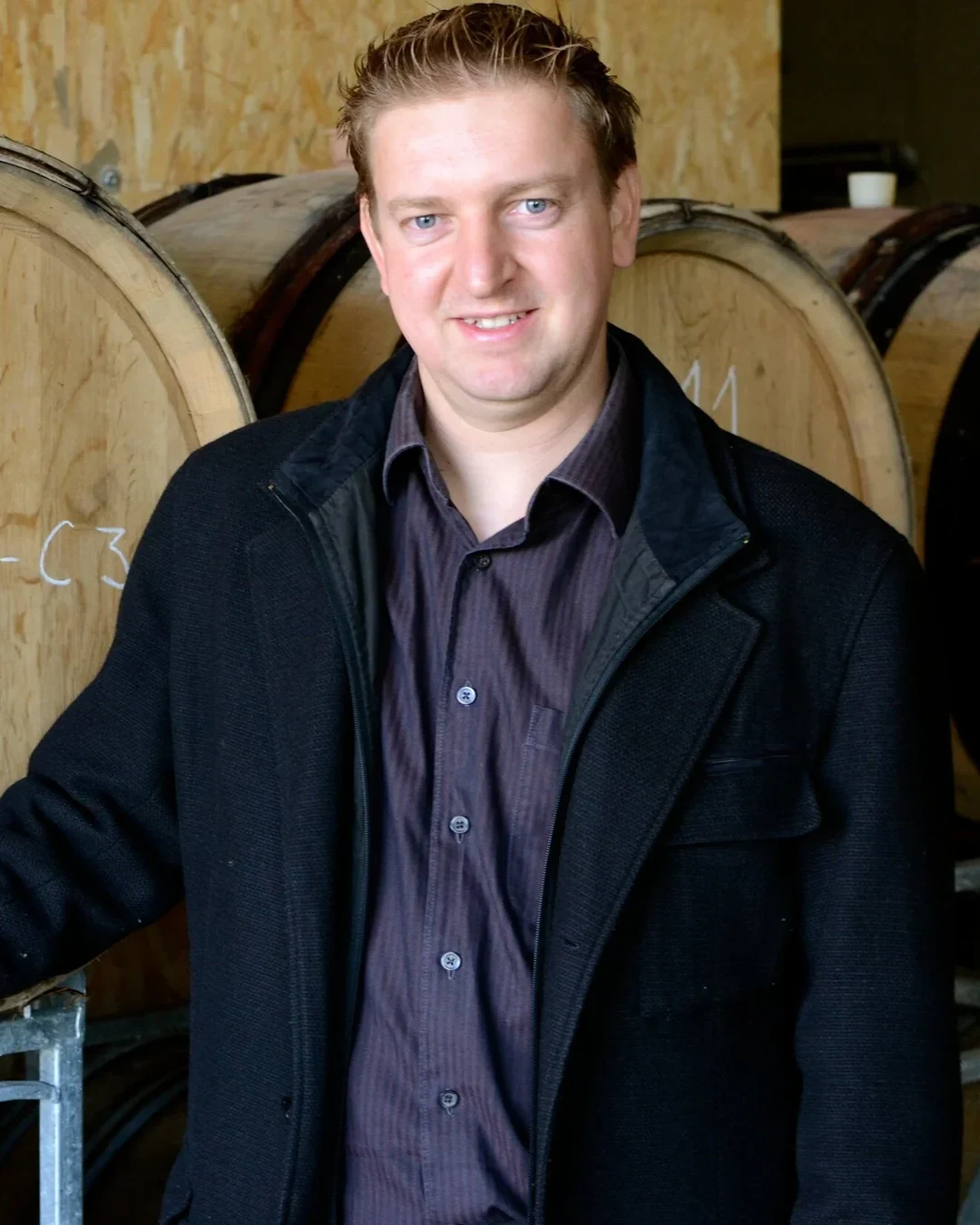
Franck Pascal tends the compost before the cellar work begins, keeping the vineyard and the cuverie under one hand as winemaker at Champagne Franck Pascal in Baslieux Sous Chatillon. Franck Pascal is the fifth generation of his family to grow grapes and make wine in the village, and the house still reads as a grower estate rather than a brand laid over a vineyard. Ownership, farming and vinification meet at the same bench. That matters here because the decisions are not passed from field team to cellar team to commercial room; Pascal carries the standard through the fruit, the fermentation and the finished cuvée.
The family estate works in Champagne AOC, in the Vallée de la Marne, with Pinot noir, Pinot meunier and Chardonnay. Its modern discipline is biodynamic, certified across the surface in 2005, after a turn away from chemical farming toward a more demanding relationship with the soil. The house is small in scale, and its language is not expansion. It is stewardship. The signature cuvées, Fluence Brut Nature, Tolérance Rosé Extra Brut, Quinte-Essence Extra Brut, Reliance Brut Nature and Sérénité Brut Nature, make the point in the glass without dosage carrying the finish.
Seven hectares under a biodynamic rule
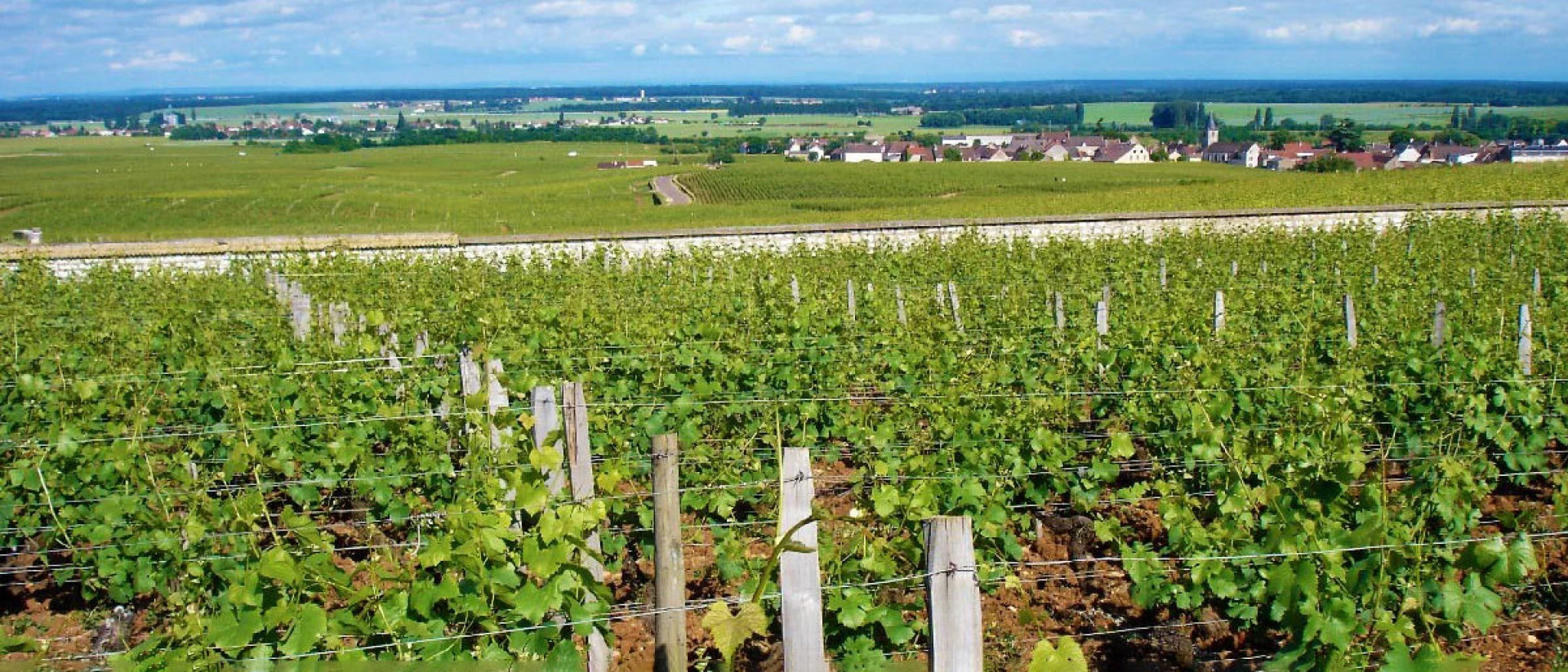
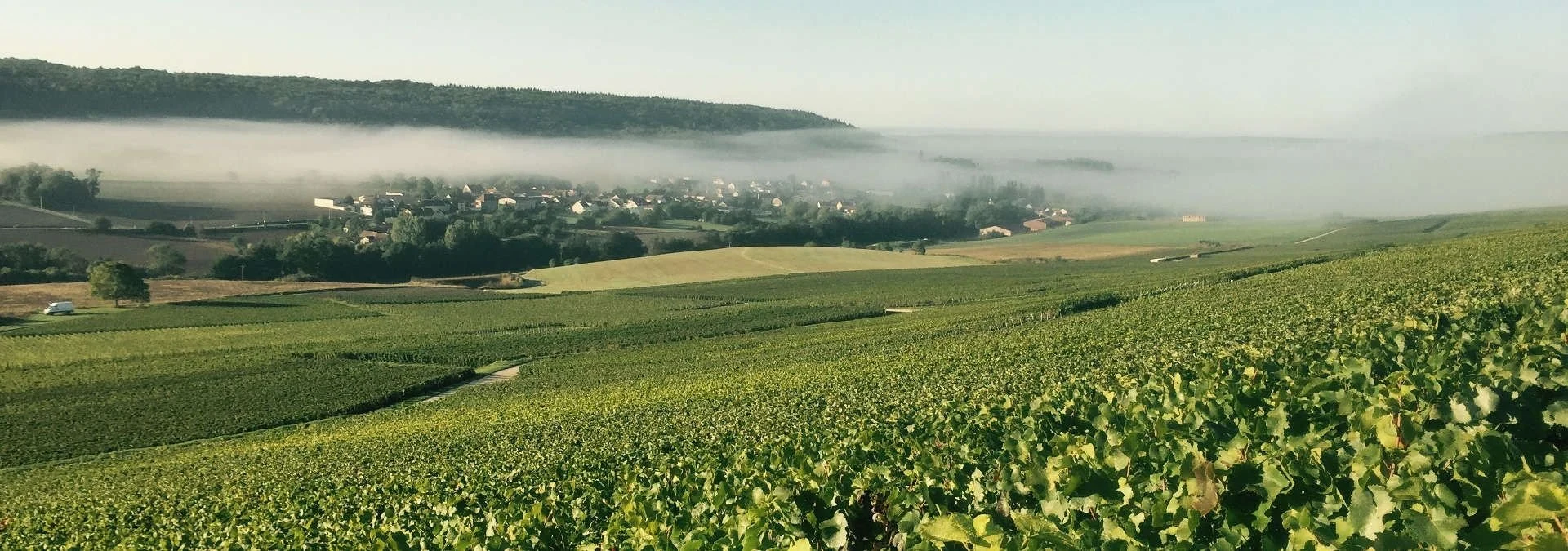
The vineyard work begins with seven hectares, mostly ploughed by horse, across an amphitheater of vines in the Marne Valley. Pascal developed his own compost after studying the soils, then kept the farming tied to biodynamic preparations and organic practice. Pinot meunier has a strong place here, not as a softening grape but as a carrier of fruit, shape and village character on the right bank of the Marne.
In the cellar, the first alcoholic fermentation takes place in enameled steel tanks with indigenous yeasts. The house works with very low or no sulfur, and since 2016 has relied on indigenous yeasts for the prise de mousse. Around 50% of the wines are raised in wood, enough to bring breadth without making élevage the subject. Fluence gives a useful measure of the house grammar: 60% Pinot Meunier, 34% Pinot Noir and 6% Chardonnay, assembled for Brut Nature rather than sweetened into ease. The method asks the fruit to hold its line.
The quiet of a grower cellar
The place is quiet in the way small Champagne cellars can be quiet, with the tasting room and the cellar kept close to the work rather than staged away from it. Baslieux Sous Châtillon is not treated as scenery here. It is the material. The visit moves through a family-run estate where the vineyard decisions remain visible in the cellar, and where the finished wines keep their names close to the house’s convictions.
There is a rustic intimacy to the setting, but the room is not casual about the craft. The cuvées sit in a disciplined order, from Fluence to Sérénité, and the absence of dosage leaves little cover for the farming. Fluence Brut Nature is in the glass.
Questions
Frequently asked
What kind of place is Champagne Franck Pascal?
It is a family-run grower estate in Baslieux Sous Châtillon, where Franck Pascal is the fifth generation to grow grapes and make wine in the village.
What grapes are grown there?
The estate works in Champagne AOC in the Vallée de la Marne with Pinot noir, Pinot meunier and Chardonnay.
How is the estate farmed?
The vineyard is run biodynamically, with certification across the surface in 2005. Pascal also developed his own compost, and much of the seven-hectare vineyard is ploughed by horse.
What style of Champagne does the house make?
The wines are made with indigenous yeasts, very low or no sulfur, and since 2016 the house has relied on indigenous yeasts for the prise de mousse. Several cuvées are made as Brut Nature or Extra Brut, so the wines are kept close to the fruit.
Can you visit without an appointment?
Visits are by appointment only.
The field
How it compares
| Place | Notes |
|---|---|
| Champagne Franck Pascal | Baslieux Sous Châtillon, $$$ |
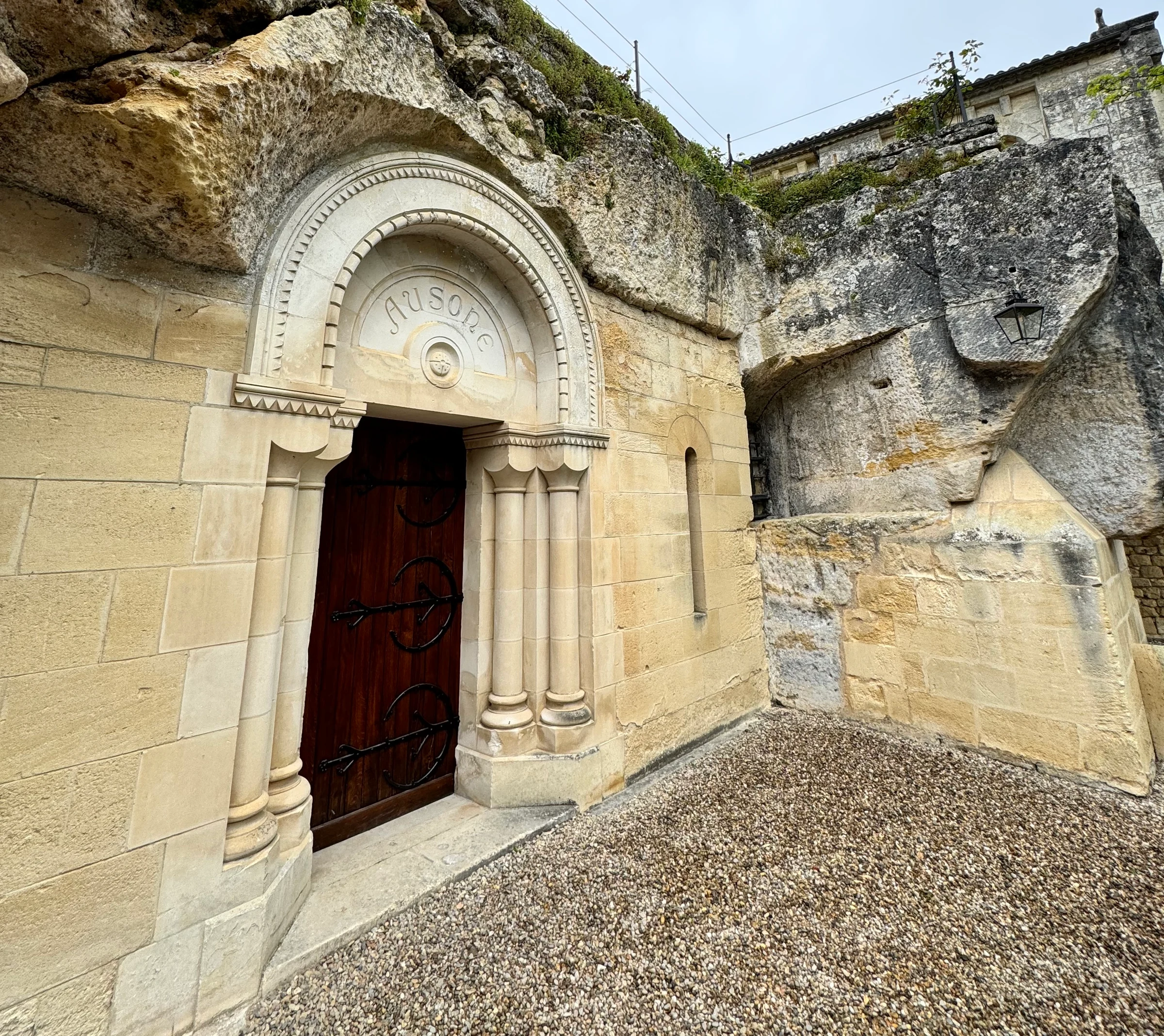
| Chateau Ausone | Saint-Émilion |
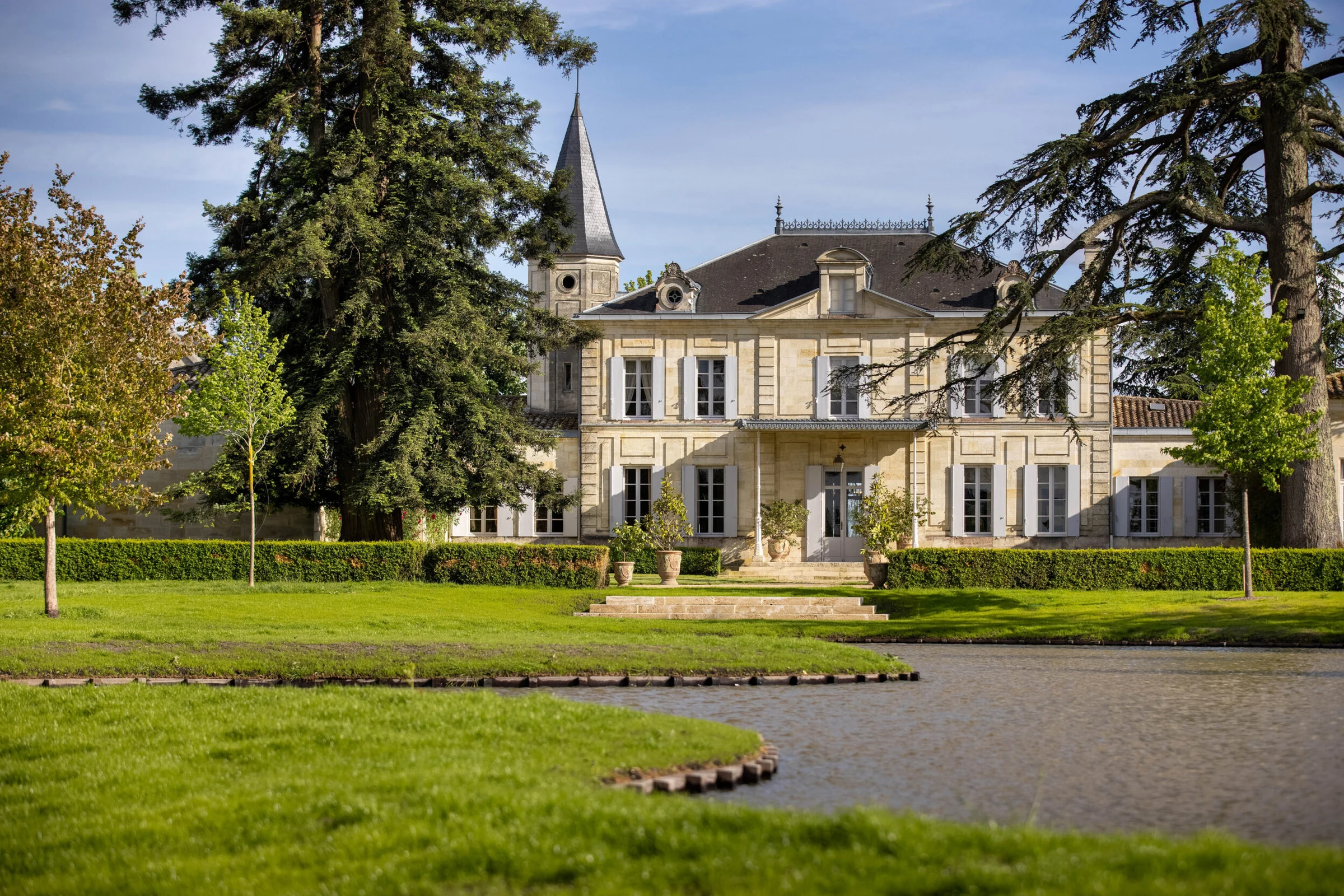
| Château Cheval Blanc | Saint-Émilion |
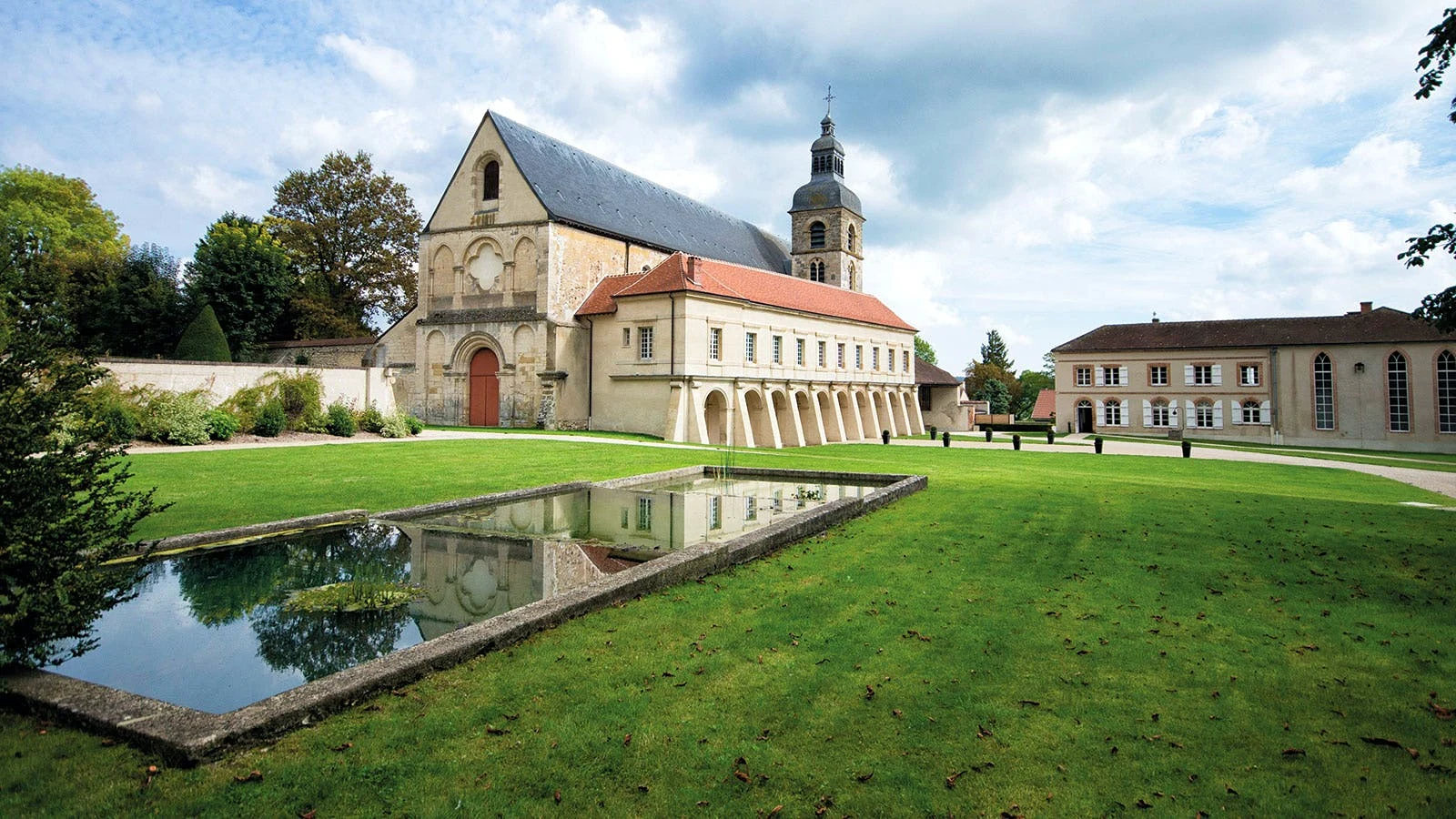
| Dom Pérignon | Hautvillers |
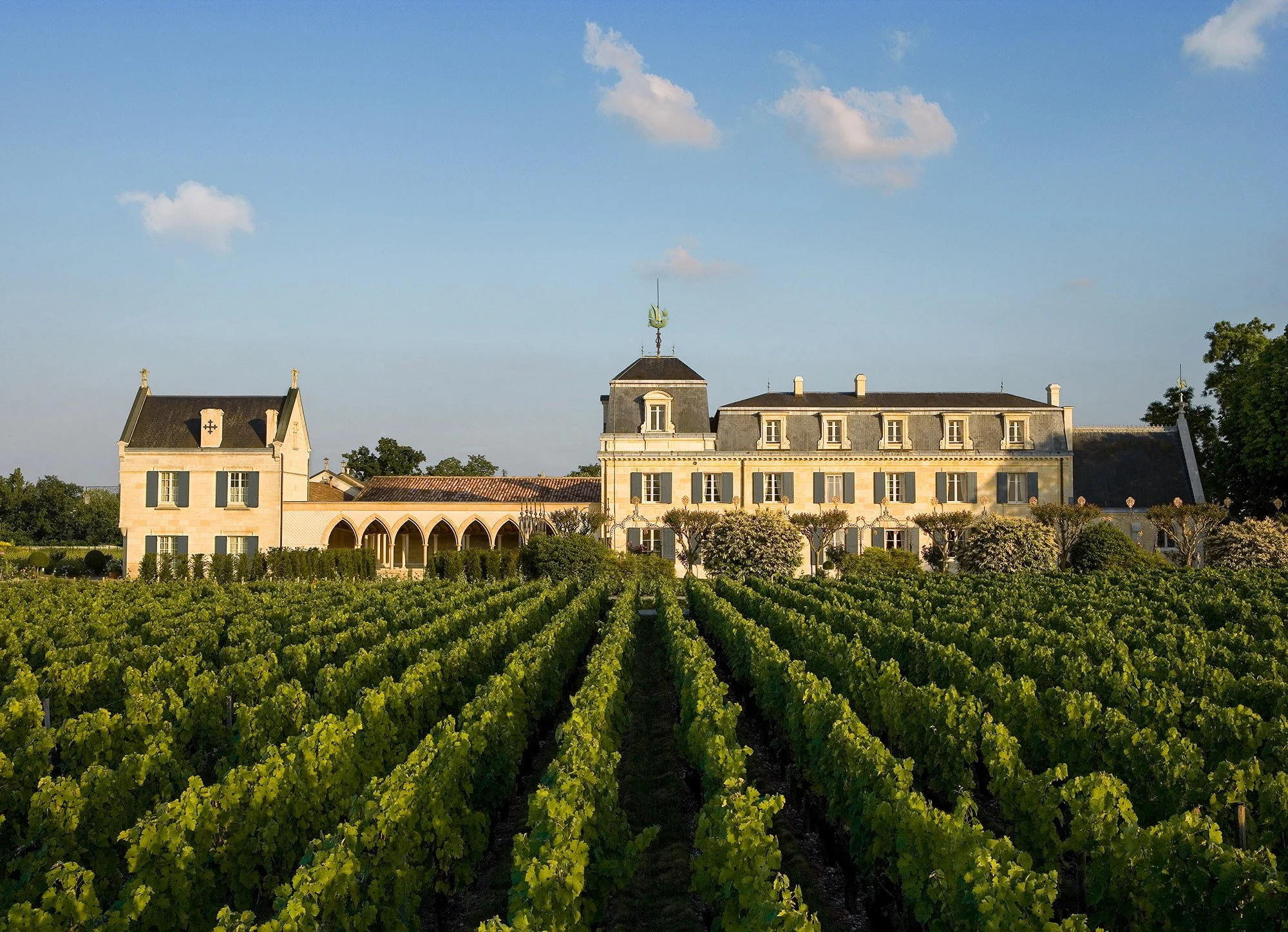
| Domaine Clarence Dillon | Pessac |
| Domaine Méo-Camuzet | Vosne-Romanée |
| Penfolds Magill Estate | Magill |