Native yeasts, used barrels, Aligoté
- Pearl 2 Star Prestige · 2025
Aligoté held to its season
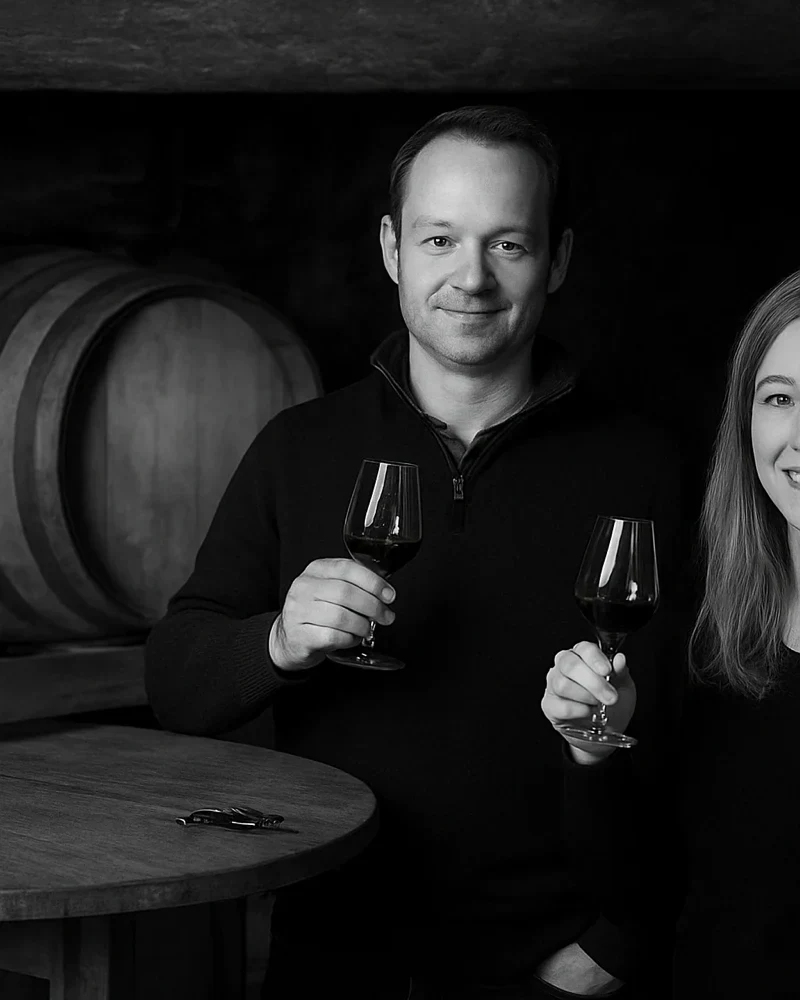
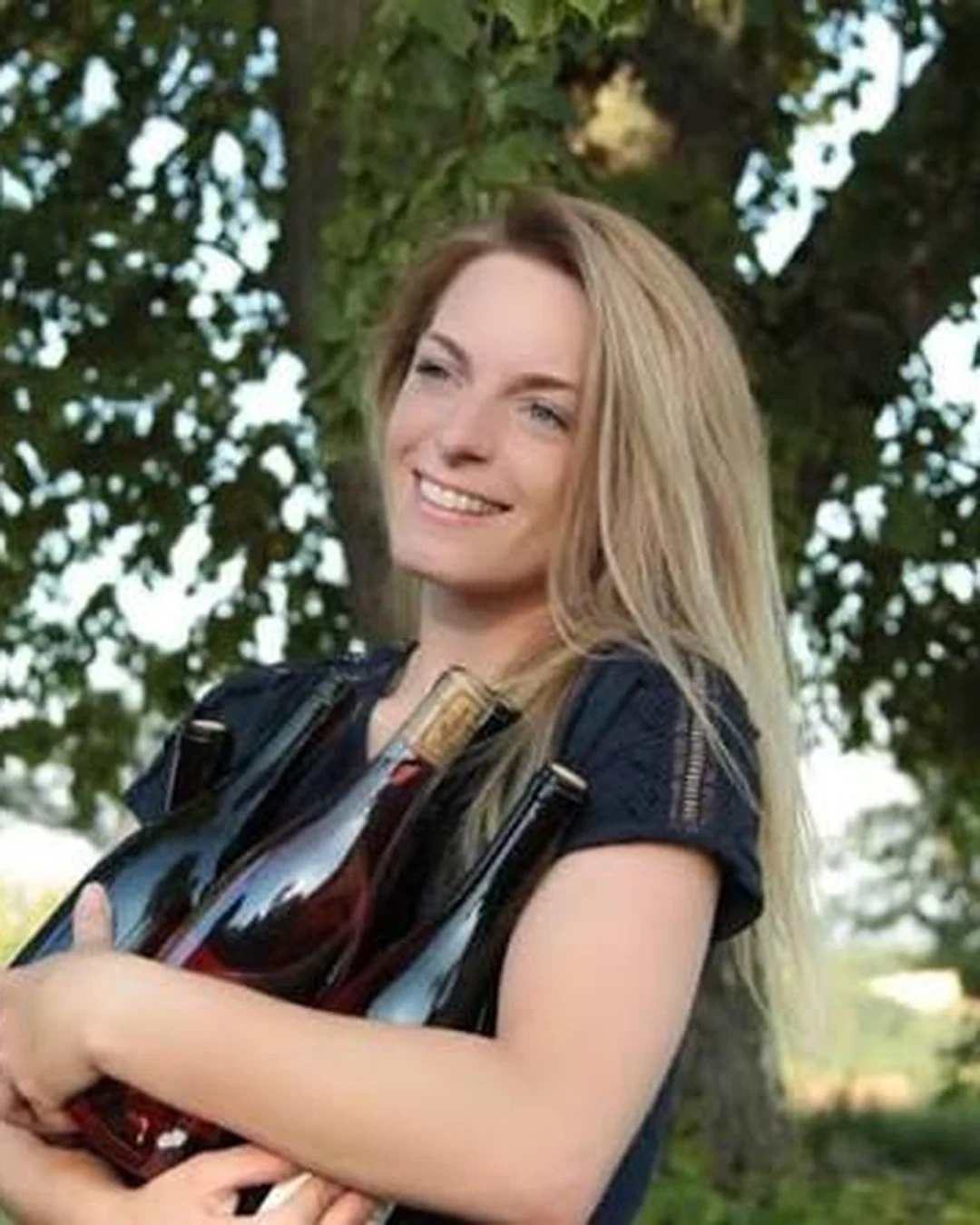
The Aligoté needed élevage before the freshness came through. Florence Bouchard, winemaker at Château de Rougeon in Bissey-sous-Cruchaud, reads that kind of adjustment as part of the work, not as a story to be polished after the fact. At this château in the Côte Chalonnaise, she works with her family, farming organically and keeping the cellar close to the vineyard’s own register. Her training at Lycée Viticole de Beaune and INSEEC Bordeaux gave her the technical base; cellar time across Provence, Languedoc, Bordeaux and Burgundy, then vinification work in New Zealand and South Africa, gave her a wider sense of how climate and site press on a grape.
Since 2010, Rougeon has been the station where that range has narrowed into discipline. Bouchard works as both chef and head of the wine estate, with Aligoté among the varieties that make the method easiest to read. She has described one season plainly: “It took a little elevage but finally, we have some freshness in the wines. The volume was good – we lost a little due to the summer dryness – especially in the cordon-trained aligoté.” The line belongs to the cellar, where yield, dryness, cordon training and time in élevage sit in the same sentence.
Native yeasts and used barrels
The program at Rougeon is built around organic farming, low-intervention cellar work, native-yeast fermentations, gentle macerations and élevage divided between tanks and used barrels. The language is spare, but the choices are not casual. Pinot Noir, Chardonnay, Aligoté and Gamay move through the estate’s still whites, still reds, sparkling wines and rosé, all within the Bourgogne Côte Chalonnaise frame. The point is not to sand the wines into a house gloss. Freshness, texture and vineyard character remain visible.
The named cuvées carry that restraint in the glass: Bourgogne Chardonnay Gryphée, Bourgogne Chardonnay Ostria, Bourgogne Aligoté Arenite and Bourgogne Aligoté La Cabane. They sit inside Burgundy’s working vocabulary rather than outside it, using variety and structure as the core material. A small production scale suits that approach. So does dry-farmed fruit, handled without turning the cellar into a place of correction for every mark left by the season.
A cellar inside a preserved islet
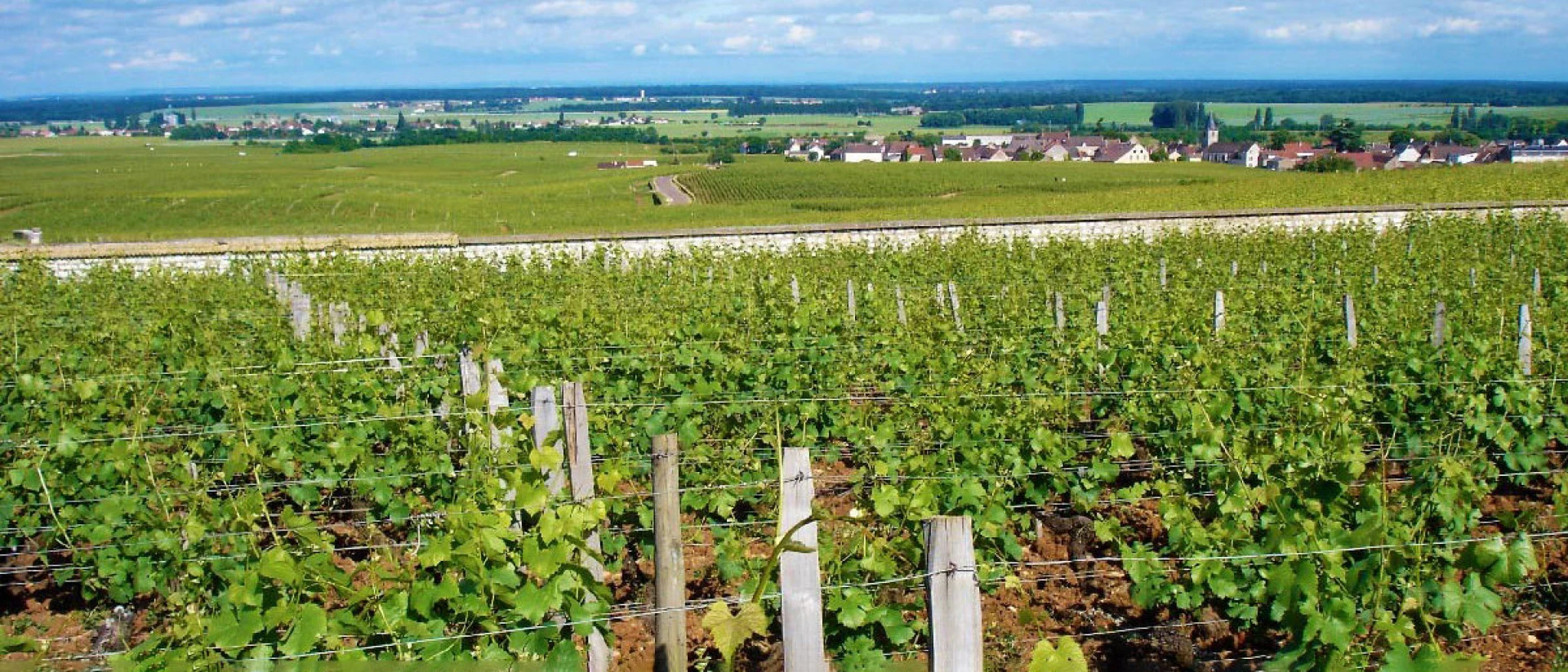
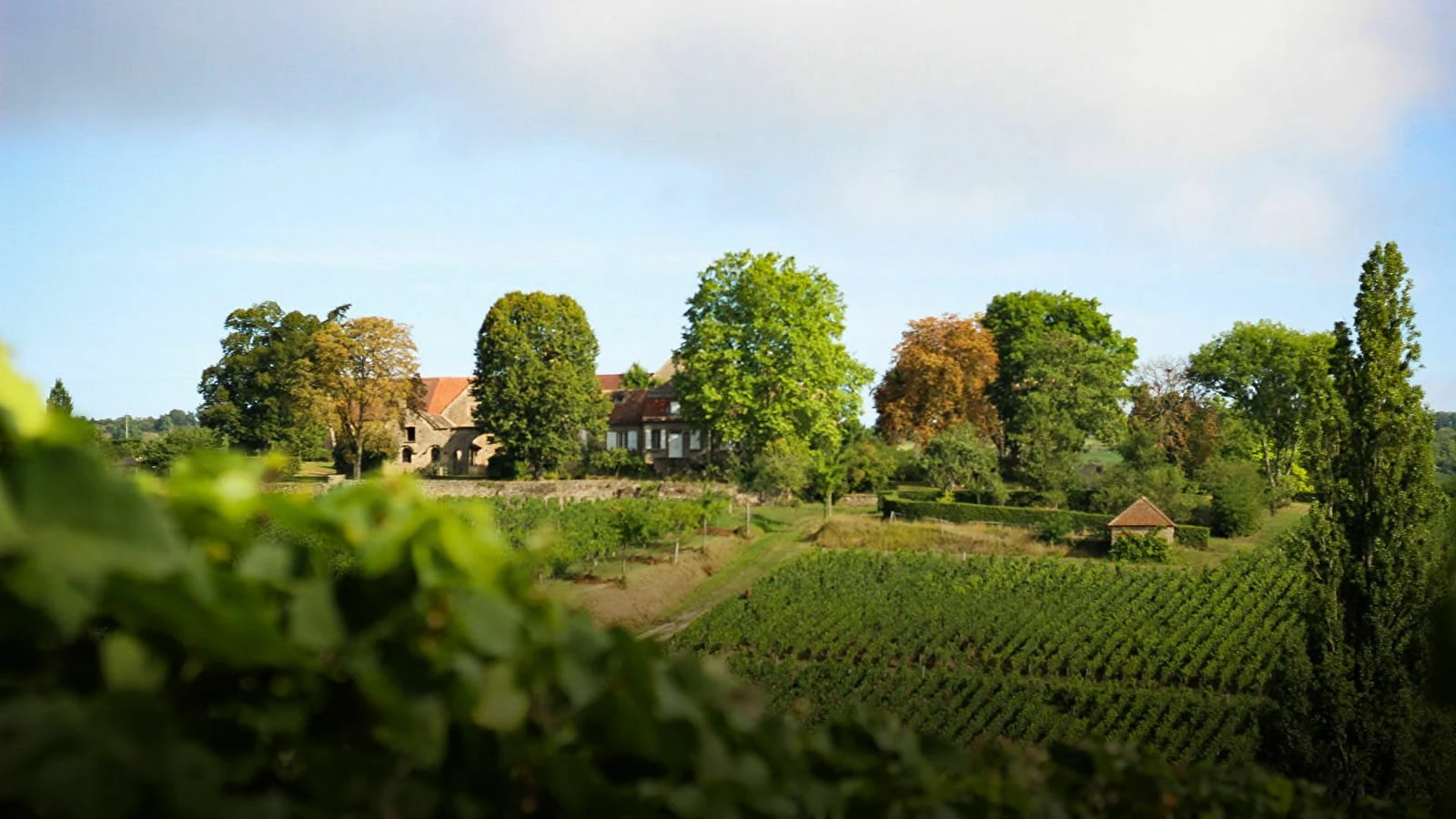
The château stands on a hill within a preserved 35ha natural islet, where granite, clay and limestone sit close to groves, meadows, sheep and beehives. That setting matters because Rougeon is not presented as vineyard alone. The vines share the estate with the living edges around them, and the cellar work draws its authority from that coexistence. The tasting room stays quiet, closer to the pace of a cave tasting than a performance at the counter.
In the room, the atmosphere is rural and unforced: countryside around the house, a warm welcome, the sense that the wines have come from a place where the hands do not need to overstate themselves. The concrete nouns here are the ones Bouchard keeps returning to in practice, Aligoté, summer dryness, used barrels, Bourgogne Aligoté La Cabane.
Questions
Frequently asked
Who makes the wines at Château de Rougeon?
Florence Bouchard is the winemaker at Château de Rougeon, where she also works as chef and head of the wine estate.
What kind of wines does the estate produce?
Rougeon makes still whites, still reds, sparkling wines and rosé from Pinot Noir, Chardonnay, Aligoté and Gamay, within the Bourgogne Côte Chalonnaise frame.
How are the wines made?
The cellar work is low-intervention, with organic farming, native-yeast fermentations, gentle macerations and élevage split between tanks and used barrels.
Where is Château de Rougeon set?
The château stands on a hill in Bissey-sous-Cruchaud, on a preserved 35ha natural islet where granite, clay and limestone sit alongside groves, meadows, sheep and beehives.
Is booking recommended?
Yes. Reservation is recommended.
The field
How it compares
| Place | Notes | Awards |
|---|---|---|
| Château de Rougeon | Bissey-sous-Cruchaud, $$$ | · |
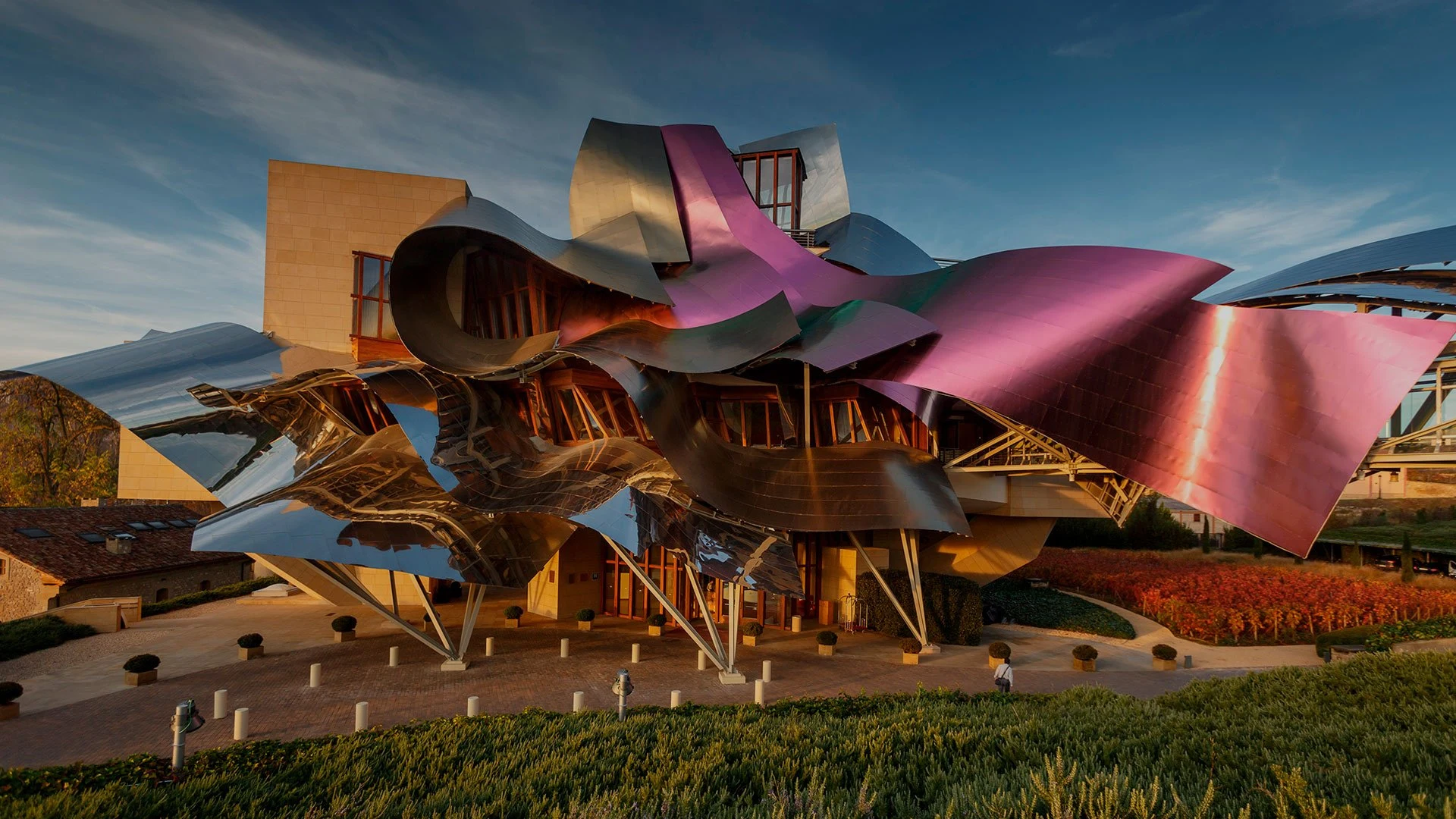
| Bodegas de los Herederos del Marqués de Riscal | Elciego | World's 50 Best |
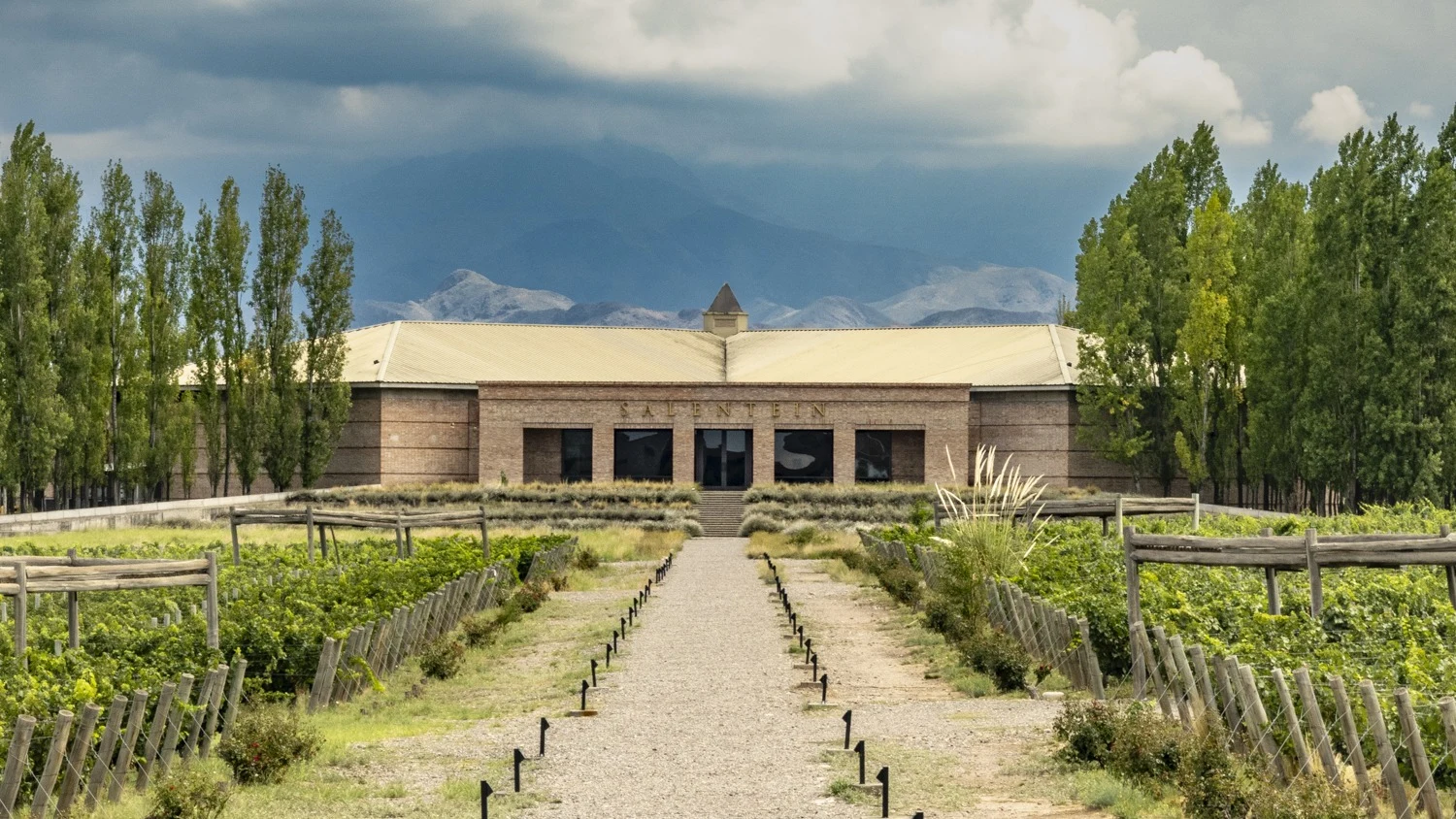
| Bodegas Salentein | Tunuyán | World's 50 Best |
| Champagne Salon | Le Mesnil-sur-Oger | · |
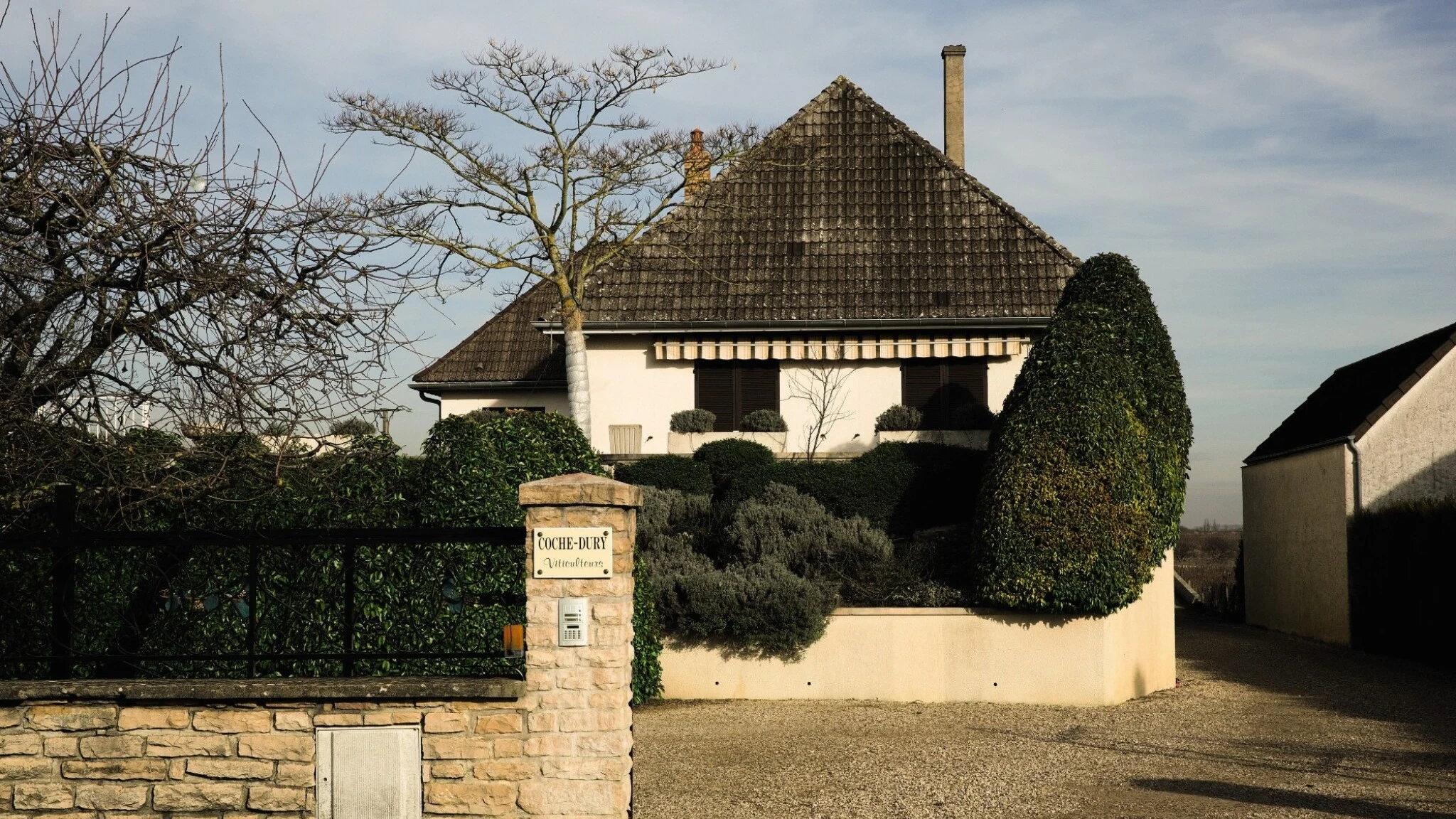
| Domaine Coche-Dury | Meursault | · |
| Domaine Méo-Camuzet | Vosne-Romanée | · |
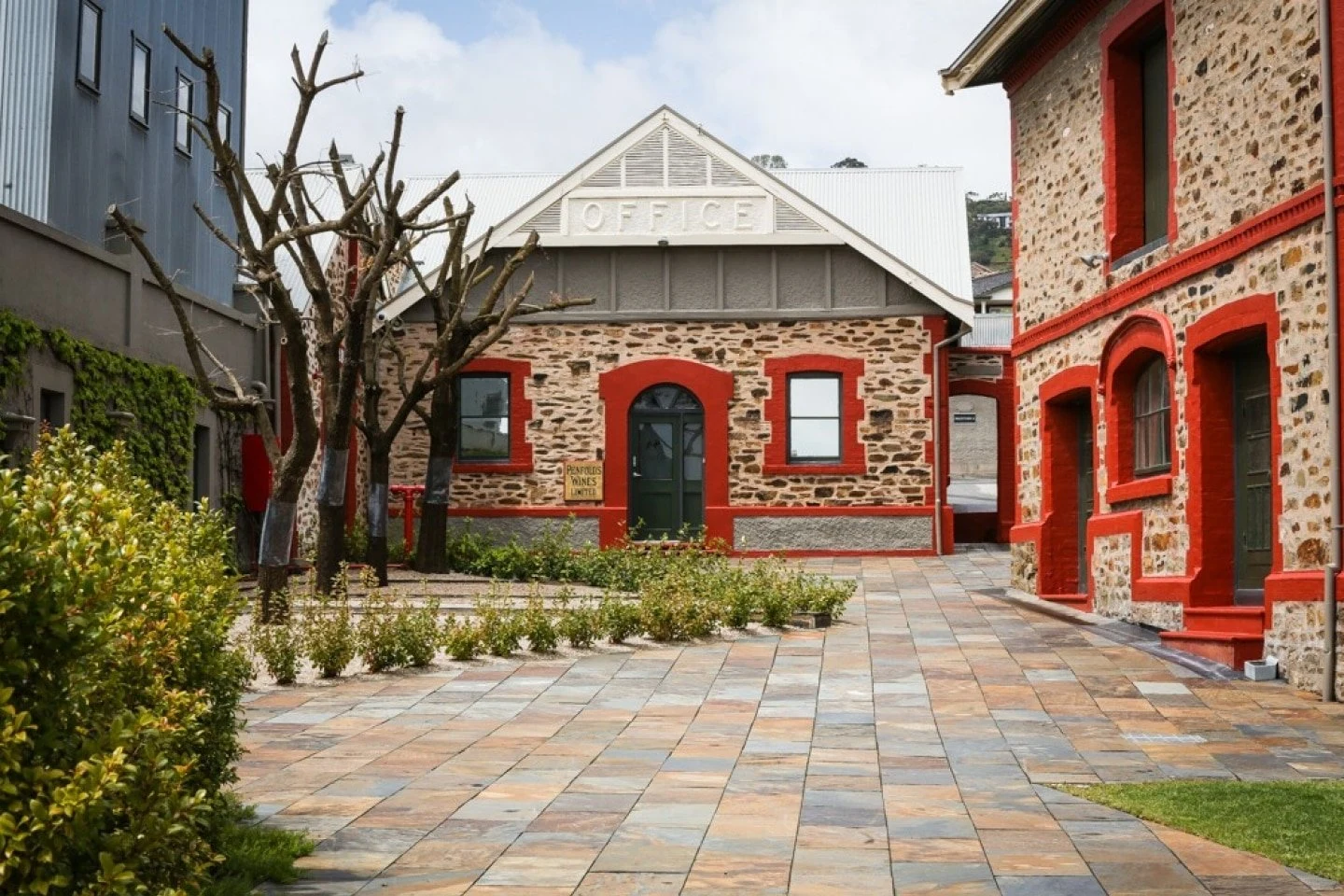
| Penfolds Magill Estate | Magill | · |