- Michelin Plate · 2026
- Opinionated About Dining Top Restaurants in Japan Ranked #91 · 2026
- Tabelog Chef's Gold #1: 4.4pts · 2026
- Tabelog Silver #14: 4.4pts · 2026
- La Liste Top Restaurants: 82pts · 2026
- Michelin Plate · 2025
- Opinionated About Dining Top Restaurants in Japan Ranked #237 · 2025
- Tabelog 100 #85: 4.4pts · 2025
- Tabelog Gold · 2025
- Michelin Plate · 2024
- Opinionated About Dining Top Restaurants in Japan Ranked #209 · 2024
- Opinionated About Dining Top Restaurants in Japan Highly Recommended · 2023
Kyobashi's Quiet Case for Classical French
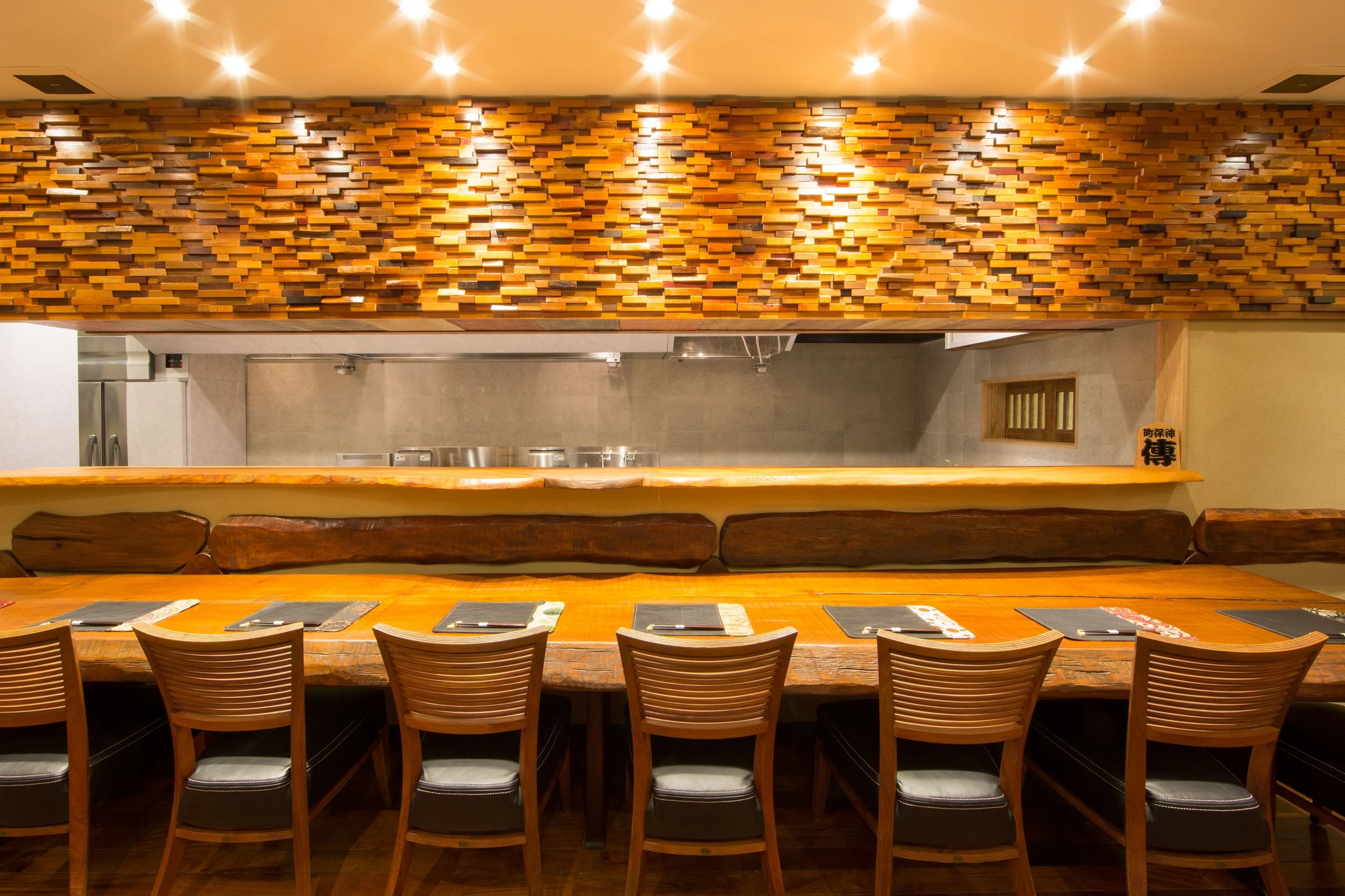
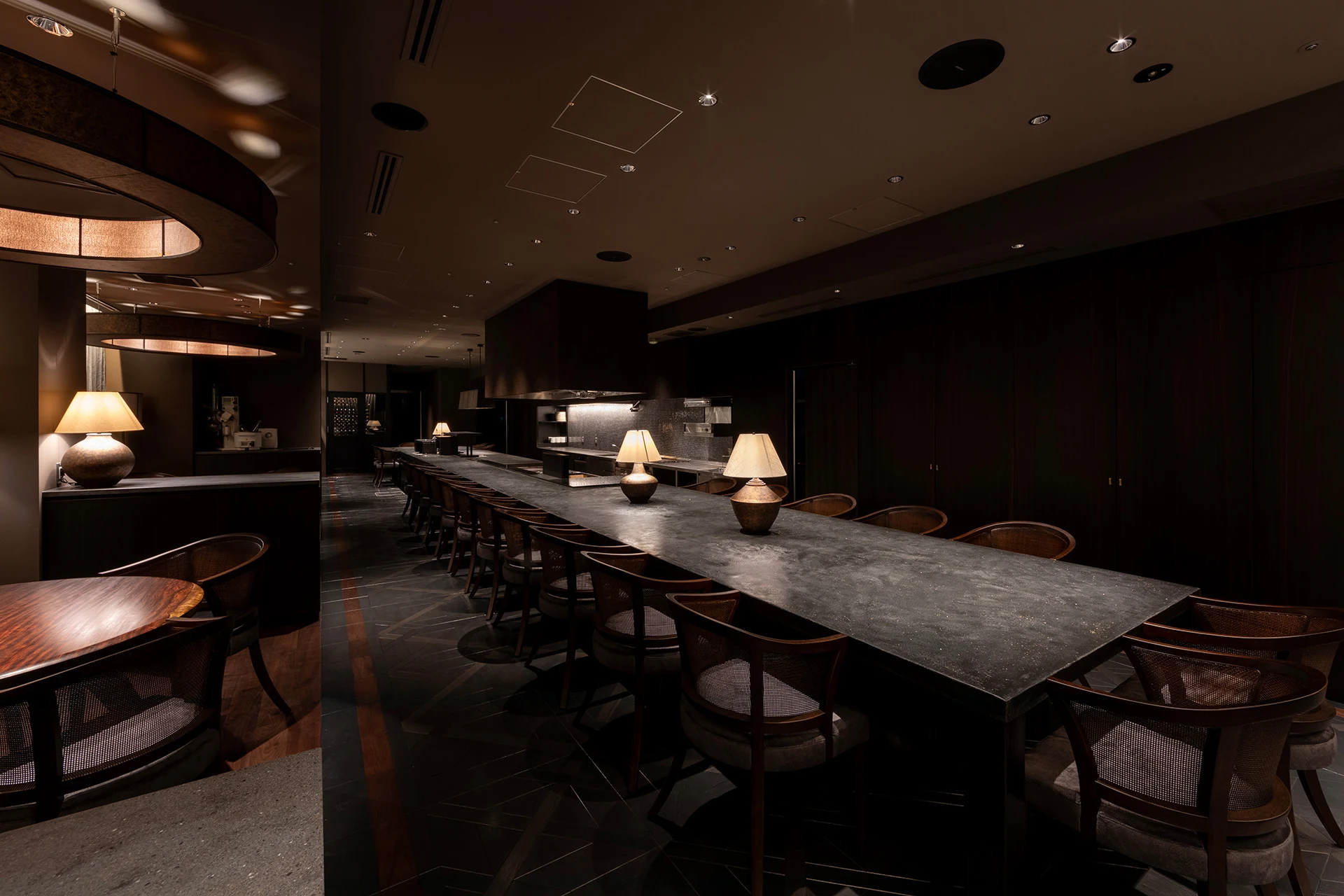
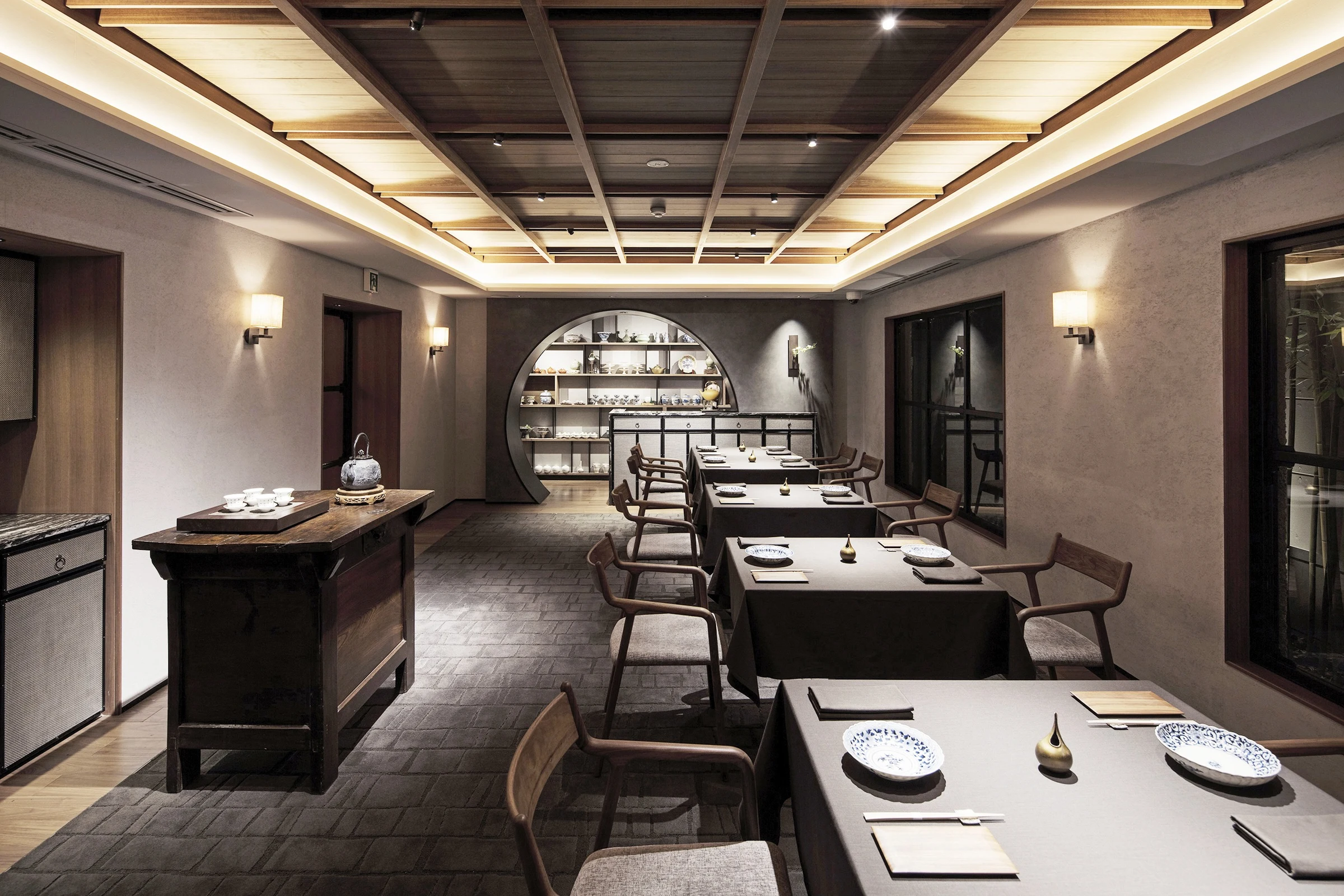
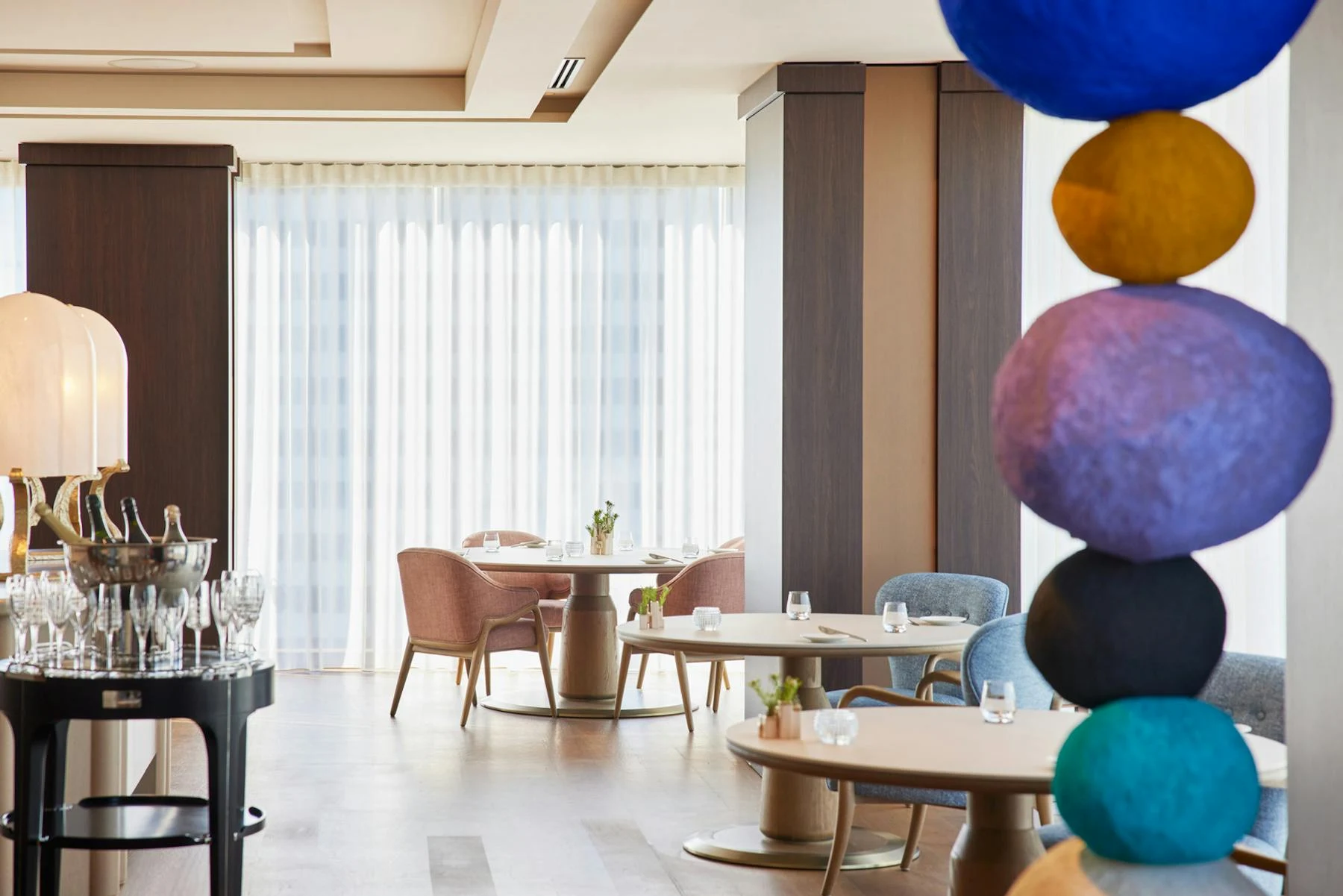
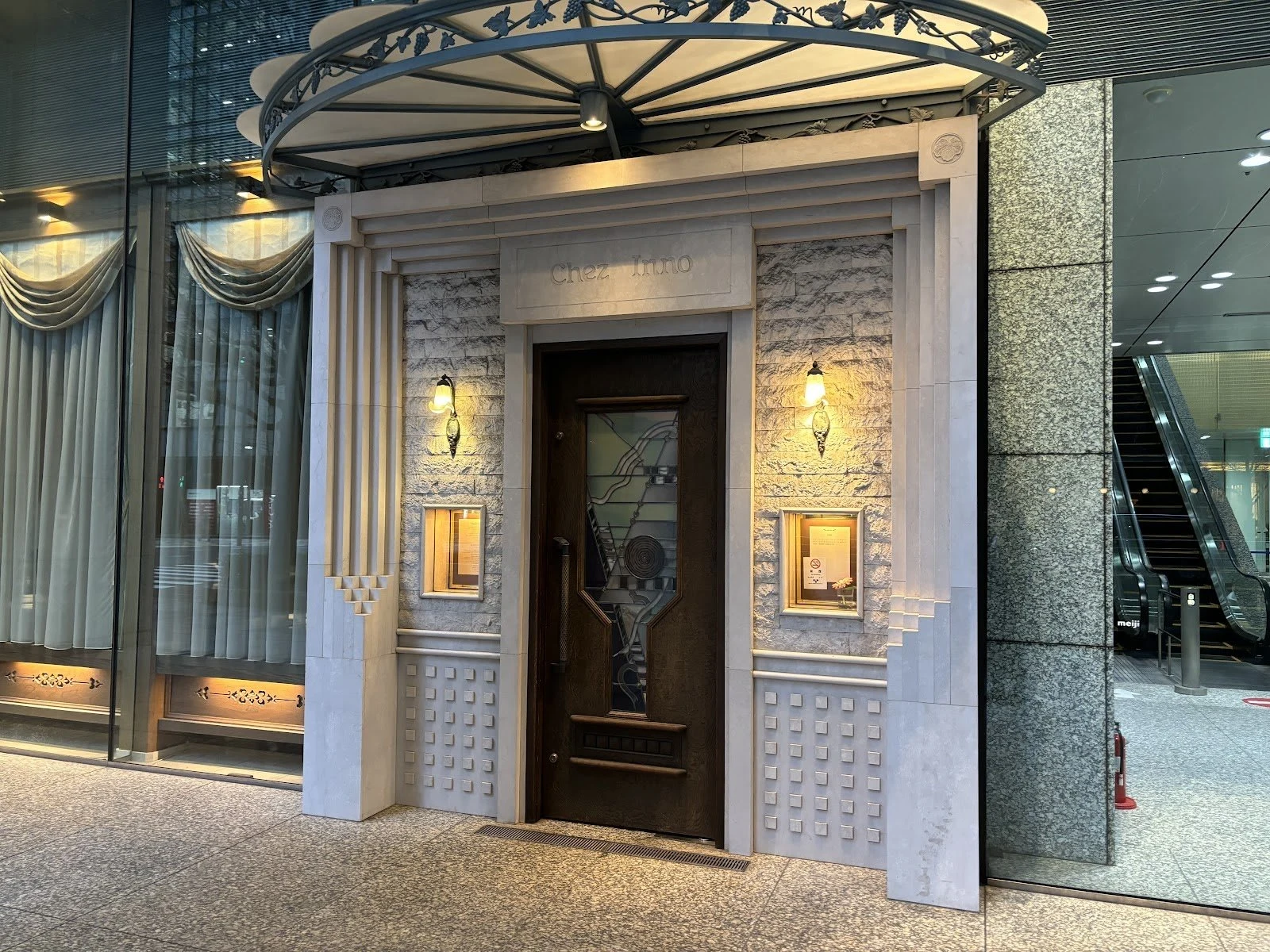
Chez Inno is a formal French restaurant in Tokyo's Kyobashi district, with a ¥250 per person price tier and chef Noboru Inoue at the helm. Kyobashi is a neighbourhood of gallery spaces, mid-century office blocks, and the kind of restaurants that have been filling the same tables for decades without needing to explain themselves. The dining room at Chez Inno occupies the ground floor of the Meiji Kyobashi Building, a space marked by stained-glass details that signal a certain formal European register without tipping into pastiche. The room seats 68, which is notably larger than the intimate omakase counters and eight-to-twelve-seat tasting rooms that dominate Tokyo's upper tier, a deliberate choice that places this kitchen in a different tradition: the French maison de table, where generosity of space is part of the hospitality grammar.
That formal idiom has become less common in Tokyo's French scene over the past decade. The city's most-discussed openings have trended toward either hyper-seasonal Japanese-inflected French (see L'Effervescence and Florilège) or chef-driven contemporary formats at Sézanne and ESqUISSE. Chez Inno occupies the narrower lane of sauce-led classical French, the kind where cooking skill is measured by the depth of a reduction rather than the novelty of an ingredient pairing. For a city with as many French restaurants as Tokyo, that lane has fewer serious occupants than you might expect.
The Arc of a Meal Here
The editorial logic of Chez Inno is most legible when you think about the meal as a sequence rather than a collection of dishes. Classical French tasting menus are constructed around a specific narrative arc: the build from lighter, more acidic early courses toward the dense, wine-saturated register of the main, then the deliberate deceleration through cheese and dessert. That structure, which modern tasting menus frequently compress or deconstruct, remains the operational framework here.
The kitchen's focus on fish in the earlier stages of the menu is a deliberate feature of the house identity. In classical French sequencing, this means the opening courses carry more technical weight than they might at a meat-forward kitchen: precise sauce work, textural contrast, and the calibration of acidity against fat. The lobster terrine cited in the house description is a useful reference point, it is a technically demanding preparation that rewards patience and classical training, not a vehicle for trend-chasing.
Transition to the main course brings the kitchen's signature register into focus. Sauces prepared with wine are described as the pride of the house, and in the classical French context, that means the kind of long-reduction work that cannot be rushed or approximated. The lamb baked in pie crust that appears in the house record belongs to the same tradition: a preparation where the casing manages heat transfer and the sauce carries the final argument. These are dishes that communicate through accumulation rather than surprise, and the 68-seat room, wide enough for tables that breathe, quiet enough for conversation, suits that pace exactly.
Cheese and dessert, in a kitchen operating at this level, are not afterthoughts. The sommelier presence and the noted attention to wine suggest a room where the cheese trolley, if offered, is supported by the kind of pairing intelligence that a dedicated sommelier program provides. The English-language menu availability means international guests can follow the meal's logic without ambiguity.
Sustained Recognition Across a Decade
The Tabelog Award history at Chez Inno is worth reading carefully. Bronze from 2018 through 2021, Silver in 2023 and 2024, and Gold in 2025, this is a record of sustained quality across many annual cycles. The Google rating of 4.7 reflects strong approval from diners. The restaurant also has a La Liste score of 82 points in 2026.
For context, classical French Tokyo includes Château Restaurant Joël Robuchon, which occupies a different scale entirely with its formal garden setting and multi-decade institutional weight. Chez Inno operates without that kind of infrastructure, 68 seats, a single Kyobashi address since its 2004 relocation, and a kitchen identity built on sourcing and sauce work rather than brand expansion. That makes its Tabelog award consistency more meaningful, not less: it reflects repeat reviewer loyalty rather than novelty-driven scores.
When you widen the lens to France's own classical register, Hotel de Ville Crissier in Crissier being a reference point for that tradition, or to how French technique has been absorbed and adapted across Asia at places like Les Amis in Singapore, Chez Inno sits in a specific and serious position: a Tokyo institution that has kept classical French cooking technically honest across multiple decades and multiple shifts in what the dining public finds exciting.
Kyobashi in Context
Arriving at Chez Inno from Kyobashi Station on the Ginza Line takes roughly one minute from Exit 5, a fact that removes any logistical friction from an evening here. Tokyo Station's Yaesu South Exit puts you seven minutes away on foot, which makes the restaurant accessible from almost any point in central Tokyo. The neighbourhood itself sits in the corridor between the commercial density of Ginza to the south and the older merchant-district character of Nihonbashi to the north, an area that has been undergoing gradual architectural renewal without the full tourist saturation of Ginza's main boulevard.
For a broader sense of what Tokyo's dining scene spans across this part of the city and beyond, from the kaiseki register to contemporary Japanese cooking, maps the key options by neighbourhood and style. Beyond the table, , bars guide, , and experiences guide cover the wider city in the same depth.
Across Japan, the same classical-to-contemporary French range appears in different registers at HAJIME in Osaka and the more intimate formats at akordu in Nara. The kaiseki counterpart to Chez Inno's formal seriousness is well represented at Gion Sasaki in Kyoto. For regional Japanese cooking at the top tier, Goh in Fukuoka, 1000 in Yokohama, and 6 in Okinawa extend the itinerary considerably.
Know Before You Go
Address: 2-4-16 Kyobashi, Chuo-ku, Tokyo 104-0031 (Meiji Kyobashi Building, 1F)
Getting there: 1 min walk from Kyobashi Station (Ginza Line, Exit 5); 5 min from Takaracho Station (Toei Asakusa Line, Exit A5); 7 min from Tokyo Station (Yaesu South Exit)
Hours: Monday–Saturday: Lunch 11:30 to 13:30, Dinner 18:00 to 20:30. Closed Sundays, two Mondays per month, and year-end/New Year holidays.
Price: Dinner JPY 30,000 to 39,999; Lunch JPY 15,000 to 19,999. A 13% service charge applies.
Reservations: Available by phone (+81-3-3274-2020) and via the restaurant website (chezinno.jp). Advance booking recommended given consistent Tabelog Award recognition.
Payment: Credit cards accepted (Visa, Mastercard, JCB, Amex, Diners). Electronic money and QR code payments not accepted.
Private rooms: Available for groups of 10 to 20 (capacity 14 to 24 or 35 to 40); full private use available for 50+.
Dress code: Male guests: jacket or collared leading required. Distressed jeans, shorts, and sandals are not permitted.
Seating: 68 seats; wheelchair accessible.
Menu language: English menus available.
Wine: Sommelier on service; wine program given particular attention.
Parking: Not available on-site; public lots nearby (no restaurant discount).
Questions
Frequently asked
Who works at Chez Inno?
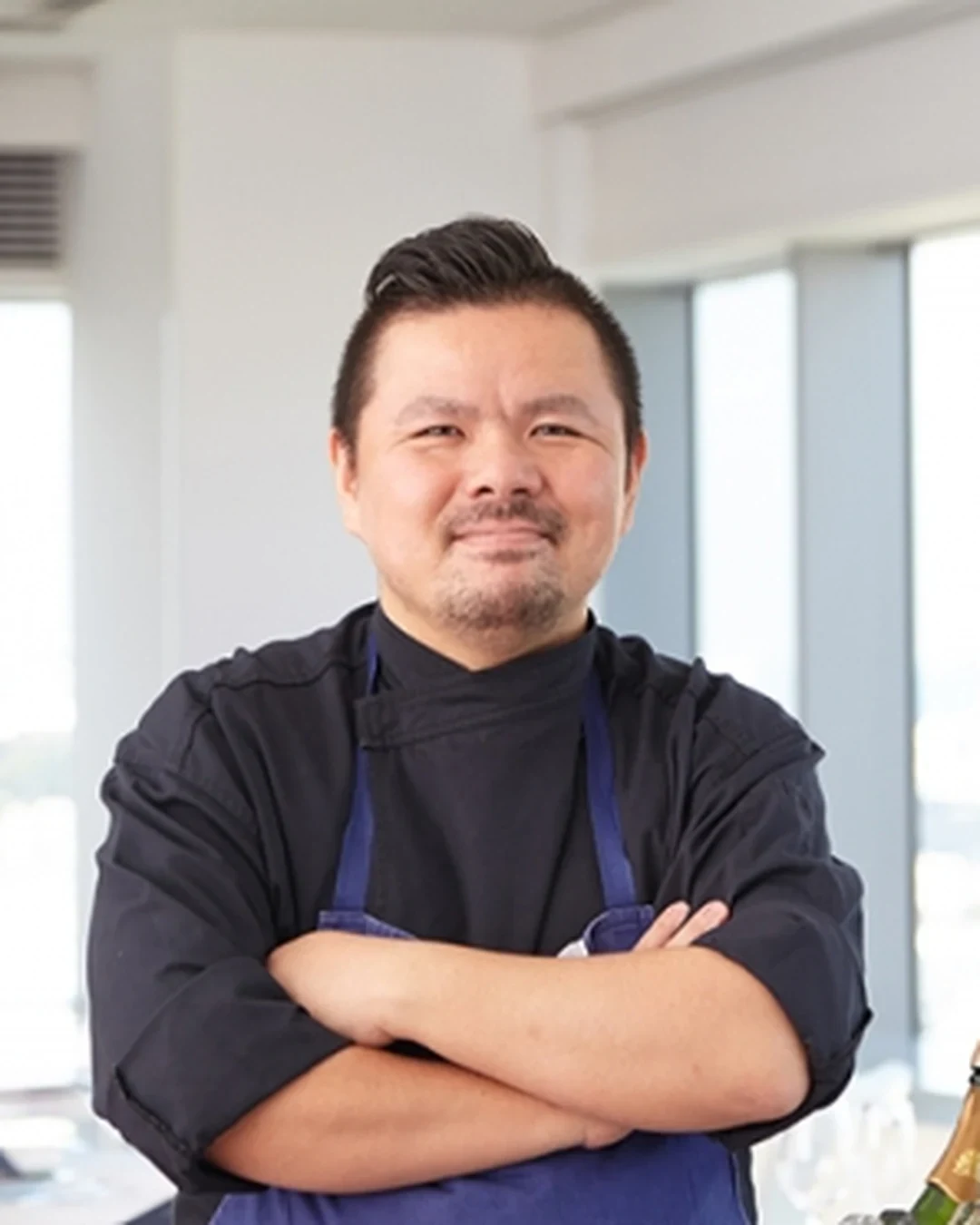
Made By profiles Junya Teshima (Chef) at Chez Inno.
How expensive is Chez Inno?
Chez Inno is listed at a price level of $$$$.
Where is Chez Inno and what does it serve?
Chez Inno is in Chūō, Tokyo, serving Classic French Grand Maison.
The field
How it compares
| Place | Cuisine | Notes | Awards |
|---|---|---|---|
| Chez Inno | Classic French Grand Maison | Chūō, $$$$ | · |
| Den | Modern Japanese Kaiseki | Tokyo | Michelin 2 Stars, World's 50 Best |
| Florilège | Modern French-Japanese Plant-Based Fine Dining | Tokyo | Michelin 2 Stars, World's 50 Best |
| Narisawa | Modern Japanese Satoyama Fine Dining | Tokyo | Michelin 2 Stars, World's 50 Best |
| Quintessence | Modern French Fine Dining | Tokyo | Michelin 3 Stars |
| Sazenka | Modern Chinese Fine Dining | Tokyo | Michelin 3 Stars, World's 50 Best |
| Sézanne | Modern French Fine Dining | Tokyo | Michelin 3 Stars, World's 50 Best |
In residence
Similar places
Modern Japanese Kaiseki
Den
Tokyo, Japan
★★ · 50 Best
Modern French-Japanese Plant-Based Fine Dining
Florilège
Tokyo, Japan
★★ · 50 Best
Modern Japanese Satoyama Fine Dining
Narisawa
Tokyo, Japan
★★ · 50 Best
Modern French Fine Dining
Quintessence
Tokyo, Japan
★★★
Modern Chinese Fine Dining
Sazenka
Tokyo, Japan
★★★ · 50 Best
Modern French Fine Dining
Sézanne
Tokyo, Japan
★★★ · 50 Best