Coop's Place
- 01CuisineAuthentic Cajun & Creole
- 02CityNew Orleans, United States
From the people index
Recommended by
One trusted voice points here.
Decatur Street After Dark
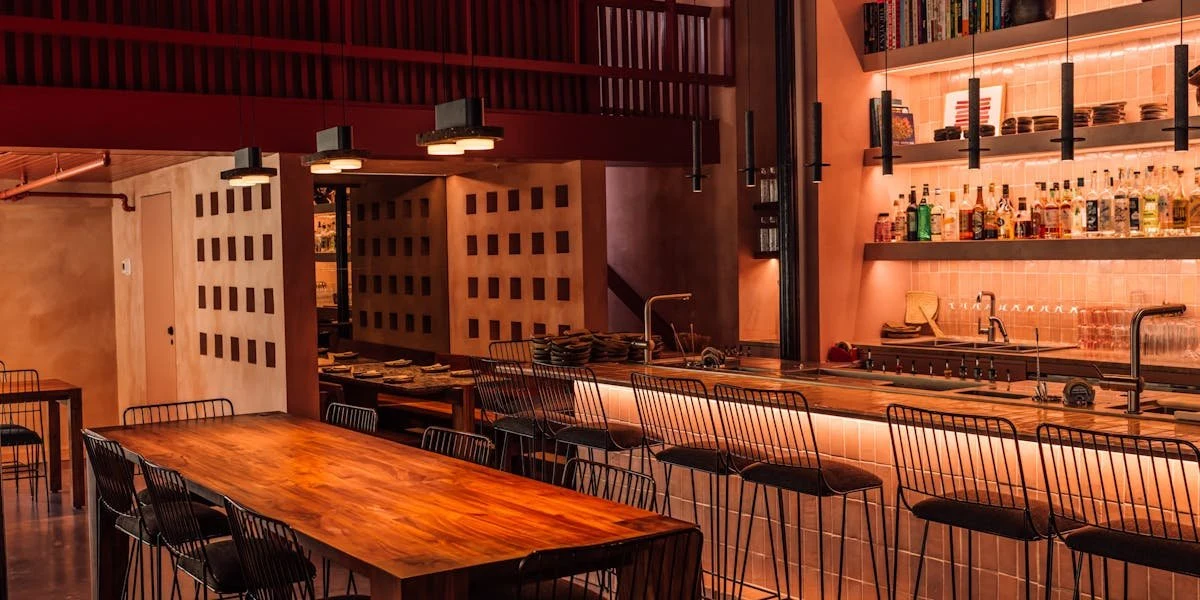
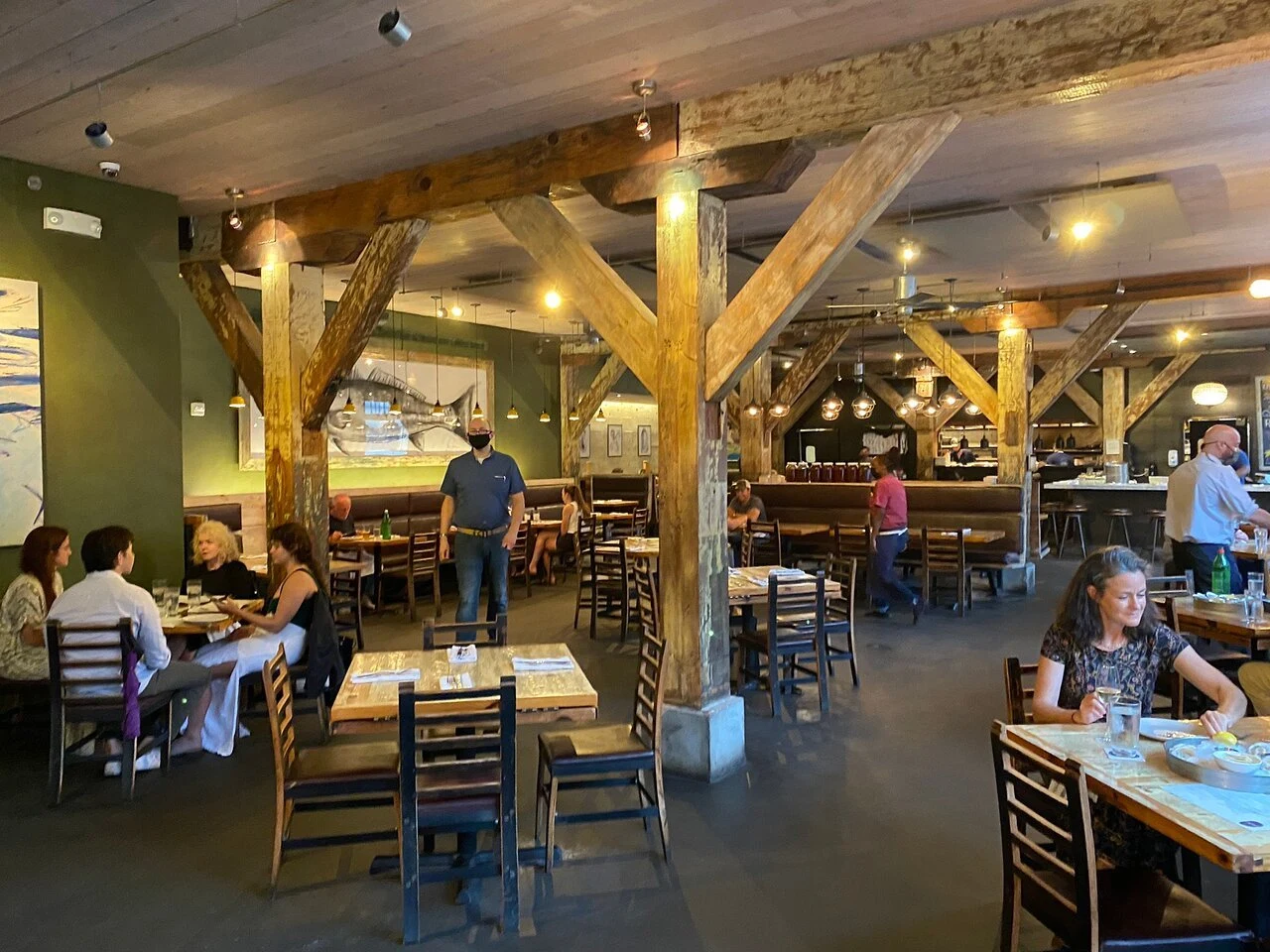
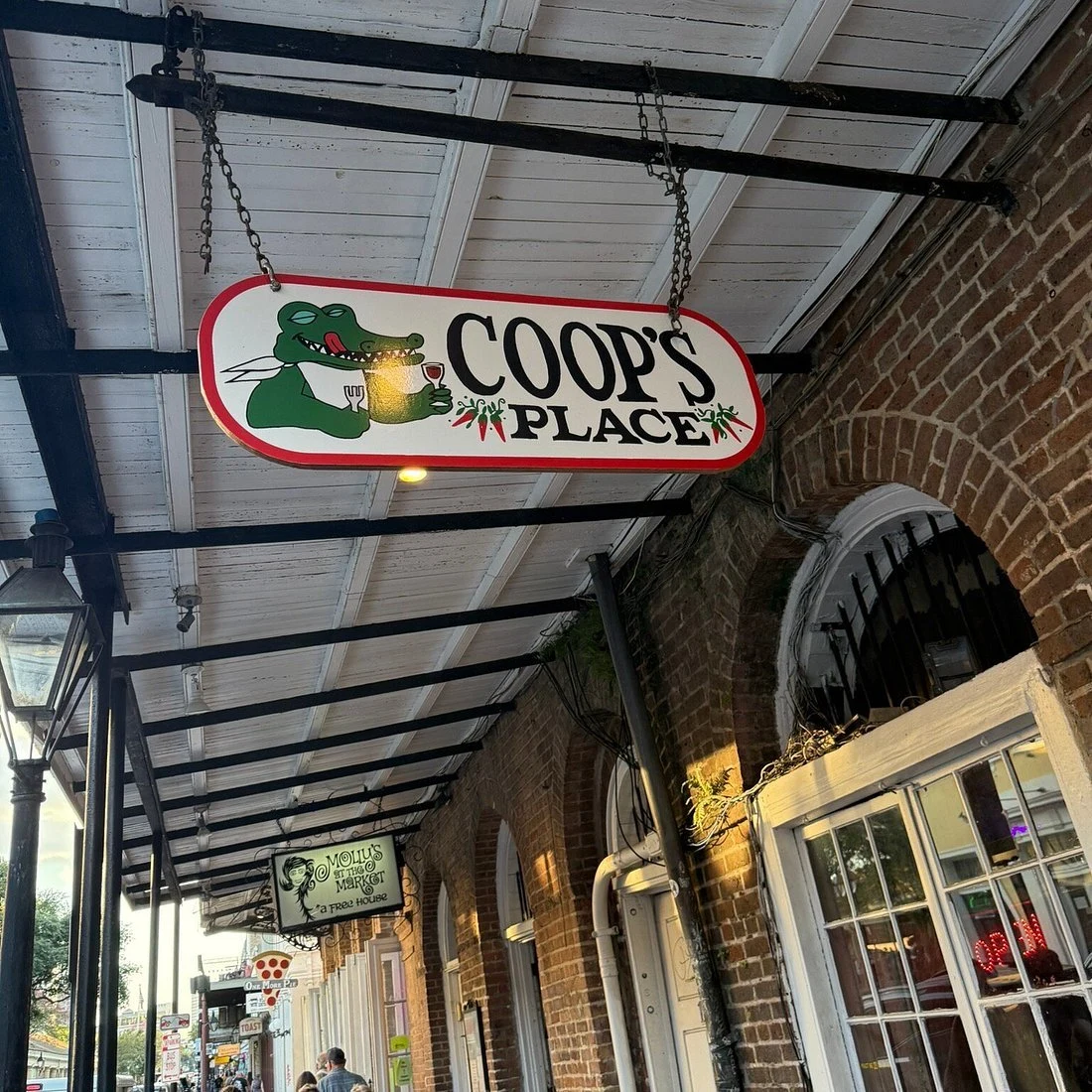
Coop's Place occupies a worn, narrow commercial space that communicates its priorities immediately. The bar runs along one wall, the tables are close together, and the lighting is dim enough to suggest the place has never been updated with ambiance in mind. That is not a criticism. In a city where Decatur Street properties cycle through concepts at alarming speed, a room that looks exactly as functional as it needs to be is its own form of editorial statement.
What the Room Tells You Before the Food Arrives
The physical container here belongs to a recognizable New Orleans archetype: the neighborhood bar that serves food serious enough to make the food the reason for coming. Dark-painted walls absorb what little light enters from the street. The bar stools are high and close to the counter. Tables occupy whatever floor space remains, with no particular effort at acoustic separation. In design terms, this is the anti-concept restaurant: every decision points toward function, longevity, and cost of entry low enough that the room stays full of locals rather than guided groups.
This places Coop's in a specific competitive tier on the New Orleans dining spectrum. It is not positioned against the white-tablecloth Creole tradition represented by Commander's Palace, nor does it share a lane with the more polished Cajun territory at Emeril's. It sits further from the contemporary fine-dining register of Saint-Germain or Re Santi e Leoni than geography alone would suggest. The comparison set that matters here is the city's older, cash-register-and-ceiling-fan category: places where the food is the credential and the room is simply the room.
The Cooking Tradition Behind the Address
New Orleans has a well-documented habit of preserving cooking traditions that other American cities have largely abandoned. The Cajun and Creole distinction, often collapsed in tourist-facing contexts, matters here in practical terms: Cajun cooking tends toward the rural, the spiced, the one-pot; Creole draws from the city's layered French, Spanish, and African influences toward something more sauce-forward and refined. Coop's Place operates in the Cajun register, which on Decatur Street represents a deliberate choice. The French Quarter's commercial core skews toward the Creole side of the ledger, meaning a genuinely Cajun-focused kitchen in this location is operating against neighborhood default rather than with it.
That orientation connects Coop's to a broader pattern in American regional cooking, where particularly durable neighborhood spots tend to anchor themselves to a specific tradition and execute it consistently rather than chasing broader appeal. The comparison across American cities worth making is between this kind of place and the tasting-menu tier: venues like Le Bernardin in New York City, The French Laundry in Napa, Lazy Bear in San Francisco, or Smyth in Chicago occupy a different axis entirely. Coop's is the counter-argument: that longevity in a specific tradition, served in an unembellished room, builds a different kind of authority. Other American institutions worth noting in this register include Single Thread Farm in Healdsburg, Providence in Los Angeles, Blue Hill at Stone Barns in Tarrytown, Addison in San Diego, The Inn at Little Washington, Frasca Food & Wine in Boulder, Atomix in New York City, and Atelier Moessmer Norbert Niederkofler in Brunico. They share almost nothing with Coop's in format or price, but they share the logic of commitment to a defined culinary position.
Where It Sits in the Wider French Quarter Dining Picture
The French Quarter presents a particular challenge for serious eating: the density of tourist foot traffic creates market conditions that reward spectacle over craft. Most of the genuinely serious kitchens in the city have migrated toward the Garden District, the Warehouse District, or the stretch of Magazine Street that now anchors much of the independent dining scene. The addresses that have held ground in the Quarter tend to do so because they arrived early enough and built enough of a local following to survive the surrounding commercialization.
Within the Quarter's current food offering, Coop's occupies the same general tier as working-class neighborhood institutions that have outlasted multiple waves of gentrification and concept turnover. For comparison in the same city, Bayona represents a different approach: a French Quarter address that operates at a higher price tier with a more composed New American format. Zasu sits in the American Contemporary register with a more polished service model. These are not competitors so much as coordinates, helping to map where Coop's sits in the city's dining architecture.
Timing and the Decatur Street Logic
Decatur Street operates on French Quarter time, which means the evening population shifts significantly after 9pm as dining gives way to nightlife. Arriving earlier in the evening, before the late-night foot traffic peaks, tends to produce shorter waits and a room that is animated without being difficult.
Know Before You Go
- Address: 1109 Decatur St, New Orleans, LA 70116
- Neighbourhood: French Quarter, lower Decatur corridor
- Booking: Walk-in format; no advance reservation infrastructure confirmed
- Leading timing: Early evening before late-night foot traffic peaks on Decatur
- Atmosphere: Bar-forward, dim, close-set tables; functional rather than designed
- Cuisine register: Cajun-focused; operates independently of the white-tablecloth Creole tradition
Questions
Frequently asked
How expensive is Coop's Place?
Coop's Place is listed at a price level of $$.
Where is Coop's Place and what does it serve?
Coop's Place is in French Quarter, New Orleans, serving Authentic Cajun & Creole.
The field
How it compares
| Place | Cuisine | Notes | Awards |
|---|---|---|---|
| Coop's Place | Authentic Cajun & Creole | French Quarter, $$ | · |
| Acamaya | Contemporary Mexican Seafood | New Orleans | World's 50 Best |
| Commander’s Palace | Modern Creole | New Orleans | · |
| Dakar NOLA | Modern Senegalese Pescatarian Tasting Menu | New Orleans | World's 50 Best |
| Emeril’s | Modern Creole-Cajun Fine Dining | New Orleans | Michelin 2 Stars, World's 50 Best |
| Pêche Seafood Grill | Modern Seafood Grill | New Orleans | · |
| Zasu | Modern American Seafood | New Orleans | Michelin 1 Star |
Similar places
Contemporary Mexican Seafood
Acamaya
New Orleans, United States
50 Best
Modern Creole
Commander’s Palace
New Orleans, United States
Modern Senegalese Pescatarian Tasting Menu
Dakar NOLA
New Orleans, United States
50 Best
Modern Creole-Cajun Fine Dining
Emeril’s
New Orleans, United States
★★ · 50 Best
Modern Seafood Grill
Pêche Seafood Grill
New Orleans, United States
Modern American Seafood
Zasu
New Orleans, United States
★