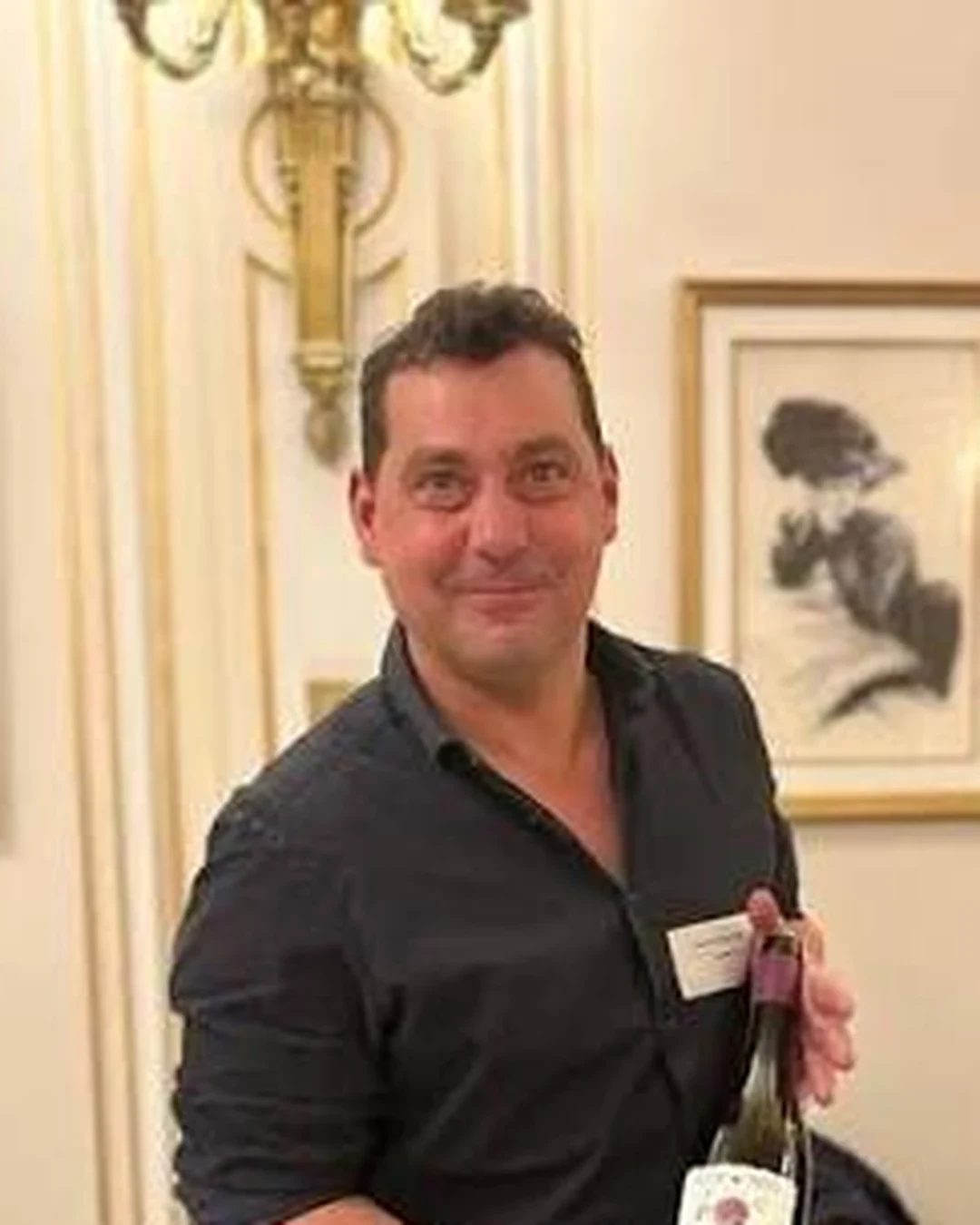
Sylvain Potin, Winemaker at Domaine Clau de Nell in Ambillou Chateau, works biodynamic Anjou fruit through a quiet cellar.
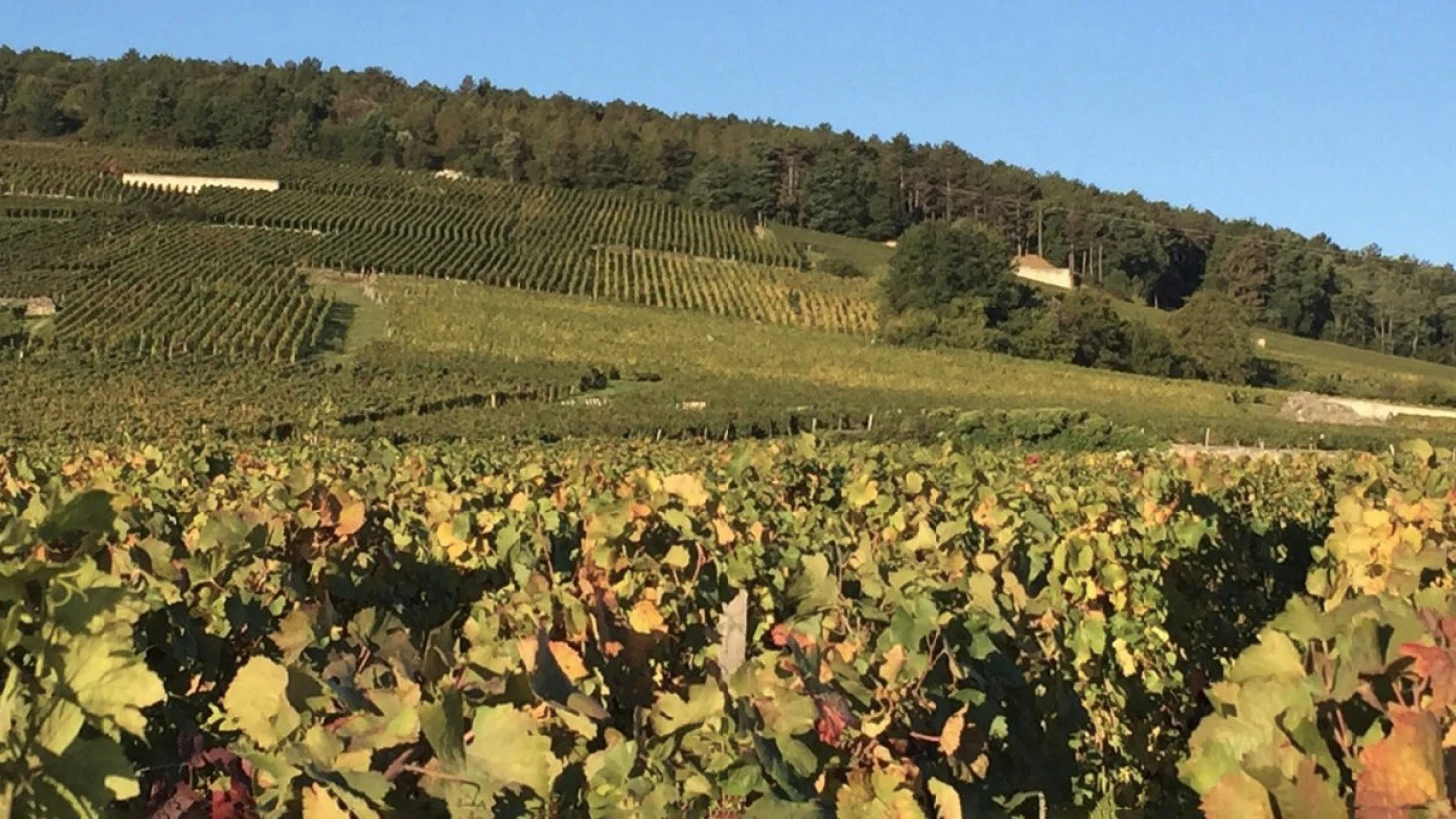
Harvest reaches Sylvain Potin, Winemaker at Domaine Clau de Nell in Ambillou Chateau, by hand, before the fruit moves toward cuvaison. Potin arrived in 2008 as biodynamic viticulturist and winemaker, then added estate manager duties in 2009, bringing the vineyard and cellar under one discipline. His formal grounding came through a school of viticulture, but the long work has been here, on the south-facing knoll of Ambillou-Château in Anjou Noir. The estate itself carries a layered lineage. Claude and Nelly Pichard gave Clau de Nell its name and converted the vineyards to biodynamic cultivation in 2000. Anne-Claude Leflaive and Christian Jacques purchased the domaine in 2008, bringing a Burgundian reading of soil, élevage, and restraint into this part of Anjou. Christian Jacques continues that line of work, and Charlotte Leflaive holds the communications and strategy of the house. Potin’s station sits at the crossing of those histories. He farms Cabernet Franc, Cabernet Sauvignon, Grolleau, and Chenin Blanc with the patience biodynamics asks of a grower, then follows the fruit into a cellar built to keep the site legible. The house works from old vines on sandstone grit, red flint, and tuffeau limestone. It does not ask the cellar to perform over them.
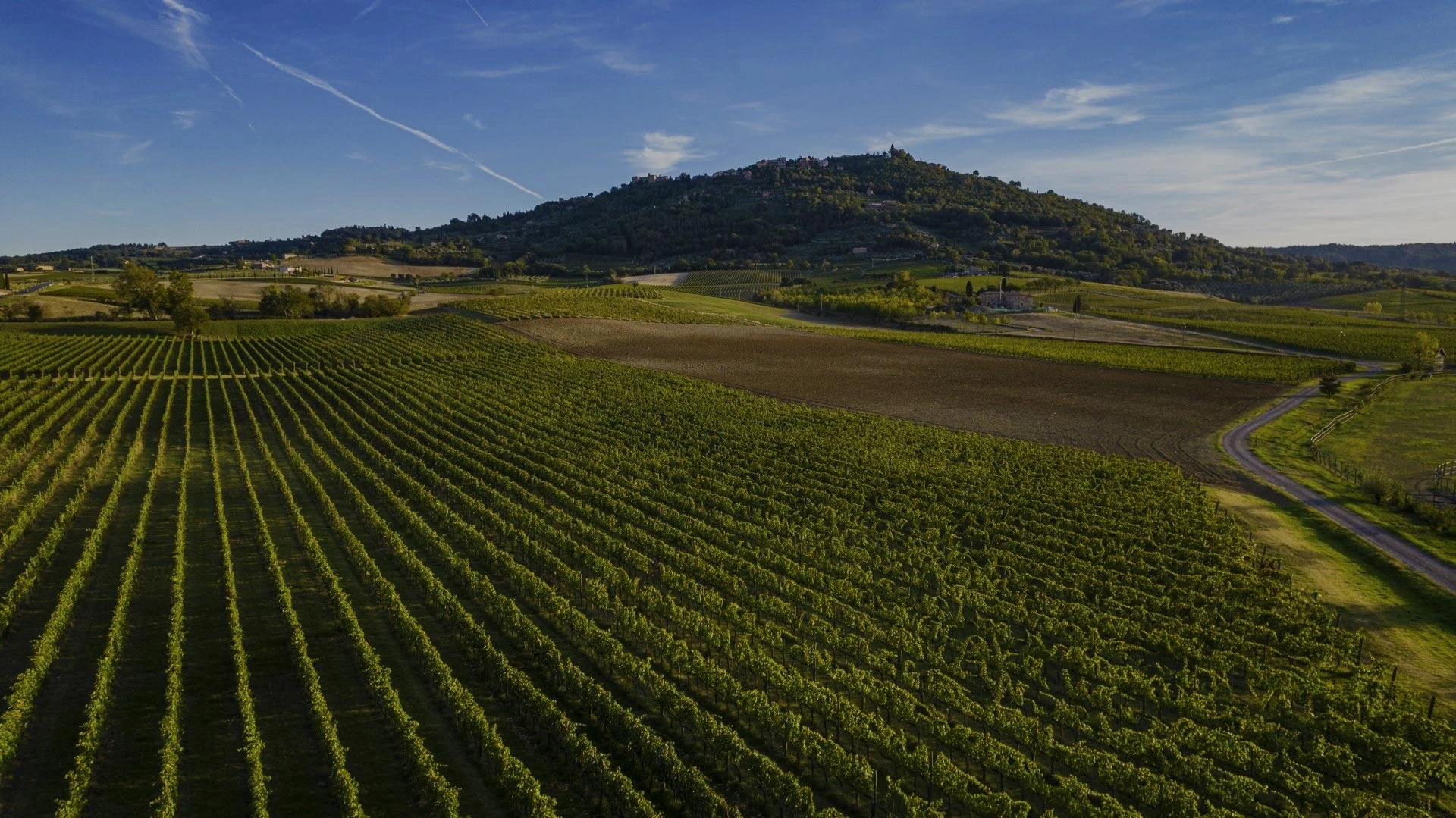
The method at Domaine Clau de Nell begins before the vat. The estate works biodynamically, with Demeter certification and organic certification from Ecocert, and keeps yields under 30 hl/ha. Its main contiguous parcel covers 19.77 acres, with Cabernet Franc on 12.35 acres, Grolleau on 4 acres, and Cabernet Sauvignon on 3.42 acres. A 2-acre Clos des Noyers parcel, purchased in 2011, gave the domaine its own Chenin Blanc, alongside additional biodynamically farmed Chenin fruit from Saumur under a long lease signed in 2012. In the cellar, the fruit is destemmed before cuvaison, which runs 20–30 days. Potin and the team keep the extraction quiet, with gentle punch downs and limited pump overs. Fermentations rely on native yeasts, and some or all whole-cluster bunches enter the work depending on the wine. Élevage lasts 18 months in five-year-old Burgundy oak casks, used 1–5 times, a choice that carries Anne-Claude Leflaive’s Burgundian discipline into Anjou without making the oak the subject. Bottling happens unfined and unfiltered on a fruit day in the biodynamic calendar. The point is not a rustic gesture. It is control by subtraction.
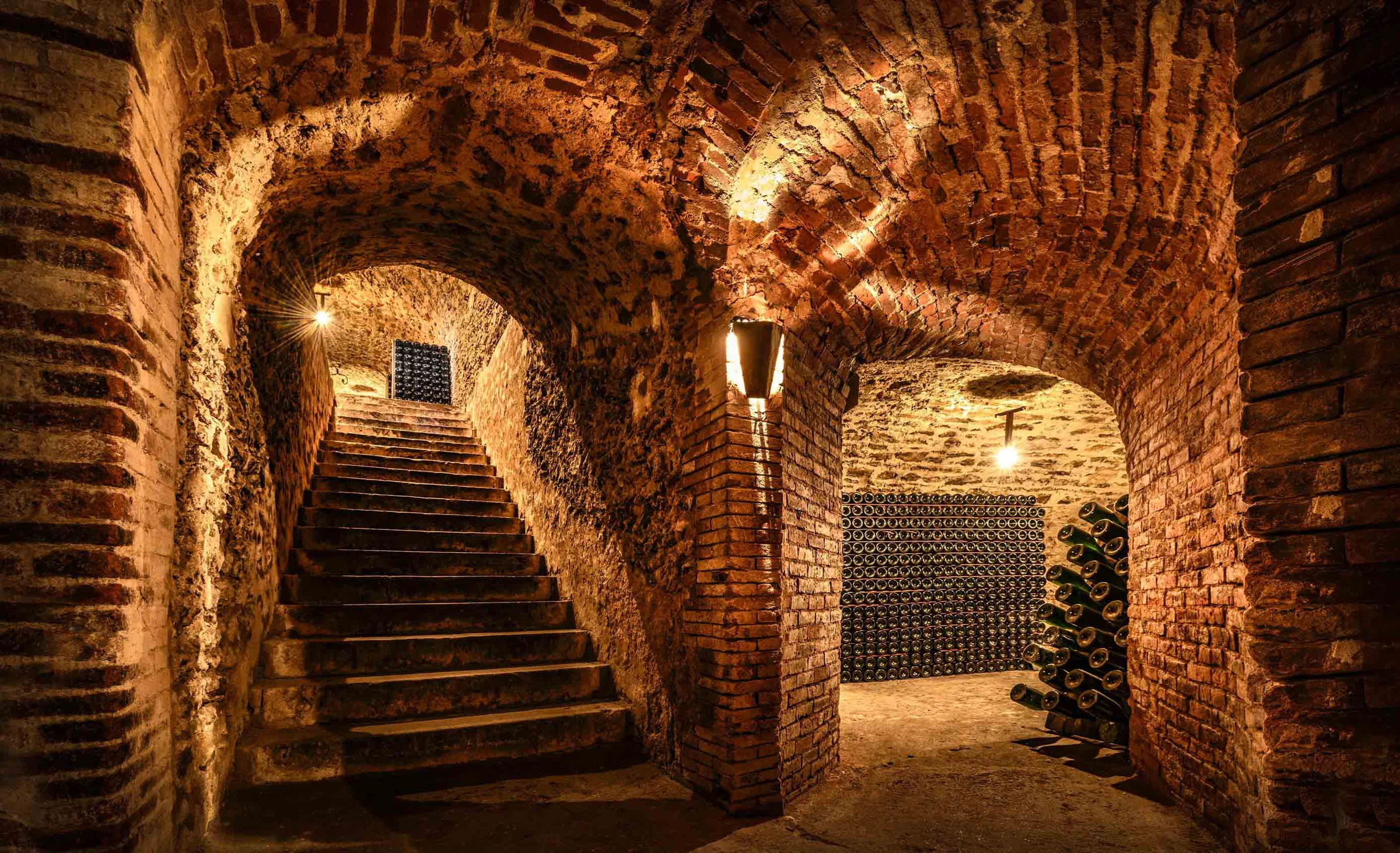
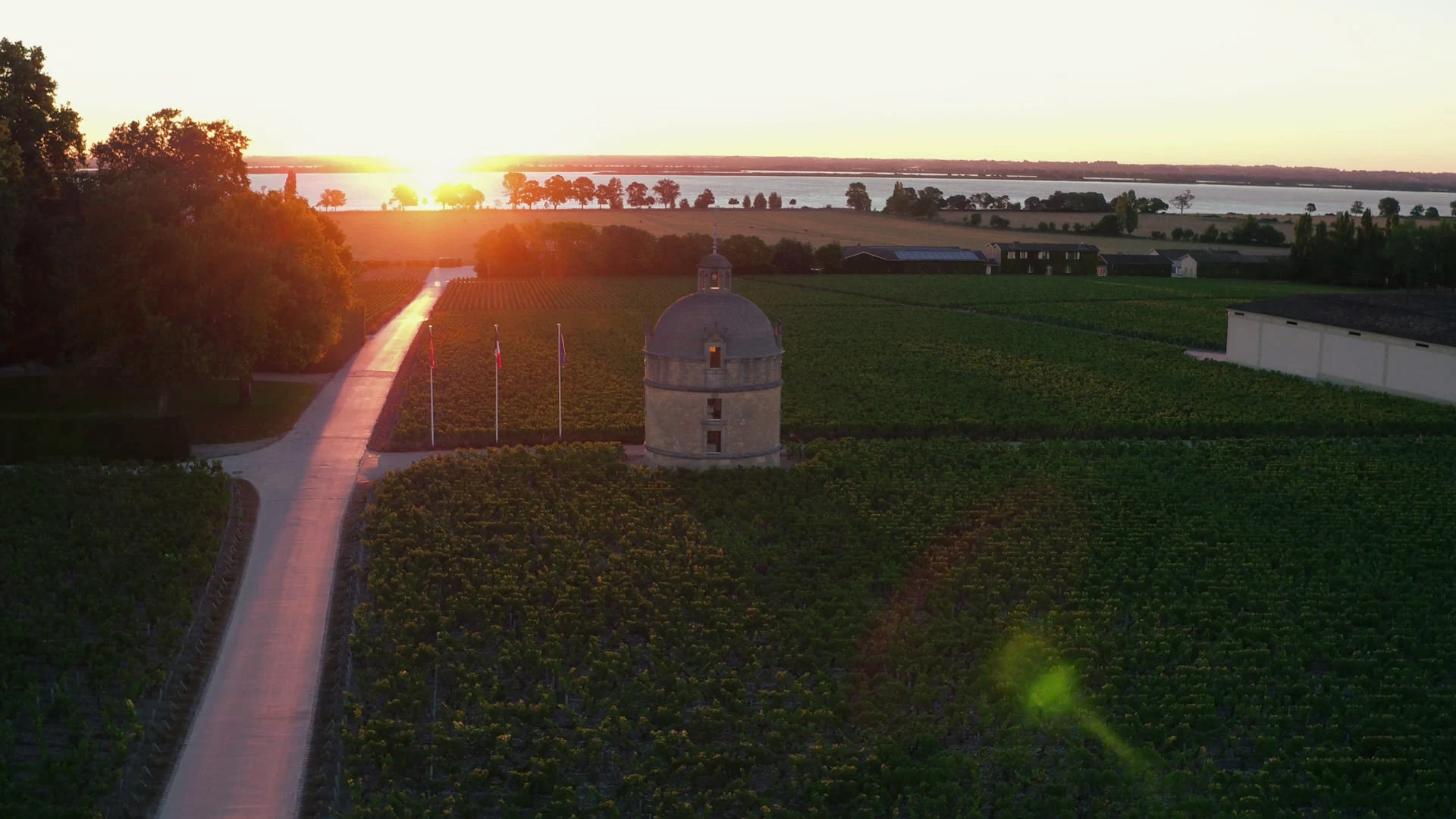
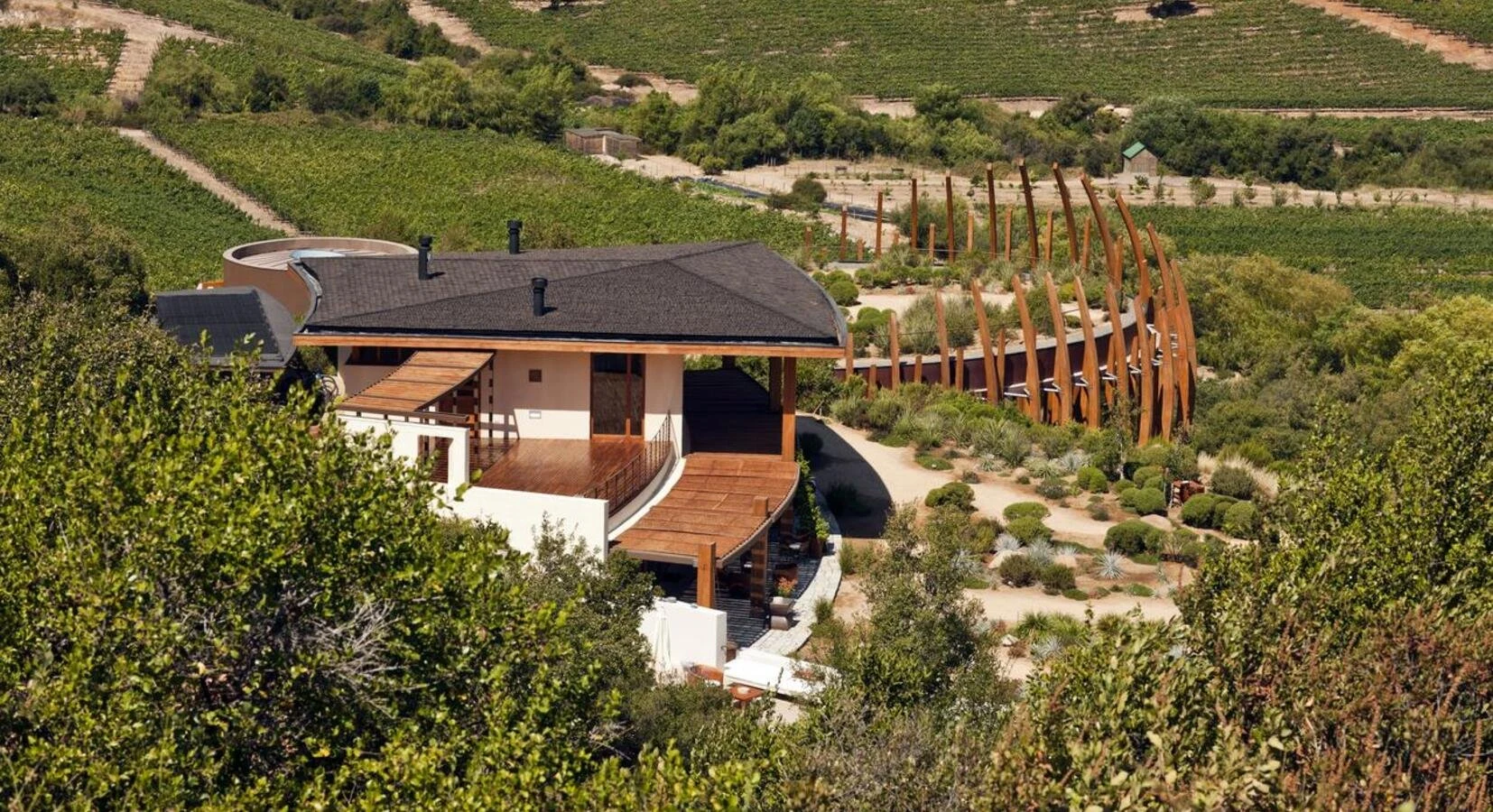
The vineyard sits at 295 feet, southeast of Angers and northwest of Saumur, with the Atlantic Ocean 75 miles away from a distance. On the knoll, Anjou Noir gives the estate its darker geological frame, while tuffeau cuts a colder, paler line through the cellar. The room of the place is quiet: vines outside, a working cellar below, ancient troglodyte limestone caves holding Burgundy casks through slow ageing. There is little theatricality in the setting. The texture comes from practical things, the old stone, the cool cave air, the sequence from sorting to vat to cask. Visitors meet a domaine shaped around the vineyard rather than around spectacle. The cellar is not separate from the rows above it; it is the second half of the same sentence.
That line shows clearly in the named bottles. Falstaff lists the 2016 Anjou AOC Cuvée Violette among the wines tied to Potin’s work here, and the domaine identifies CLAU DE NELL Chenin Blanc 2016 as the first vintage of its 100% Chenin cuvée. The 5e cuvée Blanc de Noir followed as a 2021 release, extending the estate’s habit of asking familiar varieties to speak in a more exact register. If the next chapter stays true to the house, it will begin where Potin keeps beginning, with the fruit of Clau de Nell and the patience of Cuvée Violette.
Ambillou-Château, Center-Val de Loire, Frankreich
Ambillou-Château (Tuffalun), Anjou Noir