Pierre-Antonin Darviot, winemaker at Domaine Darviot-Perrin in Month, works old-vine Burgundy through biodynamic practice with quiet care here.
The fruit reaches the cellar in crates, kept from compacting on the way in. Pierre-Antonin Darviot, winemaker at Domaine Darviot-Perrin in Month, came to the estate through the vines first, beginning as a winegrower in 2017 before taking winemaking duties in 2019. That order matters in a Côte de Beaune domaine where the cellar can only refine what the parcel has already given. Trained at Lycée Viticole de Beaune, he works within a family estate founded in 1989 by Didier Darviot and Geneviève Perrin, after the merger of the Pierre Perrin-Ponsot and Henri-Jean Darviot estates. The lineage reaches back through Geneviève’s father, Pierre Perrin, and the house now speaks through a different generation at the bench. Pierre-Antonin’s route has not been a decorative succession. The estate names him as the person responsible for its day-to-day rhythm, moving between vineyard and cellar with the discipline of someone who learned the property by working it. Across Meursault, Volnay, Chassagne-Montrachet, Monthelie, Pommard and Beaune, the job is parcel by parcel, not abstractly Burgundian.
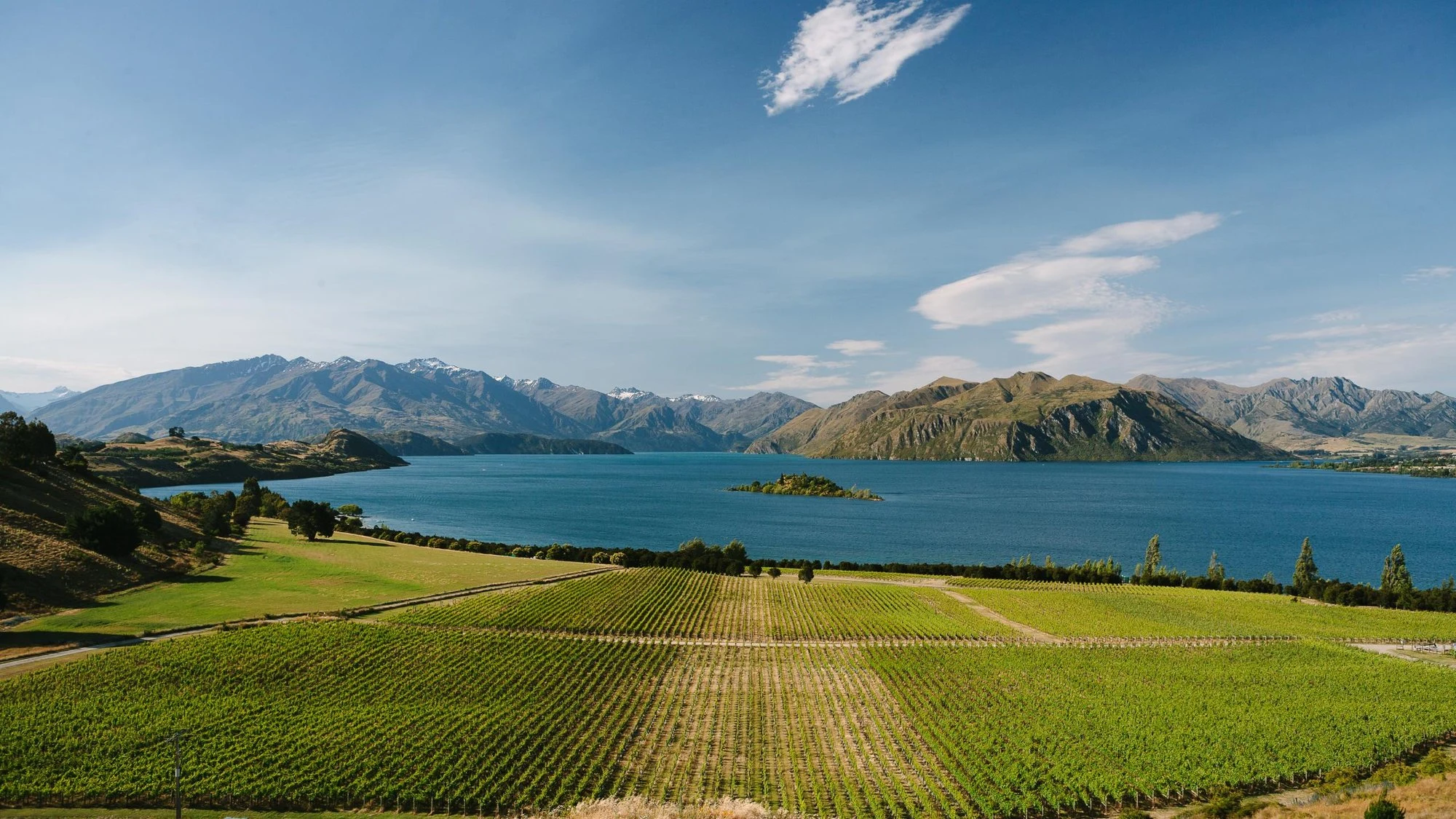
The domaine works biodynamically and holds organic certification from 2022, using herbal teas and compost while avoiding insecticides and weedkillers. The estate is small, around 9–11 hectares, with Chardonnay and Pinot Noir rooted in vines that average 60 years, some exceeding 90 years. Pickers sort selectively on the vine, then the bunches travel in crates to preserve the fruit before it reaches the winery. For reds, the grapes are nearly 100% destemmed, followed by cold maceration for 5–6 days. Pierre-Antonin favors pumping over rather than punching down, a gentler extraction that suits Volnay and Chassagne-Montrachet differently: cuvaison lasts 8 days for Chassagne-Montrachet and 15–17 days for Volnay. The whites are pressed as whole bunches, then given a 24-hour débourbage at 9°C before barrel fermentation with indigenous yeasts at 18–20°C. All wines age in 228-litre oak barrels for 12 months, then spend 7 months in vats. New oak stays measured, approximately 15% for whites and up to 20% for reds.
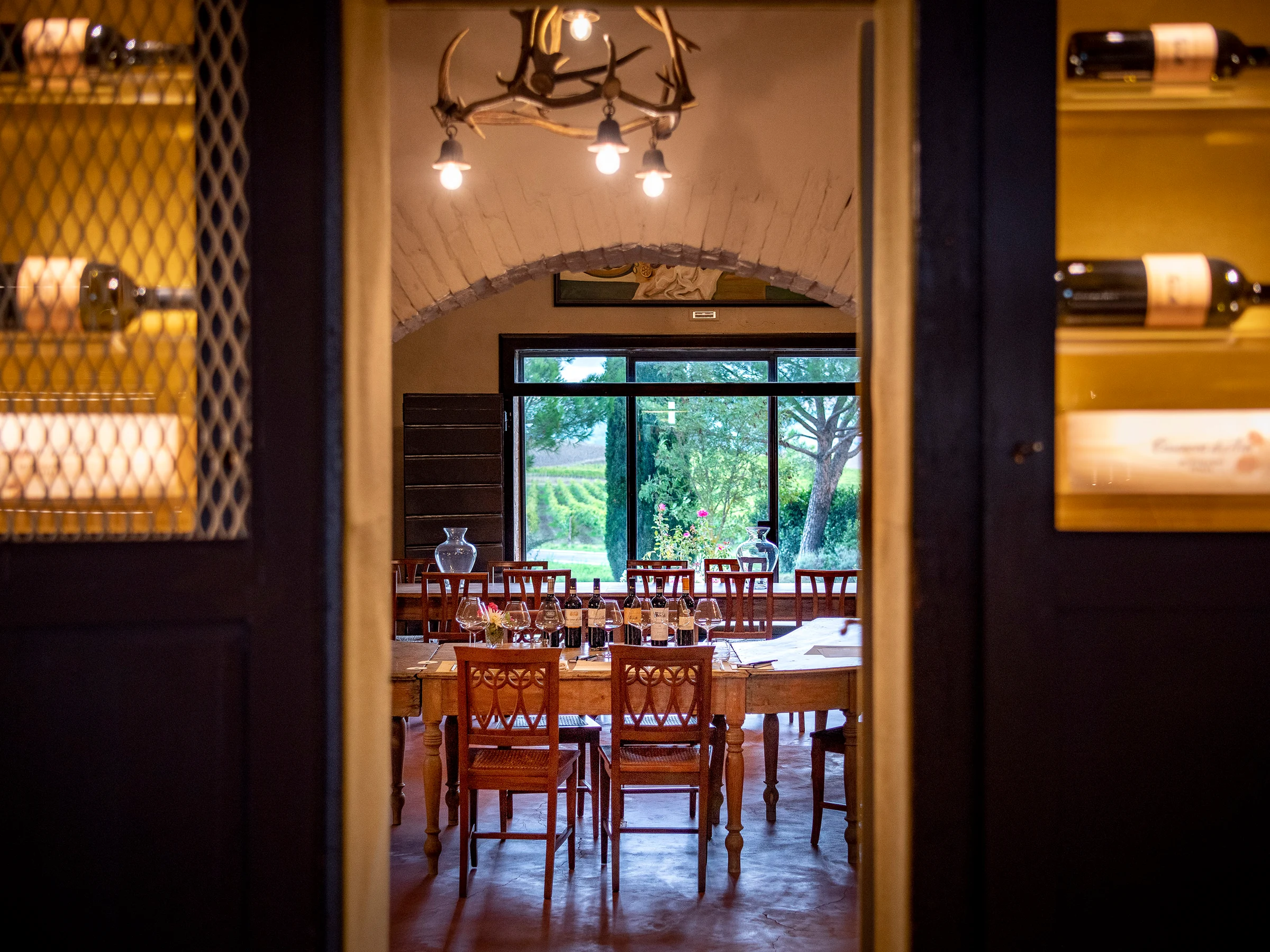
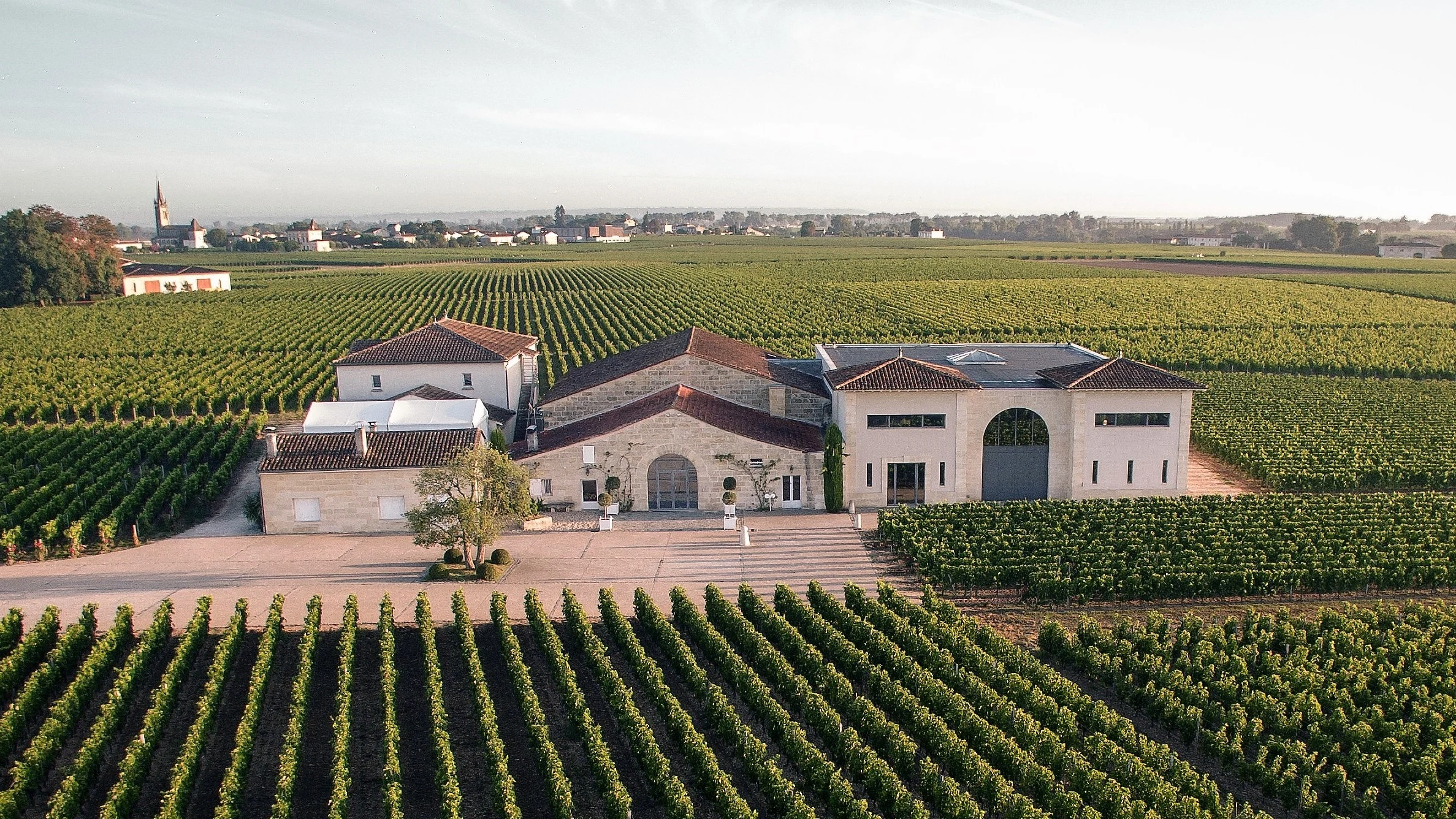
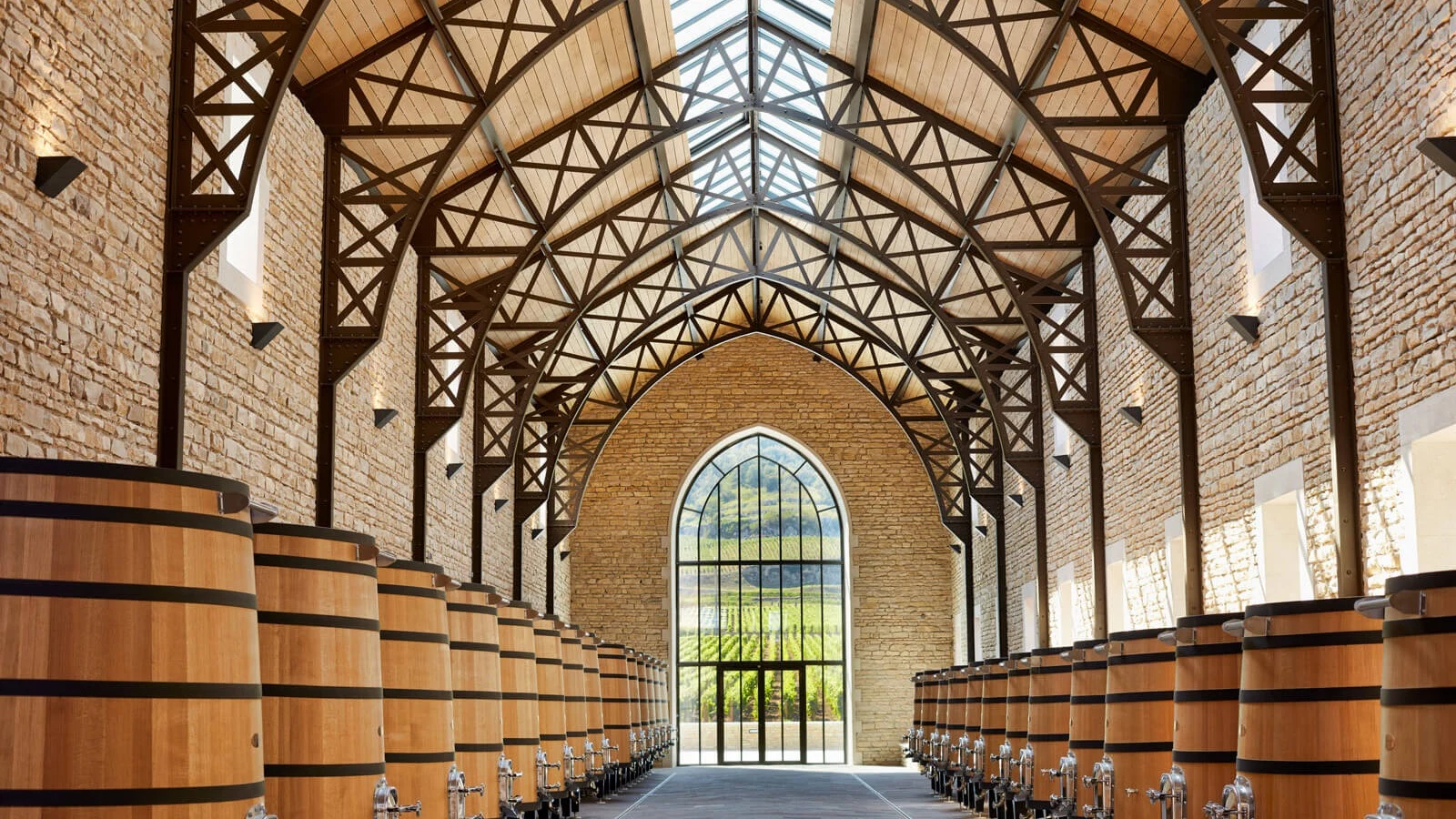
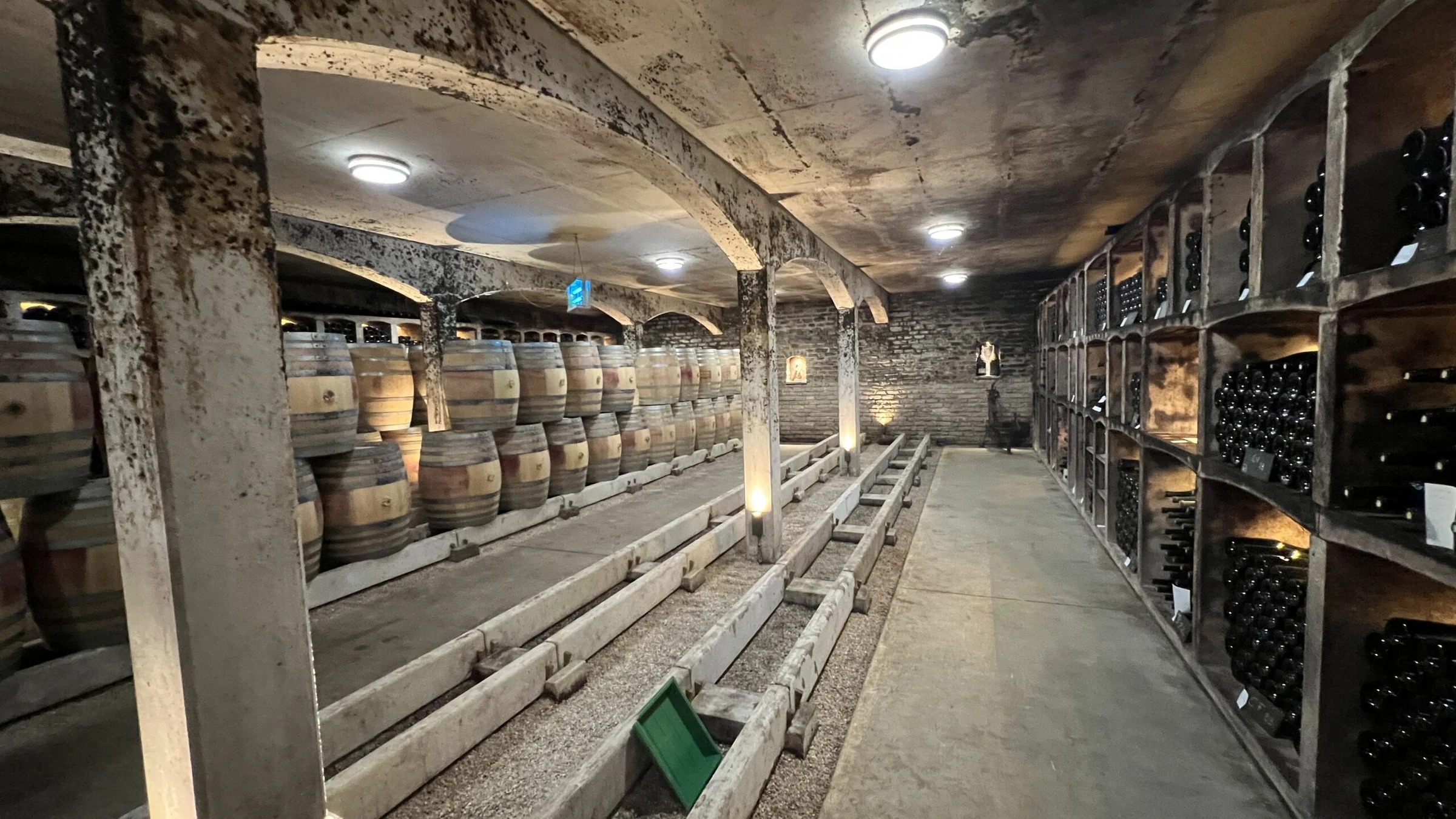
The room here is not built around spectacle. The setting is a traditional Burgundy estate in the village of Monthélie, with the work anchored in the cellar and the vineyards spread through nearby communes. The atmosphere is quiet, family-run, and close to the material facts of the domaine: barrels, vats, old vines, named climats, the difference between Meursault and Volnay carried by fruit rather than décor. Barrel tasting, estate tasting and vineyard tasting belong to that same scale. Nothing in the house’s posture suggests a visitor center trying to explain Burgundy from a distance. The craft stays bench-side, with classic cellar practice doing the persuasive work.
The portfolio is built across 2 regional appellations, 5 village appellations and 7 1er Cru appellations, with single-parcel expression carrying much of the estate’s identity. Meursault 1er Cru Charmes, Meursault 1er Cru Genevrières, Volnay 1er Cru Santenots and Chassagne-Montrachet Blanc 1er Cru Blanchot Dessus sit alongside village wines such as Meursault Les Corbins, Chassagne-Montrachet Blanc La Bergerie and Monthelie Les Crayes. Recent attention to Chassagne-Montrachet Rouge 1er Cru Les Bondues 2023 and Volnay 1er Cru Les Santenots 2022 gives the cellar a concrete next reading. The thread to follow is in the next bottling of Chassagne-Montrachet Rouge 1er Cru Les Bondues.
Month, Bourgogne-Franche-Comté, Frankreich
Monthelie