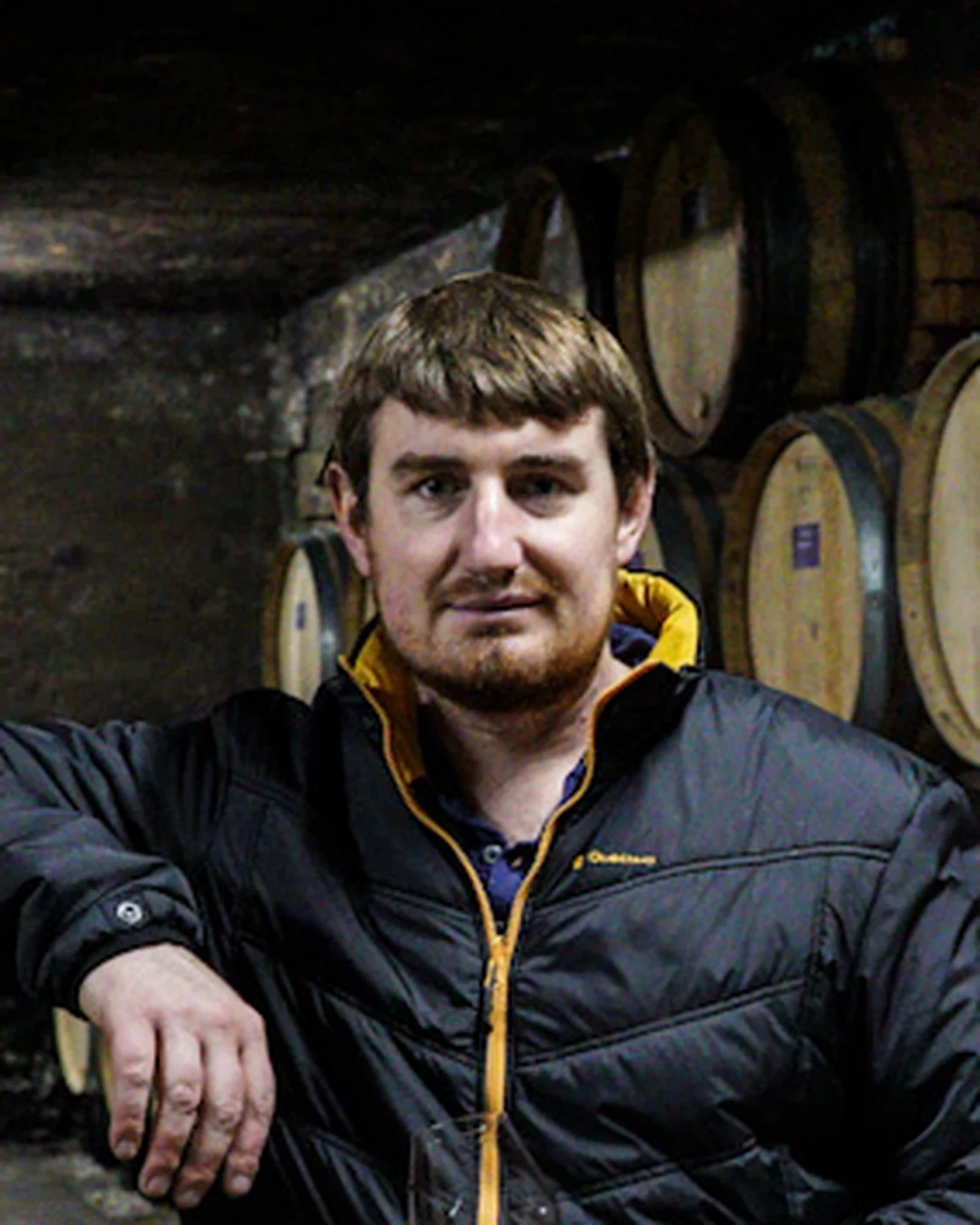
Marc Soyard, winemaker at Domaine de la Cras in Plombieres Les Dijon, works organic Burgundy through natural fermentations.
Whole clusters set the tone for Marc Soyard, winemaker at Domaine de la Cras in Plombieres Les Dijon, where Pinot Noir and Chardonnay come in from the urban edge of Dijon. Marc Soyard did not inherit vines; he came from a non-winemaking family in the Jura, then spent six years as chef de culture at Domaine Bizot in Vosne-Romanée, working with Jean-Yves Bizot before taking on this estate. Since 2014, he has shaped Domaine de la Cras as producer, living with a project that began when the City of Dijon bought a 160-hectare agricultural property and revived a winery that had fallen out of use. The appointment came with terms that matter at the bench and in the rows: organic farming, a young winemaker without family vineyards, and a public, educational life for the domaine. Soyard’s route gives the place its particular pressure. Burgundy often reads through inheritance; here the lineage runs through apprenticeship, repetition, and a civic decision to put a working domaine back into use.
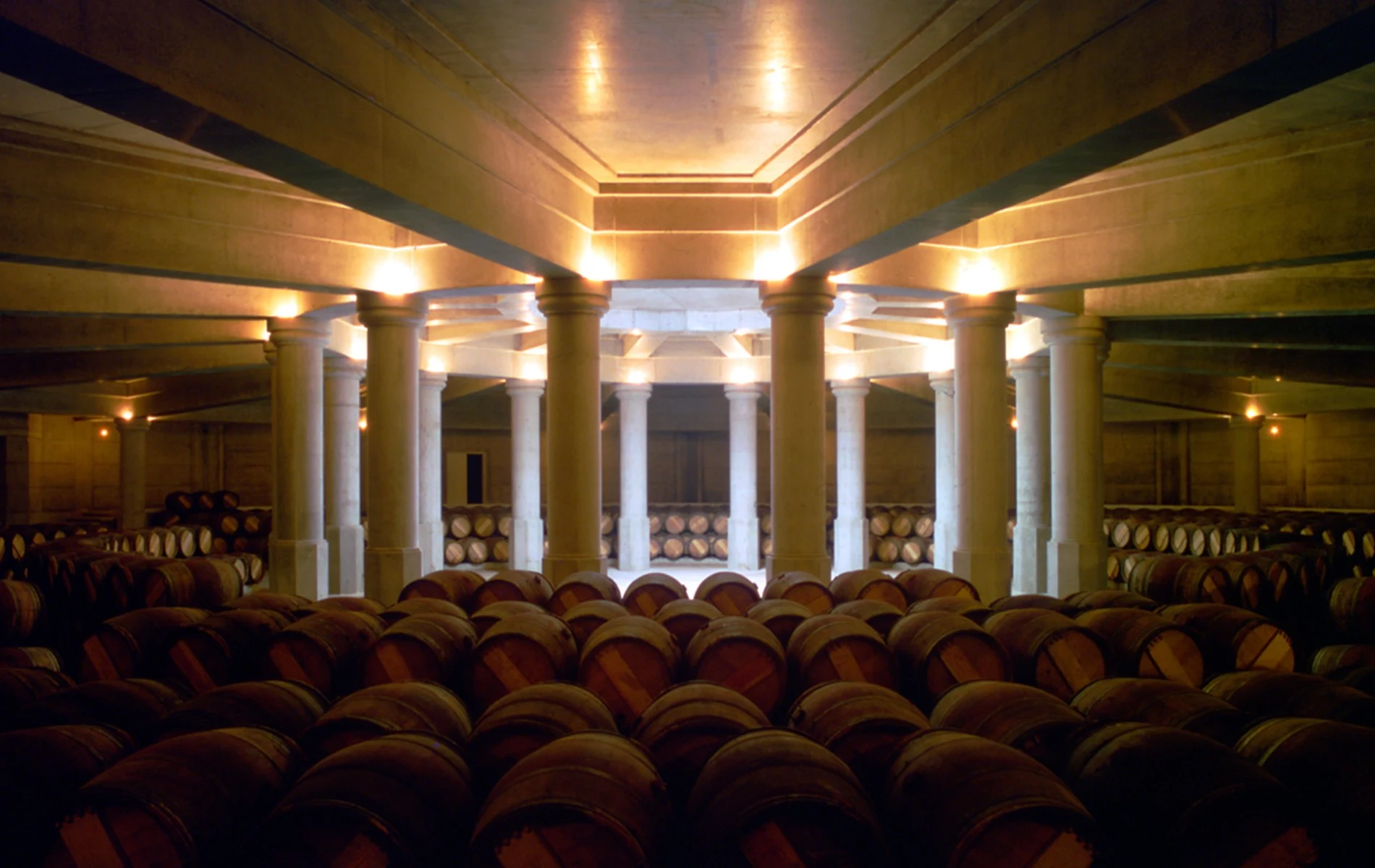
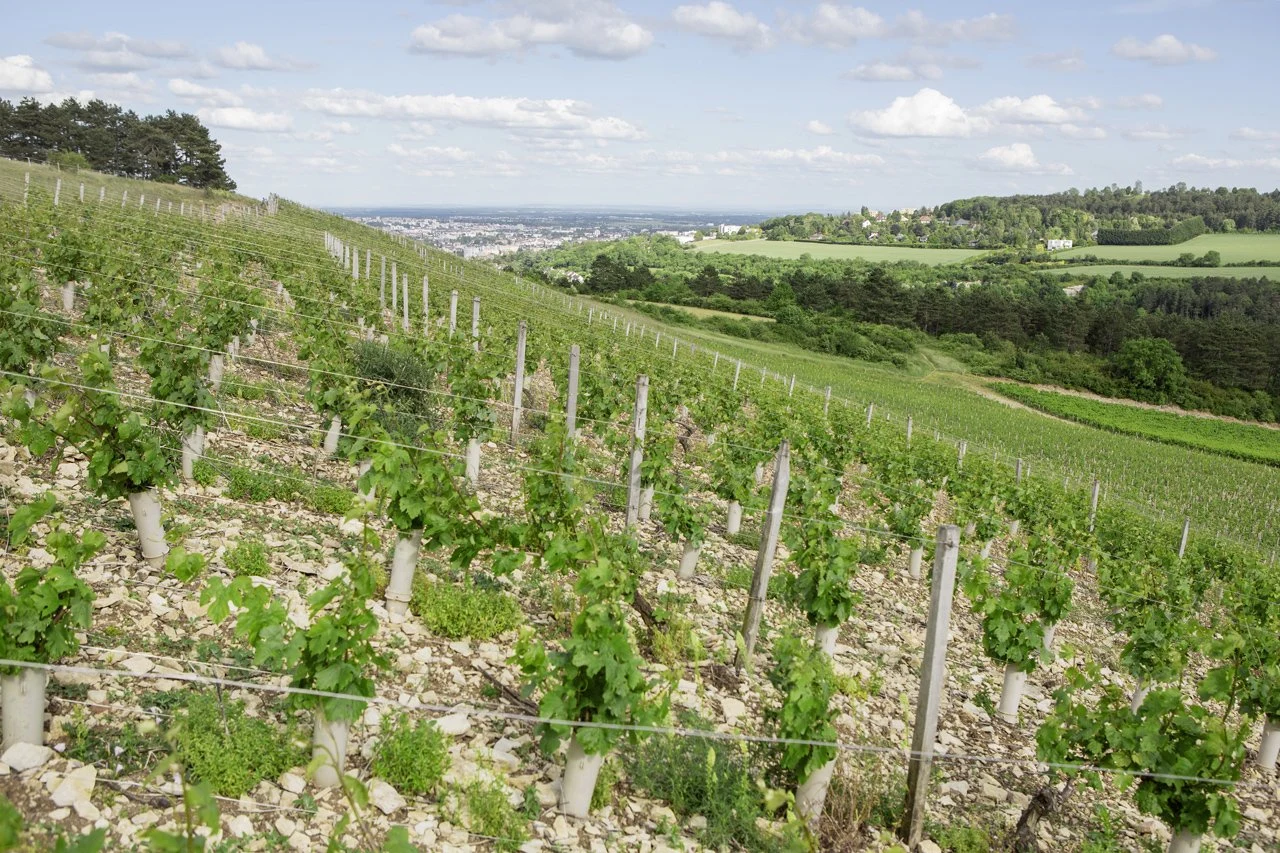
The estate works 8 hectares of vines within Bourgogne AOC, with 5 hectares planted to Pinot Noir and 3 hectares to Chardonnay. It is also the sole producer permitted to use the Coteaux de Dijon designation, a narrow identity for vineyards on the northern edge of the Côte de Nuits. Soyard farms organically, with biodynamic practices in the rows, then keeps the cellar close to the material: indigenous yeasts, restrained sulfur, and fermentations that rely on the fruit and the cellar’s own life. For red wines, he moves between partial whole cluster and 100% whole cluster according to the vintage; Cras Rouge Monopole is vinified 100% whole cluster. The Cras wines come from steeper, better-exposed slopes and receive longer élevage. Cras Blanc Monopole, Chardonnay from the heart of the block, spends at least 18 months in a mix of new and used barriques. Cras Rouge Monopole also rests 18 months in barrel. Alongside oak, Soyard uses small amounts of chestnut and acacia, not as decoration, but as part of a barrel program tuned to texture, spice, and mineral line.
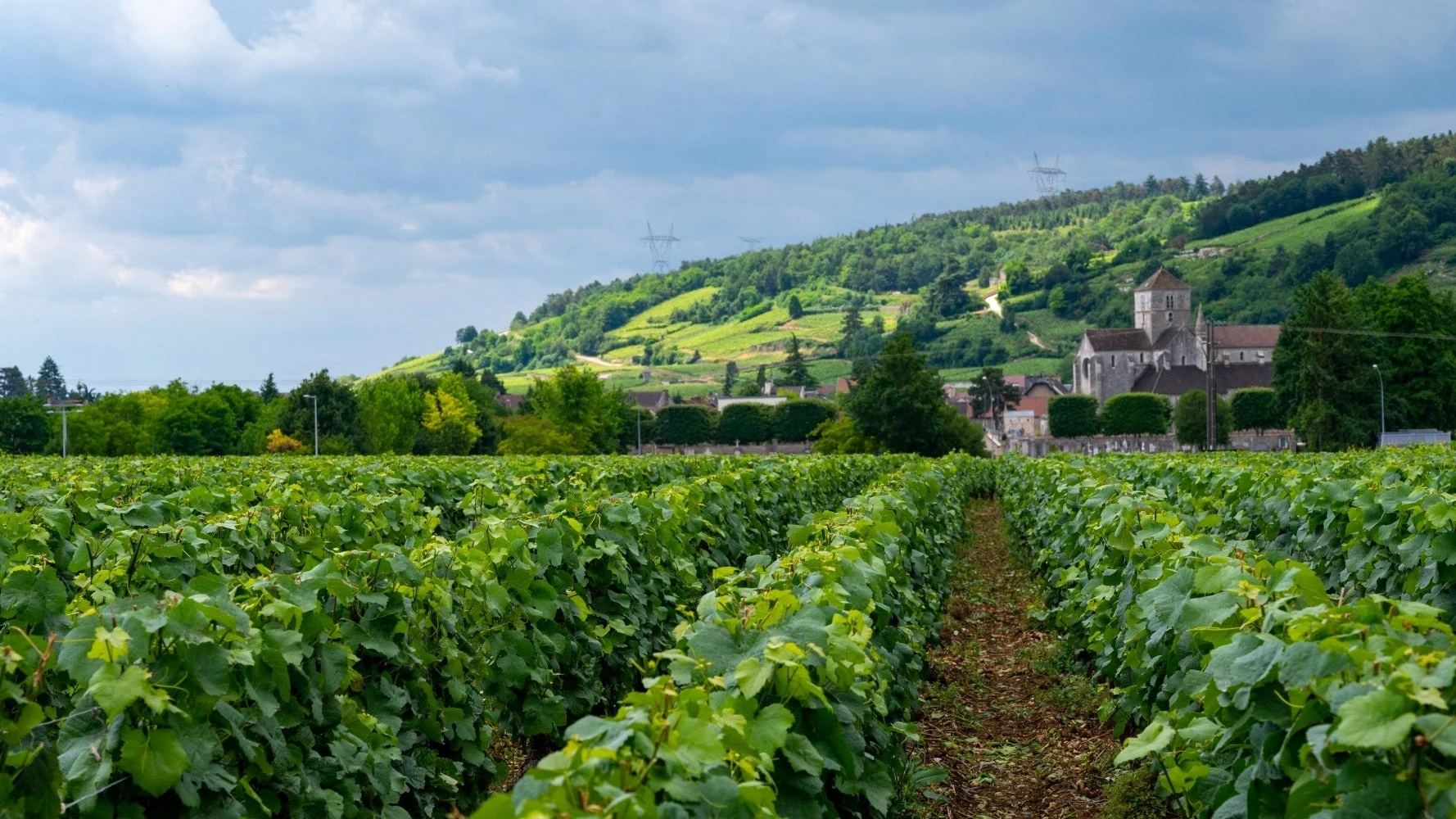
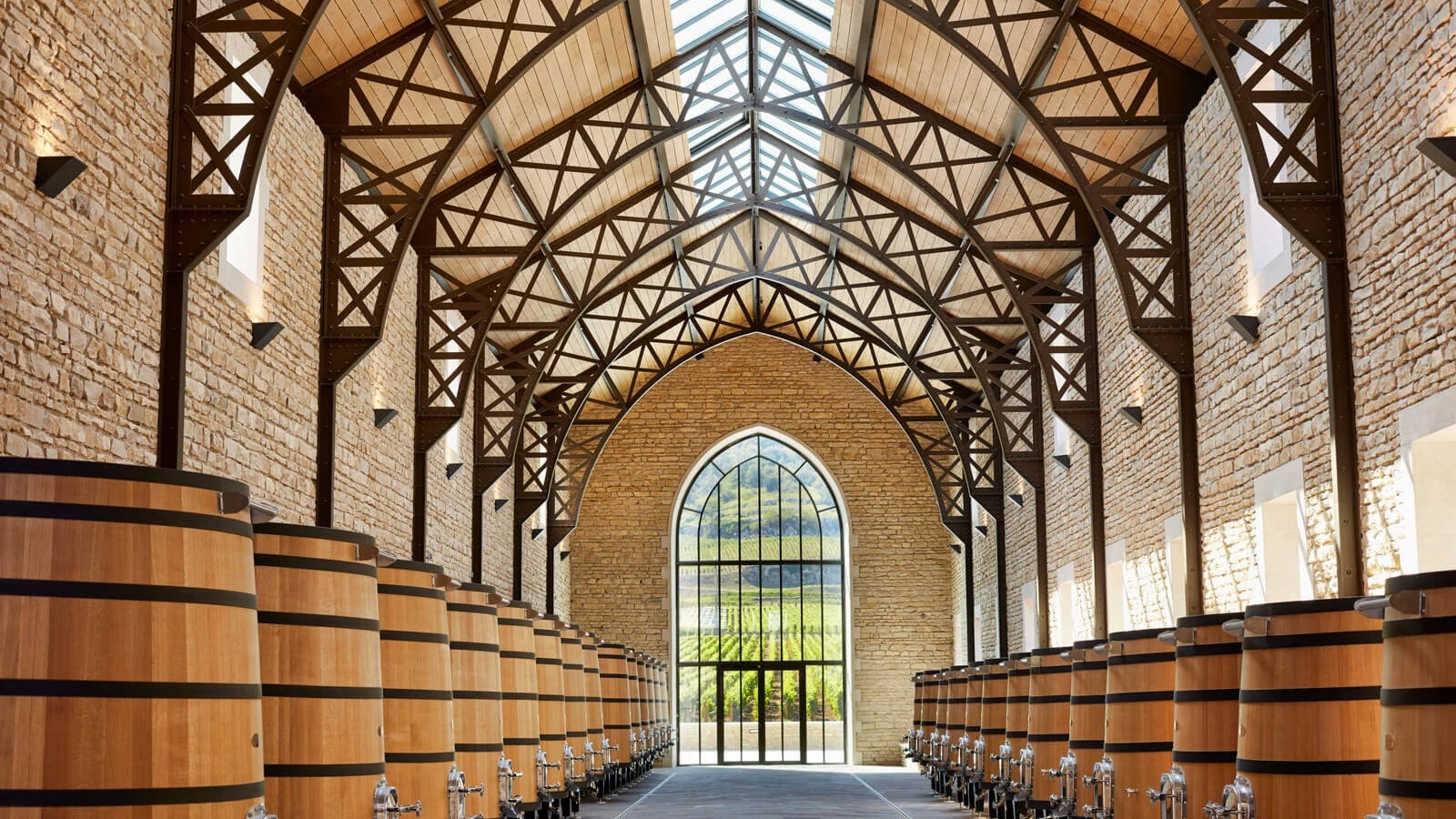
The place has the quiet of a working estate rather than the polish of a reception room. Vines sit just outside Dijon, part of a larger agricultural property, with the winery close enough to the city to make the project feel deliberately public and still governed by the pace of vineyard work. The cellar is not separate from that obligation. Educational visits were part of the founding terms, so the tasting room carries a practical tone: rows, parcels, fermentations, barrels, and the reason a bottle from Plombières-lès-Dijon can carry Coteaux de Dijon. The room is not asked to perform luxury. The cellar does that through restraint.
The portfolio keeps its references close to the ground. Coteaux de Dijon marks fruit by elevation and exposure, while Cras Monopole narrows the focus to the estate’s strongest parcels. Bourgogne Aligoté "Tercet" 2022, Cras Blanc Monopole, and Montre Cul sit within a practice that favors named place over flourish. The next bottle to understand here is not a trophy wine; it is Cras Rouge Monopole, with its 100% whole-cluster ferment and 18 months in barrel.
Plombières-lès-Dijon, Bourgogne-Franche-Comté, Frankreich
Plombières-lès-Dijon