- Falstaff Winery - Listed · 2026
In the Muscadet vineyards near Nantes, Domaine de l’Ecu is best understood as an organic, biodynamic estate winery rooted in Le Landreau. Its appeal is not built around polished tourism or a grand hospitality script, but around an authentic rural setting and a serious focus on terroir-expressive natural wines. The first impression, at least in editorial terms, is therefore not of spectacle, but of a domaine whose meaning comes from its place, its farming language and the way it sits within Muscadet country.
The atmosphere is rustic, classic, scenic and quietly avant-garde. For visitors and readers comparing wine destinations, the important point is simple: Domaine de l’Ecu represents a Muscadet estate where farming, place and natural-wine sensibility sit at the centre of the experience. It is the kind of venue that makes most sense when approached with attention to landscape and cellar philosophy rather than with expectations of a highly packaged visitor product.
Terroir-focused Muscadet in Le Landreau
Domaine de l’Ecu’s identity is tied to Muscadet country near Nantes. Rather than presenting itself as a polished or touristic venue, it reads as a working biodynamic estate with a rural character and a clear emphasis on wines that express place. That distinction matters, because it shifts the focus away from generic wine-country imagery and toward the particularity of Le Landreau, the surrounding vineyards and the estate’s own interpretation of Muscadet.
That makes the domaine especially relevant for drinkers interested in Muscadet beyond a generic regional label. The estate’s framing is about terroir, organic and biodynamic practice, and natural wines with a sense of origin. In other words, the value here is not simply that it belongs to a known wine area, but that it presents Muscadet as something precise, farmed and interpreted through a defined estate sensibility.
For planning around the area, use Domaine de l’Ecu as the reference point for wine-focused time in Le Landreau, while other dining in Le Landreau can be considered separately and generically. This keeps expectations clean: the domaine functions best as the anchor for a wine-led visit, not as a catch-all destination that needs to supply every part of a day out. Its role is strongest when understood through the lens of the vineyards and the estate’s own rural context.
A natural-wine estate with a rural, quietly avant-garde mood
The strongest grounded description of Domaine de l’Ecu is atmospheric as much as technical: authentic, rural, rustic, scenic and quietly avant-garde. It is not presented as a polished hospitality complex, and the appeal is more serious and estate-led than decorative. That quiet avant-garde quality is important: it suggests a domaine that may feel traditional in its landscape and rural presence, while also belonging to a more contemporary conversation around natural wine and biodynamic farming.
Its natural-wine identity should be understood through the frame of an organic, biodynamic Muscadet estate. Specific production details, named cuvées, cellar techniques, volumes, grape lists, staffing details or visit formats are not asserted here unless separately confirmed. That restraint is part of reading the estate accurately: the available editorial picture is clear enough to establish character, but not to invent a detailed tasting itinerary or technical cellar profile.
For that reason, the best expectation is broad rather than overly specific: Domaine de l’Ecu is a terroir-expressive winery in Le Landreau for people interested in biodynamic Muscadet and a more rural, less touristic wine setting. It suits visitors who are comfortable with a place-led experience, where the appeal comes from authenticity and seriousness rather than from staged polish. The mood is not empty rusticity; it is rusticity connected to farming, wine and the particular identity of the estate.
How to place it within a wider French wine itinerary
Within a French wine itinerary, Domaine de l’Ecu offers a grounded Muscadet counterpoint to more polished or better-known wine regions. Its character is not about ceremony, luxury service or invented visitor details; it is about an organic, biodynamic estate in the Muscadet vineyards near Nantes. For travellers moving between French wine areas, that makes it useful as a reminder that the country’s wine culture is not only expressed through prestige appellations or highly choreographed tastings, but also through quieter estates with a strong sense of land.
That makes it a useful stop for travellers who want a wine experience shaped by rural atmosphere, natural-wine values and terroir rather than by a resort-style format. Other Le Landreau dining or travel plans can be built around it, but the domaine itself should be approached as a winery first. Keeping that hierarchy in mind helps avoid overloading the estate with expectations it has not been presented as offering, while still allowing it to play a meaningful role in a Muscadet-focused day.
The editorial case is clear: Domaine de l’Ecu is compelling because it keeps the focus on Muscadet, biodynamic farming and a quietly avant-garde sense of place. In a region often treated too simply, that seriousness is the distinction. Its strength lies in making Muscadet feel specific rather than shorthand, rural rather than generic, and thoughtful rather than merely picturesque.
Questions
Frequently asked
Who works at Domaine de l'Ecu?
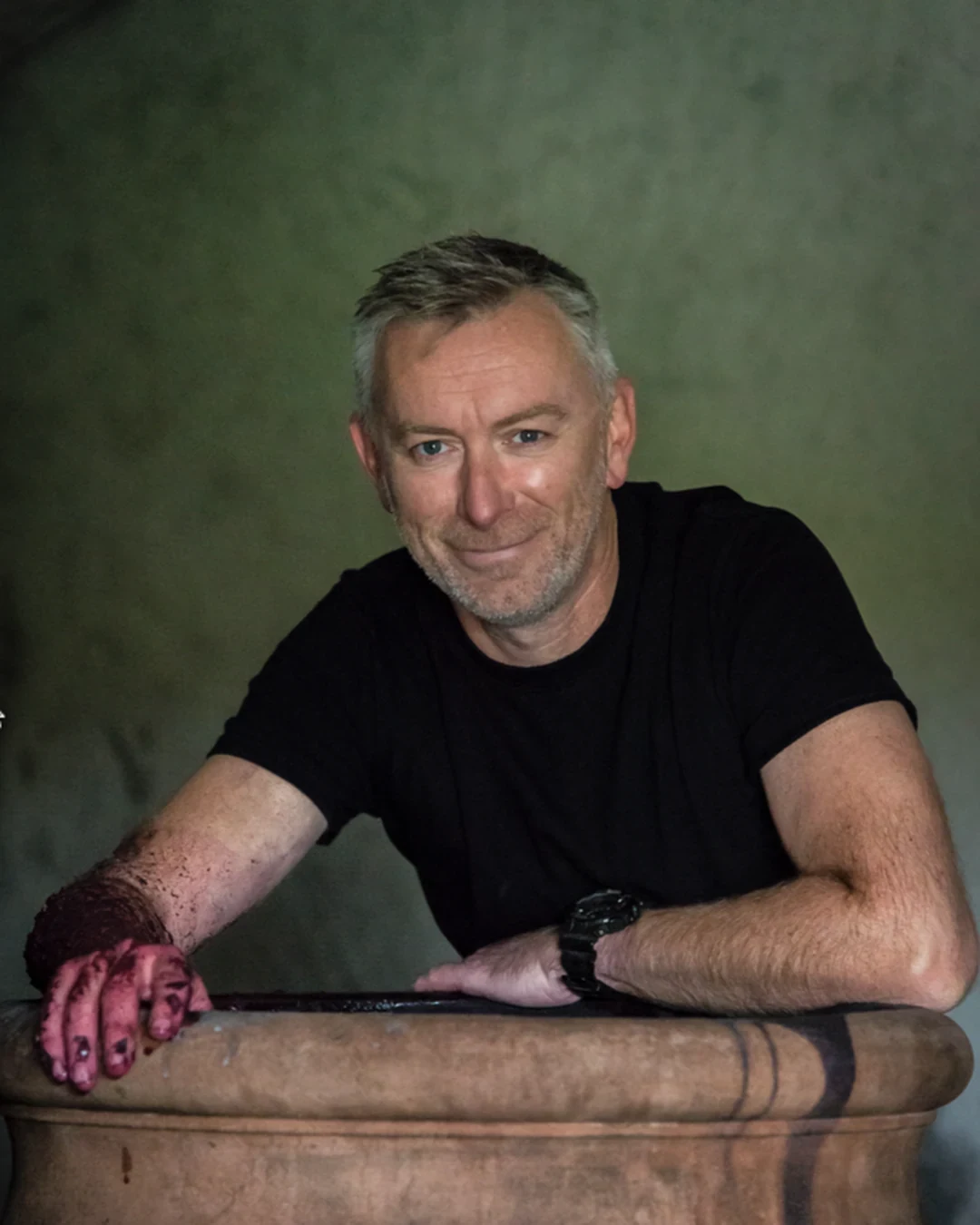
Made By profiles Fred Niger (Winemaker) at Domaine de l'Ecu.
How expensive is Domaine de l'Ecu?
Domaine de l'Ecu is listed at a price level of $$.
The field
How it compares
| Place | Notes | Awards |
|---|---|---|
| Domaine de l'Ecu | Le Landreau, $$ | · |
| Château Lafleur | Pomerol | · |
| Domaine Arnaud Ente | Meursault | · |
| Domaine Georges Mugneret-Gibourg | Vosne-Romanée | · |
| La Rioja Alta | Haro | · |
| Ridge Vineyards | Cupertino | World's 50 Best |
| Tenuta San Guido | Bolgheri | · |