Domaine des Schistes
- 01CityEstagel, France
- Falstaff Winery - Listed · 2026
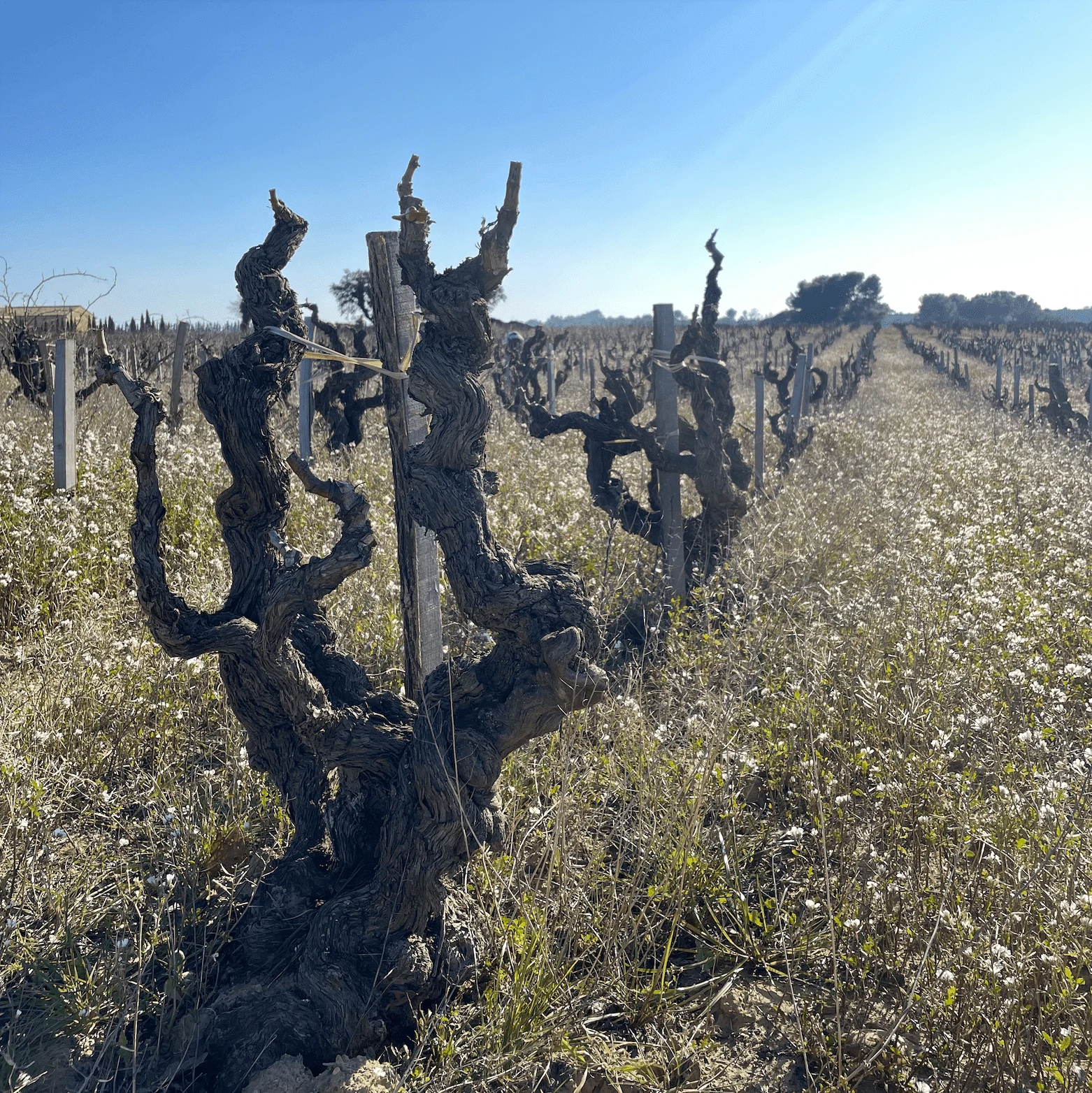
Approaching wine country around Estagel, the visual grammar changes quickly: dry hillsides, pale stone, vineyard rows climbing toward rougher country, and a Roussillon landscape that feels more agricultural than staged. Domaine des Schistes fits that register naturally: a family-run organic estate in the Agly valley, with schistous hillside vineyards and a relaxed rural atmosphere. The impression is of a place rooted in its terrain rather than arranged as a polished backdrop.
This is not a venue to frame around polished tourism theatrics. The picture is simpler and more direct: an organic Roussillon estate in Estagel, a direct cellar-door shop, and tastings focused on terroir rather than spectacle. For travellers looking for a rustic wine-country stop, that plainness is part of the appeal. It gives the visit a sense of continuity with the surrounding countryside, where the land, the farming and the tasting room feel connected rather than separated into different experiences.
Schist, organic farming and the Agly valley setting
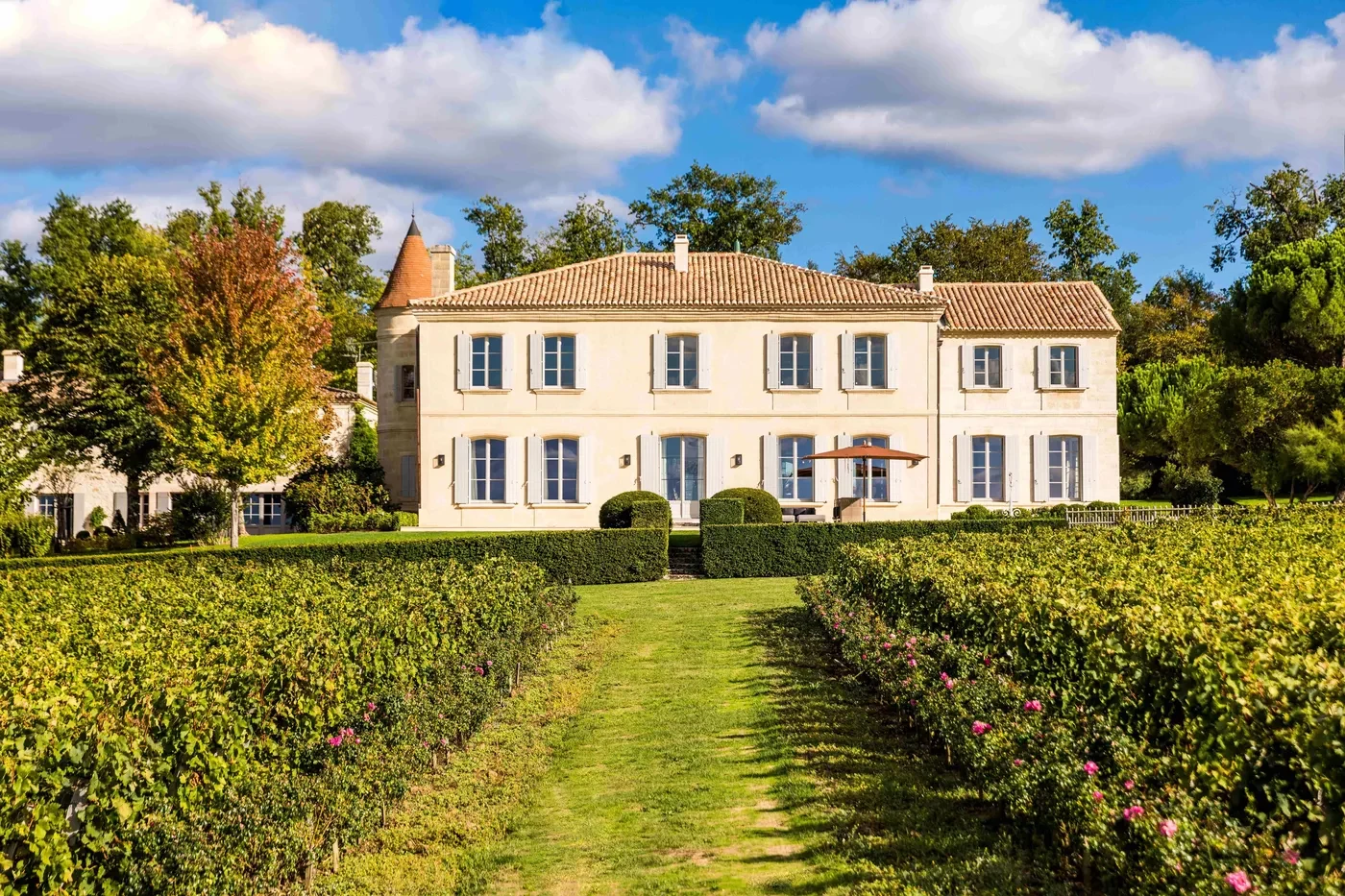
Domaine des Schistes is best understood through its setting. The estate is in Estagel, in the Agly valley, where schistous hillsides help define the local vineyard landscape. Rather than presenting itself as a grand château-style destination, it reads as a working family estate with a grounded rural character. That distinction matters: the focus is less on architectural drama or staged hospitality, and more on the relationship between vines, slopes and the dry Roussillon environment around them.
The information supports a focus on organic production and terroir-driven tasting. Specific claims about grape varieties, bottle counts, founding dates, vineyard size, individual cuvées or technical cellar methods are not confirmed here, so the useful way to approach the domaine is broader: as an organic Roussillon address shaped by schist, hillside vineyards and a cellar-door experience. In that sense, the absence of elaborate detail is also a useful guide. Visitors should not build expectations around prestige markers, but around the confirmed character of the place.
The dress code and atmosphere are rustic. Visitors should expect a relaxed rural setting rather than a highly formal hospitality format. That makes the domaine a good fit for people who value context, landscape and direct wine discussion over a choreographed luxury visit. It is the kind of stop where appropriate expectations make a large difference: practical, wine-focused, informal and closely tied to the agricultural surroundings.
Terroir-driven tastings rather than tourism theatre
Cellar-door shop is described as direct and focused on tastings that communicate terroir. That is the safest and most useful expectation to set: Domaine des Schistes is a place to read the Agly valley through wine, schist and family-estate farming, not a venue defined by elaborate extras. The emphasis is therefore on interpretation through the glass, with the landscape providing the frame for what is being tasted.
Those points should be checked directly before planning around them. What is clear is the overall character: organic Roussillon estate, schistous hillside vineyards, relaxed rural atmosphere and a cellar-door focus. The practical details of any visit can change, but the underlying identity described here is consistent: a modest estate setting where the main reason to stop is the wine-country context itself.
Because the estate’s appeal is tied to place, it works well as part of a slower Estagel and Agly valley itinerary. The draw is not an invented trophy list or a scripted hospitality package, but a modest, family-run setting where the local terrain is central to the experience. For travellers moving through the area, that makes it more of a grounded pause than a destination built around spectacle.
A rustic Estagel wine-country stop
For broader planning in Estagel, Domaine des Schistes should be treated as a wine-focused stop rather than a restaurant, hotel or bar. The price indicator is $$, and the atmosphere is rustic and relaxed. It belongs in an itinerary as a cellar-door estate visit, not as a substitute for a meal or overnight stay.
Other dining in Estagel can be considered separately, but Domaine des Schistes itself is best framed as an organic Roussillon estate with a cellar-door shop and terroir-driven tastings. If you need precise current details such as opening times, booking requirements, tasting format or accessibility, confirm directly with the estate before visiting. That confirmation is especially important because the value of the stop depends on matching the visit to the estate’s actual current arrangements.
Within the information here, the core reason to go is clear: Domaine des Schistes offers a grounded look at Estagel wine country, shaped by family ownership, organic farming, the Agly valley and schistous hillside vineyards. Its appeal lies in that combination of directness and place: a rural Roussillon estate where the surrounding land remains central to the way the visit should be understood.
Questions
Frequently asked
How expensive is Domaine des Schistes?
Domaine des Schistes is listed at a price level of $$.
The field
How it compares
| Place | Notes | Awards |
|---|---|---|
| Domaine des Schistes | Estagel, $$ | · |
| Château Troplong Mondot | Saint-Laurent-des-Combes | · |
| Domaine Comelade | Estagel | · |
| Domaine de la Romanée-Conti | Vosne-Romanée | · |
| Domaine La Barroche | Châteauneuf-du-Pape | · |
| Marqués de Murrieta | Logroño | World's 50 Best |
| Yamazaki (Suntory) | Shimamoto | · |