- Falstaff Winery - Listed · 2026
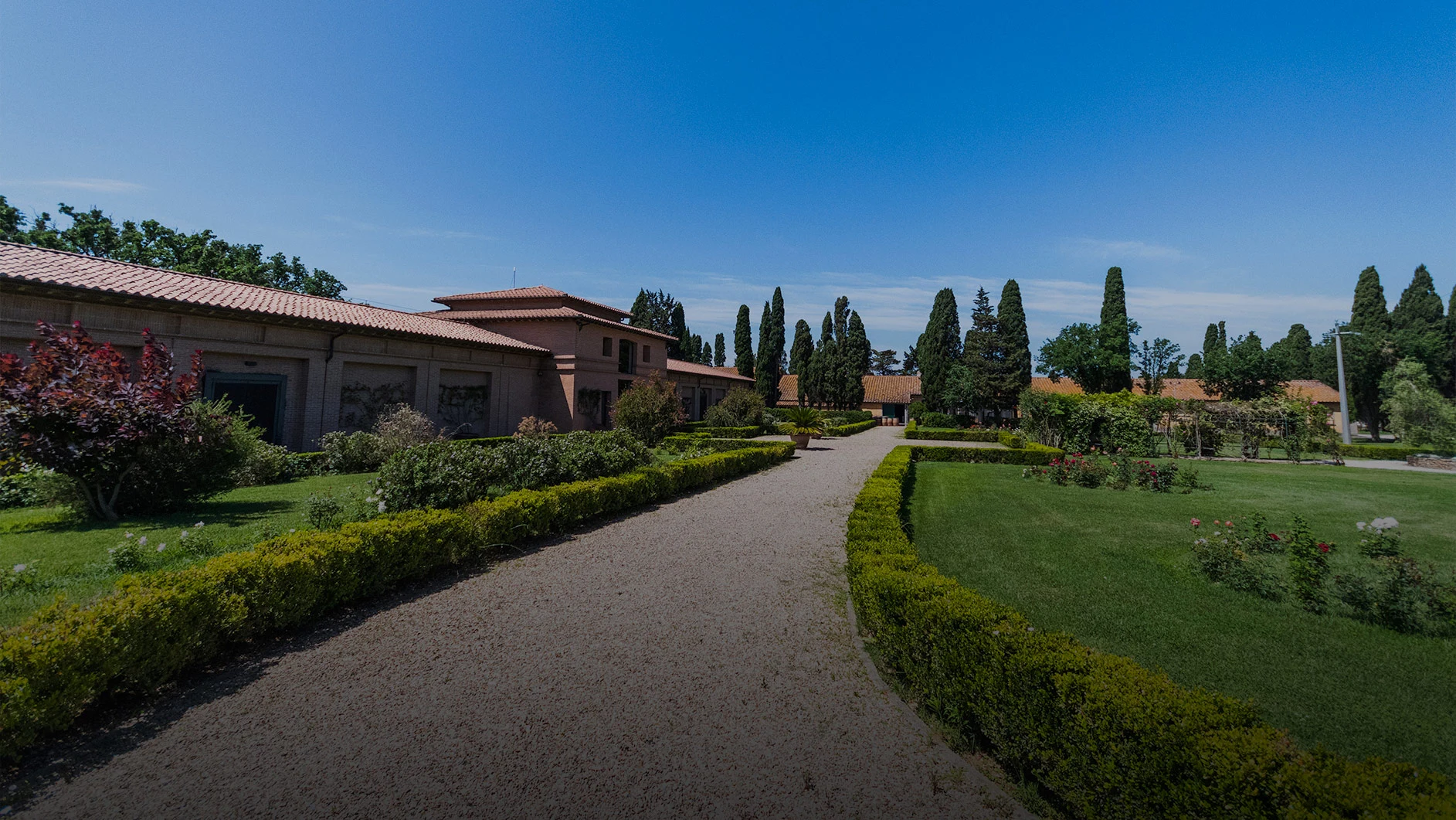
Domaine du Clos de l’Élu is a Loire domaine in Saint Aubin De Luigne, set in the Anjou noir context of schistous slopes and rural vineyard country. The picture is of a creative, artisanal producer rather than a polished visitor complex, with an emphasis on respectful, low-intervention winemaking. That distinction matters: this is not a venue to understand primarily through hospitality extras, spectacle or a fixed public-facing format, but through place, cellar choices and the quieter personality of a working wine domaine.
The most reliable way to frame Domaine du Clos de l’Élu is through atmosphere and method: an intimate Loire vineyard setting, gravity handling, natural ferments and the use of amphorae. Those elements give enough shape to the address without overstating what is publicly confirmed. Beyond those confirmed points, specific public-visit details, grape lists, cuvées, tour formats, production volumes and accolades should be checked directly before planning around them. In practical terms, the safest reading is to treat the domaine as a serious, site-led Loire producer first, and to verify any experience-led expectations before making it the anchor of an itinerary.
Anjou noir as the argument, not the backdrop
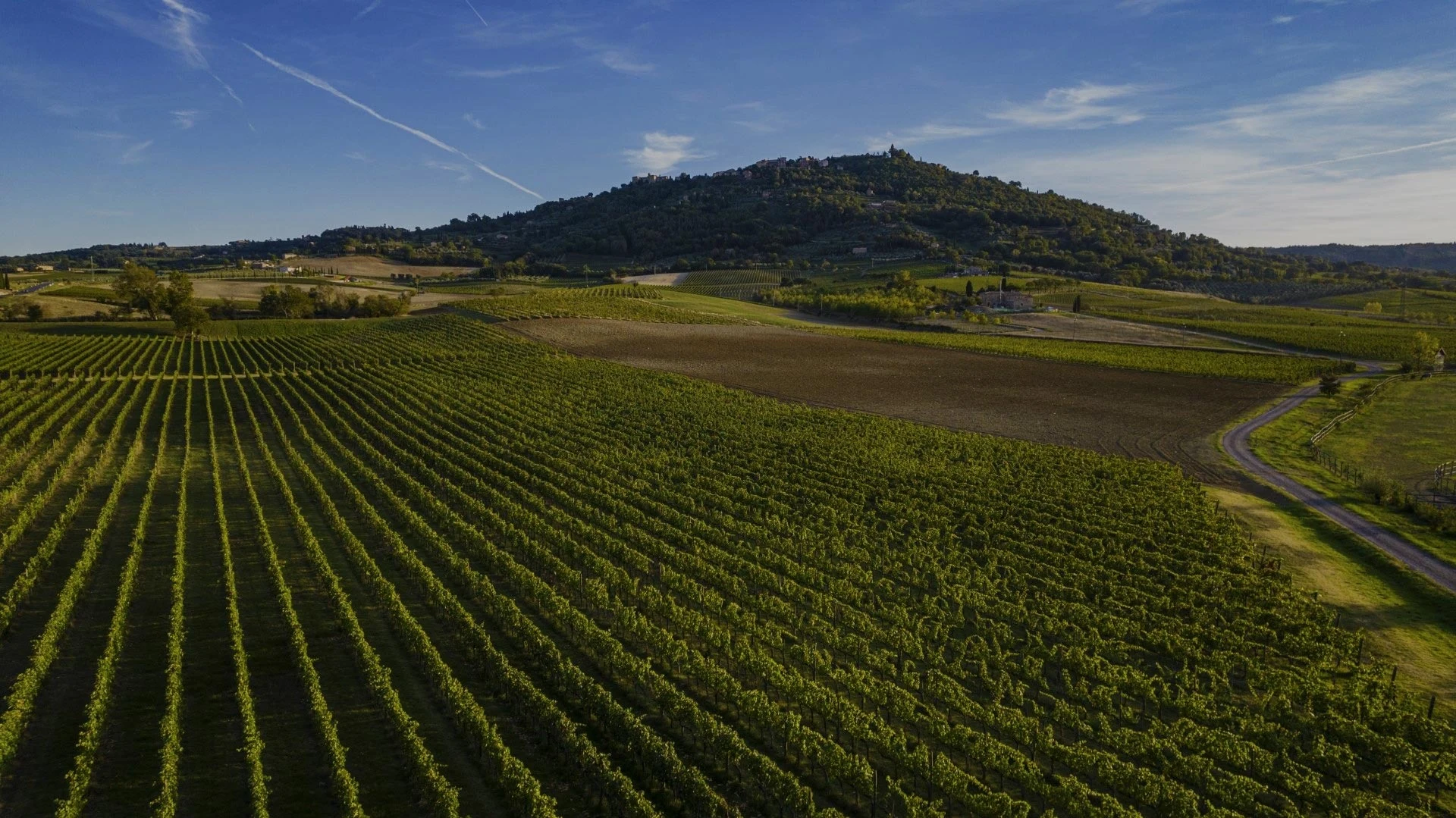
The domaine’s setting on schistous Anjou noir slopes is central to its identity. Rather than presenting the Loire as a single, simplified style, Domaine du Clos de l’Élu fits a more site-conscious reading of Anjou: rural, textural and tied to darker schist soils. The landscape is not just scenery around the domaine; it is part of the way the address is understood, giving context to a producer whose appeal rests on origin, restraint and the physical character of its vineyard environment.
This matters because Anjou noir carries a different emotional and material register from a postcard version of the Loire based only on softness, châteaux and broad regional shorthand. Here, the emphasis falls on slopes, stone, agricultural quiet and the kind of vineyard country where the texture of the place can feel as important as a formal visitor presentation. Domaine du Clos de l’Élu sits within that frame: less about smoothing out the edges of the region, more about letting a particular corner of it remain legible.
Its cellar language points toward restraint and low intervention. Gravity, amphorae and natural ferments are part of the confirmed profile, suggesting a domaine concerned with handling and expression rather than a heavily polished, industrial style. None of those words should be treated as decoration. Gravity implies a preference for gentler movement in the cellar; natural ferments point to a less controlled, more responsive relationship with fermentation; amphorae signal an interest in vessel choice as part of texture and expression.
Those details are enough to distinguish the address from a generic Loire stop. The appeal is not built on confirmed luxury amenities or a named hospitality format; it is the combination of schistous slopes, artisanal practice and an intimate vineyard atmosphere. For the right visitor, that can be more meaningful than a long list of facilities, because the draw lies in the coherence between the rural setting and the restrained methods associated with the domaine.
Recognition for drinkers who follow producers, not labels
No specific award, rating, guide score or ranking is here. Domaine du Clos de l’Élu is better presented through the confirmed facts: a Loire domaine in Saint Aubin De Luigne with a respectful, low-intervention approach using gravity, amphorae and natural ferments. That makes the address most relevant to drinkers who are comfortable following producer identity, farming context and cellar philosophy rather than depending on external markers of prestige.
In that sense, recognition is less about a trophy-cabinet narrative and more about the kind of attention the domaine may attract from people already interested in artisanal Loire wine. The confirmed information supports a portrait of seriousness, but it does not justify adding claims about fame, scarcity, critical praise or official status. The more accurate editorial approach is to hold the focus steady: place, method and atmosphere are the reliable anchors.
For travelers and collectors, that means any detailed claims about cuvées, vintages, critical scores, certifications or cellar specifics should be treated as items to verify directly with the domaine or current official materials. The same caution applies to public access: whether someone is hoping for a tasting, a tour, a purchase opportunity or a broader visit, the details should not be assumed from the general character of the property. A domaine can be compelling without being easily packaged as a standard visitor attraction.
For wider planning around Saint Aubin De Luigne, compare Domaine du Clos de l’Élu with other local dining, lodging, bar and experience options generically, while keeping this address in its proper role: a rural Loire wine domaine rather than a restaurant, hotel or nightlife venue. It belongs in an itinerary as a wine-focused point of interest, not as a substitute for the surrounding practical infrastructure that travelers may also need.
Who the visit suits
Domaine du Clos de l’Élu suits travelers drawn to artisanal Loire wine, schistous Anjou noir landscapes and a quieter rural atmosphere. It is best understood as an intimate vineyard-domain setting for people interested in low-intervention winemaking rather than a polished, amenity-led venue. The right audience is likely to value context over convenience, method over performance and the sense of a working rural address over the assurance of a fully formalized visitor complex.
It will appeal most to those who enjoy approaching wine through questions of place and process: how a domaine handles fruit, how it relates to fermentation, how vessels and movement in the cellar can shape expression, and how a schistous landscape informs the overall identity of the producer. Visitors seeking a highly structured leisure experience should verify every practical detail in advance, while those looking for a more grounded Loire reference point will find the confirmed profile clear enough to understand why the domaine stands apart.
Questions
Frequently asked
Who works at Domaine du Clos de l'Élu?
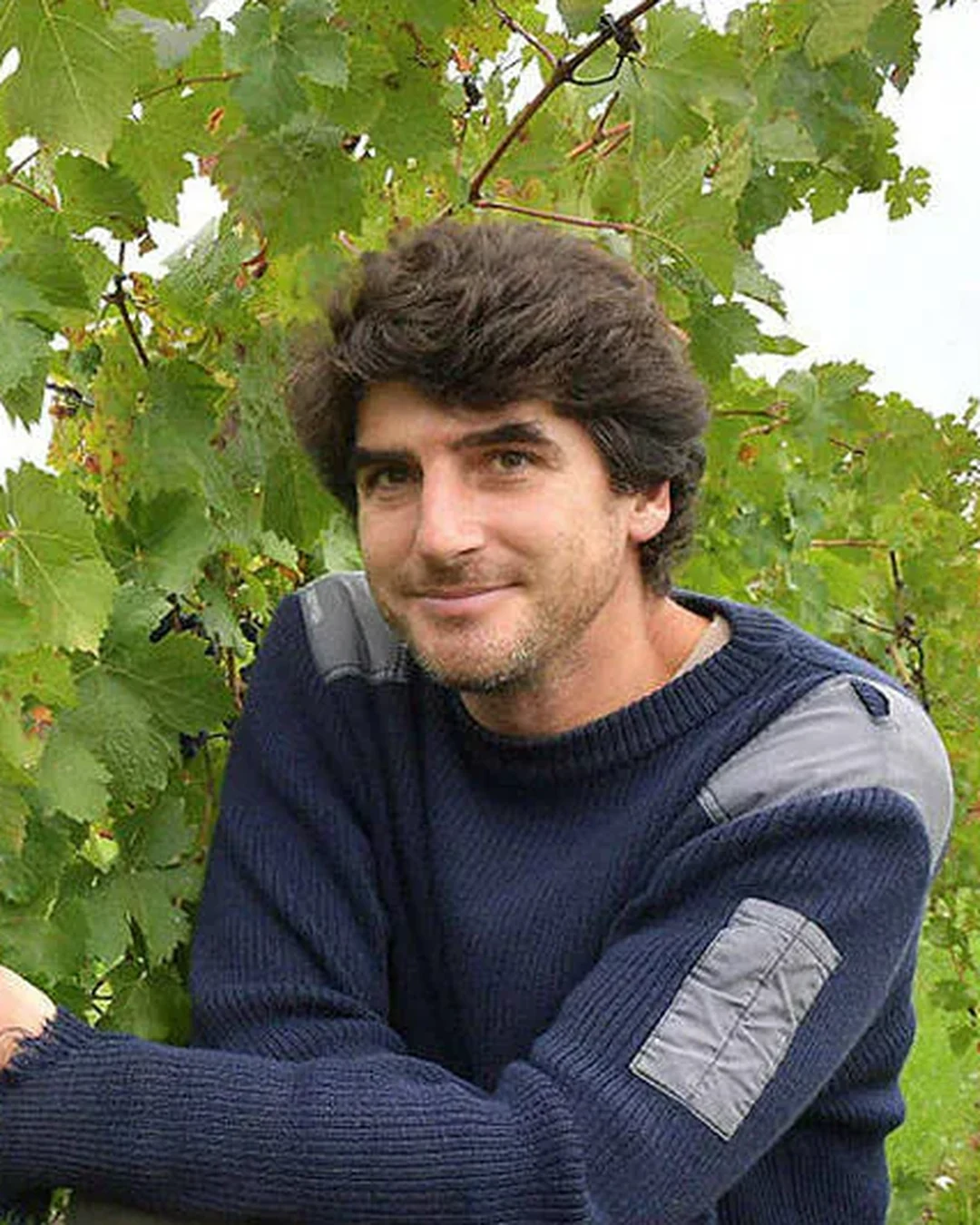
Made By profiles Thomas Carsin (Winemaker) at Domaine du Clos de l'Élu.
How expensive is Domaine du Clos de l'Élu?
Domaine du Clos de l'Élu is listed at a price level of $$.
The field
How it compares
| Place | Notes |
|---|---|
| Domaine du Clos de l'Élu | Val du Layon / Anjou noir, $$ |
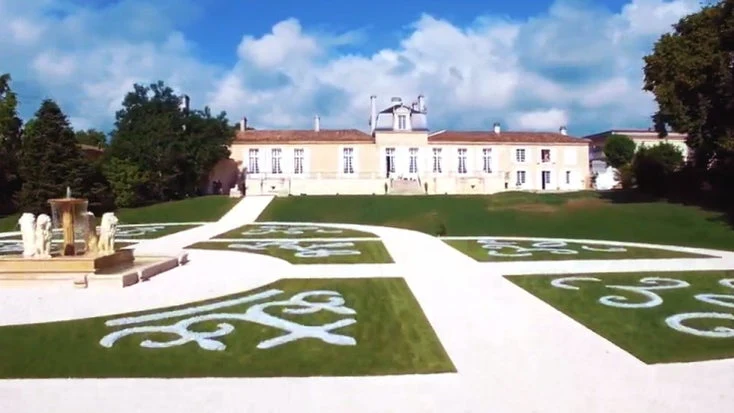
| Chateau Leoville Las Cases | Saint-Julien-Beychevelle |
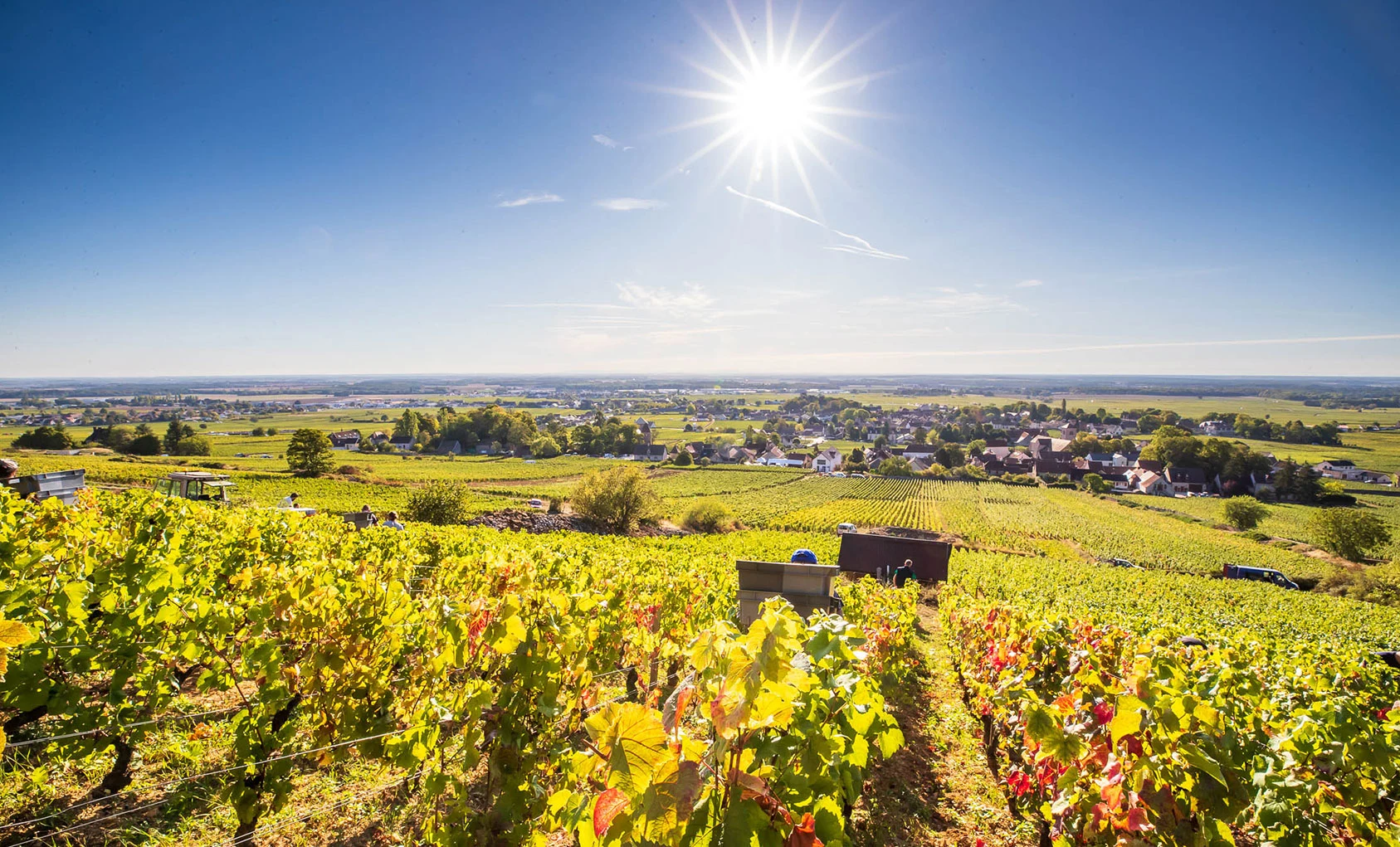
| Domaine Bruno Clair | Marsannay-la-Côte |
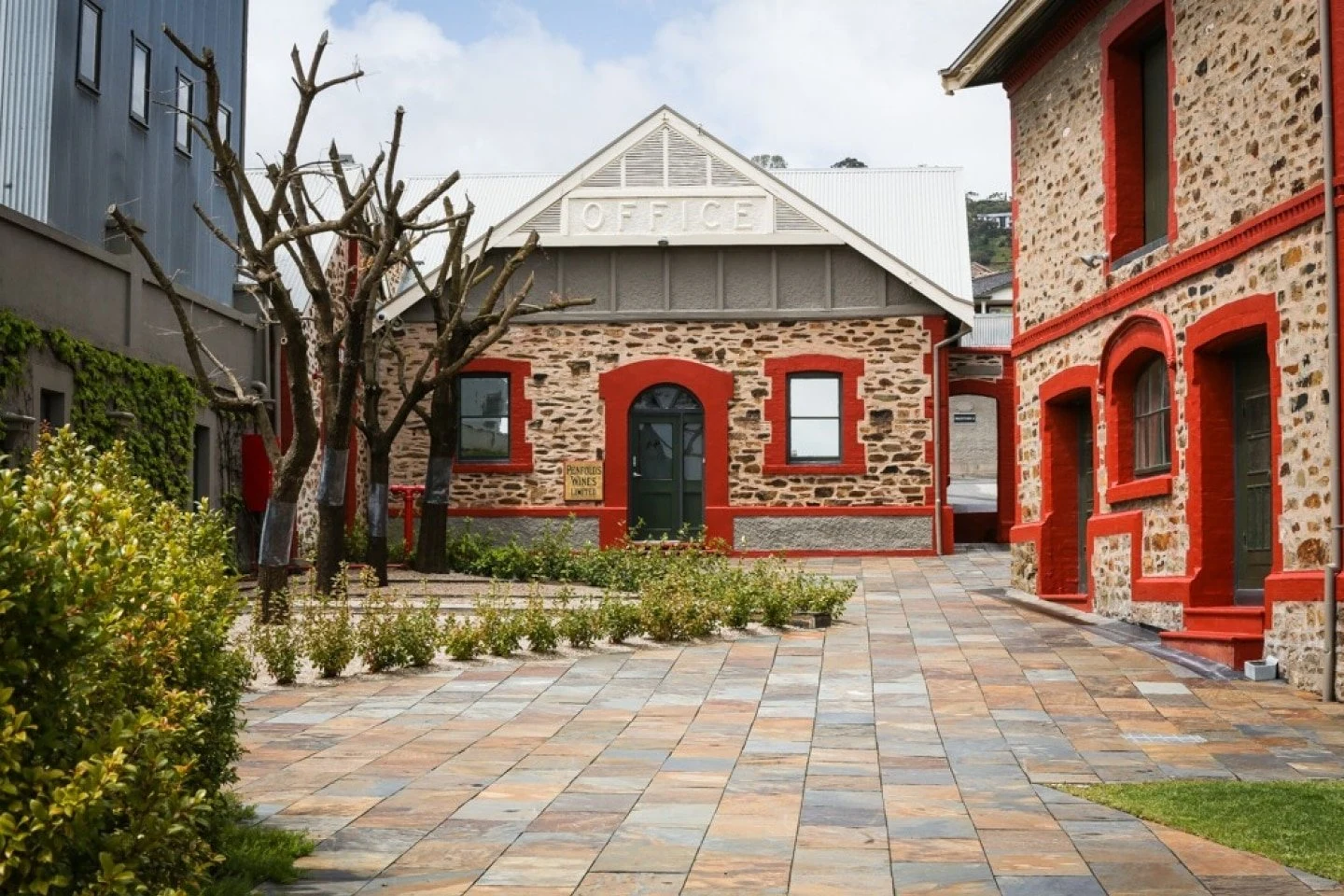
| Penfolds Magill Estate | Magill |
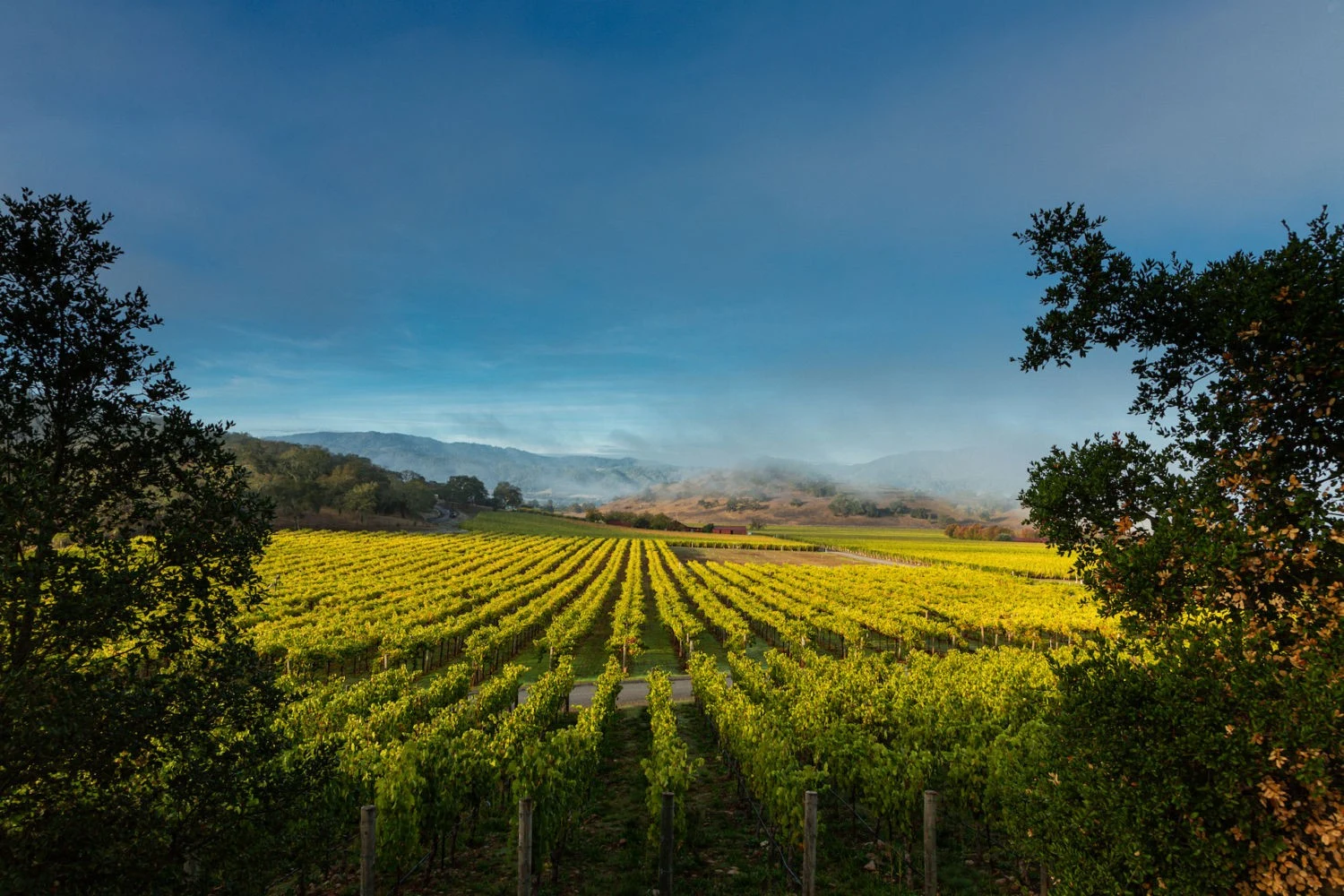
| Screaming Eagle | Napa |
| Tenuta San Guido | Bolgheri |
| Valdicava | Montalcino |